Best 40mm Men's Watches: Buying Guide for 2026
Disclosure: We may earn a commission when you buy through links on this page, at no extra cost to you. As an Amazon Associate I earn from qualifying purchases. Learn more

Compare the best 40mm mens watches by movement, case fit, crystal, strap and water resistance for daily wear and dress use.
Forty millimeters has become the default size for men who want one watch that works with a suit, a polo, and a weekend jacket. The challenge is that thousands of models share that diameter while differing in everything else. This guide shows you how to judge the best 40mm men's watches by fit, movement, and build, not by marketing claims.
Use the comparison table below for a quick view of current options, then work through the buying guide to learn which specs matter for your wrist and your routine. A few minutes spent on lug length, crystal type, and water resistance now will save you a return later.


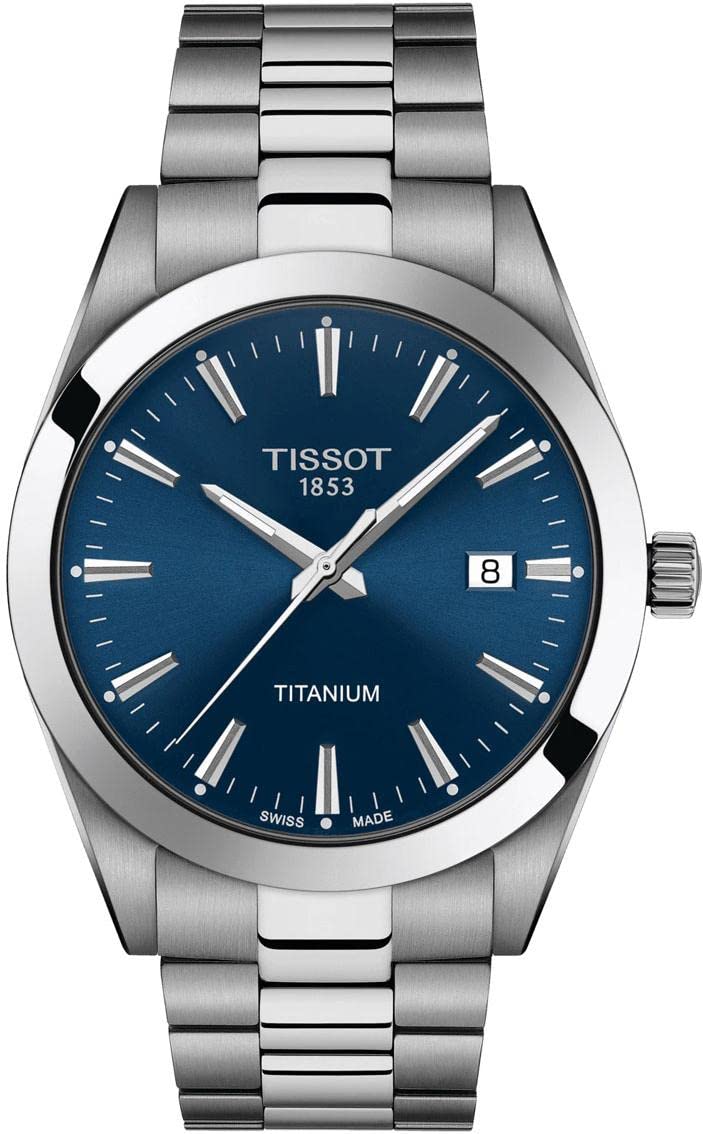


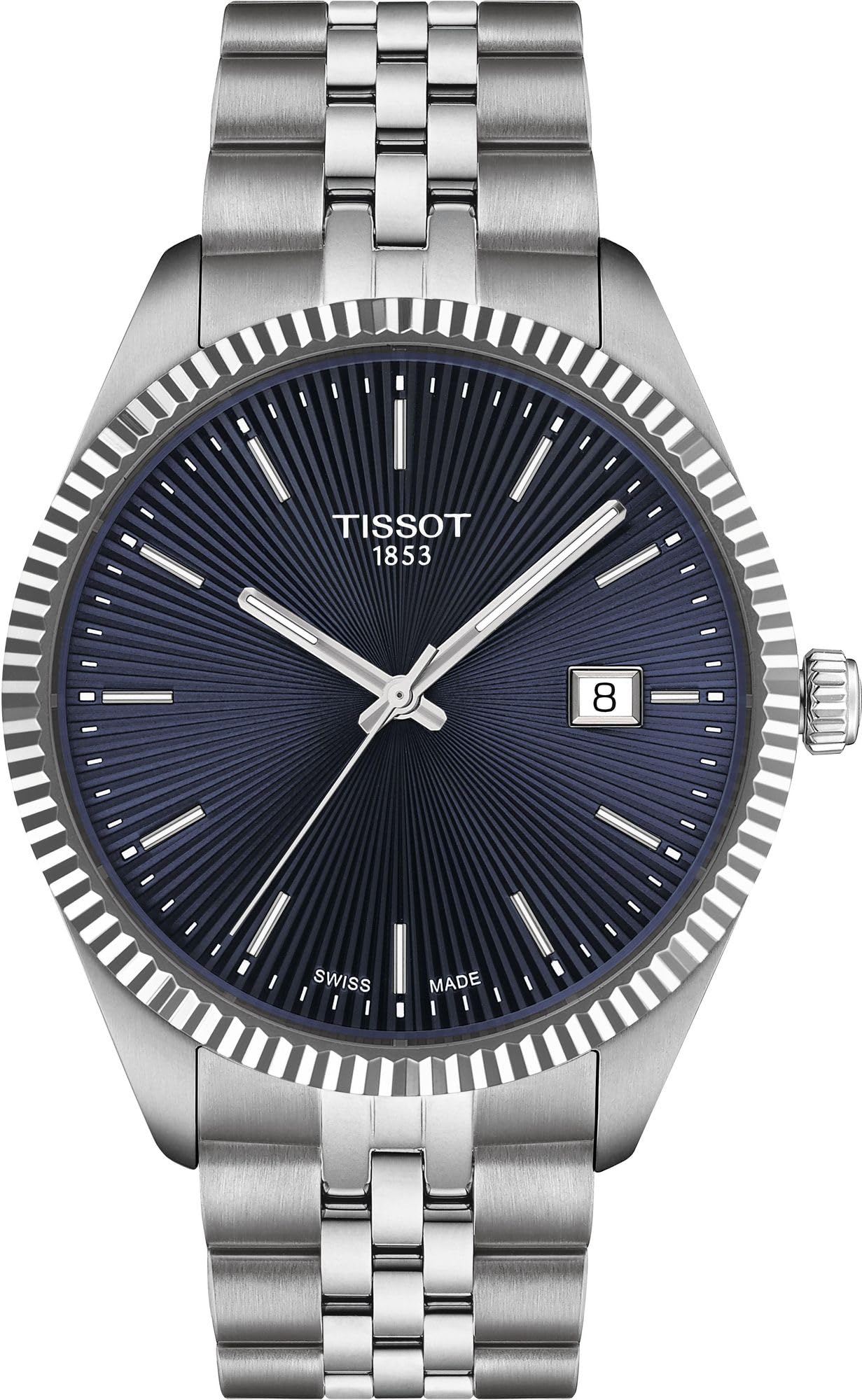
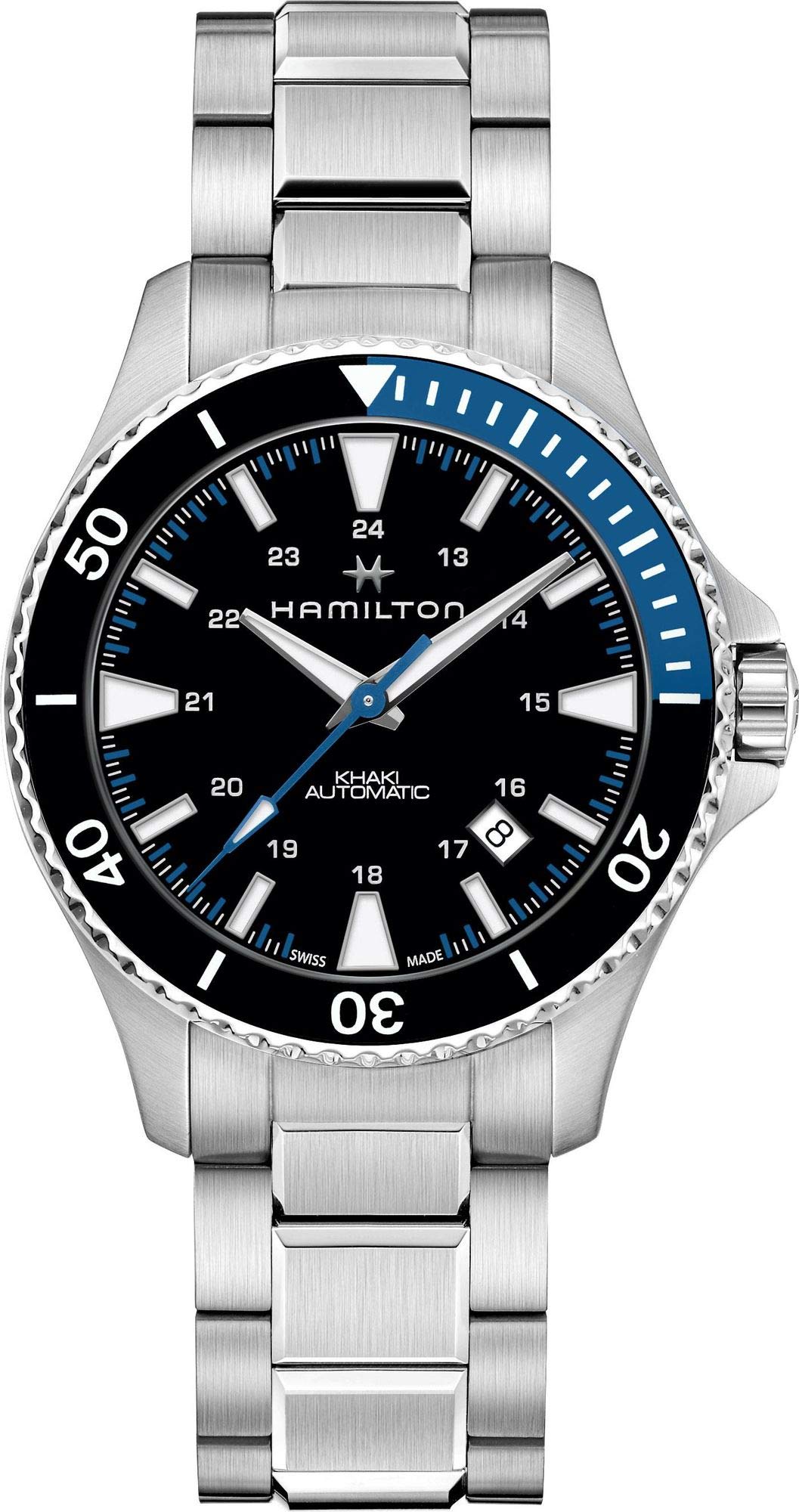

Profiles at a Glance
These three profiles describe the balance you should expect at each level. Match any listing in the product table above against the profile for its price, and weak value becomes obvious.
Best Overall Profile
The overall profile, around $200 to $600, pairs a steel case and sapphire or quality mineral crystal with a dependable automatic or quartz movement. Water resistance reaches at least 100 meters, the bracelet uses solid links, and the dial stays readable in bright sun and dim rooms. This profile suits the man who wants one watch for nearly everything. Its limit is versatility itself: it will not be the dressiest watch at a formal dinner or the toughest tool on a dive trip, but it handles both settings with confidence.
Best Value Profile
The value profile, around $75 to $200, focuses on honest basics. Expect a steel or quality alloy case, a Japanese quartz movement, and water resistance of 50 to 100 meters. Corners are cut on bracelet clasps and lume brightness rather than on accuracy. Shoppers hunting this tier will also like our guide to the best inexpensive men's watches, which covers the same priorities across other sizes. The limit is longevity of finish: plated cases and basic straps wear faster, so treat this tier as a strong starter watch or a beater for rough work.
Best Premium Profile
The premium profile, around $600 to $2500, adds a sapphire crystal, a refined automatic movement, and finishing that rewards a close look. Expect crisp case lines, applied indices, and a bracelet that feels dense and smooth. Buyers stepping up to this level often compare it with our guide to the best men's luxury watches to see where true luxury pricing begins. The limit is upkeep cost: servicing a premium automatic costs more, and a watch this nice may feel too precious for genuinely rough jobs.
How to Choose the Best 40mm Watches: Buying Guide
This is the core of the decision. For broader comparisons across brands and budgets, our guide to the best 40mm watches covers unisex and women's options at the same diameter. Here we focus on what matters specifically to men buying a 40mm watch.
What Men Should Look For
Men's 40mm watches are built to split the difference between dress and sport, so proportions matter. A case near 11 to 13mm thick slides under most shirt cuffs while still feeling substantial. Weight between about 90 and 150 grams on a bracelet feels solid without dragging the wrist down by evening. Look for a crown that is easy to grip, a date window you can read at a glance, and a clasp with micro adjustment holes or a sliding system, because men's wrist size shifts with heat and activity during the day.
Movement Type (Quartz, Automatic, Solar, Smart)
Quartz movements are the most accurate and need the least care, with a battery change every two to three years. Automatic movements wind from your wrist motion, offer a smooth sweeping seconds hand, and need servicing about every five to seven years. Solar movements charge from light and remove battery changes from your life almost entirely. Smart movements add notifications and GPS but age quickly and need charging every day or two. Choose based on your habits: a man who rotates several watches often prefers quartz or solar, since an automatic will stop between wears.
Legibility and Style
A watch you cannot read at a glance fails its main job. Look for strong contrast between hands and dial, applied or printed markers with real size, and lume on the hands and hour markers for low light. Matte dials read better in bright sun than glossy ones. For style, a black, blue, or white dial on steel covers office and casual wear, while a field style dial with Arabic numerals leans rugged. Avoid tiny subdials and skeleton displays if quick reading matters, because decorative layouts always trade clarity for looks.
Brand Reputation, Warranty, and Value
Buy from a brand with a real service network and a warranty of at least two years. Established makers publish service prices and stock parts for years, which protects a watch you plan to keep. Our guide to the best quality men's watches explains how finishing and movement grades signal lasting value across price levels. Keep your receipt and warranty card together, and register the watch if the brand offers it. Resale value follows demand and condition, so a popular model from a respected maker in clean shape will always be easier to sell or trade later.
Crystal and Case Materials
The crystal takes the scratches, so its material matters daily. Sapphire is the hardest common option and stays clear for years, while mineral glass is cheaper and can chip or scratch with hard knocks. Acrylic appears on vintage style models and polishes easily but marks quickly. For cases, 316L stainless steel is the standard for corrosion resistance and weight. Titanium runs about 40 percent lighter and suits men who dislike a heavy bracelet. Avoid base metal cases with thin plating at any price, since worn plating cannot be repaired neatly.
Strap and Bracelet Options
The strap changes both comfort and character. A steel bracelet suits daily wear and water, and it should have solid end links and a clasp that closes with a firm click. Leather looks dressier but hates water and needs replacing every year or two with regular wear. NATO style fabric straps are cheap, washable, and great for summer, while silicone suits sport and swimming. Quick release spring bars let you swap straps in seconds without tools, which effectively gives one watch several looks. Check the lug width, usually 20mm at this size, before buying spare straps.
Case Size and Wrist Fit
Diameter is only one number. Lug to lug length, usually 46 to 49mm on a 40mm case, decides whether the watch overhangs your wrist. Measure your wrist with a tape: wrists around 6.5 to 7.5 inches wear 40mm comfortably, while slimmer wrists may prefer the options in our guide to the best men's watches under 40mm. Try the watch at the end of the day when your wrist is at its largest, and check that the lugs sit within your wrist's flat top surface. A watch that overhangs will catch on cuffs and feel top heavy.
Types of 40mm Watches
Most 40mm men's watches fall into a few families. Knowing the family helps you read a listing fast, because each type makes clear trade offs.
Automatic Watches
Automatic watches wind themselves from your movement and appeal to men who enjoy mechanical craft. At 40mm they cover dress, dive, and everyday styles, with power reserves of about 38 to 80 hours. They suit daily wearers who will keep them running. Occasional wearers must reset them often, and servicing adds cost, so they reward commitment.
Dive and Field Watches
Dive watches bring 200 meter water resistance, a rotating bezel, and strong lume, while field watches favor simple high contrast dials and rugged cases. Both styles look at home at 40mm and survive water, dirt, and knocks better than dress watches. They suit active men and outdoor work. The trade off is thickness and a sportier look that can clash with a tailored suit.
Quartz Watches
Quartz watches offer the best accuracy per dollar and the slimmest cases, since the movement is compact and needs no winding rotor. They suit men who want a grab and go watch that is always right, and they dominate the value tier. Battery changes every few years are the only routine cost. The trade off is intangible: some men find a ticking seconds hand and a battery powered heart less satisfying than a mechanical movement.
Setup and Care Tips
A few habits keep a 40mm watch accurate, sealed, and good looking for years.
- Service automatic watches every 5 to 7 years: fresh oils and seals keep the movement accurate and water resistance honest.
- Rinse after saltwater exposure: run the watch under fresh water and dry it with a soft cloth to stop salt corroding seals and bracelets.
- Store away from magnets: speakers and bag clasps can magnetize a movement, which makes it run fast until a watchmaker corrects it.
- Rotate straps to reduce wear: swapping between a bracelet and a fabric strap rests the leather and spreads wear across both.
- Set the date with care: avoid quick setting the date between about 9 in the evening and 3 in the morning on automatics, when the date mechanism is engaged.
FAQs
What makes 40mm watches for men different?
Sizing and proportions set them apart. Men's 40mm models usually pair the case with a 20mm strap, longer lugs, and dials styled for quick reading in work and sport settings. Women's and unisex 40mm models often use slimmer cases and dressier dials. The movement quality can be identical, so the difference is fit and style, not capability. Try both styles if you shop in person, because wrist shape matters more than the label on the box.
How water resistant should a men's watch be?
For daily wear with hand washing and rain, 50 meters is enough. Choose 100 meters if you swim with your watch, and 200 meters with a screw down crown for diving or frequent water sport. Ratings assume fresh seals, so a ten year old watch should be pressure tested before swimming. Also remember that leather straps are never water friendly, whatever the case rating says, so swap to a bracelet or fabric strap before you get in the water.
Quartz or automatic: which is better for men?
Better depends on your routine. Quartz is better if you want accuracy, low cost, and a watch that is ready after a week in a drawer. Automatic is better if you enjoy mechanical movements and wear the watch most days, keeping it wound. Many men own one of each: a quartz for travel and rough days, and an automatic as the main daily watch. Neither choice is wrong, and at 40mm both movements come in every style from dress to dive.
Is a smartwatch worth it over a classic watch?
A smartwatch earns its place for training data, sleep tracking, and alerts you act on. It does not replace a classic watch for style, longevity, or value retention, and its battery and software age within a few years. If your job keeps you in meetings and formal settings, a classic 40mm watch fits better. If you train daily and love data, wear the smartwatch for workouts and the classic watch the rest of the day, as many owners now do.
How long does a watch battery last in a 40mm quartz watch?
Most quartz batteries last two to three years, and slim dress movements can reach four or five. Heavy features such as chronographs, alarms, and backlights shorten that span. When the seconds hand begins jumping in two or four second steps, the battery is nearly finished. Have it changed promptly, because a dead battery left inside for years can leak and damage the movement, turning a cheap service into an expensive repair.
Our Verdict
Fit, movement, and crystal quality decide whether a 40mm watch stays on your wrist for years. Match the profile to your budget, confirm the lug to lug span suits your wrist, and buy from a brand that will service what it sells. The best 40mm men's watches reward that care every day. Compare your shortlist in the product table above before you decide.