Best 40mm Luxury Watches by Budget: Smart Choices for 2026
Disclosure: We may earn a commission when you buy through links on this page, at no extra cost to you. As an Amazon Associate I earn from qualifying purchases. Learn more

Compare the best 40mm luxury watches by budget tier, movement, crystal, and water resistance, and learn which upgrades are truly worth paying for.
A 40mm case sits in the sweet spot for most wrists, but prices in this size run from a few hundred dollars to the cost of a small car. Knowing where extra money buys real quality is the whole challenge when you shop for the best 40mm luxury watches. This guide breaks the market into clear budget tiers.
Use the comparison table below to see how current models are priced and equipped, then read the tier guides to learn what each level delivers, what it skips, and where spending more stops helping. Fit and movement should drive your choice, not brand fame alone.

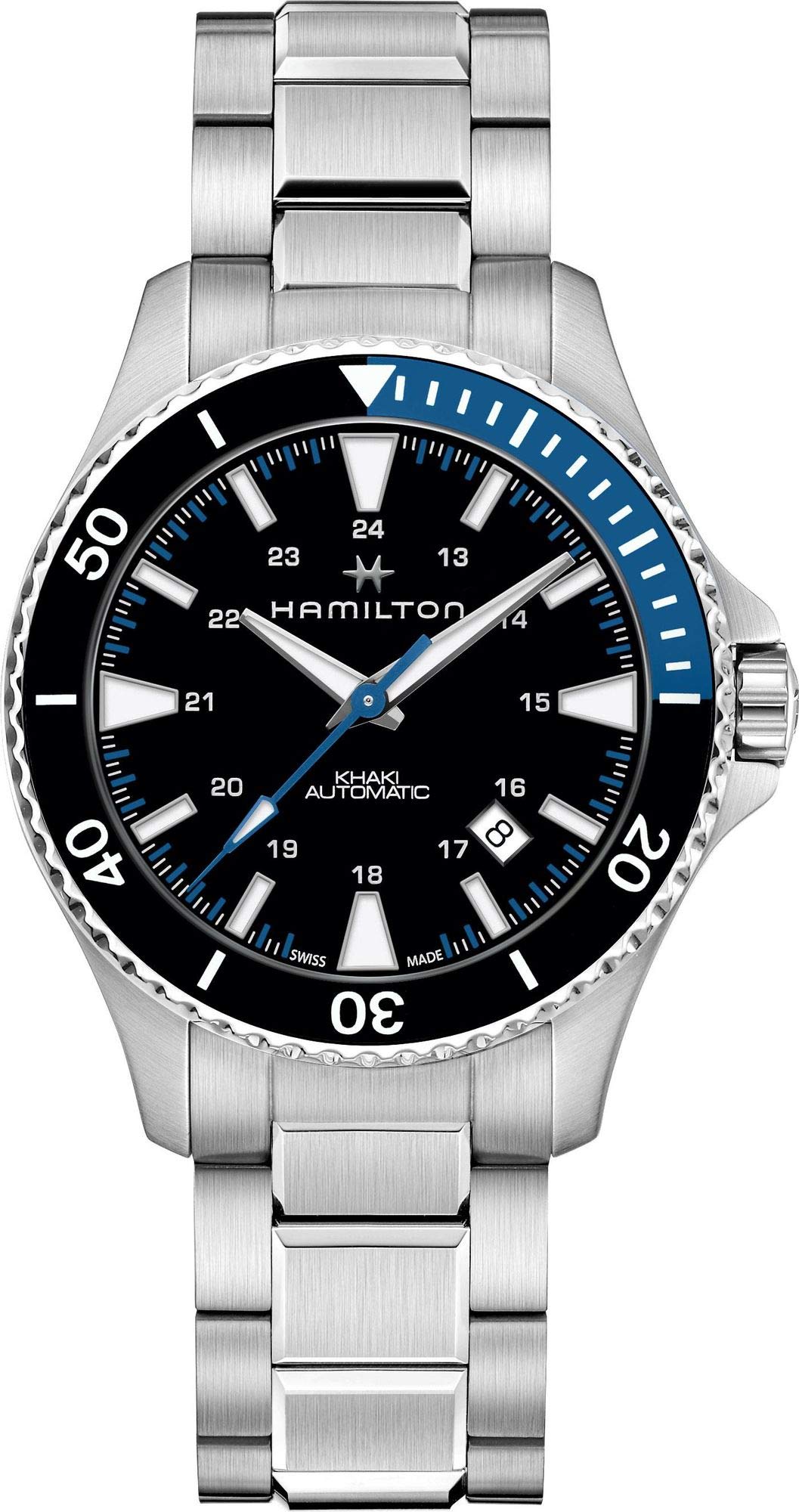


Budget Profiles at a Glance
Judge every listing against the profile for its price band. A watch that falls short of its own tier's profile is easy to spot in the product table above, whatever the brand name on the dial.
Best Budget Profile
The budget profile, around $300 to $800, suits a first serious watch. Expect a stainless steel case, a reliable quartz or entry automatic movement, and a mineral or entry sapphire crystal. Finishing is clean rather than lavish, and water resistance usually covers daily wear and rain. The strength of this tier is honest value: you get the 40mm proportions and a respected name without paying for hand finishing you cannot see. The limit is resale value, which stays modest, and servicing options may be limited to the brand's own centers.
Best Midrange Profile
The midrange profile, around $800 to $2500, is where most buyers should land. Expect a proven automatic movement with a longer power reserve, a sapphire crystal, solid bracelet links, and water resistance of 100 meters or more. Dial finishing, lume quality, and case polishing all step up in ways you notice daily. This tier also brings stronger warranties and wider service networks in the United States. The limit is that prestige names still cost extra here, so a lesser known maker often gives you more watch for the same money.
Best Premium Profile
The premium profile, around $2500 to $8000 and beyond, buys heritage, finishing, and movements made or refined in house. Expect hand applied indices, beautifully finished cases, and movements visible through a display back on many models. Ownership perks grow too, with longer warranties and priority servicing. If you are comparing across the wider market, our guide to the best luxury watches shows how this size competes with larger and smaller cases. The limit is simple: gains become about craft and pride of ownership, not basic timekeeping, which midrange watches already handle well.
What Your Money Gets You at Each Price Tier
Each tier solves a different problem. Match the tier to how you will wear the watch, how long you plan to keep it, and how much servicing you are willing to arrange over its life.
Budget Tier: What to Expect
At around $300 to $800, your money buys correct basics: an accurate movement, a steel case, and a dial that stays legible. Brands cut costs on bracelet clasps, box presentation, and movement decoration, none of which affect daily use much. Quartz dominates here because it keeps prices low and accuracy high. This tier suits buyers who want one handsome watch for work and weekends. Skip any model in this range that still uses a base metal case or a plastic crystal, because steel and mineral glass are realistic expectations at this price.
Midrange Tier: The Sweet Spot for Most Buyers
At around $800 to $2500, nearly every dollar shows on the wrist. Sapphire crystal resists scratches for years, automatic movements gain smoother sweeps and longer reserves, and bracelets use solid links that feel dense rather than hollow. Water resistance of 100 to 200 meters makes swimming worry free. This is also the tier where best men's luxury watches from established Swiss and Japanese makers cluster, which means real competition and fair prices. For a watch you plan to keep for a decade, this tier offers the strongest balance of quality, service access, and cost.
Premium Tier: When Spending More Pays Off
Above around $2500, you pay for finishing hours, brand heritage, and movement craft. Cases show polished and brushed surfaces that meet in crisp lines, and dials gain depth that photos rarely capture. These watches also hold value better, especially from makers with controlled production. Spending more pays off if you wear the watch daily for years and value the craft each time you glance at it. It pays off less as a pure investment, since most models still lose value the day you buy them, so buy the one you love wearing.
Features Worth Paying For (and Ones to Skip)
Some upgrades change daily life with the watch, while others only change the brochure. Spend on the first group and let the second group go.
Case Size and Wrist Fit
A 40mm case diameter fits most wrists from about 6.25 to 7.5 inches around, but lug to lug length decides comfort more than diameter does. Look for a lug to lug span under about 48mm if your wrist is slim, and try the watch with a shirt cuff before you commit. Thickness matters too: dress styles sit near 10mm, while divers reach 13mm or more. If 40mm still feels large, our guide to the best luxury watches under 40mm covers smaller cases with the same luxury features, and shoppers comparing sizes directly can read our guide to the best 40mm watches for non luxury options at the same diameter.
Brand Reputation, Warranty, and Value
A luxury watch is a decades long purchase, so the maker must outlast your enthusiasm. Favor brands with United States service centers, published service prices, and warranties of at least two years, with five years now common at midrange and above. Strong resale value follows brands with steady demand and controlled discounting. Keep the box, papers, and service receipts, because complete sets sell faster and for more. A famous name with poor local service is a worse buy than a quieter brand that a local watchmaker can maintain easily.
Movement Type (Quartz, Automatic, Solar, Smart)
The movement shapes cost, accuracy, and upkeep. Quartz is the most accurate and the cheapest to own, needing only a battery change every two to three years. An automatic movement appeals to buyers who enjoy mechanical craft, and it needs servicing about every five to seven years. Solar movements remove battery changes almost entirely and suit low effort ownership. Smart features belong on a different kind of watch entirely: if you want notifications and GPS, buy a smartwatch as a second device rather than paying luxury prices for tech that ages in three years.
Water Resistance Rating
Water resistance labels confuse many buyers, so read them literally. A 30 meter rating means splashes and rain only, despite the number sounding deep. At 100 meters you can swim with confidence, and 200 meters suits recreational diving. Crowns that screw down add real security at any depth. Remember that ratings assume new seals, so have gaskets checked every few years, especially on a watch you swim with. Paying for 200 meters on a dress watch you never swim in is money better spent on a better bracelet or crystal.
Long Term Costs to Factor In
The purchase price is only part of ownership. An automatic watch needs a full service about every five to seven years, often around $300 to $800 depending on the brand and complications. Quartz models need battery changes and seal checks, usually under $100. Bracelet sizing, strap replacements in leather at around $50 to $200, and insured shipping for service all add up. Premium brands charge premium service prices, so a watch that costs twice as much may cost twice as much to maintain. Add a rough ten year service estimate to each price tag before you decide which tier truly fits your budget.
Frequently Asked Questions
Quartz or automatic: which is better for a luxury watch?
Neither is better for everyone. Quartz wins on accuracy, thinness, and low upkeep, and it suits a watch you wear in rotation without wanting to set it each time. Automatic wins on craft and the smooth sweep many buyers love, at the cost of periodic servicing. In luxury tiers the case and dial quality matter more than the movement type, so choose the movement that matches your habits and your tolerance for maintenance.
Is a smartwatch worth it over a classic watch?
A smartwatch is worth it for fitness tracking and notifications, but it is not a substitute for a classic luxury watch. Its screen and battery age within a few years, and it carries no lasting value. A classic 40mm watch works for decades and suits formal settings a glowing screen cannot. Many owners keep both: the smartwatch for workouts and travel days, and the classic watch for work, dinners, and any outfit that calls for quiet polish.
How water resistant should a 40mm luxury watch be?
Aim for 100 meters if you swim or shower with your watch, because that rating covers real immersion without worry. A 30 to 50 meter rating is fine for office wear, rain, and hand washing, as long as you keep the watch out of pools. Divers and frequent swimmers should choose 200 meters with a screw down crown. Whatever the rating, avoid hot showers, since heat and soap can age the seals that keep water out.
How long does a watch battery last in a quartz luxury watch?
Most quartz luxury watches run two to three years on one battery, and some high efficiency movements stretch to five years. A seconds hand that jumps in long steps is the classic warning that the battery is nearly empty. Have the battery changed by a watchmaker who can also test the seals, rather than a mall kiosk, because one careless case opening can ruin the water resistance you paid for. Expect the service to cost well under $100.
What case size fits my wrist besides 40mm?
Measure your wrist and compare it with the lug to lug span, not just the diameter. Wrists under about 6.25 inches often look best at 36 to 38mm, while wrists over 7.5 inches can carry 42mm easily. Also consider who else may wear the watch: our guide to the best luxury watches for women explains how the same 40mm case reads differently with slimmer straps and lighter dials. Trying two sizes side by side settles the question faster than any chart.
The Bottom Line
Pick your tier first, then judge fit, movement, and service support inside it. Most buyers get the most watch from the midrange, while premium prices reward craft lovers who wear one piece daily. Whichever tier you choose, the best 40mm luxury watches share honest materials, a sapphire crystal, and a maker who will service them for decades. Compare your finalists in the product table above before you buy.