Best 400g Hunting Boots in 2026: Which Type Is Right for You?
Disclosure: We may earn a commission when you buy through links on this page, at no extra cost to you. As an Amazon Associate I earn from qualifying purchases. Learn more

Compare types of best 400g hunting boots by insulation, shaft height, waterproofing and fit, plus sizing and care tips for cold weather hunts.
Four hundred grams of insulation sounds like a single clear choice, yet boots built around that rating feel very different on your feet. Height, upper material, sole grip and fit change how warm and steady each pair feels. The best 400g hunting boots for you match your hunting style first, and you can check the options in the comparison table below.
A hunter who walks ridges all morning needs warmth that works while moving and vents heat on climbs. A hunter who sits still for hours needs the same insulation to work at a much slower pace. This guide compares the main types so you can choose with confidence.





Types of 400g Hunting Boots Compared
Start with how you hunt, because the type decides almost everything else. When you shop for best 400g hunting boots, treat the insulation rating as the starting point and the boot style as the real decision. The three types below cover most cold weather hunts.
Tall Leather and Synthetic Boots for Active Hunts
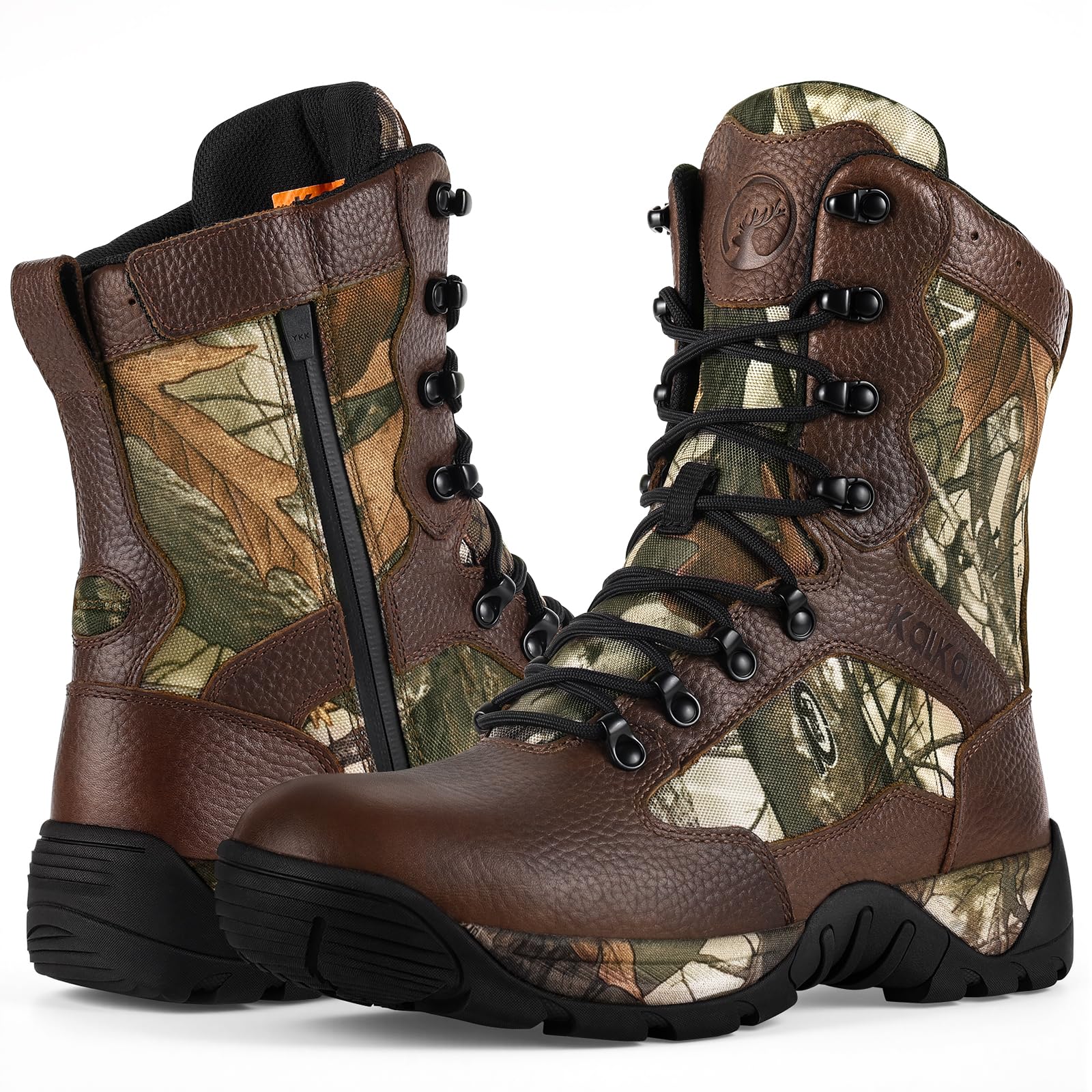
These boots usually stand about 8 to 10 inches tall, with uppers that mix leather panels and woven synthetic fabric. The leather adds structure around the ankle, while the synthetic panels cut weight and dry faster after creek crossings. They suit spot and stalk hunts, upland fields and broken timber where you walk most of the day. Choose this type for one versatile pair, and expect a short break in period before the leather softens.
Rubber Boots for Wet Ground and Sitting Hunts
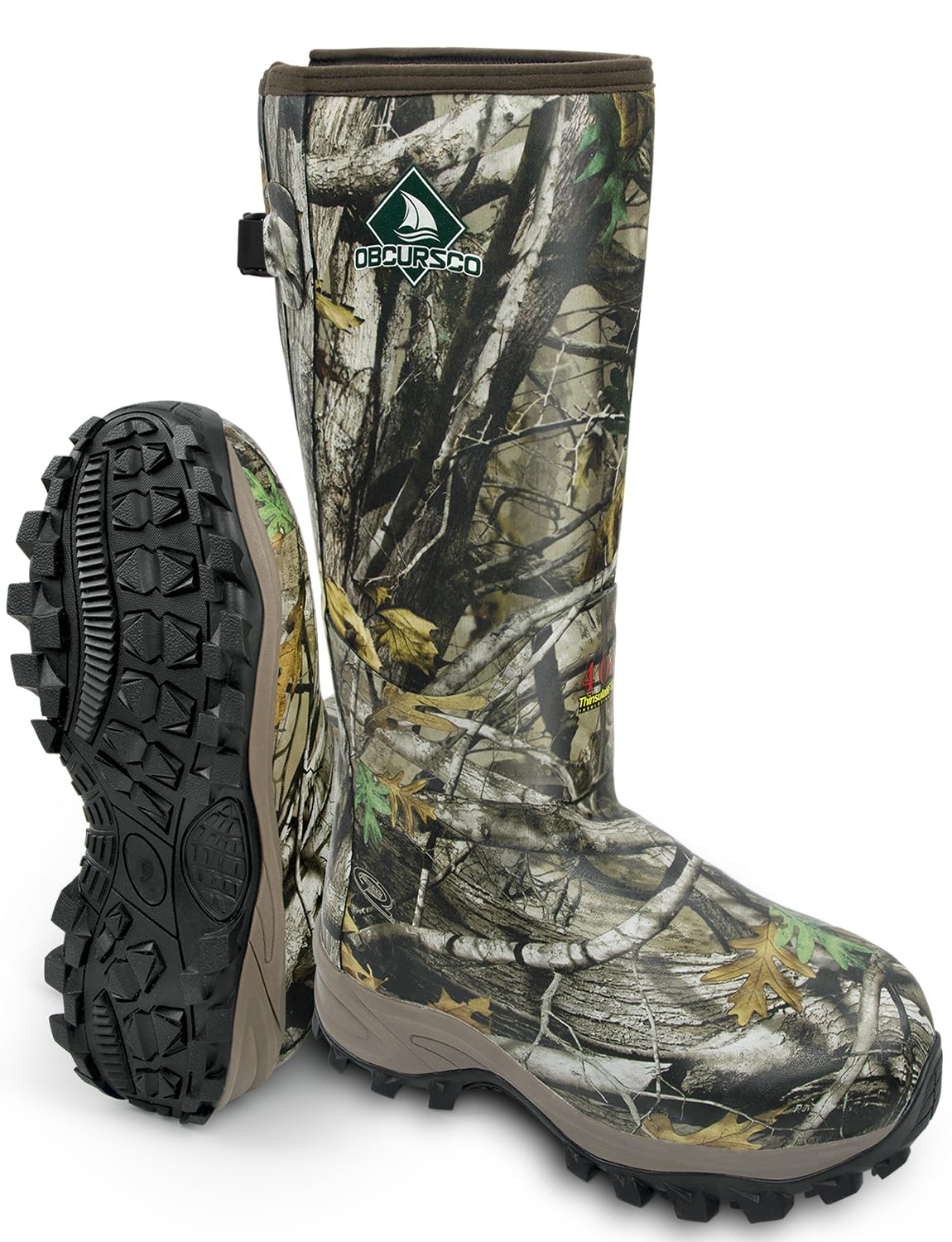
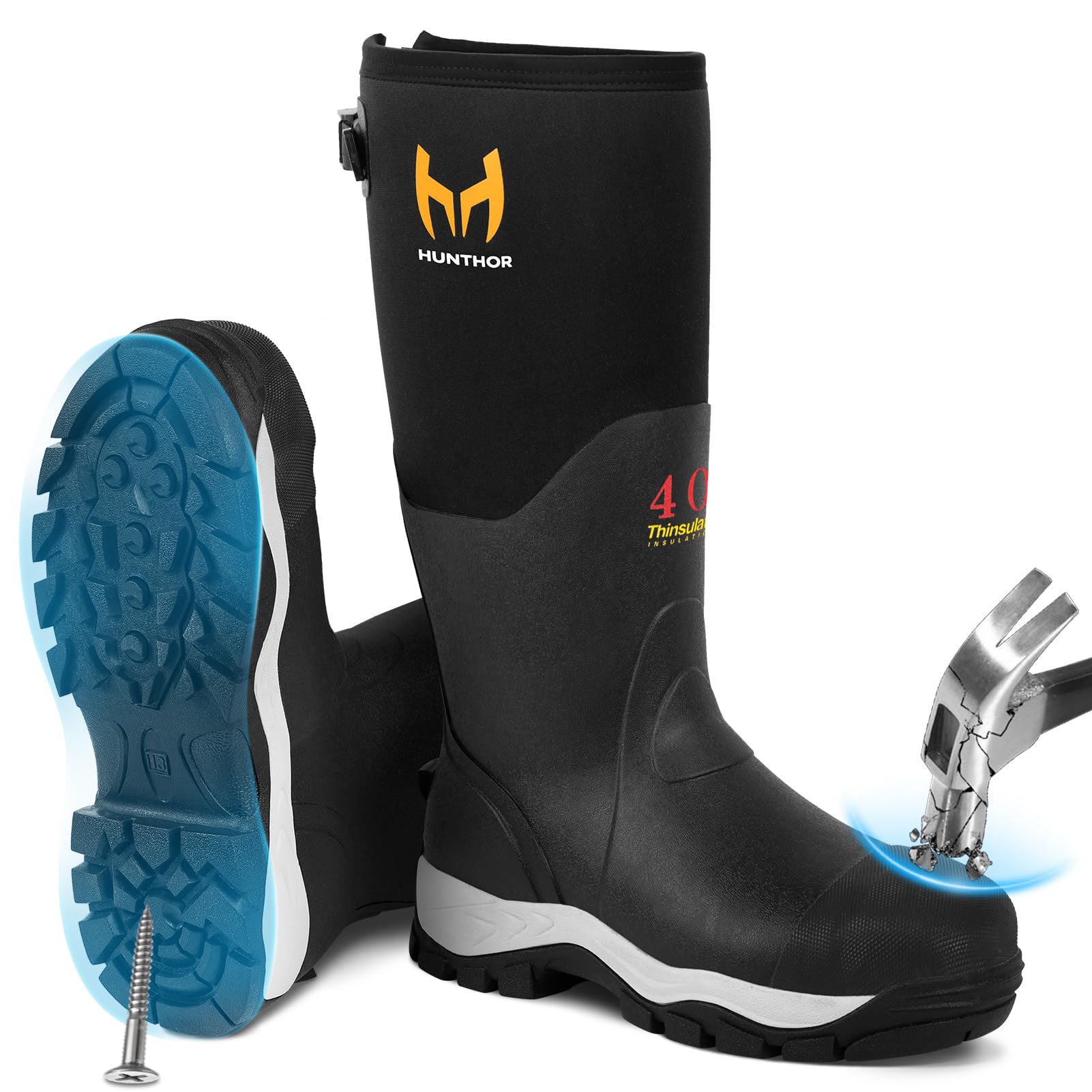
Rubber boots use a waterproof rubber lower section with an insulated upper, often in neoprene, and they pull on without laces. The seamless lower sheds swamp water, mud and wet snow, and the smooth surface rinses clean at the truck. They work well for marshes, flooded timber and short walks to a stand. For a closer look at that style, see our guide to the best rubber hunting boots. Fit runs looser, so many hunters add a thick sock.
Lower Cut Boots for Mild Cold and Long Miles
Lower styles, often about 6 to 7 inches tall, carry the same 400 gram insulation in a lighter and more flexible package. They feel closer to a sturdy hiking boot, with quicker steps on dry trails and less bulk under brush pants. They suit cold mornings that warm by midday, plus long walks on firm ground. They give up ankle coverage in deep snow, so gaiters help when grass is wet or snow reaches the cuff.
Active Walking Versus Sitting Still: Which 400g Boot Fits Your Hunt?
Your pace changes how 400 grams of insulation performs, more than any label on the box. Walking builds body heat, so an active hunter stays warm in this rating across most cool and cold days. A still hunter loses heat steadily, because feet rest on cold ground or a metal stand and blood flow slows. If you mostly sit, treat 400 grams as a mild to moderate cold choice and plan heavy socks and a warm pad under your boots. If you mostly walk, this rating often feels balanced at rest stops and on climbs.
How to Choose the Right 400g Hunting Boot
Work through these factors in order.
Insulation Level and Your Activity
The 400 gram figure describes the weight of insulation in the boot, and it sits in the middle of the range sold for hunting. Boots with 800 grams or more suit bitter cold and long sits. Your socks and local weather shift the result, so think in terms of activity rather than a fixed temperature promise. Active hunters generate heat and value a breathable lining, while still hunters should size up for air space and heavier socks.
Waterproofing and Breathability
Most boots in this class use a waterproof membrane behind the upper, and options such as Gore Tex aim to block outside water while letting sweat vapor escape. Sealed seams and a gusseted tongue keep water out when you cross shallow creeks or kneel in wet grass. Breathability still has limits, so feet can feel damp from sweat on a hard climb even when no leak exists. If your hunts cross water daily, favor rubber or fully sealed uppers.
Cushioning, Arch Support and Stability
A cushioned midsole softens rocky ground and long descents, while a firmer midsole feels steadier with a heavy pack. Arch support should match your foot shape, so flat feet often need a supportive insole and high arches need more cushion under the heel. A modest heel to toe drop and a stiff heel counter help your foot land in line on side slopes, which adds stability when the ground tilts.
Outsole Traction and Terrain
The outsole decides your grip long before insulation decides your warmth. Deep lugs, often about 4 to 6 mm, bite into mud, leaf litter and light snow, and wide spacing between lugs sheds mud as you walk. Softer rubber grips wet rock better but wears faster on gravel, while harder rubber lasts longer and can feel slick on ice. Look for a defined heel edge for braking on steep descents. On glare ice, add traction devices rather than trusting any lug pattern.
Fit, Sizing and Toe Box Room
Try boots late in the day, when your feet are at their largest, and wear the exact socks you plan to hunt in. You want about a thumbs width of space in front of your toes, because feet swell on long walks and toes jam on descents in a short boot. The heel should lift only slightly, and the toe box should let toes spread without squeezing the sides. For options made for male hunters, see our guide to the best hunting boots for men, then confirm your size with a downhill step test.
Upper Material, Shaft Height and Break In Time
Full grain leather resists brush well, but it needs several short walks before it flexes easily, often about 10 to 20 miles of use. Synthetic uppers feel softer sooner and weigh less, though sharp rock and briars wear them faster. Taller shafts guard the calf from snow, water and brush, while shorter shafts feel cooler and lighter. Choose height by your deepest usual crossing or snow depth, not by looks, because extra height still adds weight to every step.
Common Mistakes to Avoid
- Buying 400 gram boots for long still sits in severe cold leaves your feet chilled within the first hour.
- Choosing your street shoe size without thick socks makes the boot too tight and cuts the warm air space inside.
- Wearing cotton socks traps sweat against your skin and makes insulated feet feel cold on the walk out.
- Skipping the break in period before a big hunt causes heel blisters that can end the trip early.
- Judging traction on dry store floors tells you nothing about mud, wet leaves or light snow.
- Leaving wet boots beside a hot stove cracks leather and can damage the waterproof membrane.
Care and Maintenance for 400g Hunting Boots
Brush off mud after each hunt and rinse the outsole lugs with plain water so packed dirt does not harden and reduce grip. Pull the insoles out, loosen the laces, then air dry the boots at room temperature away from direct heat. A small fan speeds drying without harming leather or adhesives.
Condition leather uppers once they look dry or pale, following the maker directions, and keep conditioner off fabric panels. Check seams, lace hooks and sole edges each season, and retire a pair when the midsole feels packed flat or the lugs no longer edge into soft ground. Store boots upright in a cool dry place. For the broader category beyond this insulation level, see our guide to the best hunting boots before your next pair.
400g Hunting Boots: Your Questions Answered
Can I wear 400g hunting boots all day during a hunt?
Yes, you can wear 400g hunting boots all day if the fit is right and you manage moisture. Change into dry socks at midday on warm days, because sweat from a morning climb will chill your feet during an afternoon sit. Loosen the laces during long rests to restore blood flow, then retighten before you walk.
How should 400g hunting boots fit with heavy socks?
400g hunting boots should feel snug at the heel and midfoot, with clear space at the toes, when you wear your heaviest hunting socks. Bring those socks to any fitting, since a padded merino sock can take up half a size. If your toes touch the front while you stand, go up a size rather than hoping the boot will stretch.
Are 400g hunting boots warm enough for sitting in a stand?
400g hunting boots can work for stand hunting in moderate cold, but they are rarely enough for long sits in deep winter. Add an insulated boot cover or a foam pad under your feet, because cold rises from a metal platform fast. Wiggle your toes every few minutes to keep blood moving during long waits.
Do I need waterproof 400g hunting boots for wet ground?
You need waterproof 400g hunting boots if your route crosses creeks, swamps or wet snow, because soaked insulation loses warmth fast. Note the top of the shaft, since water that pours over the cuff bypasses any membrane in seconds. In flooded spots deeper than the shaft, rubber boots or hip waders are the honest answer.
How long do 400g hunting boots usually last?
400g hunting boots often last several seasons of regular hunting, and the insulation usually outlasts the outsole and midsole. Watch for a midsole that feels harsh on gravel and for lugs worn smooth at the heel, since those signs arrive before the upper fails. Rotating two pairs lets each pair dry fully and can extend the life of both.
Final Thoughts
Choose by pace, water and fit, in that order. An active hunter needs breathability and support, a still hunter needs room for heavy socks, and every hunter needs a sole that grips their ground. Use the product table above to compare height and weight against those needs.
When you judge best 400g hunting boots by how you hunt rather than by the label alone, the right type becomes much easier to spot. Pick the pair that fits your socks and your ground, break it in early, and it will serve many cold mornings.