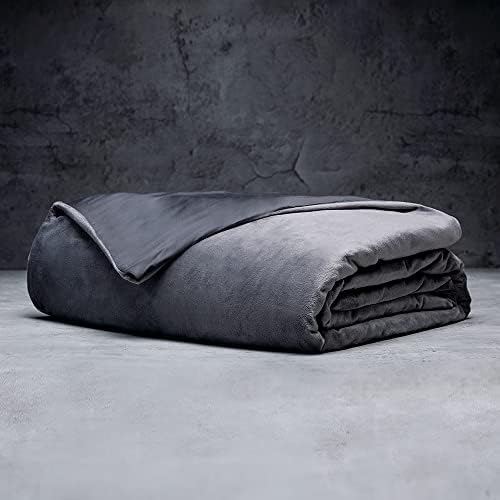
Best 4 Inch Mattress Toppers (2026): Types Compared and Buying Guide
Disclosure: We may earn a commission when you buy through links on this page, at no extra cost to you. As an Amazon Associate I earn from qualifying purchases. Learn more

A practical guide to the best 4 inch mattress topper: memory foam, latex, and fiber fill toppers, plus firmness, cooling, and sizing.
A mattress that feels too firm or a little worn can leave you sore after a full night in bed. Choosing the best 4 inch mattress topper adds real cushioning and support, not just a thin layer of padding. The comparison table below sums up the main types, feels, and price bands so you can narrow your choice fast.
Four inches is the thickest common topper profile, so it changes how your bed feels more than a slim pad would. This guide explains who benefits most and how each material behaves. If you are still weighing whether you need a topper at all, start with our overview of the best mattress topper options at every thickness.
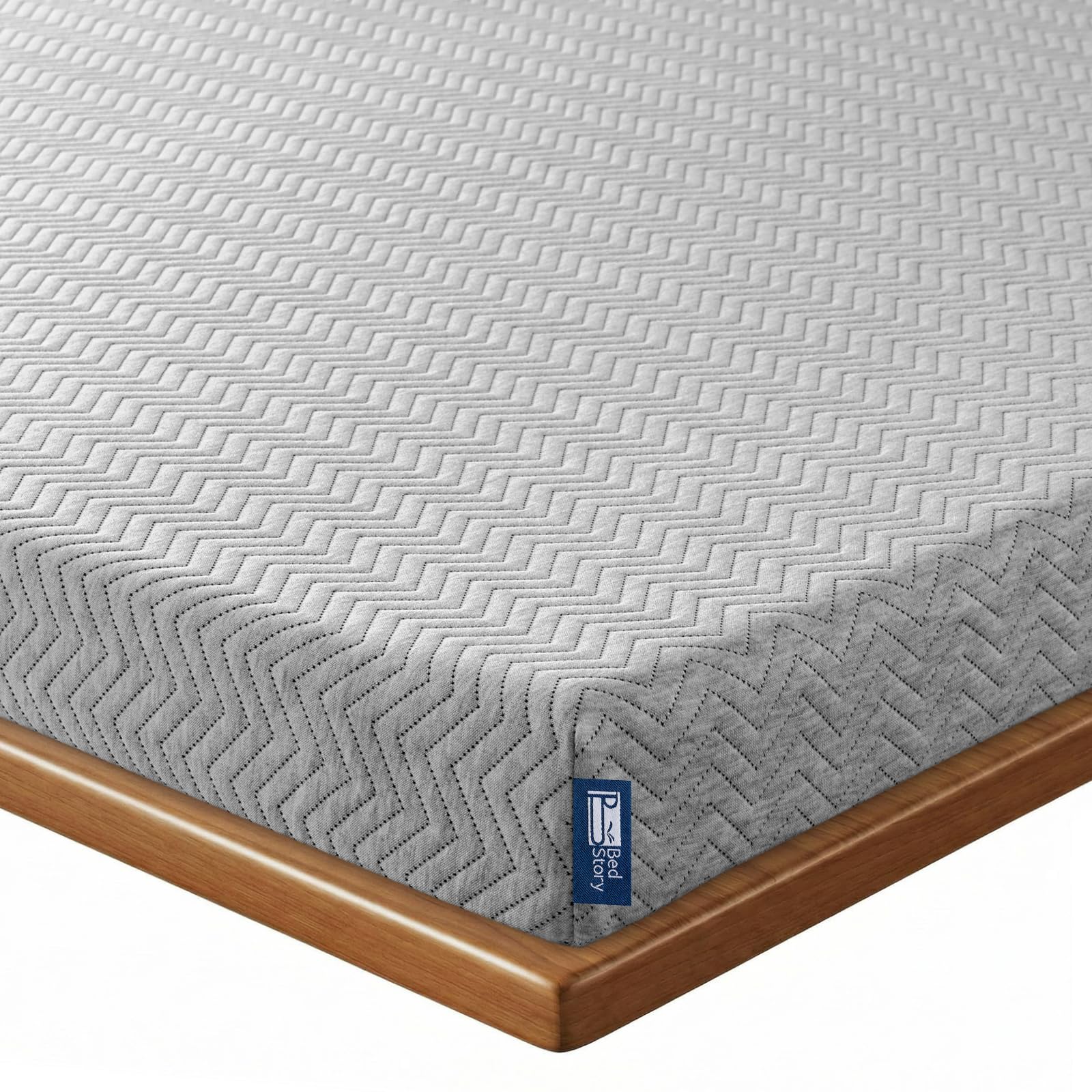
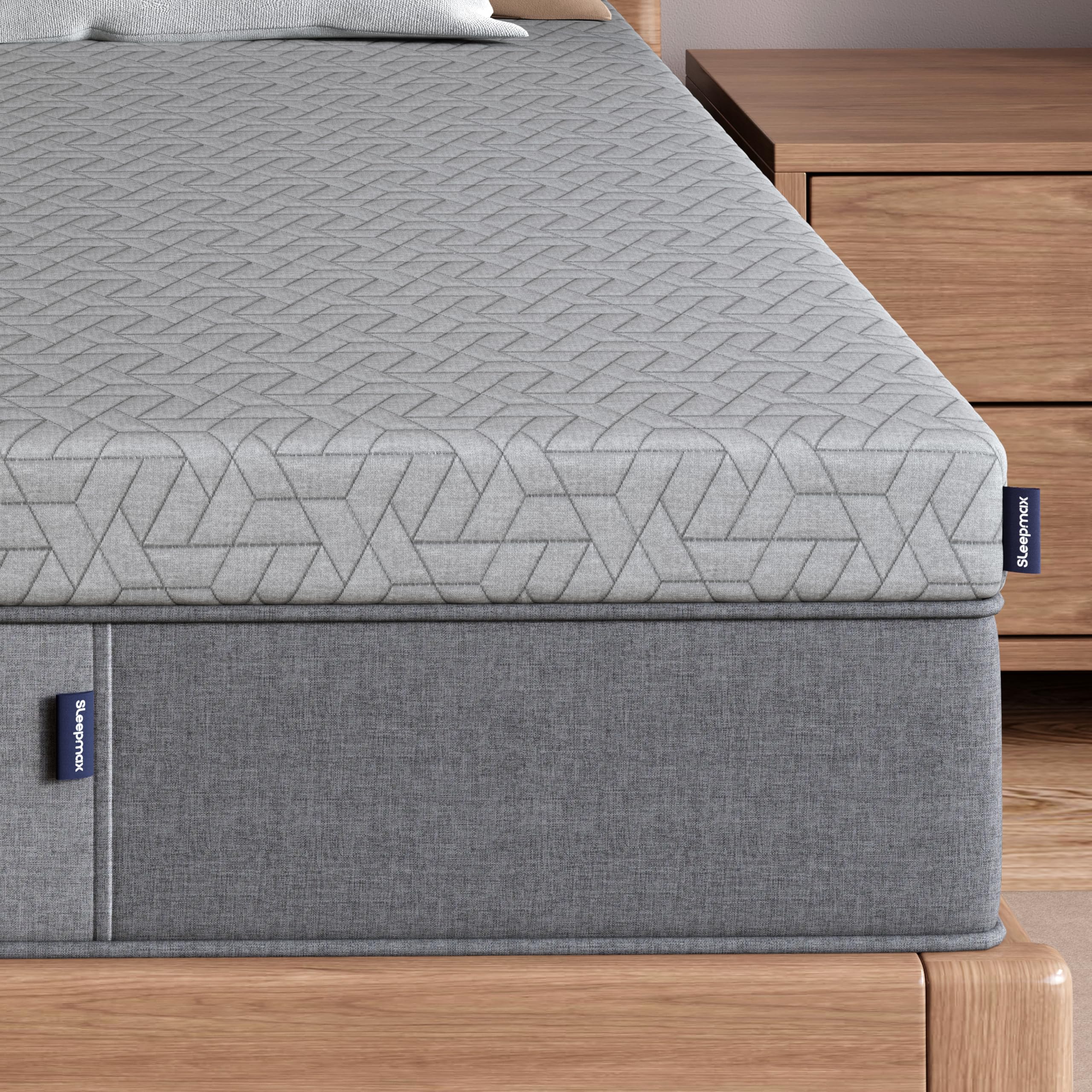

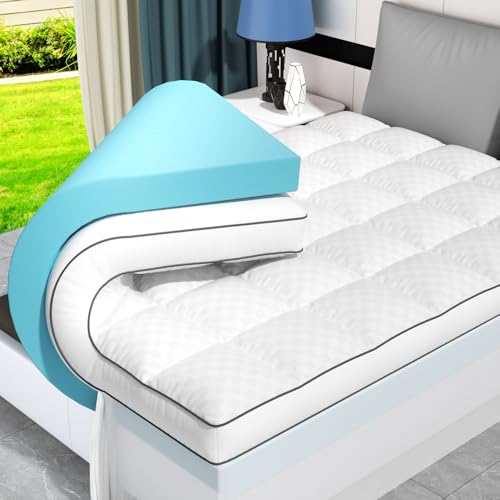
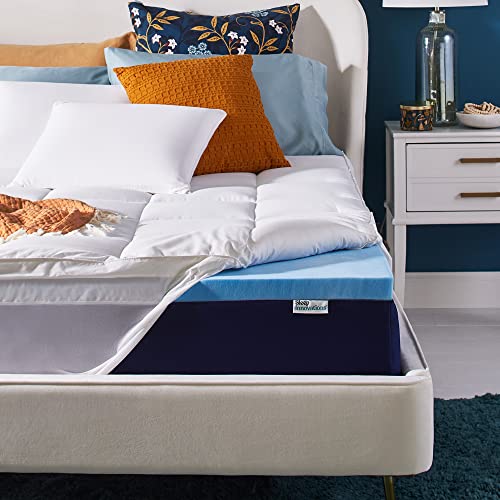

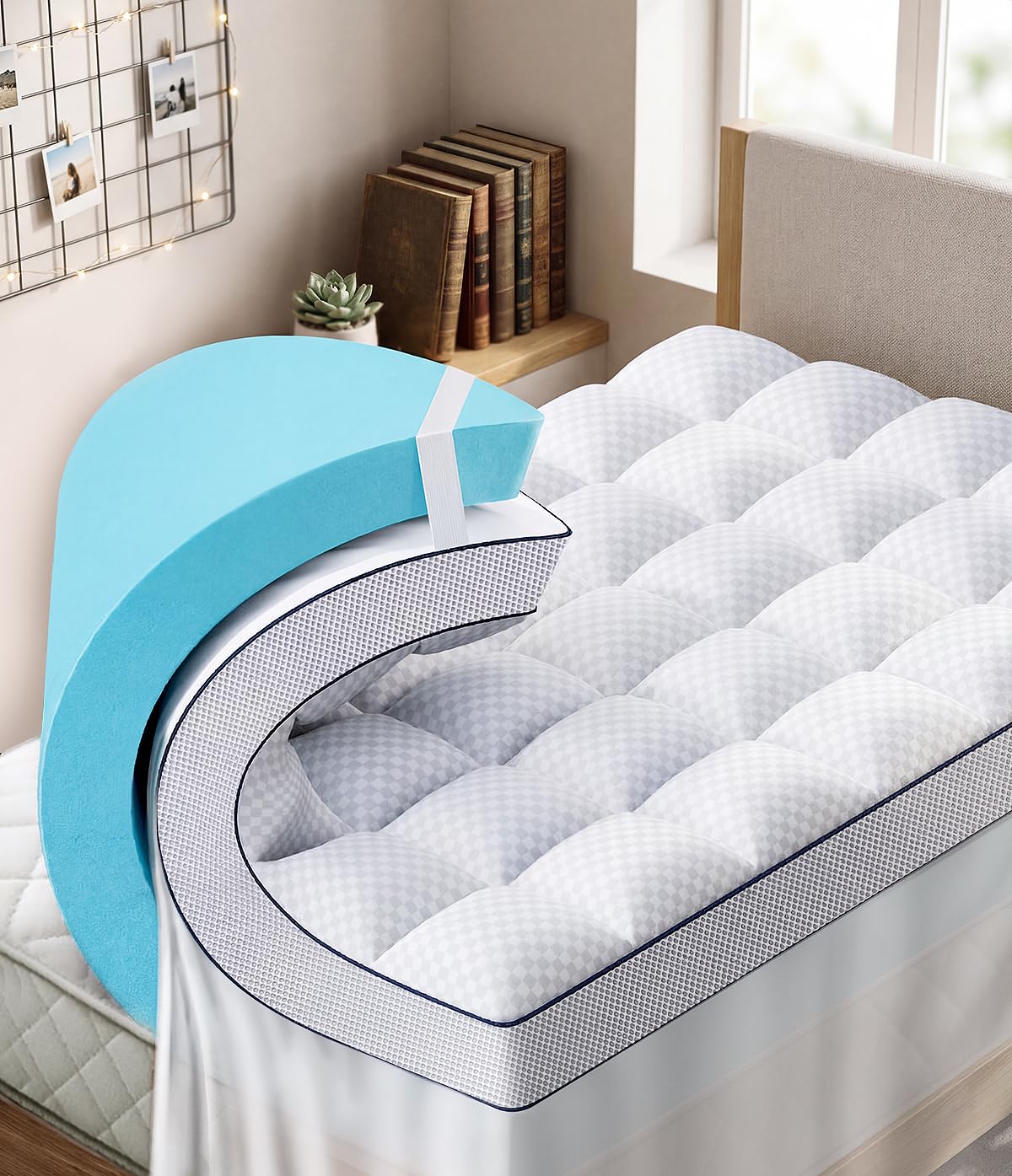
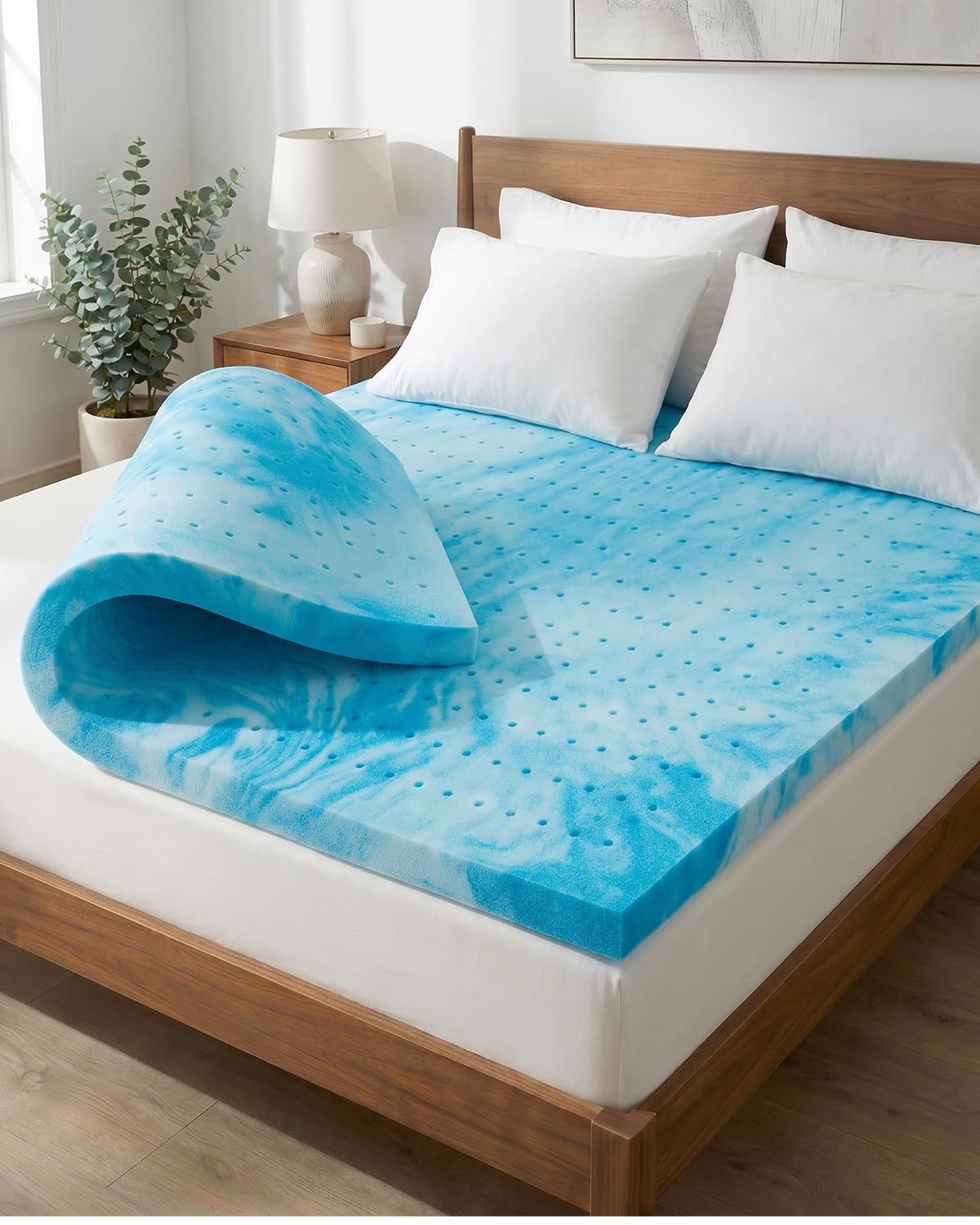
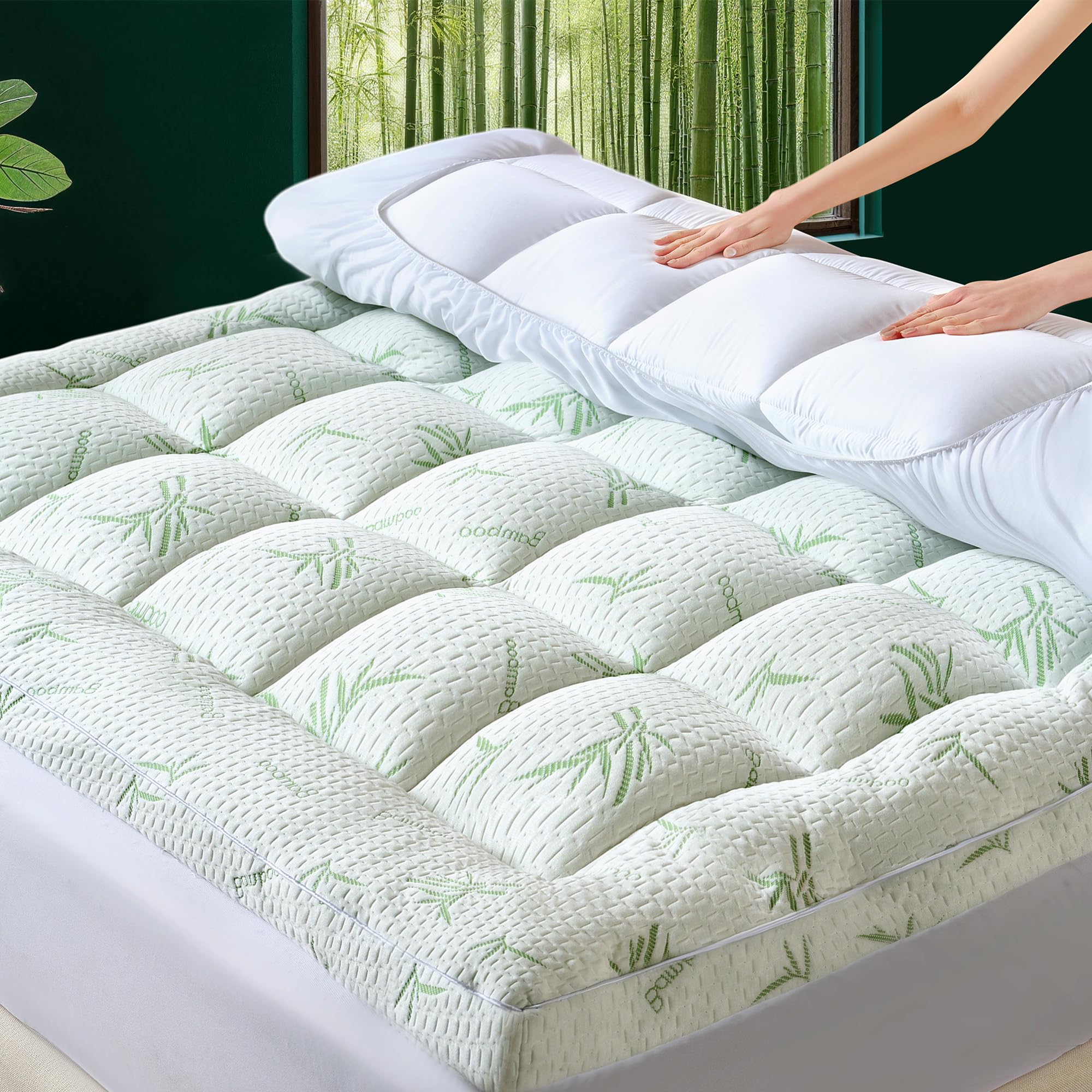
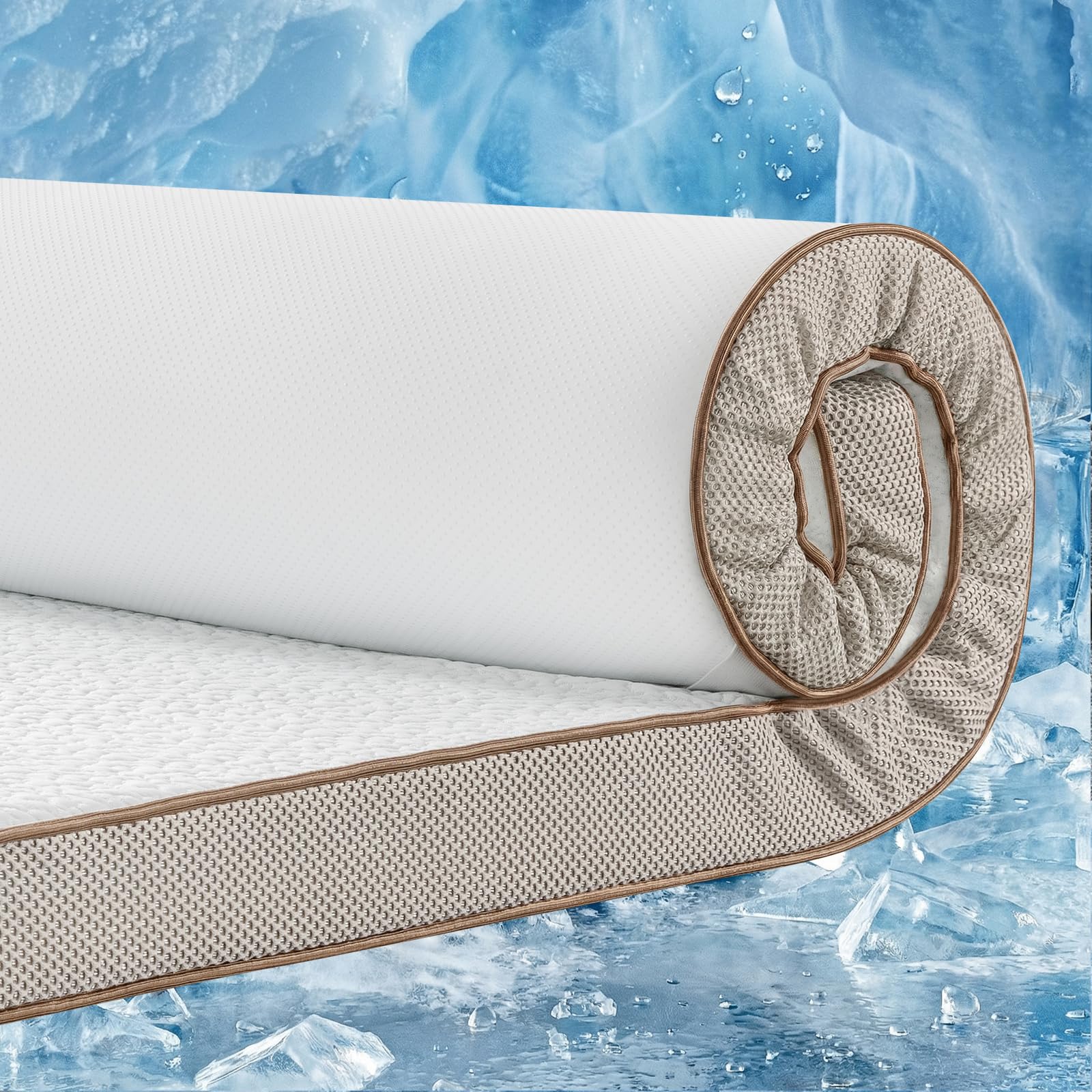
Who Should Buy a 4 Inch Mattress Topper?
The right buyer for this thickness wants a clear change in feel, not a subtle one. Your body weight, sleep position, and the condition of the mattress underneath decide whether four inches feels supportive or simply soft and sinking.
Side Sleepers on a Firm Mattress
Side sleepers rest most of their weight on the shoulder and hip, and a hard surface pushes back on both points all night. A plush or medium four inch layer lets those points sink in while the rest of the body stays level, which can ease morning stiffness. Choose a softer feel if you are lighter, because firm thick foam may not compress enough under a smaller frame.
Back Sleepers Who Want More Support
Back sleepers need the lower back held in line rather than cushioned into a deep curve. A medium firm four inch topper can add support on a mattress that has lost some shape, while still softening pressure under the heels and shoulder blades. If morning back ache is your main concern, see our guide to the best mattress topper for back pain before you settle on a firmness level. See a doctor if pain is sharp, spreads down a leg, or comes with numbness.
People Giving an Older Mattress More Life
A four inch topper can smooth out small surface dips and make a guest bed feel far more welcoming. It works best when the mattress below still has sound support and only the comfort layers feel tired. Measure total bed height first, because four extra inches can make a tall bed hard to climb into.
Is a 4 Inch Mattress Topper the Right Thickness for You?
A two inch layer mostly takes the edge off a firm surface, and a three inch layer adds clear cushioning while keeping the bed closer to its original height. Four inches goes further, reshaping the surface enough to change pressure relief, sink, and support in a way you notice the moment you lie down.
That depth has trade offs. A thick topper raises the bed, so fitted sheets need deeper pockets and your feet may not touch the floor when you sit on the edge. It also insulates more than a thin layer, which matters if you sleep warm. Heavier sleepers often use the full depth well, since their weight compresses the material further.
Types Compared: What Four Inches Can Be Made From
Material decides how that depth feels at 2 a.m., not just in the first minute. The three families below cover most of the market, and each suits a different kind of sleeper.
Memory Foam for Deep Pressure Relief
Memory foam softens where your body warms it and molds closely around curves, which spreads weight over a wider area. In a four inch slab that molding effect is strong, so it suits side sleepers and anyone who dislikes pressure points. The draw back is slower movement, since the foam takes a moment to recover when you roll over. Dense foam tends to last longer, while lighter foam feels plush right away and may soften sooner.
Latex for a Bouncier, Cooler Feel
Latex responds at once instead of molding slowly, so changing position feels easier and the surface feels lifted rather than sunk in. Natural latex comes from rubber tree sap, while synthetic latex and blends cost less. If you are torn between the two big foam families, read our breakdown of latex vs memory foam topper feel and durability. Latex is heavier, so a queen piece can take two people to position.
Fiber, Down Alternative, and Wool for a Softer Surface
Filled toppers use polyester fiber, down alternative fill, or wool batting inside a quilted cover, giving a cloud like surface rather than a shaped foam cradle. Four inches of fill feels generous at first, but fill compresses and shifts with use, so it gives less targeted support than foam or latex. Wool also handles moisture well, absorbing dampness while still feeling dry. These types suit people who want softness without sink.
How to Choose the Right 4 Inch Mattress Topper
Size and Form Factor
Match the topper size to the mattress size exactly, choosing from twin, twin XL, full, queen, king, and California king. A topper that stops short leaves a ridge you can feel, and one that hangs over will slide and bunch. Check the stated dimensions rather than the size name alone, because some makers trim a topper slightly smaller than the mattress. Confirm sheet pocket depth too, since four added inches often call for deep pocket sheets.
Firmness, Density, and Support
Firmness tells you how a topper feels, while density tells you how much material is packed into the foam and how well it should hold up. Two toppers can both feel medium yet age very differently if one uses denser foam. Stomach sleepers do better with a firmer surface that keeps the hips from dropping, and side sleepers do better with a softer one. Egg crate shaping softens the surface and adds airflow channels, with a little less support than a flat slab.
Sleep Position and Body Type
Your weight changes how far you sink into four inches of material. Sleepers over about 230 pounds often need firmer or denser foam so they do not press straight through to the hard mattress below. Lighter sleepers under about 130 pounds may find the same topper unyielding and should lean softer. Combination sleepers usually prefer latex or responsive foam, since a slow surface makes each turn feel like work.
Cooling and Breathability
Thick foam holds body heat, and four inches of it holds more than a thin layer would. Gel added to memory foam can make the surface feel cooler to the first touch, though the effect fades as the foam warms through the night. Holes, channels, and open cell structures move more air over a full night. Hot sleepers should read our guide to the best cooling mattress topper designs before choosing dense foam.
Cover, Straps, and Staying in Place
A removable cover you can wash protects the foam inside, which usually cannot go in a washing machine. Corner straps or a skirt that wraps under the mattress keep a heavy topper from creeping toward one side as you move. If spills, kids, or pets are part of daily life, see our roundup of the best waterproof mattress topper options for what to look for. Note that a waterproof layer can feel warmer and may crinkle slightly.
Materials, Certifications, and Trial Terms
Look for foam that carries the CertiPUR US mark, which means it was checked for certain emissions and content limits, and textiles checked under the OEKO TEX system for substances that touch skin. Trial terms matter here, because four inches is a big change you cannot judge from a photo. Favor a trial of at least a month and a warranty of several years, and keep the box until you are sure it suits you.
How Much Should You Spend?
Most four inch toppers fall between about $80 and $300, with size driving much of the gap between a twin and a king. Under about $100 you usually get basic foam or a filled design with a plain cover and a short warranty. Spending about $150 to $250 often brings denser foam or latex, a washable cover, and a longer trial.
Common Mistakes to Avoid
- Buying four inches to fix a broken mattress: a topper follows deep dips instead of filling them, so severe sagging still shows through.
- Ignoring total bed height: four added inches can strain hips and knees when you get in and out of a tall bed.
- Choosing softness by thickness alone: a firm four inch foam can feel harder than a plush two inch one.
- Skipping the sheet check: standard pockets often pop off the corners once a thick topper is added.
- Throwing away the packaging at once: foam needs a day or two to expand and air out before you can judge it.
- Ordering the wrong size name: twin XL and California king differ from standard sizes by several inches in length.
How to Make Your 4 Inch Mattress Topper Last Longer
Let a foam topper expand flat for a day or two before you sleep on it, since shipping compression takes time to release. Rotate it head to foot every few months so wear is shared, and use a washable cover from the first night. Vacuum the surface when you change sheets, and spot clean stains with mild detergent and water, then let the spot dry fully. Our advice on how to clean a mattress topper covers deeper cleaning by material.
FAQ
Can a 4 inch mattress topper fix a sagging mattress?
No, not when the sag is deep. A topper sits on top of the surface, so it settles into the same dip your body already makes and the low spot remains. It can mask shallow wear of about an inch or less. If you can see a clear hollow with no one on the bed, or you roll toward the middle, the support core has failed and a new mattress is the honest fix.
What size mattress topper do I need for a dorm bed?
Most dorm beds use twin XL, which is about five inches longer than a standard twin, so check the housing details before you order. Measure it yourself if you can, since some schools use standard twins. Also ask about loft height rules, because a four inch topper on a raised loft bed reduces the guard rail height above the sleeping surface. That clearance is a safety point, so confirm the rail still rises well above the topper.
How long does a 4 inch mattress topper last?
Most foam toppers give good service for about three to five years, while latex often lasts longer and filled toppers may flatten sooner. Clear end of life signs are lasting impressions, cracks at the edges, and a return of the aches the topper once eased.
Is a 4 inch mattress topper worth it compared with a new mattress?
It is worth it when the mattress below still supports you well and only the surface feel is wrong, since a topper costs far less than a comparable new bed. It is not worth it when coils poke through or the base sags badly. A useful test is to sleep one night with the mattress on the floor. If the ache eases there, the frame or foundation may be the real problem, and no topper will solve that.
How do you dry a mattress topper after spot cleaning?
Press the wet area with dry towels to draw out as much water as you can, then stand the topper on its long edge in a room with moving air from a fan. Foam holds water deep inside, and remaking the bed while the core is still damp invites a musty smell. Give it a full day or more, and feel the center of the cleaned area before remaking the bed.
Final Thoughts
Four inches is a bold change, and it pays off when you match the material and firmness to your sleep position and body weight. Use the product table above to compare types, then check size, sheet depth, and trial terms before you order. Chosen well, the best 4 inch mattress topper can make a sound but unforgiving mattress feel welcoming again, night after night.