
Best 4 in 1 Cribs (2026): Stages, Standards and Parts
Disclosure: We may earn a commission when you buy through links on this page, at no extra cost to you. As an Amazon Associate I earn from qualifying purchases. Learn more

Choose the best 4 in 1 crib with advice on stages, certifications, rails and total cost across all four stages.
A 4 in 1 crib promises years of use from a single frame, yet the details decide whether that promise holds up. Conversion kits sold apart, mattress heights that are hard to reach, and hardware that loosens can all turn a smart idea into a frustrating purchase. This guide explains how to judge the best 4 in 1 crib for your nursery by safety certification, conversion design, and everyday ease of use, and the comparison table below sums up the main types side by side.
Because the frame stays with your child from infancy into the school years, small choices matter more here than with a crib you plan to replace. Read on for the stages each model must handle and the limits that tell you when each stage ends.
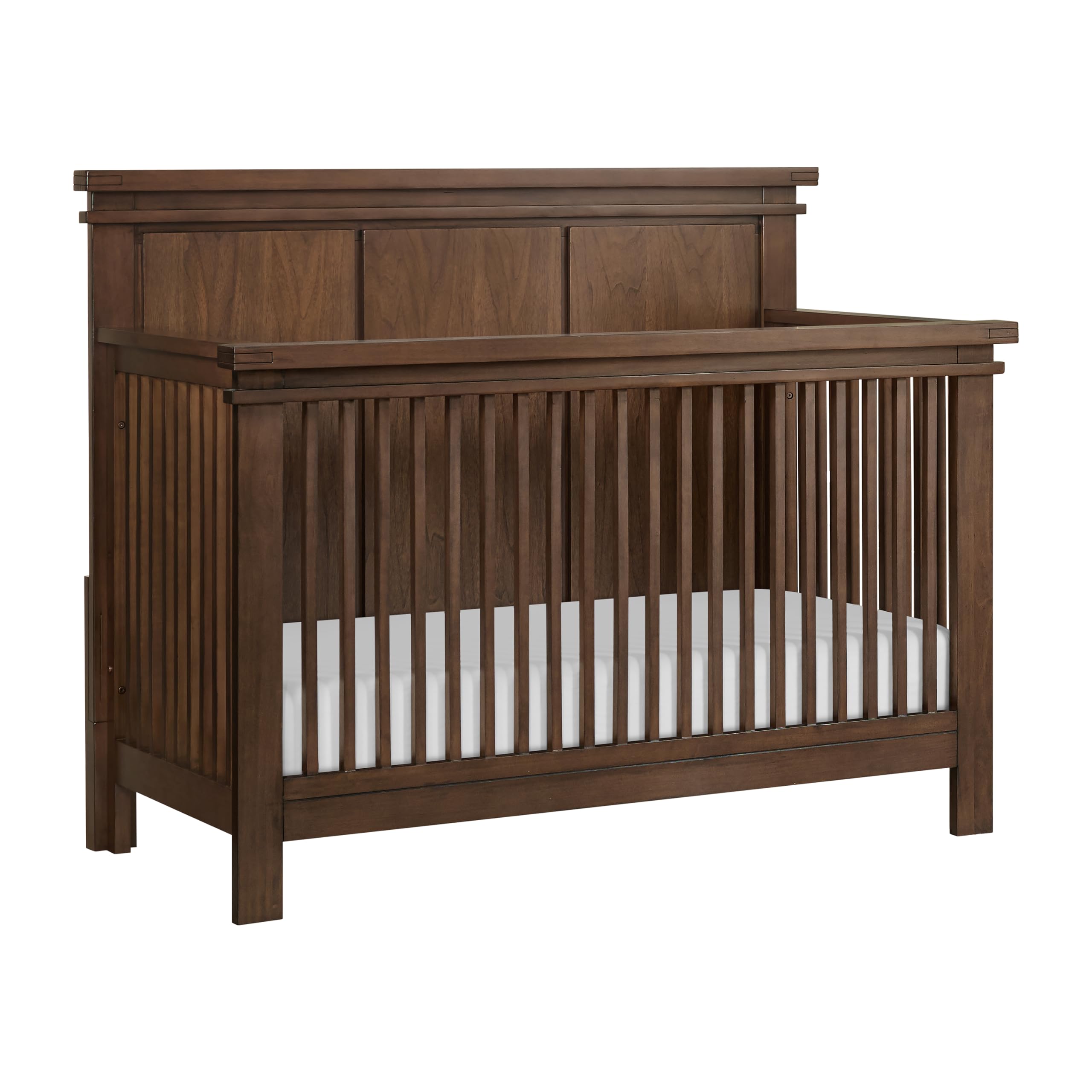


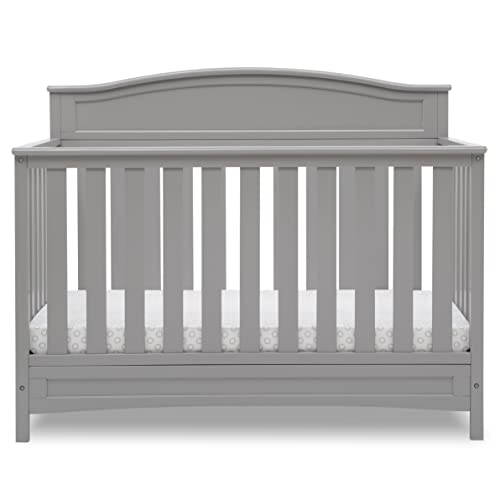


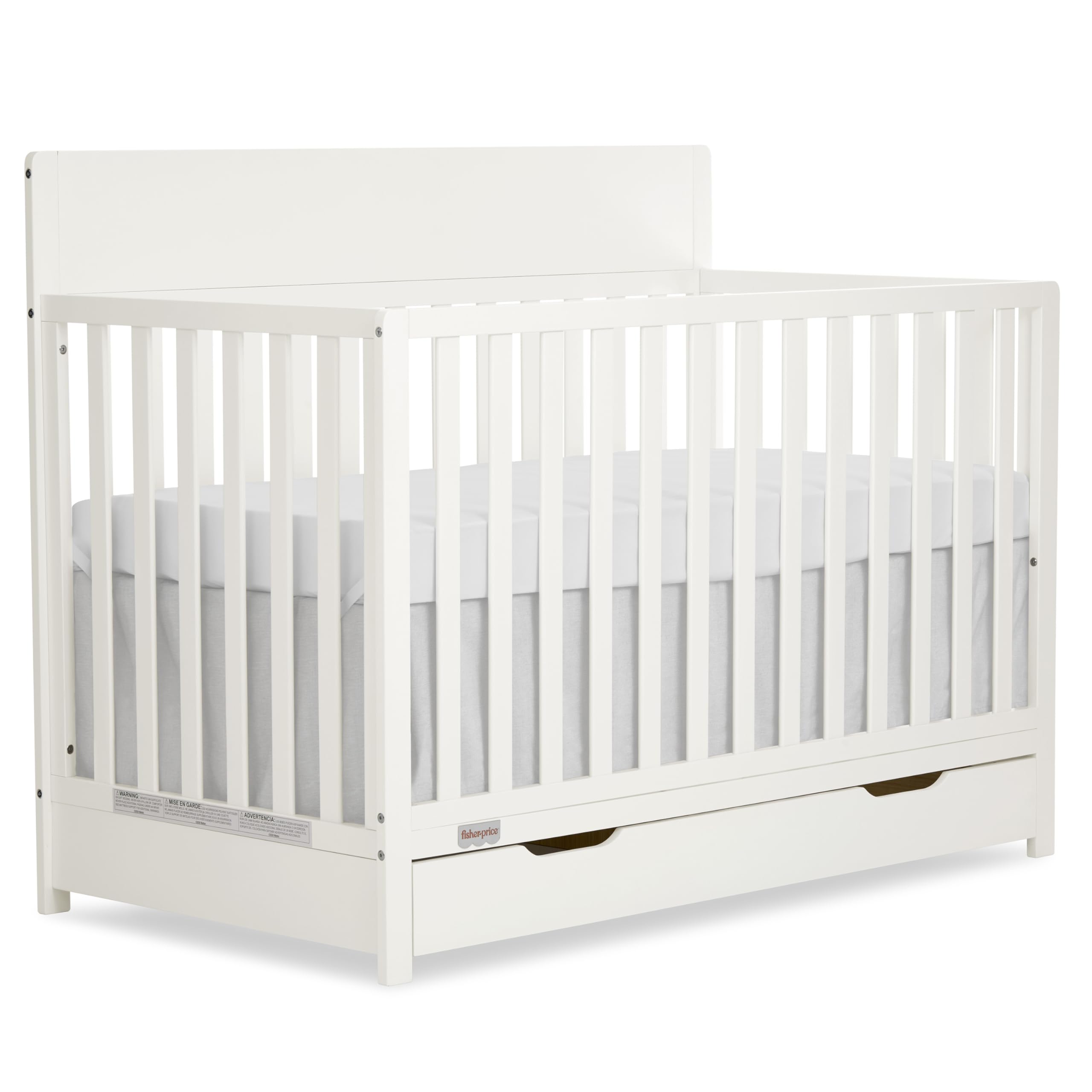
The Four Stages, and the Types Compared
Every 4 in 1 crib converts through the same four stages: a standard crib, a toddler bed, a daybed, and a full size bed. What differs between models is how each conversion happens, which parts are included in the box, and how sturdy the frame feels at each stage.
Stage One and Two: Crib and Toddler Bed
The crib stage needs an adjustable mattress support, usually with three or four height settings, so you can lower the mattress as your baby learns to sit and stand. The toddler bed stage swaps the front rail for a low guard rail. Some models include that rail, while others sell it apart, so check the box contents before you assume the second stage is covered by the price you see.
Stage Three and Four: Daybed and Full Size Bed
Removing the guard rail gives you a daybed, a simple open bed that suits preschoolers. The final stage adds a headboard and footboard to full size bed rails. Those rails are almost always a separate purchase, and they must match the bolt pattern of your frame, so buying them from the same maker while they are still sold is a wise move.
Solid Wood, Engineered Wood, and Metal Types
Solid wood frames feel the most rigid and tend to hold up best through repeated conversions, though they are heavier to move between rooms. Engineered wood with a wood veneer costs less and can look just as smooth, but edges chip more easily when hardware is refitted. Metal frames are lighter and simpler in style, yet fewer of them convert all the way to a full size bed, so confirm the fourth stage before choosing one.
How to Build Your 4 in 1 Crib Shortlist
Weigh five criteria drawn from manufacturer specifications and verified buyer feedback: safety standards and certifications, ease of use during conversion, overall size and weight, durability of the frame and finish, and value across all four stages rather than the crib stage alone. A model that looks like a bargain but needs costly rails later scores lower on value than its tag suggests. This is a criteria based comparison meant to help you read listings with sharper eyes.
How to Choose the Right Crib
Type
Start by confirming the crib truly converts four ways, since some listings blur 3 in 1 and 4 in 1 designs. A 3 in 1 usually stops at the daybed, while a true 4 in 1 adds the full size bed stage. If your nursery is tight, compare footprints against a dedicated best mini crib, and read our mini crib vs full crib breakdown before deciding, because a full size convertible needs room for its longest stage from day one. Portable and travel models serve a different job and rarely convert at all.
Features Worth Paying For
The features that repay their cost are a toddler guard rail included in the box, a mattress support with at least three height settings, and conversion rails that the maker commits to stocking for years. A storage drawer underneath helps in a small nursery, though it adds weight and one more part to keep clean. An attached changing table sounds handy, but it fixes the layout of the room and can crowd a small space, so treat it as optional rather than essential.
Safety Standards
Look for certification to the current federal crib standard from the CPSC and the ASTM standard for full size cribs, plus JPMA certification, which adds a third party check. Slats should sit close together as the standards require, corner posts should be flush or very tall by design, and the mattress must fit snugly as the maker instructions describe. Fixed sides are the rule now, so pass on any older design with a moving drop side, and check the model against the CPSC recall list before you buy or accept a used frame.
Age, Weight, and Height Limits
Each stage carries its own limit, and the maker manual states them per model. As a general guide, the crib stage ends when your child can climb out or reaches the height limit in the manual, whichever comes first. The toddler bed stage has its own weight limit, and the child should be able to climb in and out on their own before you convert. Follow the maker instructions if your toddler tries to climb the guard rail, and ask your pediatrician if you are unsure whether your child is ready for the open bed stage.
Portability and Fold
A 4 in 1 crib is a stay in place piece of furniture, not a folding travel product, and most weigh enough that moving one means taking it apart. If grandparents need a sleep space for visits, a dedicated folding model from our guide to the best crib options for occasional use may serve them better. Within a home, check whether the frame fits through your doorways when assembled, because the headboard and footboard panels are often wider than a standard interior door.
Cleaning
Daily care is simple: wipe spills promptly with a soft cloth and mild soap, then dry the surface so moisture does not sit in the joints. Check the finish for chips where teeth and toys strike the top rail, and do not sand or repaint with household paint. Use only a touch up product the maker approves, or leave small marks alone. Vacuum under the frame where dust gathers around the drawer and feet.
How Much Should You Spend?
Basic convertible cribs run about $150 to $300 and cover all four stages with simpler finishes and rails sold apart. The middle band, about $300 to $500, usually adds stronger hardwood, smoother conversion hardware, and the toddler rail in the box. Above about $500 you pay for design, premium finishes, and thicker posts rather than added safety, since every legal crib meets the same federal standard. Budget for the mattress, the toddler rail, and the full size rails as separate lines, because the complete four stage cost is what you are really comparing.
4 in 1 vs Other Cribs: Pros and Cons
The main advantage of a 4 in 1 crib is longevity: one frame follows your child for years, which spreads the cost and avoids shopping for a toddler bed during a busy season of life. The trade offs are real, though. The frame is large, later stages depend on parts staying available, and finish wear may show before the final stage arrives. Families expecting a second baby soon may prefer a standard crib they can hand down, a question our crib vs bassinet comparison and our notes on how to choose a crib explore from other angles.
- Pros: one purchase covers four stages, consistent look across childhood, strong resale or hand down value when parts stay complete.
- Cons: conversion kits add cost, larger footprint than a mini crib, finish wear shows by the final stage, and you cannot reuse the crib for a new baby while an older child still sleeps in it.
Common Mistakes to Avoid
- Assuming the toddler rail and full size rails are in the box, which leaves you hunting for parts years later when they may no longer be sold.
- Buying a mattress that leaves a gap at the sides, which goes against the fit guidance in the maker instructions.
- Keeping the mattress at its highest setting after your baby can push up on hands and knees, which goes against the maker instructions for lowering the mattress as your baby grows.
- Accepting a used crib without checking the CPSC recall list and confirming every bolt and bracket is present.
- Placing the crib against window cords, heaters, or shelving a standing child can reach, which the maker safety instructions advise against.
- Skipping the manual during conversion, because toddler bed and daybed stages use different hardware placements that guessing can get wrong.
How to Make Your Crib Last Longer
Store every conversion part in one labeled bag or box, taped to the frame underside or kept in the nursery closet, so nothing goes missing between stages. Recheck all bolts about every three months and after each conversion, tightening any that have worked loose, and stop using the frame if a slat cracks or a joint stays wobbly after tightening. Keep the manual with the hardware, note the model number and manufacture date in your phone, and order the full size rails early while the maker still stocks them. A fitted rail cover during the teething months protects the finish on the top rail, the spot that takes the most wear.
FAQ
What is the best 4 in 1 crib?
The right choice is the model that meets current CPSC and ASTM standards, includes or guarantees its conversion parts, and fits your room with space to walk around it. Prioritize a snug mattress fit and a sturdy feel at the rails over decorative details. Our crib buying guide walks through a room measuring checklist you can use before you order.
Are 4 in 1 cribs worth it?
They are worth it when you have one child using the frame in sequence and the space for its full size final stage. The math weakens when a second baby arrives soon, since the older child still occupies the frame. Count every conversion part in the total before judging value against buying separate pieces later.
How long does a 4 in 1 crib last?
Most children use the crib stage for about two to three years, the toddler and daybed stages through the preschool years, and the full size bed stage well into the school years. The limiting factor is usually wear to the finish and the condition of the hardware rather than the frame itself.
When should a child move from the crib stage to the toddler bed stage?
Convert when your child starts climbing out, reaches the height limit in the manual, or the top rail sits too low at its lowest mattress setting, as the maker instructions describe. Children are ready at different ages, so ask your pediatrician if you are unsure. If your child seems anxious about the open side, a few nights with the guard rail fitted and a familiar blanket often ease the change.
Can a 4 in 1 crib work in a small apartment nursery?
Yes, if you measure for the longest stage rather than the crib stage alone, because the full size bed footprint is what the room must ultimately hold. Choose a model without an attached changing table, keep the doorway path clear for the wide end panels, and skip the under crib drawer if your floor space is better used for a small dresser beside the crib.
What mattress does a 4 in 1 crib need?
It needs a standard full size crib mattress, firm and flat, that fits snugly as the maker instructions describe. The same mattress usually serves the toddler bed and daybed stages, while the full size bed stage takes a regular twin or full mattress depending on the rails you fit. Check the manual for the exact mattress dimensions the maker specifies.
Final Thoughts
A convertible crib earns its keep when safety certification is current, conversion parts are secured early, and the frame suits your room at every stage. Weigh the complete cost across all four stages, keep the hardware together, and convert on your child readiness rather than the calendar. Chosen that way, the best 4 in 1 crib becomes nursery furniture you never shop for twice, and the product table above can help you compare the types.


