
Best 3 in 1 Cribs (2026): Stages, Safety Standards and Sizing
Disclosure: We may earn a commission when you buy through links on this page, at no extra cost to you. As an Amazon Associate I earn from qualifying purchases. Learn more

A parent focused guide to the best 3 in 1 crib: how the three stages work, what to check and what to budget.
A 3 in 1 crib sounds simple until you start comparing rail heights, mattress support levels, and conversion parts. One model turns into a toddler bed with a rail included in the box, while another needs a separate kit you have to order later. If you want the best 3 in 1 crib for your nursery, the details that matter most are safety certification, how the three stages work, and whether the frame fits your room for years.
This guide walks through those details in plain language. Use the comparison table below to line up the main options side by side, then read on for the sizing, safety, and care points that a short listing cannot show you.
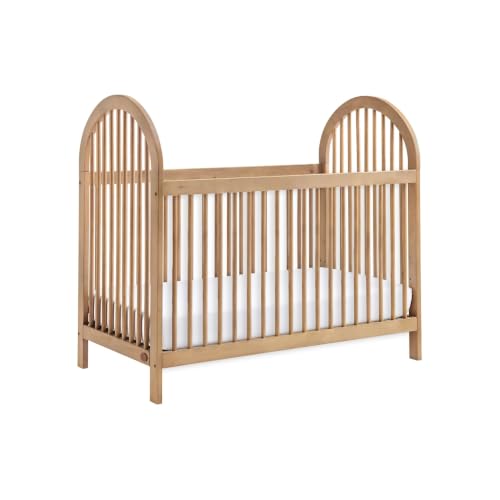


Who Should Buy a 3 in 1 Crib?
Families Who Want One Bed From Infancy Into the Toddler Years
You plan to keep the same bed in the same room from the newborn months through the toddler stage and beyond. A 3 in 1 design starts as a crib, then becomes a toddler bed with a guard rail, and later opens into a daybed for reading and naps. Buying one frame for all three stages saves you from shopping for a separate toddler bed just as your child learns to climb.
Parents Setting Up a Dedicated Nursery That Will Stay Put
Most 3 in 1 models use a full size footprint, so they suit a nursery where the bed can stay in one place for years. Measure the wall where the crib will stand and leave room to walk around at least two sides. If your space is tight, compare the footprint with our guide to the best mini crib options before you commit.
Caregivers Choosing Between a Crib and a Smaller First Bed
Some families wonder whether a newborn needs a crib right away or can start in a bassinet by the parents bed. A bassinet works only for the first few months, while a 3 in 1 crib covers a much longer span. Our comparison of crib vs bassinet explains the limits of each, so you can decide where to put your budget.
The Three Stages Explained
In the crib stage, all four sides stay up and the mattress platform sits at one of several height levels. You use the highest level while your baby is small. As she learns to sit, push up, and stand, you lower the platform so the rail stays well above her chest and she cannot climb out during the night.
In the toddler bed stage, one side comes off and a low guard rail takes its place, so your child can climb in and out on her own while the rail still marks the edge of the bed. In the daybed stage, the guard rail comes off as well, and the frame works as a small sofa or lounge bed for an older child room or a reading corner.
Not every model handles these changes the same way. Some include the toddler guard rail in the box, while others sell it as a separate part. Before you buy, confirm exactly which parts ship with the crib and which parts you would need to order later, and write down the part numbers from the manual.
Key Features to Compare
Safety Standards and Certifications
Look for a crib that meets current CPSC rules and ASTM standards, and look for JPMA certification. Slats should sit close enough together, as the standards require, so a baby head cannot slip between them. Corner posts should stay nearly flush with the end panels, and the finish should be free of lead and phthalates. Fixed sides are the current standard, so avoid any older design with a moving drop side.
Mattress Support and Height Levels
The platform under the mattress may be a metal spring frame, a set of wooden slats, or a solid panel. What matters most is that it locks firmly at each height and shows no flex or gaps at the edges. Three or four height levels give you more time at a comfortable lifting depth. Always use the lowest level once your baby can pull to a stand, even if lifting from that depth feels harder on your back.
Conversion Parts and Long Term Value
The conversion path decides whether the crib truly earns its keep for three stages. Check whether the toddler guard rail is included, whether the daybed stage needs extra rails or legs, and whether replacement hardware stays available from the maker. Store the extra bolts and the Allen key with the manual in a labeled bag taped to the frame underside. A model with parts included from the start often costs less over its full life than a cheaper frame with kits sold apart.
Materials, Finish, and Build Quality
Frames come in solid wood, mixed wood, and engineered wood panels, and the choice affects weight, feel, and price. Solid wood rails tend to feel sturdier when you grip and shake the side, and they hold up well through repeated assembly at each stage change. Painted and stained finishes should feel smooth with no rough edges or peeling. Inspect every slat and joint for cracks or splinters during setup.
Size, Weight, and Room Fit
A full size 3 in 1 crib takes up about the same floor space as a standard crib, so check the listed length and width and plan walking room around it. Heavier solid wood frames are steady but harder to shift for cleaning. If you expect to move the bed often, our roundup of the best portable crib designs covers lighter options built for travel instead.
How to Choose the Right Crib for Your Budget
Price bands for 3 in 1 models are wide, and the gaps usually reflect materials and included parts rather than safety, since every crib sold new in the United States must meet the same federal rules. At about $150 to $300, expect simple styling, fewer mattress height levels, and a toddler rail that may cost extra. At about $300 to $500, you more often get solid wood construction, the guard rail in the box, and smoother finishes.
Spending more than about $500 mainly buys design details and premium wood. That extra cost does not buy a safer sleep space on its own, so weigh it against items you still need, such as a firm mattress and fitted sheets. For a fuller walkthrough of sizing and styles, see our notes on how to choose a crib before you place an order.
Age and weight limits also shape the right choice. Each stage carries its own age, height, and weight limit, and the manual for your model is the source to trust. Ask your pediatrician if you are unsure when to change stages.
3 in 1 Cribs Compared With Other Crib Types
A standard crib that does not convert costs less at the start, but you will shop again for a toddler bed within a few years. A 4 in 1 model adds a final stage that turns the frame into a full size bed, yet many families never buy the extra rails that stage requires. A mini crib saves floor space, though children outgrow the smaller mattress sooner. Our breakdown of mini crib vs full crib sizes can help if floor space is your main concern.
Portable and travel cribs fold down for trips, but their fabric sides serve short stays better than years of nightly use. A 3 in 1 sits in the middle, with a sturdy full size sleep space now and two later stages. Families who want the widest overview can also browse our guide to the best crib styles to see where convertible models fit among other designs.
Common Mistakes to Avoid
- Buying the crib before measuring the nursery door, then finding the assembled frame cannot leave the room without full disassembly.
- Using a mattress that leaves a gap along one side, which goes against the fit guidance in the manufacturer instructions.
- Leaving pillows, loose blankets, bumpers, or stuffed toys in the crib, which goes against the manufacturer safe sleep instructions.
- Skipping the recall check on a used or handed down crib, which may carry outdated hardware or a banned drop side design.
- Losing the conversion hardware after the first assembly, which forces you to hunt for matching bolts years later at the toddler stage.
- Placing the crib beside a window with blind cords within reach, which the manufacturer safety instructions advise against.
Care, Cleaning, and Safe Use
Wipe rails and slats each week with a cloth dampened with water and a small amount of mild soap, then dry the wood fully. Babies chew on the top rail once teeth arrive, so check that area often for deep marks or lifting finish. Tighten every bolt again about a month after assembly and at each stage change, since wood and hardware settle with daily use.
For safe sleep, follow the crib maker instructions and current guidance from your pediatrician: use the firm mattress made for the frame with a fitted sheet and keep the crib free of extras. Move the crib away from heaters, windows, and cords, and stop using any crib with broken slats or missing hardware, and contact the maker or the CPSC for guidance.
FAQ
What is the best 3 in 1 crib?
The right choice is the model that fits your room, includes the conversion parts you need, and meets current federal safety standards with JPMA certification. Before you buy, search the CPSC recall database for the exact model name, since a clean record is a quick extra check beyond listing claims.
Are 3 in 1 cribs worth it?
They are worth it when you will actually use all three stages in the same home. Spreading one purchase across the crib, toddler bed, and daybed years often costs less than buying separate pieces, and your child keeps a familiar bed through each change. The value drops if you plan to pass the crib to a younger sibling quickly, since the older child then still needs a bed of her own.
When should you convert a 3 in 1 crib to a toddler bed?
Convert when your child starts climbing out of the crib or reaches the height or weight limit in the manufacturer instructions, whichever comes first. Make the change during the day, keep the bedroom door or a gate closed at night, and remove furniture she could climb near the bed.
Does a 3 in 1 crib include a mattress?
Most 3 in 1 cribs do not include a mattress, so plan to buy one separately. Choose a firm full size crib mattress made for the frame, and check the fit along each side. Follow the maker instructions on the allowed gap between the mattress edge and the crib side. Replace any mattress that sags, stays compressed after use, or came from an unknown source with no clear history.
Can you use a 3 in 1 crib for a second child?
Yes, if the frame passes a full inspection first. Check every slat for cracks, confirm all original hardware is present and tight, and verify the model has no open recalls. Substitute bolts are not safe fixes for structural parts, so order exact replacement parts from the maker or retire the crib. Store the frame in a dry place between children.
Final Thoughts
A convertible crib earns its place when the safety basics are solid, the conversion parts are in hand, and the size suits your room. Compare the product table above once more with your measurements and budget, and confirm the guard rail, mattress fit, and recall record for the model you like. Chosen with that care, the best 3 in 1 crib gives your child one steady bed from the first nights at home through toddler independence and daybed afternoons.


