Best 4 Cup Food Processors for 2026: Types Compared
Disclosure: We may earn a commission when you buy through links on this page, at no extra cost to you. As an Amazon Associate I earn from qualifying purchases. Learn more

See how the best 4 cup food processors compare with blenders and mixers, and learn which bowl, blade and motor features matter for small batch prep.
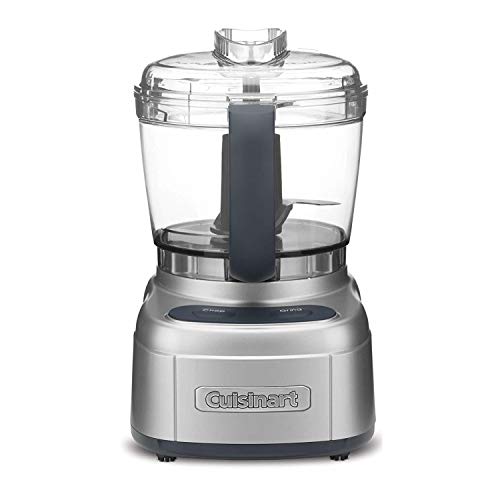
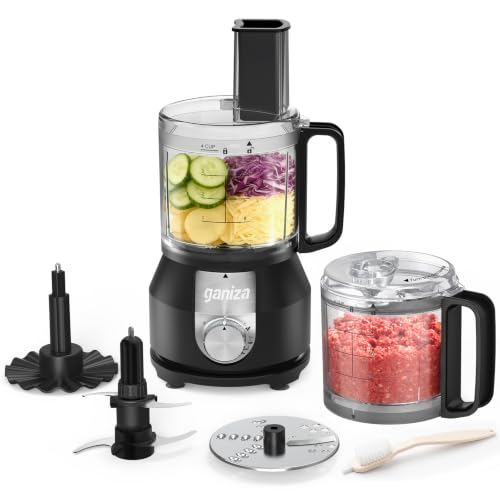
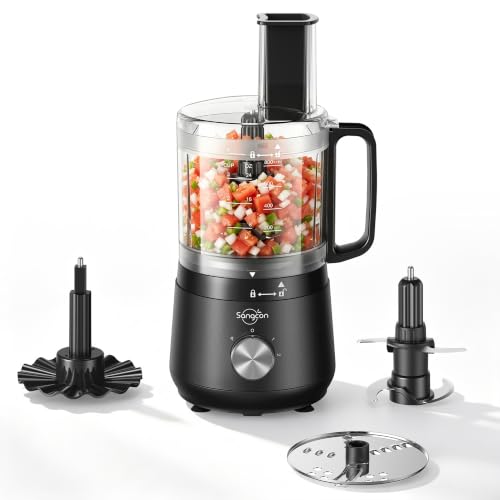
A four cup bowl sits in a sweet spot for everyday prep, big enough for salsa, pesto and chopped vegetables, yet small enough to store in a cabinet. Shoppers comparing the best 4 cup food processors often wonder how these compact machines differ from blenders and mixers that claim to do the same jobs. This guide compares the types side by side so you can see where a small processor earns its counter space.
Use the comparison table below to match each appliance type with the tasks it handles best. You will also learn how blade design, bowl material and wattage affect real prep work. By the end, choosing the right style for your kitchen should feel straightforward.



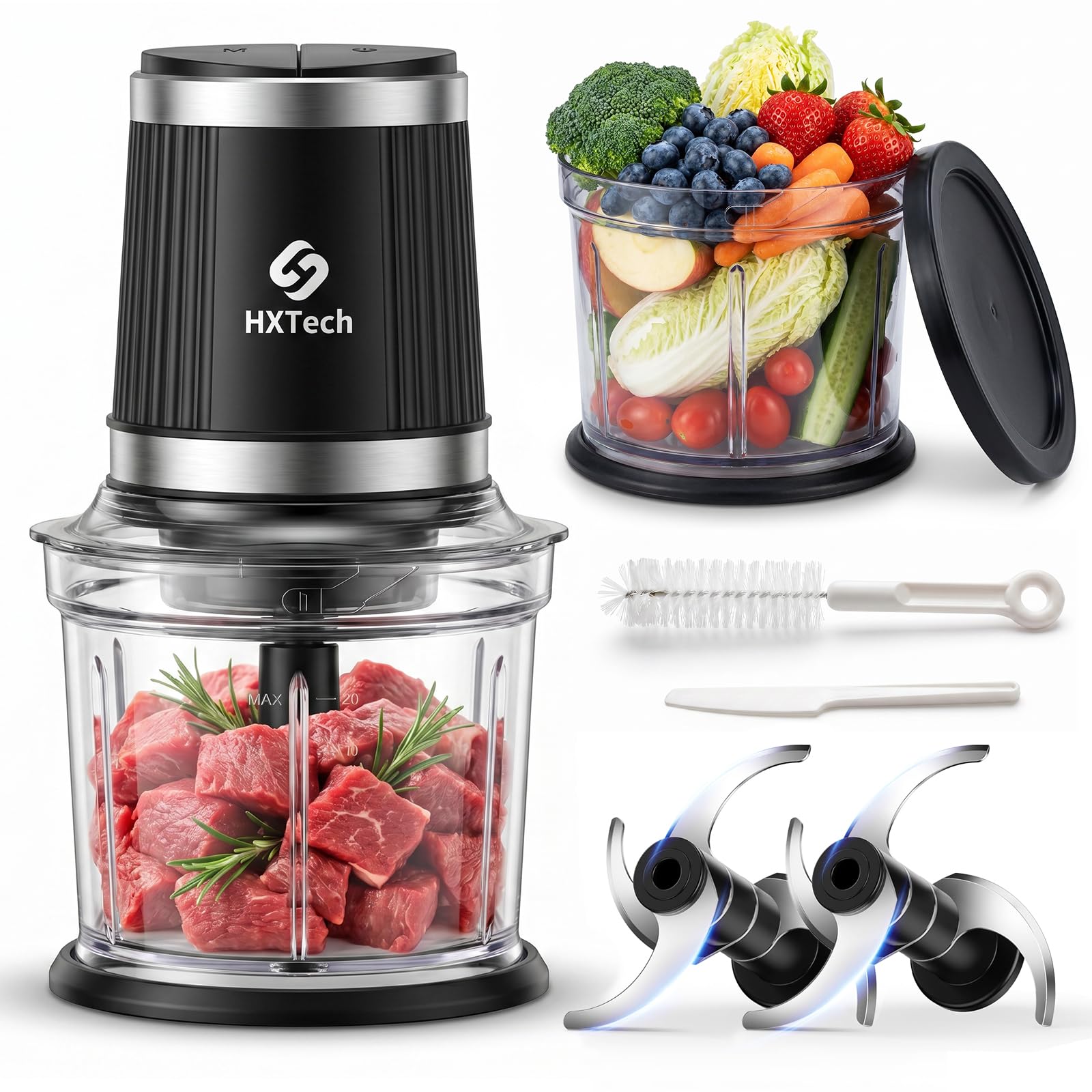
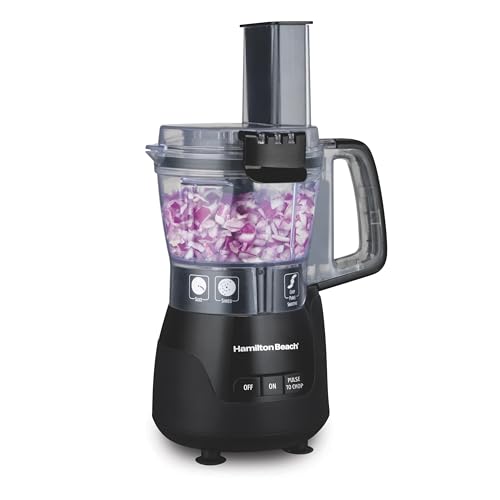


How 4 Cup Food Processors Compare to Other Options
The table places the four cup processor first, since it is the product this guide covers, and lines it up against three common alternatives. Prices are rough planning ranges. Many kitchens own two of these appliances because their strengths barely overlap.
| Type | Best For | Pros | Cons | Typical Price |
|---|---|---|---|---|
| 4 cup food processors | Chopping, shredding and small dough batches | Even cuts, versatile blades, compact storage | Too small for large batches | about $30 to $90 |
| Immersion blenders | Soups and sauces blended in the pot | Tiny storage, quick cleanup | Cannot chop dry foods evenly | about $25 to $80 |
| Hand mixers | Batter, whipped cream and light dough | Low price, easy to handle | No chopping or shredding ability | about $20 to $70 |
| Stand mixers | Large baking projects and thick dough | Strong motor, big capacity | Heavy, costly, large footprint | about $200 to $450 |
4 Cup Food Processors vs Immersion (Stick) Blenders
An immersion blender blends food where it already sits, which makes it perfect for smoothing soup in the pot or making a quick smoothie in a tall cup. A four cup processor holds food in its own bowl and uses a wide blade to chop, slice or shred with even results. Dry tasks like breadcrumbs, nuts and grated cheese belong to the processor, since a stick blender needs liquid to move food toward its small blade. Cleanup differs too, since a stick blender rinses in seconds while a processor bowl, lid and blade need washing, though most parts go in a dishwasher.
4 Cup Food Processors vs Hand Mixers
A hand mixer beats eggs, whips cream and stirs cake batter with two beaters you guide around a bowl. It cannot chop an onion, shred carrots or grind nuts, so it covers a narrow slice of prep work. A four cup processor handles those cutting jobs and can also mix small amounts of dough or batter with short pulses, though it will not whip cream as light as a mixer can. Bakers who rarely chop may prefer the mixer, while cooks who prep vegetables daily will use the processor far more.
4 Cup Food Processors vs Stand Mixers
A stand mixer anchors a baking station, with a heavy motor, a large bowl and attachments like a dough hook for bread and pasta. It handles double batches and stiff dough that would stall a small processor. In return it takes serious counter space, weighs far more, and costs several times as much. A four cup processor wins for fast weeknight prep, small households and kitchens with limited storage, so choose it if your goal is faster chopping and shredding for everyday meals.
Who Should Choose 4 Cup Food Processors?
The best 4 cup food processors suit singles, couples and small families, since most recipes for dips, dressings and chopped vegetables fit comfortably in a four cup bowl. Apartment cooks benefit as well, because the base stores in a cabinet and the bowl doubles as a serving container for salsa or slaw. Shoppers who value build quality may enjoy our guide to the best quality food processors for context on materials and warranties. Large families and batch cooks should look at bigger bowls instead, because splitting every recipe into two runs gets old quickly.
How to Choose the Right 4 Cup Food Processor
Noise Level
Small processors are loud for short bursts, and the pitch rises when chopping hard foods like carrots or nuts. If you prep early in the morning or live in an apartment with thin walls, look for solid lids and rubber feet that limit vibration on the counter. Processing in short pulses instead of one long run also keeps noise lower. No small processor is quiet, so plan noisy jobs for reasonable hours.
Blade or Attachment Design
The standard S shaped blade handles chopping and pureeing, and its low position in the bowl decides how evenly food processes. A reversible disc adds slicing and shredding, which turns the machine into a fast route to slaw and grated cheese. Some models include a dough hook for small dough batches or a whisk for eggs. Treat blades as sharp tools at all times, hold them by the center hub, and store them inside the bowl so children cannot reach the edges.
Ease of Cleaning
Cleaning decides whether a small processor gets used daily or gathers dust. Smooth bowls with few ridges rinse fast, and parts rated dishwasher safe save real time on busy nights. A feed tube that comes apart fully lets you wash away trapped food, and a lid that seals well keeps purees from leaking. Always unplug the base before cleaning or clearing a jam, and never reach into the bowl while the unit is plugged in.
Motor Power and Wattage
Most four cup models draw about 200 to 450 watts, and design matters as much as the wattage number. A well shaped bowl and sharp blade will outchop a higher watt unit with a dull blade and tall bowl. Hard jobs like frozen fruit push small motors hard, so work in pulses and let the motor rest if the base feels hot. For daily chopping, shredding and mixing, the middle of the wattage range is plenty for most households.
Jar and Bowl Material (Tritan, Glass, Stainless)
Most bowls use Tritan or similar clear plastic, which is light, resists stains and is sold as BPA free. Glass bowls feel sturdy and resist odors, but they add weight and can chip if dropped on tile. Stainless bowls hide scratches and last well, though you cannot see the food level while you work. For a size that gets lifted and washed often, light plastic is the practical default.
Tips to Get the Most From Your 4 Cup Food Processor
Whichever of the best 4 cup food processors you pick, cut food into even chunks before processing so the blade meets similar resistance with every turn. Add liquids first, then soft ingredients, then hard items on top, so the mixture starts moving smoothly. Never fill past the max line, because food needs room to move and overfilling leaves large pieces uncut. When you finish, clean the bowl right away with warm water and a drop of soap, and dry the blade carefully by its hub.
Shoppers on a tight budget can compare entry level options in our guide to the best inexpensive food processors before deciding how much to spend.
FAQs
Is a more expensive 4 cup food processor worth it?
A more expensive 4 cup food processor is worth it when the extra money buys a stronger motor, a better sealed lid and extra discs you will actually use. Higher priced models also tend to offer longer warranties and replacement bowls that stay available for years. If you only chop onions twice a month, a basic model does the same job for less. Match the price to your weekly prep volume rather than to feature lists.
How do I clean a 4 cup food processor quickly?
You clean a 4 cup food processor quickly by rinsing the bowl as soon as you empty it, before food dries onto the surface. Add warm water and a drop of soap, pulse for a few seconds with the blade seated, then rinse and air dry. Unplug the unit first, and lift the blade out by its hub with care, since the edges stay sharp even when dirty. Wipe the base with a damp cloth and never immerse it in water.
Can a 4 cup food processor crush ice?
A 4 cup food processor can crush small amounts of ice if the maker rates it for that job and you work in short pulses. Add a splash of liquid so cubes keep moving toward the blade, and stop as soon as the texture turns even. Large loads of ice strain small motors and dull blades over time. If frozen drinks are a weekly habit, a blender built for ice will serve you better, and our guide to the best food processors blenders compares those hybrid options.
What is the difference between a blender and a 4 cup food processor?
The difference is the shape of the container and the job each tool does best. A blender uses a tall jar and fast blades to turn foods into smooth liquids like soups and smoothies. A food processor uses a wide bowl and varied blades to chop, shred, slice and mix thicker foods with little or no liquid. Recipes like pesto, salsa and pie dough belong in the processor, while drinkable blends belong in the blender.
How many watts does a good 4 cup food processor need?
A good 4 cup food processor needs about 250 to 400 watts for everyday chopping, shredding and mixing. Lower powered models handle soft foods fine but slow down on carrots, hard cheese and nuts. Blade sharpness and bowl shape matter as much as the wattage figure, so treat the number as a rough guide rather than a guarantee. If you plan to process dough or frozen fruit often, choose the upper end of the range and work in pulses.
The Bottom Line
Blade design, bowl material and honest capacity matter more than long feature lists at this size. A four cup processor suits small households that chop, shred and mix several times a week, and the comparison table above helps you see which gaps this tool fills next to blenders and mixers. Choose the best 4 cup food processors style that matches your recipes, and keep blades stored safely away from children. Compact kitchens benefit most, and our guide to the best compact food processors shows how these models compare on storage size.