Best 38mm Men's Watches Made Simple: A Clear Buying Guide for 2026
Disclosure: We may earn a commission when you buy through links on this page, at no extra cost to you. As an Amazon Associate I earn from qualifying purchases. Learn more

Shopping for the best 38mm men's watches for the first time? Learn the terms, compare options, and avoid rookie mistakes with this easy guide.
If you are shopping for best 38mm men's watches and the listings all sound like a foreign language, you are in the right place. This guide starts with the plain basics, explains each spec in simple words, and ends with a clear path to a choice you will still like next year. You do not need any watch knowledge to follow along.
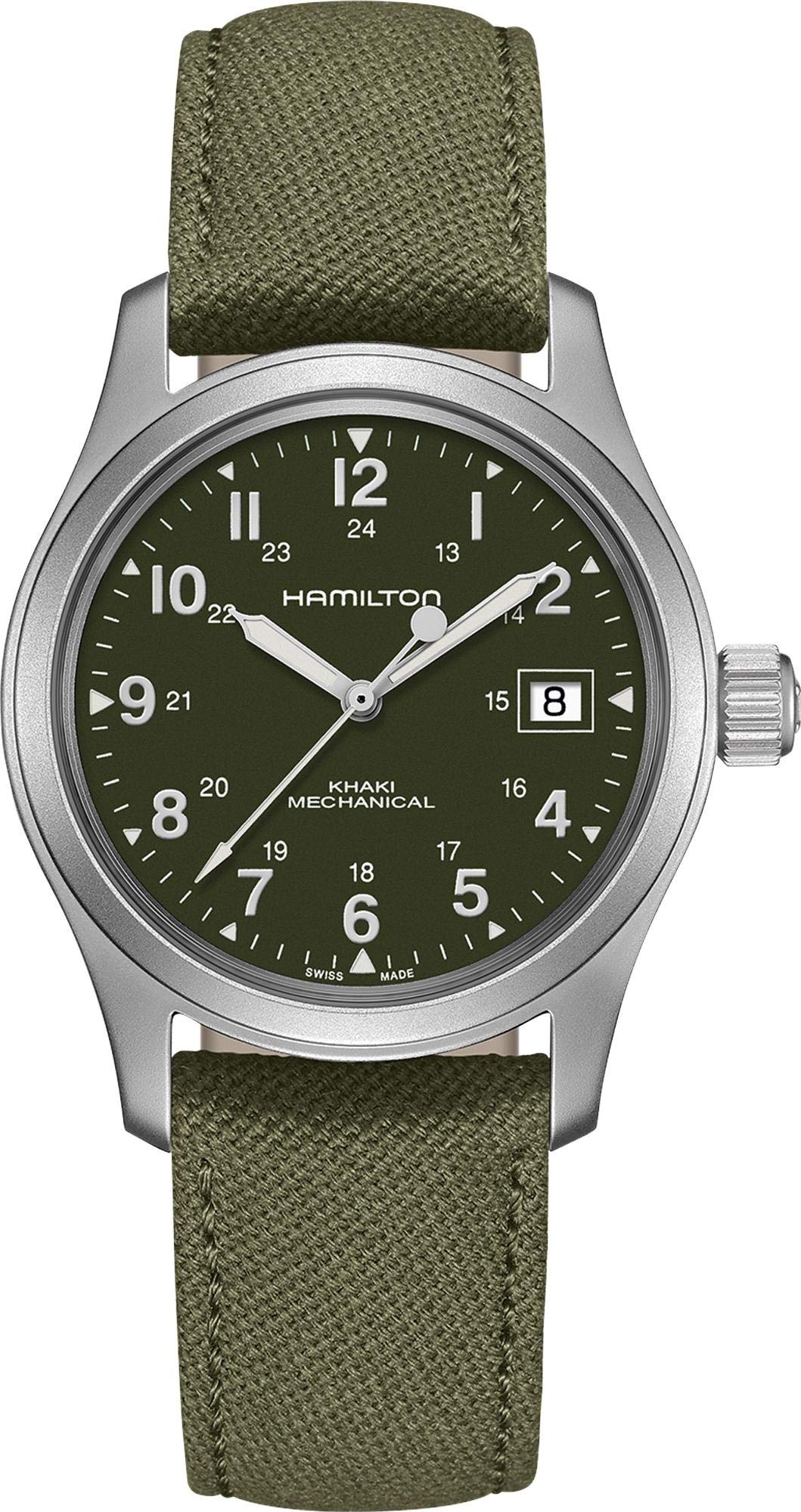
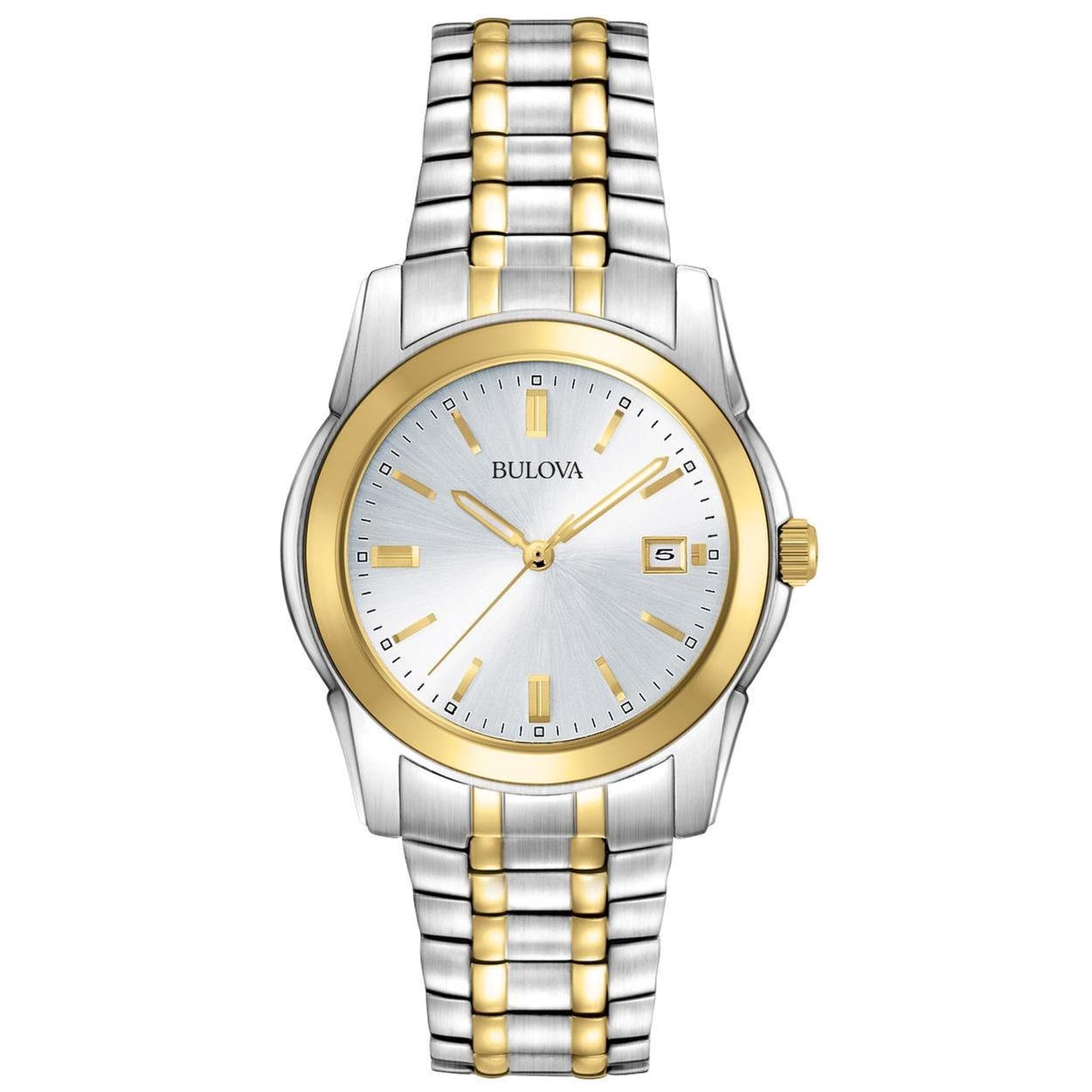
A 38mm case suits a wide range of wrists, reads as classic rather than flashy, and works with a suit, a uniform, or a plain tee. Use the product table to scan the main options side by side, then read on to learn what each line in that table actually means for daily wear.



38mm Watches 101: The Basics
The 38mm figure is the case diameter, measured across the round case from side to side, not counting the crown you use to set the time. It describes width only. Two watches can both measure 38mm and still wear very differently because thickness, lug shape, and dial size change how large the watch looks and feels on your wrist.
A few terms will help you read any listing. The dial is the face with the hands and markers. The lugs are the small arms that hold the strap. The crystal is the clear cover over the dial, and lume is the glowing material on hands and markers that helps you read the time in the dark. The movement is the engine inside that keeps time, and it is the next thing to understand before you spend money.
Key Specs Explained in Plain English
Specs look technical, but each one answers a simple daily question. How accurate is it, how does it fit, how long will it last, and can you read it at a glance? Work through the five points below and you will know more than most first time buyers.
What Men Should Look For
Start with comfort, because a watch you notice all day is a watch you stop wearing. A 38mm case in steel often weighs enough to feel solid without pulling at the wrist, while titanium feels notably lighter. Check that the strap or bracelet adjusts in small steps so it sits snug without sliding. If your budget is modest, our guide to the best inexpensive men's watches shows how much watch you can get at lower prices without giving up a warranty or basic water protection.
Movement Type (Quartz, Automatic, Solar, Smart)
Quartz movements run on a battery, keep excellent time, and need almost no attention, which makes them the easiest start. Automatic movements are mechanical, wind from your wrist motion, and appeal if you enjoy the craft, but they drift a little each week and need periodic service. Solar models charge a cell from light and can run for years. If you want to see how one respected maker handles both quartz and automatic lines, read our guide to the best seiko men's watches for background on service networks in the United States.
Case Size and Wrist Fit
Diameter is only the starting point. Lug to lug length, the distance from the top lug tip to the bottom lug tip, decides whether the case overhangs your wrist, and most 38mm watches measure about 44 to 46 mm there. Thickness matters too, since a case around 9 to 12 mm slides under a shirt cuff while a thick dive case does not. For a deeper look at this size class alone, see our guide to the best watches 38mm and compare the fit notes before you order.
Brand Reputation, Warranty, and Value
A known maker with a real service network is worth more than a long spec list from a seller you cannot reach later. Look for at least a two year warranty, clear repair pricing, and replacement straps you can actually buy. Resale value varies widely and should never be the main reason to buy, but established brands do tend to hold value better. Our guide to the best quality men's watches explains the build signs, such as solid end links and a smooth crown action, that separate lasting quality from surface polish.
Legibility and Style
You should read the time in one glance, in bright sun and in a dim room. High contrast between hands and dial, markers with lume, and an anti reflective coating on the crystal all help. A sapphire crystal resists scratches far better than plain mineral glass and is worth paying for if you work with your hands. Style wise, a clean field or dress dial pairs with more outfits than a busy dial, and a quick release strap lets you swap from steel to leather in seconds with no tools.
Rookie Mistakes to Avoid
Most returns and regrets come from the same handful of errors. Read this list before you pay, not after the box arrives.
- Judging size by diameter alone. A long lug to lug length can make a 38mm watch wear like a much larger one, so always check that second number.
- Misreading water resistance. A rating of 30 meters means splash protection only, not swimming. For regular swimming, look for 100 meters or more and a screw down crown.
- Ignoring strap width. Most 38mm cases take an 18 to 20 mm strap. If you plan to swap straps, confirm the width first so your spares actually fit.
- Buying an automatic with no plan to wear it. An automatic stops after a day or two off the wrist. If you rotate several watches, budget for a simple winder or accept resetting it often.
- Skipping the return policy. Fit is personal and hard to judge from photos. Buy where you can return the watch unworn if the fit feels wrong at home.
Getting Started: Setup and First Use
Your first hour with the watch sets good habits. Work through these steps in order and you will avoid the small errors that can damage a movement or flood a case.
- Remove the protective films, then set the time. On an automatic, wind the crown slowly about 20 to 30 turns until the second hand moves smoothly.
- Set the date with care. Avoid changing the date on a mechanical watch when the hands sit between about 9pm and 3am, because the date gears are engaged then.
- Adjust the strap or bracelet so you can fit one fingertip between strap and wrist. A watch that spins will bang against door frames and desks.
- Push the crown fully back in, and screw it down if your model has that feature, before any contact with water.
For daily care, wipe the case with a soft dry cloth and rinse the watch under fresh water after saltwater exposure, then dry it fully. Keep it away from strong magnets such as tablet covers and speaker cabinets, which can disturb a mechanical movement. Plan to service automatic watches every 5 to 7 years so worn seals get replaced and the movement stays clean and accurate.
38mm Watches: Your Questions Answered
What makes 38mm watches for men different?
The difference is proportion, not a separate kind of watch. A 38mm case keeps the dial, lugs, and strap width in balance for small to average wrists, so the watch sits centered instead of covering the whole wrist. Designers also tend to pair this size with slimmer cases and shorter straps, which is why the same model line often feels calmer and more classic at 38mm than at 42mm.
What case size fits my wrist?
Measure your wrist with a soft tape where you wear a watch, then use the paper test. Cut a paper circle 38mm wide, place it on your wrist, and check that it leaves a small margin on each side. Wrists around 6 to 7 inches usually suit 36 to 40 mm cases well. If the paper covers your wrist edge to edge, look at lug to lug length first, since a compact case can still fit.
How long does a watch battery last?
Most quartz batteries last about 2 to 3 years, and some efficient movements stretch to 5 years. A second hand that jumps in two second steps is often a low battery warning, not a fault. When you replace the battery, ask the shop to check and, if needed, renew the case seals at the same visit. That small step keeps the stated water resistance honest instead of assuming an aging gasket still seals.
Quartz or automatic: which is better?
Neither is better for everyone, because they solve different needs. Quartz wins on accuracy, price, and zero daily fuss, and it is ready the moment you pick it up after a week away. Automatic wins if you value mechanical craft and dislike battery changes, and you accept a small time drift and service costs every few years. Choose by your routine first. A watch that matches how you actually live will get worn, and wear is the whole point.
Is a smartwatch worth it over a classic watch?
It depends on whether you want notifications and health tracking on your wrist. A smartwatch adds messages, GPS, and workout data, but it needs charging every day or two and its screen and software age fast. A classic 38mm watch does one job for decades with no charging habit. Many owners end up with both, using the smartwatch for training and the classic watch for work and evenings. Start with the one that matches your typical day.
Our Verdict
If you remember three things, make them these. Fit is decided by lug to lug length and thickness, not diameter alone. The movement should match your routine, quartz for ease and automatic for craft. And legibility plus a solid warranty will matter long after the unboxing thrill fades. Start with the product table above, narrow it to two or three models that meet those points, and choose the dial you enjoy looking at. Chosen that way, the best 38mm men's watches stop being a confusing category and become one simple, lasting purchase.