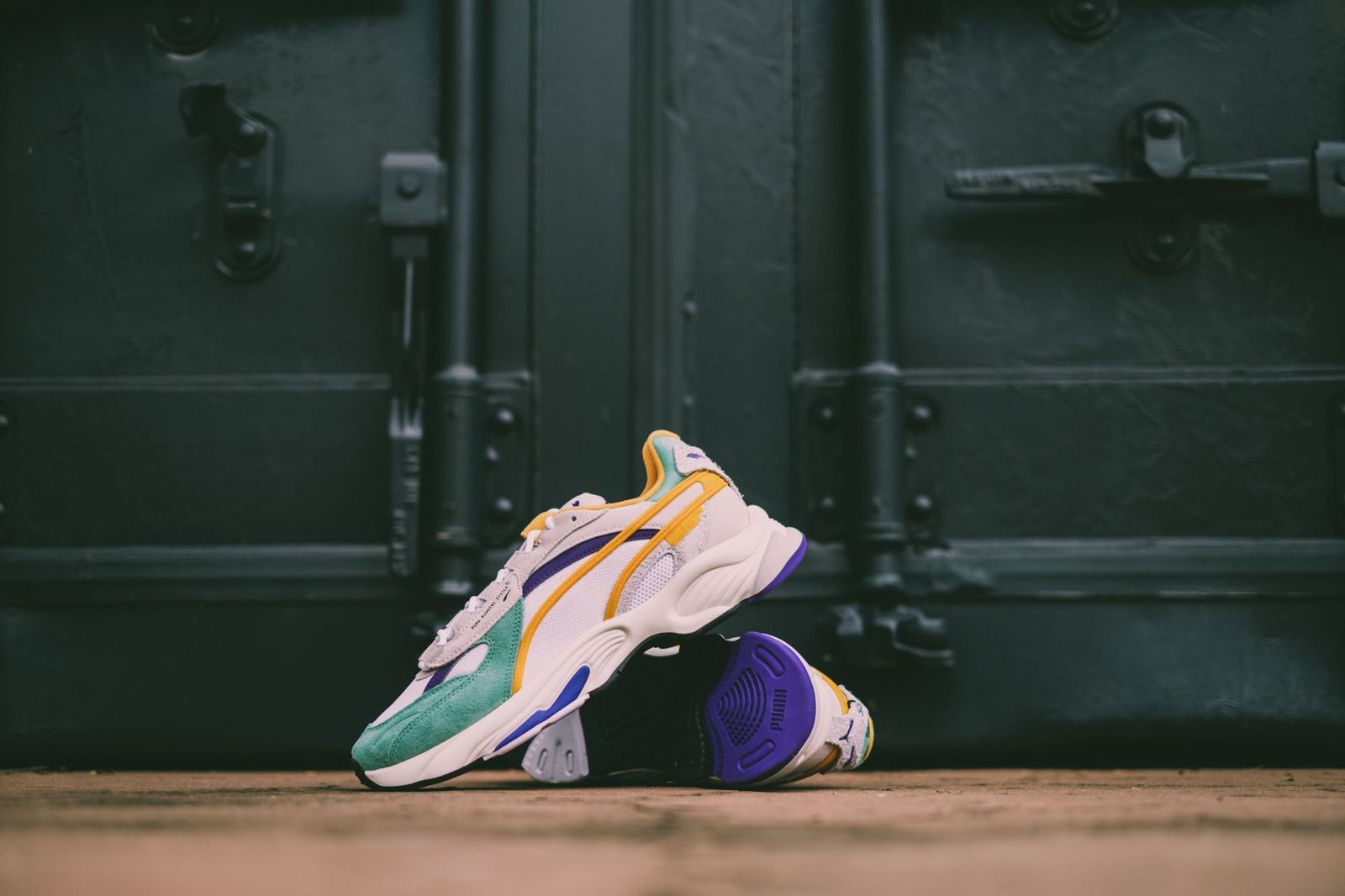
Best 2k Shoes to Make: What Actually Matters Before You Buy for 2026
Disclosure: We may earn a commission when you buy through links on this page, at no extra cost to you. As an Amazon Associate I earn from qualifying purchases. Learn more
Learn how to judge the best 2k shoes to make with a clear checklist on fit, traction, cushioning, waterproofing, durability and fair price tiers.
Shoe listings love big claims, but a good pair earns its price on your feet, not on a product page. This guide gives you a simple scoring checklist for the best 2k shoes to make a smart purchase, covering fit, traction, support, and lifespan. You will learn what good numbers look like, where makers cut corners, and which details you can safely ignore.
Use the checklist as you browse listings on your own. Score each pair against the same six criteria, and the right choice for your feet and your terrain usually becomes obvious within a few minutes.
How to Evaluate the Best 2k Shoes
Note that in video game circles, 2k shoes can mean virtual items you cannot buy; this guide covers real footwear. Every pair, at any price, can be judged with the same six questions. Does it fit your foot shape? Does the outsole grip your ground? Will it last a reasonable number of miles? Does the support match your arch? Does the waterproofing suit your weather? Does the cushioning match your stride? The sections below explain each question, the threshold that counts as good, and the warning sign that counts as poor. If a pair fails two or more of these checks, move on, because a bargain that hurts your feet or wears out early is not a bargain at all.
Fit, Sizing, and Toe Box
Fit comes first because no amount of cushioning fixes a shoe that pinches. Measure both feet in the afternoon, when feet are at their largest, and shop using that longer measurement. You want about a thumb width of space in front of your longest toe, enough room for toes to spread, and a heel that stays put without slipping as you walk. If you sit between sizes, choose the larger size and adjust with socks or lacing. Wide feet need a genuinely wide toe box, not just a larger size, because extra length alone still squeezes the forefoot.
Outsole Traction and Terrain
The outsole decides where a shoe can safely go. For trails, look for lugs around 4 to 5 mm deep with space between them, since shallow or tightly packed lugs clog with mud and slide on wet rock. Rubber compounds from proven makers grip better and wear slower than generic rubber, and a slightly sticky compound helps on smooth stone. For roads and gym floors, a flatter outsole with many small contact points grips better and feels quieter. Match the tread to the ground you actually cover most weeks, not the rare trip you might take once a year.
Durability and Expected Lifespan
A good pair should give predictable service before the cushioning fades. Running shoes usually deliver about 300 to 500 miles before the midsole feels flat and tired, while sturdier training and walking shoes often last longer because their foams and outsoles are denser. Check the outsole coverage, since exposed soft foam on the ground wears away fast. Stitching at flex points, reinforced eyelets, and a firm heel counter all signal a shoe built to last. If a listing hides materials or avoids any lifespan guidance, treat that silence as a weak sign.
Arch Support and Foot Type
Support only helps when it matches your foot. Flat feet often roll inward as you walk, a pattern called overpronation, and usually feel better with gentle stability features and a firmer medial side. High arches roll outward and need more cushioning to absorb impact, since the foot itself absorbs less. A simple home check helps: wet your foot, step on dry paper, and look at the print. A full print suggests flat feet, a thin curved print suggests high arches, and a print with a clear band suggests a neutral arch.
Waterproofing (Gore Tex and Membranes)
Waterproof membranes such as Gore Tex keep rain and puddle water out, and they make sense for wet commutes, muddy trails, and work outdoors. The trade off is breathability, because a membrane slows the escape of sweat vapor, so feet run warmer in summer heat. Waterproof shoes also dry slowly once water enters over the collar. If your weather is mostly dry, a breathable mesh upper will feel better most days. If you face regular rain, choose the membrane and pair it with wool blend socks that stay comfortable when damp.
Cushioning and Support
Cushioning describes how the midsole absorbs impact, and support describes how the shoe guides your stride. Neutral shoes suit neutral arches and mild rolling, while stability shoes add structure for feet that roll inward more strongly. Stack height tells you how much foam sits underfoot, and heel to toe drop tells you the height difference between heel and forefoot. A drop around 8 to 12 mm suits many heel strikers, while a lower drop loads calves and Achilles more. Change drop gradually, because a sudden switch can leave calves sore for weeks.
Three Price Tiers and What They Should Offer
Instead of chasing a single named model, think in tiers. Each tier below describes what your money should buy, who it suits, and the limit you should accept. If a pair costs premium money but delivers budget tier traits, the checklist has done its job and you can walk away.
Balanced Tier
The balanced tier, often around $110 to $180, suits most buyers. Expect a shaped toe box, a durable rubber outsole with full ground coverage, a midsole that still feels springy after months of use, and support options for both neutral and stability needs. Uppers in this tier use engineered mesh or light leather that holds shape without rubbing. The main limit is specialization, since a balanced shoe will not match a dedicated racing shoe for speed or a rugged boot for rough ground. For daily training, walking, and mixed use, this tier is the sweet spot.
Value Tier
The value tier, often around $60 to $110, suits walkers, new runners, and anyone replacing shoes on a budget. You should still get honest basics: a secure fit, a full rubber outsole, and cushioning that feels even under both feet. Savings usually come from simpler uppers, fewer color choices, and previous season designs rather than poor construction. The limit is lifespan, since softer foams in this tier may feel flat closer to 300 miles. Rotating two value pairs can cost less than one premium pair and still extend total service.
Heavy Use Tier
The heavy use tier, often around $150 to $230, suits high mileage runners, workers on concrete, and heavier walkers who compress foam quickly. Look for denser midsole foams, thicker outsole rubber, reinforced uppers, and a warranty or return window that reflects confidence. These shoes feel firmer at first and take a few outings to settle in. The limit is weight and warmth, since durable materials add bulk. If you log long daily miles, the extra months of support usually repay the higher price, especially when knee or foot aches come from worn shoes.
Quick Buyer Checklist
Run through these questions before you pay. Mostly yes answers mean the pair deserves a place on your shortlist.
- Did you measure your feet in the afternoon and use the longer foot?
- Is there a thumb width of space ahead of your longest toe?
- Does the outsole tread match the ground you cover most often?
- Does the support type match your arch and how your feet roll?
- Will the waterproofing help your weather more than it hurts airflow?
- Does the heel to toe drop feel close to what you already wear?
- Is the return window long enough to try the shoes indoors first?
If two or more answers are no, keep shopping. For a broader view of the category while you compare, see our guide to the best 2k shoes and score those options with this same checklist.
Red Flags to Watch For
Weak shoes often announce themselves in the listing. Vague material claims with no named foam, membrane, or rubber compound suggest the maker hopes you will not ask questions. Missing size guidance, no width options, and no stated return policy raise the risk of a poor fit you cannot fix. A very short warranty, under a year on a premium priced pair, signals low confidence in durability. Review patterns that praise everything in identical words deserve skepticism. Finally, prices far below similar shoes usually mean thin outsoles and fast wearing foam, so check the tier traits above before you trust a steep discount.
Setup and Care Tips
Break new shoes in with short walks before a long outing, and lace them firmly at the top eyelets to reduce heel slip. Replace running shoes every 300 to 500 miles, or sooner if the midsole feels flat and aches appear. Air dry wet shoes at room temperature away from direct heat, which cracks leather and weakens glue. Stuffing them with newspaper speeds drying. Rotate two pairs for daily wear so each midsole has a day to recover its shape, and brush dirt from outsoles so lugs keep their bite.
Frequently Asked Questions
Do I need waterproof 2k shoes?
You need waterproof shoes only if water regularly reaches your feet from rain, puddles, wet grass, or snow. For a dry commute or indoor training, breathable uppers feel cooler and dry faster after workouts. One useful middle path is keeping a waterproof pair for wet months and a breathable pair for summer, rather than forcing one shoe to handle every season.
How should 2k shoes fit?
They should feel secure at the heel and midfoot, with room for toes to spread and about a thumb width ahead of your longest toe. There should be no pinching at the widest part of the foot and no pressure on top from laces. Always judge fit late in the day, wear your usual socks, and walk downhill on an incline if the store allows it, because toes sliding forward reveal a short fit fastest.
Can I wear 2k shoes all day?
Yes, most well fitted pairs handle full days of walking and standing, provided the support matches your arch. If your job keeps you on concrete, a cushioned model with a firm heel counter feels better by evening than a soft racing style shoe. Standing mats and a short midday walk also help. If foot pain builds across the week, the usual causes are worn midsoles or the wrong support type, not the hours alone.
How often should I replace my 2k shoes?
Replace them when the cushioning stops recovering, typically after about 300 to 500 miles for running use or around a year of daily walking. Visible clues include deep creases in the midsole, worn outsole patches, and a heel counter that collapses when squeezed. A practical test is pressing your thumb into the midsole: if it feels hard and lifeless compared with a new pair in store, its useful life is nearly over.
Are expensive 2k shoes worth it?
They are worth it when the higher price buys traits you will actually use, such as denser foam for high mileage, a membrane for wet weather, or width options for hard to fit feet. Price alone guarantees nothing, and mid tier pairs often match premium pairs for casual use. Spend where your checklist shows a real gap, save where it does not, and remember that a correct fit in a modest shoe beats a poor fit in a costly one.
Our Verdict
Fit, matched support, and honest durability matter more than brand claims or launch hype. Score every candidate with the six criteria and let the tier guidance set your budget. Chosen that way, the best 2k shoes to make your shortlist will serve your feet well, mile after comfortable mile.