Best 38mm Automatic Watches: Our 2026 Checklist and Buying Guide
Disclosure: We may earn a commission when you buy through links on this page, at no extra cost to you. As an Amazon Associate I earn from qualifying purchases. Learn more

Use this buying guide for the best 38mm automatic watches: compare movements, fit, crystal, water resistance, and value before you choose a watch.
A 38mm case sits in a sweet spot for many wrists, large enough to read at a glance and small enough to slide under a shirt cuff. This guide gives you a clear checklist for judging the best 38mm automatic watches without getting lost in spec sheets. You will learn what a good movement, case, and strap should deliver at each price level.
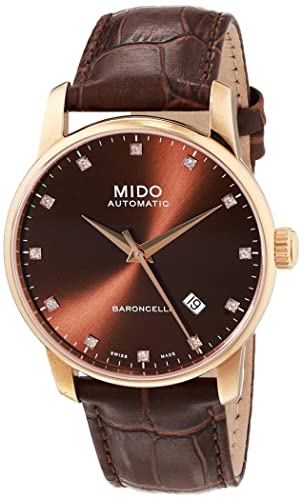
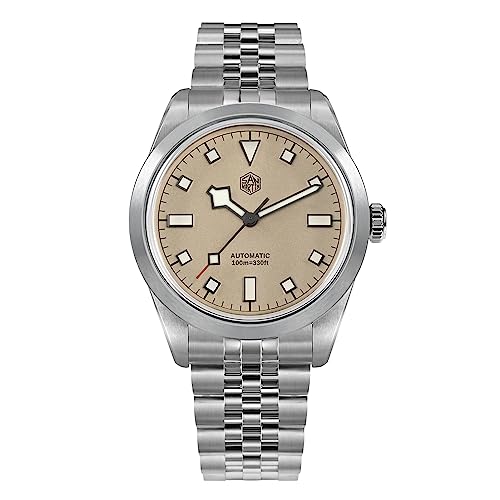
Work through the criteria below in order, then compare any watch you are considering against them. The product table gathers the key facts in one place so you can check each option against the same standards.



How to Evaluate 38mm Automatic Watches
Think of this section as a scorecard. A watch does not need to win every category, but it should have no weak spot that clashes with how you plan to wear it every day.
Movement Type
An automatic movement winds itself from the motion of your wrist, so there is no battery to replace. Accuracy is the first thing to check, because most automatics gain or lose a number of seconds per day rather than per month like quartz. A longer power reserve, around 38 to 80 hours depending on the tier, means the watch still runs after a weekend off your wrist. Ask how easy the movement is to service locally, since a common caliber keeps future repair costs lower and parts easier to find.
Brand Reputation, Warranty, and Value
A known maker with a real service network in the United States protects you long after the purchase. Look for a warranty of at least two years and clear terms that cover the movement, not just the case. Resale value is a useful signal too, because watches that hold value tend to come from brands with steady demand and available parts. If a listing hides the warranty terms or the seller identity, treat that as a warning and move on to a clearer option.
Case Size and Wrist Fit
The 38mm figure is the case diameter, but fit depends on more than that one number. Lug to lug length, usually around 44 to 47mm at this size, decides whether the case overhangs your wrist edges. Thickness matters as well, since a watch under about 12mm slips under cuffs far more easily than a tall one. If you can, try a watch of similar dimensions in person, or cut a paper circle to size and lay it on your wrist for a quick visual check.
Water Resistance Rating
Ratings are easy to misread, so translate them into daily life. A 30m rating means splash protection only, fine for hand washing but not for swimming. At 100m you can swim and shower with confidence, and 200m suits recreational diving for most wearers. Remember that seals age, so a watch you plan to swim with should have its gaskets checked every few years. Never press the crown or pushers underwater unless the maker clearly says that is safe.
Crystal and Case Materials
Sapphire crystal is the benchmark at this level because it resists scratches from keys, door frames, and daily knocks. Mineral glass costs less and can shatter less easily on a hard impact, but it picks up visible scratches over time. For the case, 316L stainless steel is the common standard, offering good corrosion resistance and weight. Titanium feels much lighter and suits sensitive skin, though it can show surface marks more readily than steel.
Strap and Bracelet Options
The strap changes both comfort and style more than almost any other part. Leather looks classic but dislikes water, while a steel bracelet handles summer heat and swimming with ease. NATO style fabric straps are cheap to swap and dry quickly, and silicone suits sport use. Quick release spring bars are worth seeking out, because they let you change straps with your fingers and no tools. Check the lug width, often 18mm or 20mm, so replacement straps are easy to find.
Three Buying Profiles That Pass the Checklist
Instead of chasing a single winner, match a watch to one of these three profiles. Each profile describes what to prioritize and what you can safely give up.
Best Overall Profile
Choose this profile if you want one watch for work, weekends, and travel. Prioritize a sapphire crystal, 100m water resistance, and a proven automatic movement with at least a two year warranty. A steel bracelet with quick release bars gives you the most flexibility, since you can swap to leather for formal days in seconds. Expect to pay around $400 to $900 for this balance of parts. The main trade off is price, because ticking every box rarely comes cheap.
Best Value Profile
This profile suits buyers who want the automatic experience without overspending. At around $150 to $350 you can still get a reliable movement, a steel case, and honest water resistance for daily wear. You may give up sapphire for mineral glass or accept a shorter power reserve, and both are fair compromises at this level. Put your money into the movement and case first, because straps are cheap to upgrade later. Avoid unknown movements with no service path, even when the discount looks tempting.
Best Compact Profile
Pick this profile if your wrist is slim or you simply prefer a lighter, quieter watch. Beyond the 38mm diameter, look for a short lug to lug length and a case under 11mm thick so it wears small and balanced. A simple dial with strong lume reads clearly without visual clutter, and a fabric or leather strap keeps total weight down. Prices range from around $200 to $600 depending on the crystal and movement. The limitation is presence, since a compact watch will never feel bold on a large wrist.
Quick Buyer Checklist
Run through these questions before you buy, and answer honestly about your routine.
- Does the lug to lug length fit within the width of your wrist?
- Is the crystal sapphire, or is mineral glass an acceptable trade off at this price?
- Does the water resistance match your swimming and showering habits?
- Is the movement a known caliber that a local watchmaker can service?
- Does the warranty last at least two years and cover the movement?
- Can you change the strap easily with quick release spring bars?
- Does the dial stay readable in low light thanks to lume on the hands and markers?
- Would you still choose this watch at full price without a discount timer pressuring you?
Red Flags to Watch For
Vague listings are the biggest warning sign in this category. If a seller will not state the movement caliber, crystal type, or exact water resistance, assume the weakest option in each case. Be wary of huge claimed discounts from inflated list prices, because that pattern usually hides an ordinary product. A warranty of only a few months, or one that requires shipping the watch overseas at your cost, offers little real protection. Also watch for stock photos that never show the case back or clasp, since sellers use them to hide cheap finishing.
One more practical check is weight and return policy. A seller who refuses returns on a watch you cannot try in person shifts all the fit risk onto you, so prefer listings with a clear return window. If you are also weighing dressier styles, our guide to the best watches 38mm covers the size in other categories.
Care and Maintenance Tips
Plan on servicing an automatic watch every five to seven years, when a watchmaker cleans and relubricates the movement. Rinse the case with fresh water after any exposure to salt water, and dry it with a soft cloth. Store your watch away from strong magnets, including phone cases and speakers, because magnetism can make an automatic run fast. When you rotate between watches, a simple winder or a few turns of the crown keeps the mainspring ready.
Frequently Asked Questions
How long does a watch battery last?
An automatic watch has no battery, so this question applies to quartz models, where a cell typically lasts two to five years. Your automatic instead stores energy in a mainspring as you move. If it stops after a day or two off your wrist, that is normal once the power reserve runs out. A quick hand wind or a minute of gentle wrist motion restarts it.
Is a smartwatch worth it over a classic watch?
It depends on whether you value notifications and fitness tracking over longevity. A smartwatch adds GPS, step counts, and phone alerts, but its battery and software age within a few years. A classic automatic can run for decades with periodic service and never needs charging. Many owners keep both, using the smartwatch for workouts and the automatic for everything else.
Quartz or automatic: which is better?
Quartz is better if pure accuracy and low cost matter most, since it loses only seconds per month and needs little care. Automatic is better if you enjoy mechanical craft and want to avoid battery changes. Neither is objectively superior, and your daily habits should decide. If you set your watch once and forget it, quartz wins. If winding and wearing feel like part of the pleasure, choose automatic.
How water resistant should a watch be?
For desk and dress wear, 30m to 50m handles rain and hand washing without worry. Choose 100m if you swim regularly, because that rating covers surface swimming and snorkeling for most people. Remember that hot showers can age seals faster, so even a well rated watch lasts longer when you keep it out of steamy water. When in doubt, one rating level higher buys cheap peace of mind.
What case size fits my wrist?
Measure your wrist with a soft tape just behind the wrist bone, then compare that number with lug to lug length rather than diameter alone. Wrists around 6 to 7 inches usually wear 36mm to 40mm cases comfortably, and 38mm sits right in the middle of that range. The lugs should not extend past the edges of your wrist. If you are exploring the wider category first, see our guide to the best automatic watches for more context.
Our Verdict
The strongest buys share three traits: a serviceable automatic movement, a case that truly fits your wrist, and water resistance matched to your real routine. Use the product table to check those three points against each option before you look at style details. When a watch passes on all three, the best 38mm automatic watches stop being a guess and become a confident, long lasting choice.
If your budget is the main constraint, our guide to the best affordable automatic watches shows where smart compromises live. Readers comparing wearers can also see the best men's automatic watches and the best women's automatic watches for fit notes by wrist size.