Best 36mm Automatic Watches at Every Price: What Your Money Really Gets You for 2026
Disclosure: We may earn a commission when you buy through links on this page, at no extra cost to you. As an Amazon Associate I earn from qualifying purchases. Learn more

Compare the best 36mm automatic watches at every price point. Learn what you get at budget, midrange, and premium levels and where spending more pays off.
Prices for a 36mm automatic watch range from under $100 to well past $5,000, and the spec sheets rarely explain what the extra money actually buys. This guide maps the best 36mm automatic watches by price tier, so you can see which upgrades change daily wear and which ones only change the box it ships in.
Start with your budget, read what that tier normally delivers, and then check the comparison table below with realistic expectations for the tier you can afford.
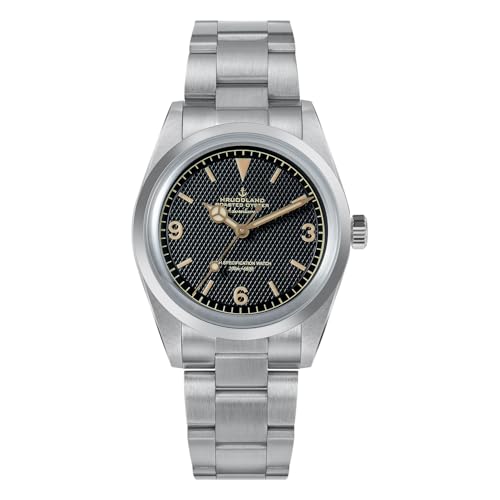
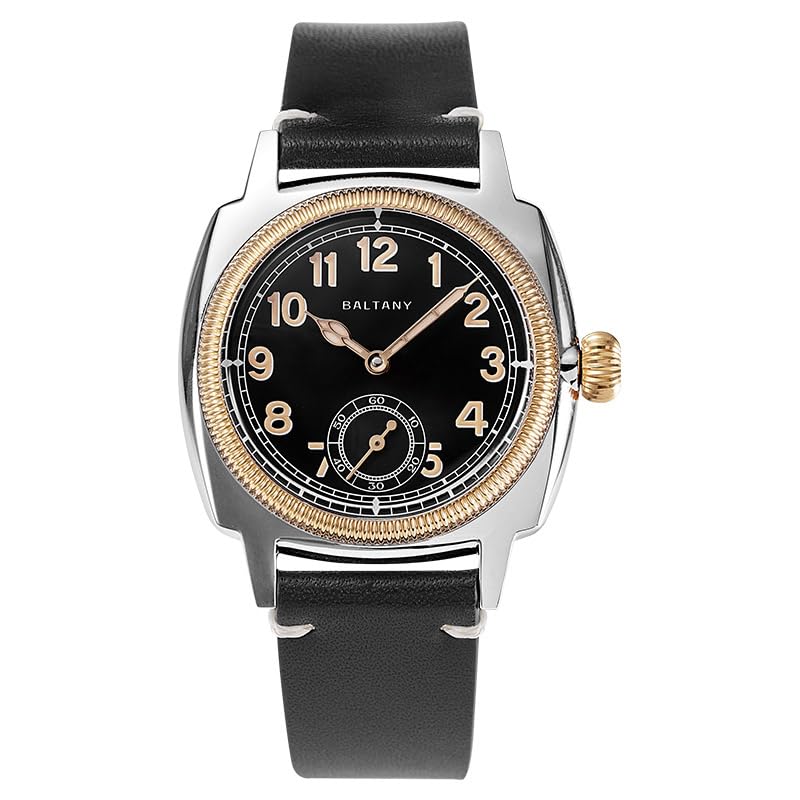
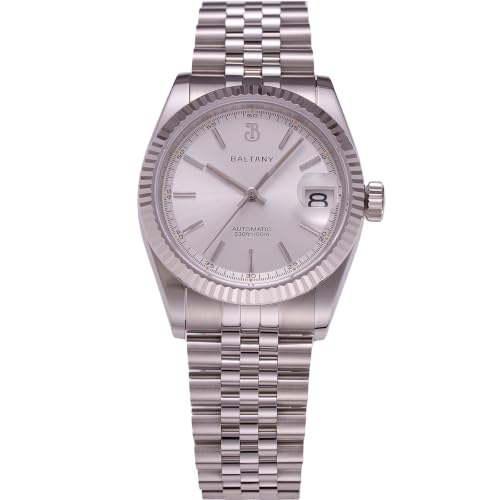
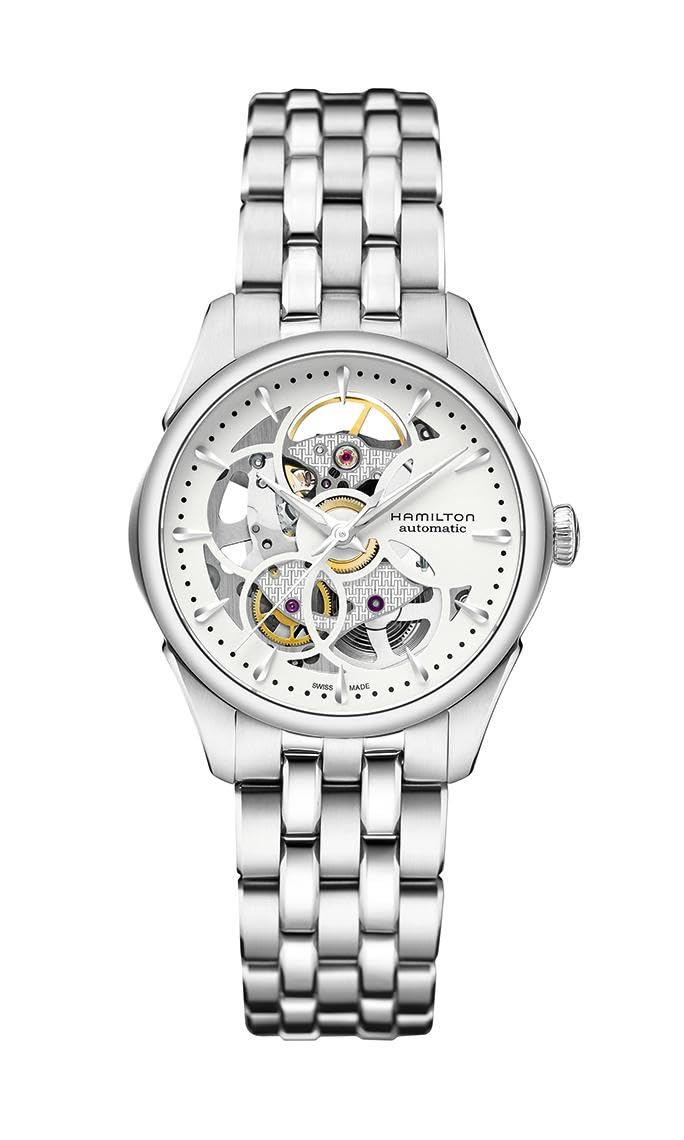


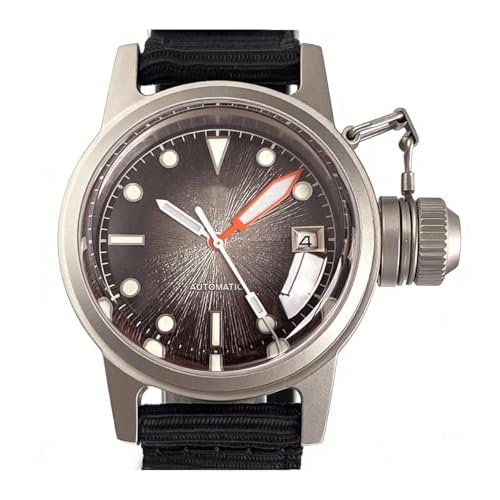
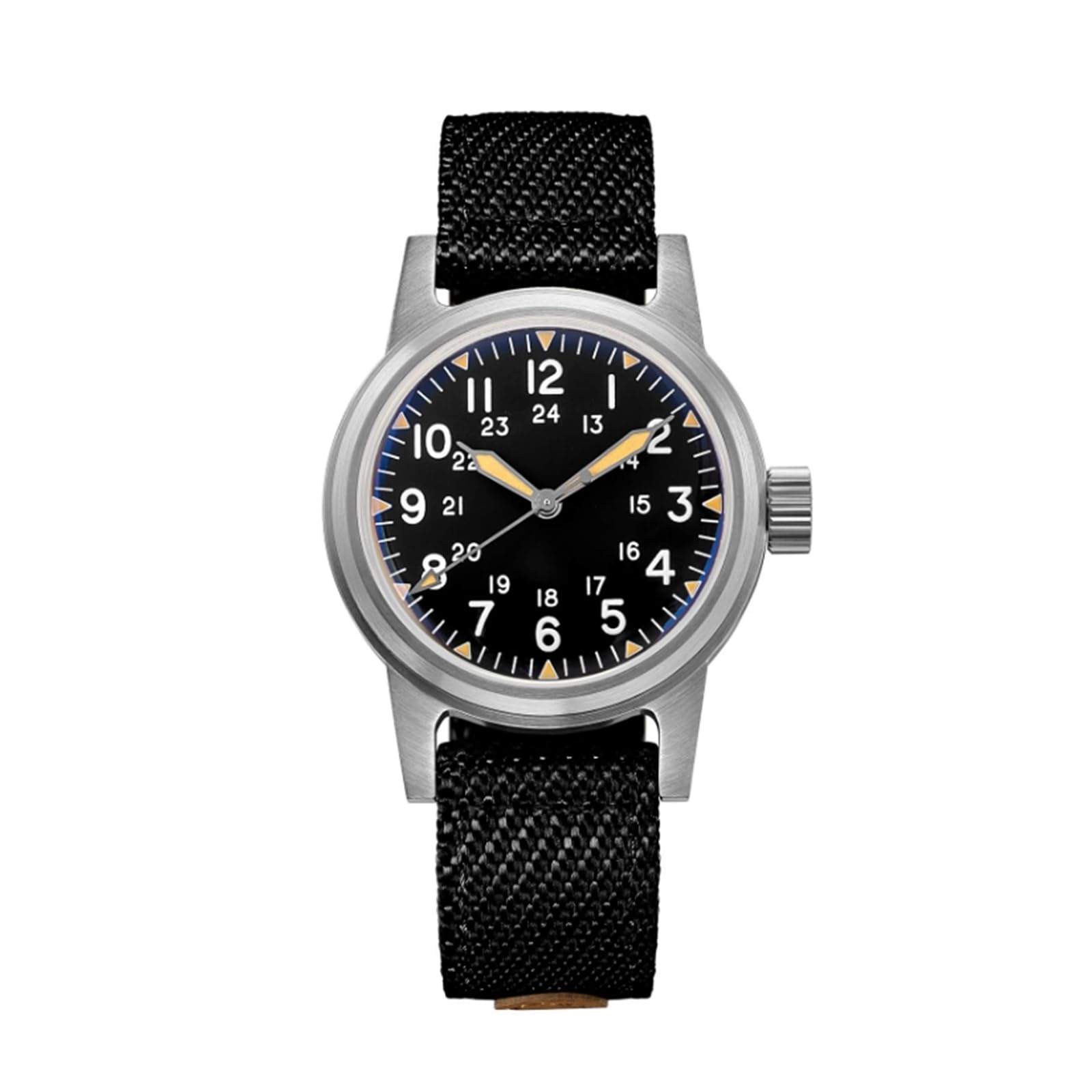

Three Budget Profiles to Compare
Use these profiles to sort the product table above by tier rather than by brand name. Each one describes what a fair example of that tier looks like and who should stop there.
Budget Tier Profile
A fair budget example, usually around $80 to $200, gives you a proven entry level automatic movement, a stainless steel case, and a mineral crystal. Accuracy is loose, often within about 20 to 40 seconds a day, and the bracelet may feel light with hollow end links. This tier suits a first automatic watch or a beater for daily wear. The limit is finishing: polished edges, dial printing, and lume tend to be basic, and water resistance is often only splash level.
Midrange Tier Profile
A fair midrange example, usually around $300 to $800, adds a sapphire crystal, a movement that hacks and hand winds, and water resistance of 100 meters or more. Bracelets gain solid links and a milled clasp, and lume lasts through the night. This is the tier most buyers should target, because every upgrade here is one you feel on the wrist. The remaining trade off is brand prestige and fine dial detail, which matter to collectors more than to daily wearers.
Premium Tier Profile
A fair premium example, usually around $1,500 and up, brings regulated accuracy, refined case finishing, and movements with longer power reserves of 60 to 80 hours. You also pay for heritage, tighter quality control, and stronger resale value. This tier suits buyers who plan to keep one watch for decades. The honest limit is function: a premium watch tells time no more clearly than a good midrange one, so you are paying for craft and ownership experience, not extra utility.
What Your Money Gets You at Each Price Tier
Budget Tier: What to Expect
At the budget tier, your money buys mechanical charm and honest basics. Expect automatic movements with about a 40 hour power reserve, cases around 36mm with modest polishing, and straps that you may want to replace within a year. Servicing can cost close to the price of the watch itself, so many owners wear these until they stop and then replace them. If that plan sounds fine, the tier is good value. Shoppers comparing entry options often start with our guide to the best affordable automatic watches to see typical specs at this level.
Midrange Tier: The Sweet Spot for Most Buyers
Midrange is where durability and comfort jump together. Sapphire crystal shrugs off scratches that would scar mineral glass, solid link bracelets feel balanced, and movements from established makers hold accuracy near 10 to 20 seconds a day. Water resistance reaches swim safe levels, and spare parts stay available for years. For a broader view of what this class offers across case sizes, see our guide to the best automatic watches and note how many of the same movements appear in 36mm cases.
Premium Tier: When Spending More Pays Off
Spending more pays off when you value accuracy, finishing, and service support over decades. Premium movements are adjusted in several positions, cases mix brushed and polished surfaces with crisp edges, and dials show applied markers and fine texture work. You also gain authorized service networks and documented value retention. It does not pay off if you rotate many watches or prefer variety, because one premium piece ties up the budget that could fund three good midrange watches in different styles.
Features Worth Paying For (and Ones to Skip)
Legibility and Style
Legibility is worth paying for at every tier. Strong lume on hands and markers, clear spacing between numerals, and a dial with enough contrast to read at a glance all matter more than decorative detail. A 36mm dial has limited room, so busy designs with small subdials age poorly. Dress styles favor slim hands and simple markers, while field and dive styles favor bold lume. Choose the style that matches most of your week, not the one that looks best in photos.
Smart and Fitness Features
Automatic watches have no GPS, no heart rate sensor, and no notifications, and that is the point for most buyers. If you want fitness tracking, buy a dedicated device for your other wrist or choose a smartwatch instead, knowing that health sensors on any consumer device support general wellness tracking and do not replace medical equipment. Do not pay a premium for an automatic watch that advertises vague smart extras. Your money at this size is better spent on crystal, movement, and bracelet quality.
Movement Type (Quartz, Automatic, Solar, Smart)
Movement choice defines ownership more than any other spec. Automatic movements wind from your wrist motion, need no battery, and ask for service every five to seven years. Quartz is more accurate and cheaper to own but lacks the sweeping seconds hand many buyers love. Solar removes battery changes almost entirely. Smart movements add screens and sensors at the cost of charging every day or two. This guide focuses on automatic movements, so weigh service cost and power reserve, typically 38 to 80 hours, before you buy.
Strap and Bracelet Options
A quick release strap system is worth real money because it turns one watch into several looks in seconds. Leather suits dress wear but hates water, nylon fabric straps are light and washable, metal bracelets balance a steel case best, and silicone works for sport. Check lug width, commonly 18 or 20mm at this case size, before ordering spares. If you are comparing this size class more broadly, our guide to the best 36mm watches covers fit and strap proportions in detail.
Crystal and Case Materials
Sapphire crystal is the upgrade most worth funding, since it resists nearly all everyday scratches. Mineral glass is fine at budget prices but will show marks within a year of desk and door frame contact. Cases in 316L stainless steel are the safe standard, titanium cuts weight noticeably for sensitive wrists, and coated cases look sharp until the coating chips. At 36mm, case thickness matters as much as diameter, so favor models under about 12mm thick if you wear shirt cuffs.
Long Term Costs to Factor In
The purchase price is only part of ownership. Budget about $150 to $400 for a full automatic service every five to seven years at midrange level, and more for premium brands with in house movements. Add the cost of one or two strap changes, a pressure test after any case opening, and possible crystal or gasket replacement as the watch ages. Warranties usually run two to five years and cover defects, not wear. Buyers who plan for these costs enjoy their watch longer and avoid the shock that makes many first time owners give up on mechanical watches. For fit notes aimed at a wider audience, our guide to the best women's automatic watches also covers slim wrist sizing that applies here.
36mm Automatic Watches: Your Questions Answered
How water resistant should a watch be?
For daily wear with hand washing and rain, 50 meters is a sensible floor, and 100 meters covers swimming. Ratings are tested under still water pressure, so a 30 meter watch should stay away from showers and pools despite the number. One extra point: have gaskets checked every few years, because aged seals, not the original rating, are what usually let water in on older automatic watches.
Is a smartwatch worth it over a classic watch?
A smartwatch is worth it if notifications, GPS runs, and health tracking shape your day. A classic automatic is worth it if you want a watch that runs for decades without charging or software support ending. Many owners keep both and swap by activity. The deciding point is lifespan: a smartwatch is electronics with a three to five year useful life, while a serviced automatic movement can pass to the next generation.
How long does a watch battery last?
An automatic watch has no battery to replace, which is one of its main draws. Quartz models in this size usually run two to three years per battery, and solar models can run a decade or more before the rechargeable cell fades. If a listing for an automatic watch mentions battery life, read carefully, because that wording often means the listing mixes movement types or was written carelessly.
What case size fits my wrist?
A 36mm case flatters wrists from about 5.5 to 7 inches around and looks balanced on most others. Measure your wrist, then check lug to lug length, since that span decides whether the case overhangs. As a guide, lug to lug under about 44mm suits slim wrists well. Trying a printed size template at home is a simple know how step that prevents most sizing regrets with online orders.
Quartz or automatic: which is better?
Automatic is better if you enjoy mechanical craft, a sweeping seconds hand, and a watch that never needs a battery. Quartz is better if you want grab and go accuracy within a few seconds a month and lower running costs. Neither is objectively superior. Be honest about service: an automatic you never service will drift and stop, while a quartz watch asks only for a cheap battery change every few years.
Final Thoughts
Pick your tier first, then demand sapphire crystal and a bracelet or strap system you will enjoy daily, and let brand prestige come last. Midrange money buys the most real world quality at this size, while premium money buys craft and longevity. With that order set, the best 36mm automatic watches in the product table above will sort themselves by the tier that fits your wrist and your budget.