Best 35mm Watches: Matching the Right Model to Your Routine for 2026
Disclosure: We may earn a commission when you buy through links on this page, at no extra cost to you. As an Amazon Associate I earn from qualifying purchases. Learn more

Discover the best 35mm watches for your needs. We match features to real use cases so you avoid overpaying and get the right fit the first time.
A 35 mm case sounds small only until it is on your wrist, where its classic proportions often look sharper and feel lighter than the oversized cases of the last two decades. This guide matches the best 35mm watches to real routines, because the right movement, strap, and crystal for an office worker differ from what a traveler or a new collector needs. There is no single winner here, only the watch that fits your wrist, your day, and your budget.
Start by measuring your wrist, then work through the buyer types and features below. The comparison table below will make much more sense once you know which of those details are yours.


Who Should Buy Which 35mm Watches?
Four buyer types cover most shoppers. Each type values a different mix of movement, materials, and price, and each has a trap to avoid. Find your type first, then let it steer the feature comparisons that follow.
For Value Seekers
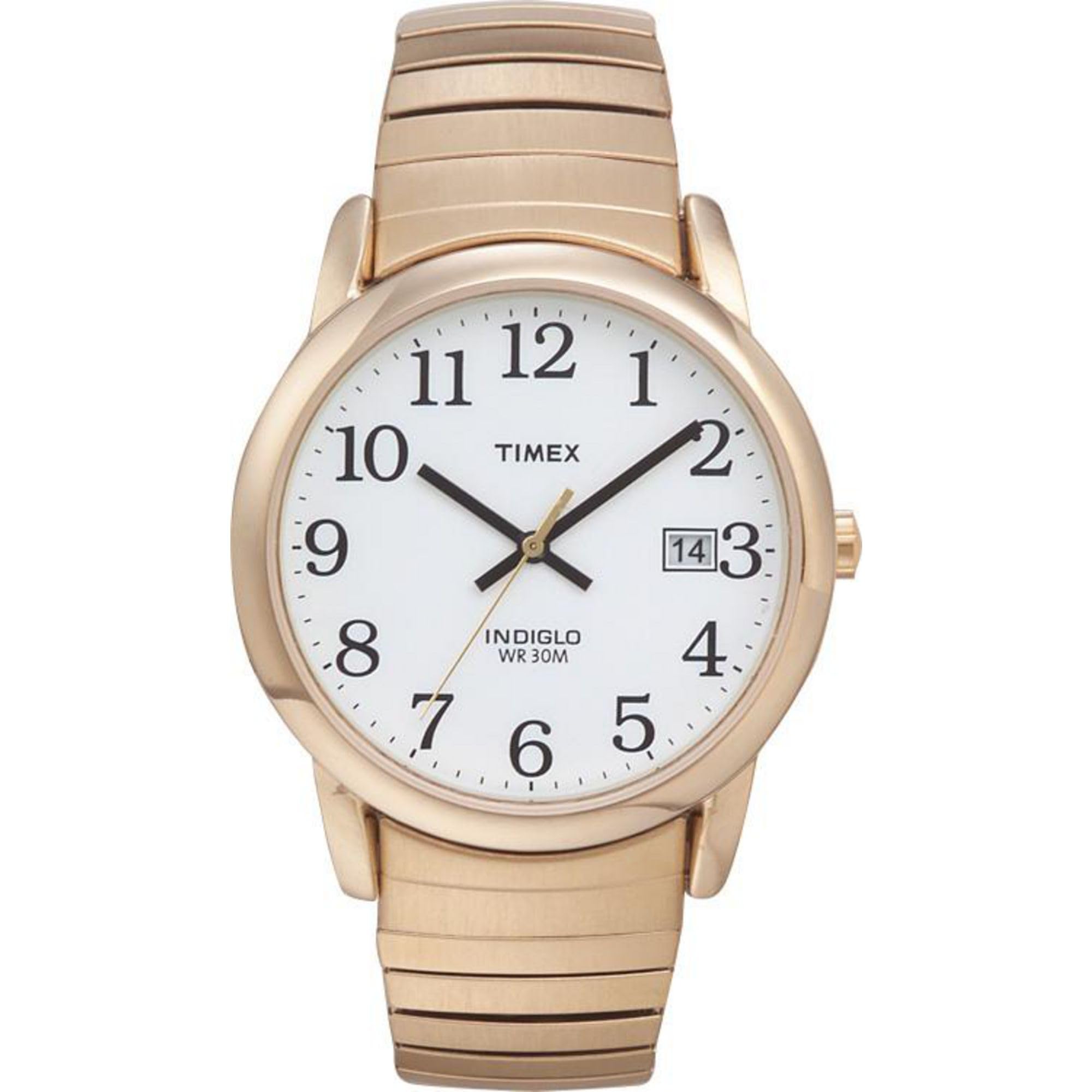
Value at 35 mm usually means a quartz movement in a steel case with a mineral or sapphire coated crystal, often around $80 to $250. Quartz keeps excellent time with almost no attention, which suits a watch bought to be worn daily rather than admired in a box. Look for real water resistance of at least 50 meters, a case with brushed and polished finishing that hides scratches, and a strap you can replace cheaply when it wears. The trap is paying extra for decoration that adds nothing to daily use, such as fragile gold tone plating that rubs away at the edges within a year.
For Gift Shoppers
A 35 mm watch is an unusually safe gift size, because it suits smaller wrists precisely and still reads as a classic dress or everyday watch on medium wrists. Choose a simple dial in a neutral color, a quartz movement so the recipient never faces winding or setting rituals, and a strap with quick release spring bars so they can change the look in seconds. A warranty of at least two years and a presentation box matter more here than exotic materials. Avoid engraving until you are sure of the size and style, since an exchanged watch is a happier outcome than a personalized one that never gets worn.
For People Who Want the Best Performance
Performance in a watch this size means movement quality, durability, and legibility under real conditions. An automatic movement with hand winding and hacking seconds, a sapphire crystal, and 100 meters of water resistance cover almost every daily demand, typically around $400 to $1,200 in this size class. Strong lume that glows through the night and a case in titanium or hardened steel add genuine function. What premium money should not buy is thickness: a performance 35 mm watch that stands 14 mm tall wears awkwardly, so treat case height as a performance spec, not a footnote. If training features such as GPS and heart rate tracking are the real goal, that is a different category, covered by our guide to the best workout watches.
For First Time Buyers
Your first 35 mm watch should be forgiving: quartz accuracy, a readable dial, a strap that adjusts easily, and a price, often around $60 to $200, that lets you learn your taste without regret. Wear it for a few months before judging the size, because many people raised on large watches need a week to recalibrate what normal looks like on their own wrist. Take notes on what you check most, such as the date, low light reading, or comfort under a shirt cuff. Those notes become the shopping list for your second watch, which is when this hobby usually becomes enjoyable rather than confusing.
Key Features to Compare
Five features decide daily satisfaction: the strap system, the movement inside, the true fit on your wrist, the materials that face the world, and how easily you can read the dial at a glance.
Strap and Bracelet Options
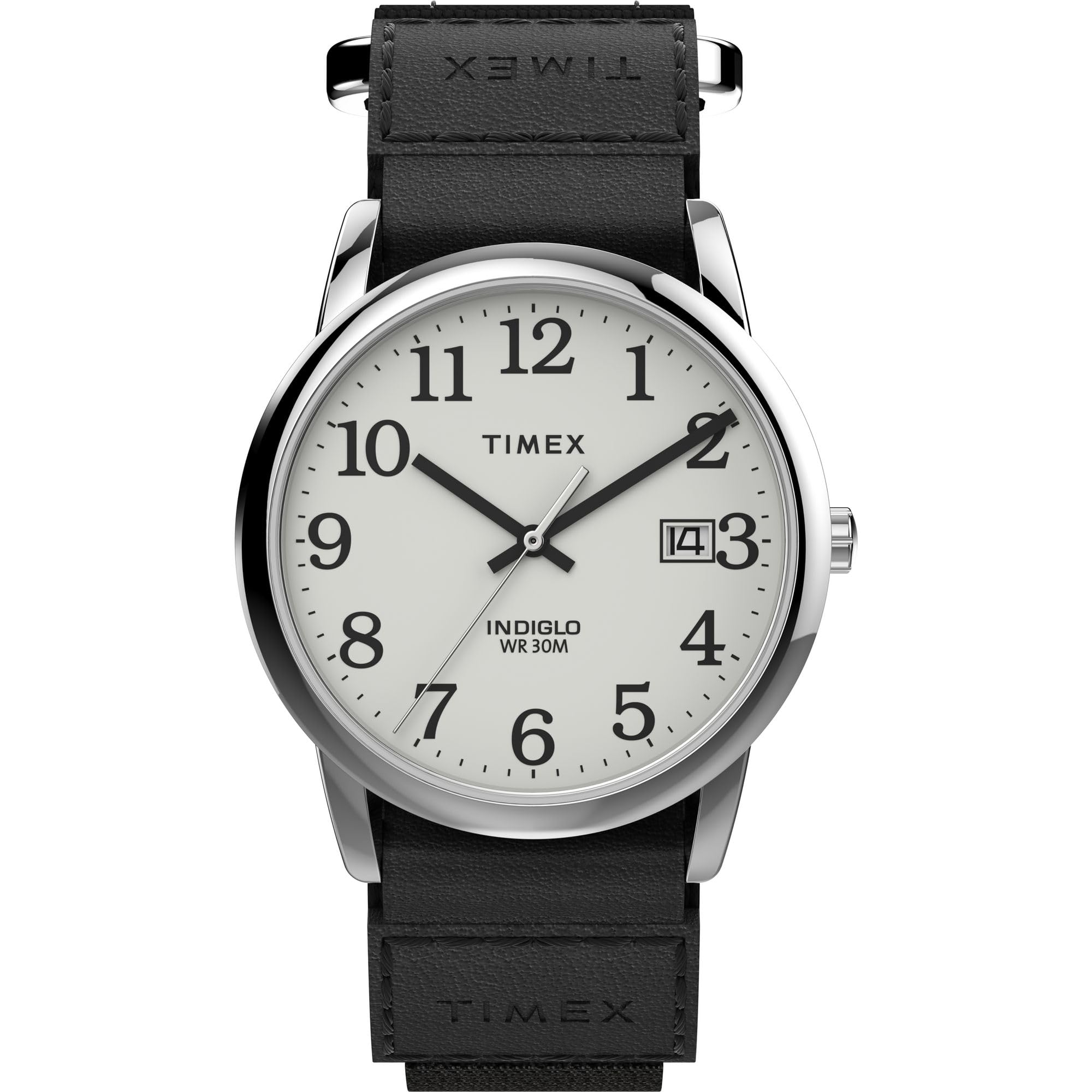
The strap changes a 35 mm watch more than any other part, because at this size the strap is a large share of what people see. Leather suits offices and dress shirts and keeps weight low. A steel bracelet adds presence and survives water and sweat, but must be sized to your wrist and can make a small case feel larger. NATO style fabric straps thread through both spring bars, so the watch stays on your wrist even if one bar fails, and they add almost no bulk. Silicone suits heat and exercise. Whatever the material, quick release spring bars let you swap straps without tools, and standard lug widths, often 18 mm at this case size, keep replacement choices wide and cheap.
Movement Type (Quartz, Automatic, Solar, Smart)
Quartz movements run on a battery, keep time within seconds a month, and ask only for a battery change every two to three years. Automatic movements wind from your wrist motion, carry the charm of tiny gears and a sweeping seconds hand, and need a service every five to seven years to stay accurate. Solar movements charge from light and remove battery changes almost entirely, which suits a set and forget routine. Smart features at 35 mm exist but small screens limit them, so most buyers at this size choose classic movements. Match the movement to your patience: the less you enjoy maintenance, the stronger the case for quartz or solar.
Case Size and Wrist Fit
Case diameter is only one third of fit. Lug to lug length, the distance from strap tip to strap tip across the case, is what decides whether the watch overhangs your wrist; at 35 mm wide, most models measure about 41 to 44 mm lug to lug and sit neatly on wrists from about 5.5 to 7 inches around. Thickness matters under cuffs, where a case under 11 mm slides easily beneath a shirt. To test at home, cut a paper circle 35 mm across and tape it to your wrist: the proportions will surprise you less in the shop. Remember the diameter excludes the crown, so a large crown can add visual bulk the spec sheet hides.
Crystal and Case Materials
Sapphire crystal is the durability benchmark, resisting scratches from everything except diamond, and it appears even on mid priced 35 mm models because the small size keeps cost down. Mineral crystal costs less and resists shattering slightly better, but it collects scratches that cannot be polished out. Acrylic, found on vintage style pieces, scratches easily yet buffs clear with basic polishing paste. For cases, 316L stainless steel is the safe default for corrosion resistance and weight. Titanium feels noticeably lighter and suits sensitive skin, while coated cases look striking until the coating wears at the edges, a limit worth accepting knowingly.
Legibility and Style
A small dial has less room, so clarity depends on contrast and restraint. Applied indices catch light better than printed ones, and lume on hands and key markers keeps the watch readable in a dark theater or on a night flight. A date window helps daily users but can crowd a 35 mm dial, so check that it does not cut through a numeral awkwardly. Style should follow your wardrobe: a plain dial with a leather strap dresses up, while bold numerals and a fabric strap read sporty. Shoppers comparing general standards across sizes may also find our guide to the best quality watches a useful yardstick for finishing and materials.
Common Mistakes to Avoid When Buying 35mm Watches
- Judging size from photos alone. Product photos fill the screen at any size, so use the paper circle test or try the watch on your own wrist.
- Ignoring lug to lug length. A 35 mm case with long straight lugs can overhang a small wrist, while curved lugs make the same case hug it.
- Skipping the strap check. Strap and bracelet options decide comfort and versatility, and a poor stock strap is the most common reason a good watch stays in its box.
- Buying the wrong water resistance. A 30 meter rating means splashes only, despite the number sounding like diving depth.
- Forgetting service costs. An automatic watch needs professional service every five to seven years, so include that cost when comparing against quartz.
Tips to Get the Most From Your 35mm Watch
Service automatic watches every five to seven years, or sooner if timekeeping drifts noticeably, because old oils thicken and wear the movement. Rinse the watch with fresh water after saltwater exposure, once you have confirmed the crown is pushed or screwed fully in, and dry it with a soft cloth. Store watches away from magnets such as tablet covers and speaker drivers, since magnetism is a common and fixable cause of a watch suddenly running fast. Rotate straps with the seasons, leather in cooler months and fabric or steel in summer, and your single watch will feel like several. Gift buyers comparing styles across a wider range can browse our guide to the best watches for guys for broader sizing notes.
FAQs
Quartz or automatic: which is better for a 35mm watch?
Neither is better in absolute terms; they suit different owners. Quartz wins on accuracy, thinness, and low upkeep, which makes it ideal for a single everyday watch. Automatic wins on craft and the pleasure of a mechanical movement, and at 35 mm the smaller rotor still winds efficiently on an active wrist. A useful tie breaker is wearing pattern: a watch worn only on weekends will stop between uses if automatic, while quartz is always ready.
How long does a 35mm watch battery last?
Most quartz batteries last about two to three years, and simple three hand movements sit at the longer end of that range. Features such as alarms, backlights, and chronographs shorten battery life, sometimes to about a year with heavy use. Replace the battery promptly once the watch stops, because a depleted battery left inside for years can leak and damage the movement. A jeweler can also replace the case gasket during the same visit, which protects the stated water resistance.
What case size fits my wrist if 35mm sounds small?
Measure your wrist with a soft tape where the watch will sit. Wrists under about 6.5 inches usually find 35 mm perfectly proportioned, and many larger wrists wear it happily as a dress watch. Lug to lug length matters as much as diameter, so look for about 44 mm or less if your wrist is slim. If you wear mostly sport clothing and prefer presence, you may simply like larger cases, and that preference is fine; fit rules describe proportion, not permission.
How water resistant should a 35mm watch be?
Match the rating to your habits. A 30 meter rating covers hand washing and rain only. At 50 meters, brief swimming is acceptable for most makers, and at 100 meters you can swim and shower without worry. Ratings assume fresh gaskets and a secured crown, and they are tested in still water, so hot showers and diving impacts stress a watch beyond the label. Have seals checked every couple of years if the watch swims regularly.
Is a smartwatch worth it over a classic 35mm watch?
A smartwatch is worth it when notifications, GPS tracking, or health metrics are features you will use daily, and you accept charging every day or two. A classic watch wins on battery life measured in years, on style that survives software updates, and on comfort at this small size. Some owners keep both, a classic 35 mm for work and evenings and a smartwatch for workouts. Decide by the job you need done at 8 in the morning, not by feature lists.
Our Verdict
Fit first, movement second, materials third. Confirm the lug to lug length suits your wrist, choose the movement that matches your patience for upkeep, and insist on sapphire and honest water resistance where your budget allows. Check your finalist against the product table above, and the best 35mm watches for your routine will feel less like a purchase and more like a habit you enjoy daily.