Best 32 oz Water Bottles (2026): Types Compared and Buying Guide
Disclosure: We may earn a commission when you buy through links on this page, at no extra cost to you. As an Amazon Associate I earn from qualifying purchases. Learn more

A practical guide to the best 32 oz water bottle: steel, plastic, and glass bottles, plus lids, cleaning, and storage fit.
A house can end up with a row of bottles by the sink, and still nobody reaches for one, because each lid leaks or each refill trip happens too often. A best 32 oz water bottle choice solves a simpler problem. It holds enough for a morning at home, a desk session, or a school day with one refill, and it still fits the places your family stores bottles. The comparison table below will help you sort the options by material, lid style, and care needs.
This guide focuses on real homes rather than extreme trips. You will see how size fits cabinets and cup holders, how household size changes value, and which features earn their keep in daily use.
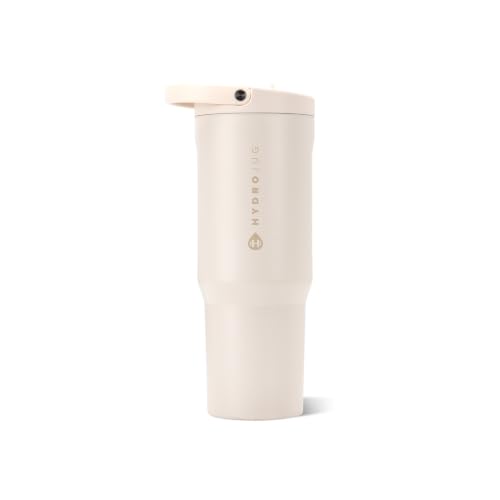
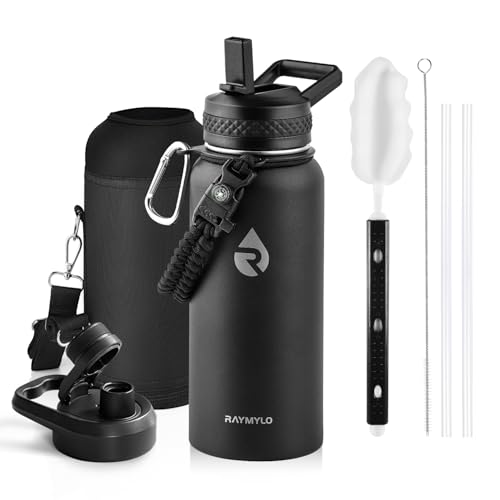

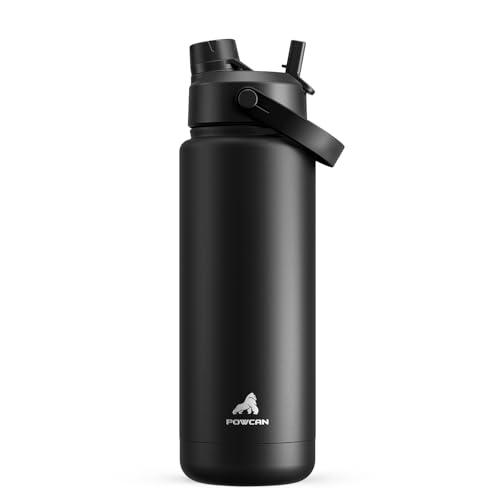
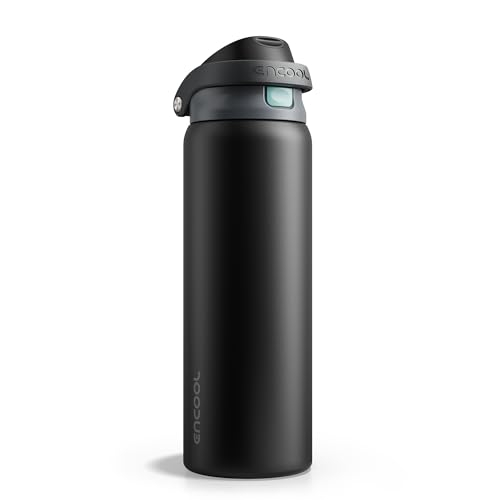
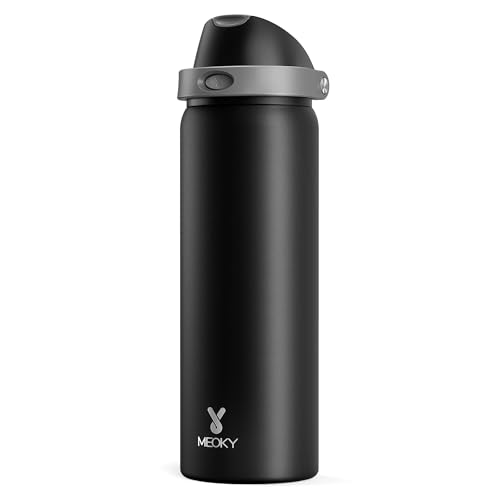
Quick Answer: The Short Version
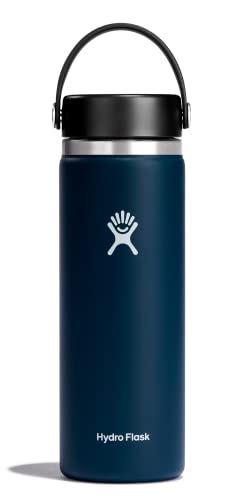
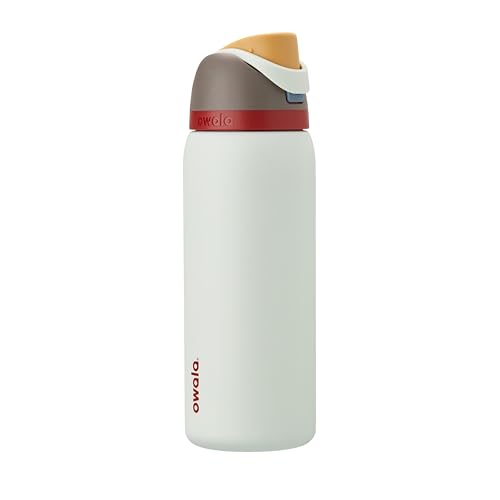
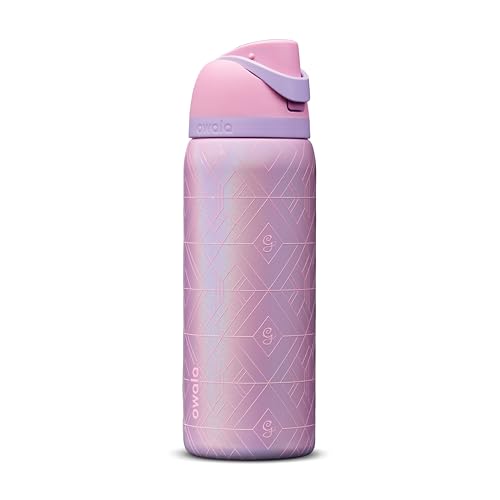
If you want one answer first, choose an insulated stainless steel bottle for most homes, a lightweight plastic bottle when low weight and low cost matter most, and a glass bottle when you prefer the taste of glass at home. All three routes can work well at 32 oz. What changes is weight, care, and how forgiving the bottle is when it gets knocked off a counter.
If you are still comparing sizes across the whole category, start with our broader guide to the best water bottle and then return here once 32 oz feels like the right capacity.
Before You Buy: A Quick Checklist for Choosing a Water Bottle
Capacity is only the first decision. Lid shape, body width, cleaning access, and storage space decide whether a bottle becomes a daily habit or a cabinet leftover. Use our notes on what to look for when buying a water bottle if you want a wider checklist for other sizes.
Size: Match It to Your Space
Smaller bottles in the 16 oz, 20 oz, and 24 oz range suit short outings, but they need frequent refills at home. A 32 oz bottle holds about one quart, so two fills give you about 64 oz across the day. Larger 40 oz options and half gallon jugs cut refills further, yet they grow heavy and wide. Measure your cabinet shelf, fridge door bin, and cup holder before you buy.
Which Type Fits Your Routine
Stainless steel bottles feel sturdy and often pair with insulation that keeps drinks cool for hours. Glass bottles suit home and desk use, give water a clean taste, and often come with a sleeve for grip, but they ask for gentler handling. Plastic bottles are light and low cost, and they work well for school, the gym, and spares for guests. Filtered, collapsible, and motivational styles each solve a narrow need, so choose them only when that need is part of your normal week.
Features Worth Paying For and Ones to Skip
A straw lid helps you drink while walking or driving, while a wide mouth makes adding ice and scrubbing the inside much easier. Time markers can prompt steady sipping through a work shift, and a sturdy handle helps when a full bottle feels heavy for smaller hands. A fruit infuser, a built in filter, or smart tracking adds cost and parts to wash. Skip those extras unless you will use them weekly.
Lead and Cadmium Safety
Painted finishes and ceramic style linings raise a fair question about what touches your water. Look for a clear statement from the maker that the bottle and its finish are made without lead and cadmium, and check for warning labels that some states require. If a listing stays vague about materials, choose a clearer option.
Dishwasher and Microwave Safety
Check the care label for the body and the lid as separate parts, because they often follow different rules. Many plastic and glass bodies can go in a dishwasher, while insulated steel bodies often need hand washing to protect the finish and the vacuum seal. Do not microwave a metal bottle, and only microwave a plastic or glass bottle when the maker states that it is safe to do so.
Single Bottles, Multipacks, and Spare Parts
One bottle suits a single user, while a household with several drinkers may save money with a multipack in distinct colors, since each person can claim one bottle and one shelf spot. Before you buy, confirm that spare lids, straws, and gaskets are sold on their own. A bottle with no spare parts turns into waste the first time a lid cracks.
Realistic Budget Ranges
At under $20, expect simple plastic or basic steel bottles with a plain lid and little insulation. In the about $20 to $30 range, you will see better lids, nicer finishes, and some insulated models with wider mouths. Moving toward under $50 can bring stronger insulation and better spare part support. Spend first on the lid you like, the width that fits your storage, and a mouth you can clean with ease.
Three Bottle Types Compared
Instead of chasing a single winner, compare the three types that cover most homes at this size, using the same tests of space, daily ease, care, and cost. Your best match is the type you will refill, wash, and carry without thinking about it.
Insulated Stainless Steel for Most Homes
This type suits households that want one bottle to move from kitchen counter to car to sideline without much fuss. The steel body resists dents, and insulation keeps water cool through a school day, a commute, or yard work. Weight is the main trade off, since a full steel bottle feels heavier than plastic in a packed bag. If cold water and durability lead your list, our guide to the best stainless steel water bottle covers more steel specific choices.
Lightweight Plastic for Low Cost and Easy Carrying
Plastic bottles earn their place when you need spares, when kids carry their own bottles, or when every ounce in a gym bag counts. A wide mouth design is simple to fill, simple to scrub, and cheap to replace if it gets lost at school. The trade off is that plastic holds smells longer than steel or glass, and it offers no insulation on its own. Choose a design with a firm lid seal and a mouth wide enough for a bottle brush.
Glass With a Sleeve for Home and Desk Use
Glass suits readers who drink mostly at home or at a desk, and who care about taste above all else. Water from glass tastes neutral, the body is simple to wash, and you can see how much is left and whether the inside needs a scrub. A sleeve adds grip and a bit of cushion, but glass still breaks more easily than steel or plastic. If that trade sounds right, see our guide to the best glass water bottle for shapes that fit home storage well.
Our Selection Process
We compared bottle types using maker specifications for capacity, materials, and care rules, plus patterns in verified buyer reviews about leaks, lid wear, and cleaning trouble. We weighed durability, dishwasher guidance, fit for home storage, box contents, and value. When readers ask friends or forums for the best 32 oz water bottle for a family kitchen, the same factors come up again and again, so we kept them at the center of this guide.
Is a 32 oz Water Bottle the Right Size for You?
For many adults, 32 oz is a calm middle ground. One fill covers a morning of work, errands, or chores, and a second fill covers the rest of the day for a lot of people. It avoids the constant refills of a smaller bottle without the bulk of a half gallon jug.
Think about where the bottle travels during your week. A 32 oz body can be too wide for some cup holders and too tall for low cabinets, and a full one adds real weight to a child backpack. For flights and tight daypacks, a slimmer bottle may pack better, and our guide to the best water bottle for travel looks at shapes made for that job. At home, though, the extra capacity usually wins.
- Choose 32 oz if you refill once or twice a day and drink mostly at home, work, or school.
- Choose a smaller size if cup holder width, bag space, or carrying weight is your main limit.
- Choose a larger size if you work outdoors, train for long stretches, or share one bottle station among several people at home.
Common Buying Mistakes to Avoid
- Buying by capacity alone, then finding the bottle is too wide for your cup holder, fridge door, or cabinet shelf.
- Choosing a narrow mouth, then struggling to add ice or reach the bottom with a brush.
- Paying for a filter or infuser you use twice, while the basic lid seal stays weak and prone to leaks.
- Ordering the same color for every person in the house, which leads to mix ups and bottles nobody claims or washes.
- Ignoring spare part support, so one cracked lid ends the life of an otherwise sound bottle.
Cost of Ownership and Care
The purchase price is only part of what a bottle costs you. Straws, gaskets, and lids wear out, and a filtered style adds ongoing filter costs. Budget for one spare lid or gasket set over the life of a daily bottle, and wash the lid parts weekly so seals stay clean and tight. For a full routine, follow our steps on how to clean a water bottle and let every part dry fully before storage.
Rinse the bottle after use, wash it with warm soapy water on a regular cycle, and scrub the mouth and threads where residue collects. Store it with the lid off so air can move through the inside, which prevents the stale smell that makes people give up on a bottle that is otherwise fine.
Your Questions, Answered
What makes one water bottle brand more reliable than another?
Reliability usually comes down to lid design, gasket quality, and spare part support rather than a logo. Brands that sell replacement lids and seals and publish clear care rules tend to serve owners better. A simple lid also fails less often than a complex one. Check recent buyer reviews for repeat leak complaints on the exact lid style you want.
How often should you replace the gasket in a water bottle lid?
Replace a gasket when it looks flattened, cracked, or loose in its groove, or when the lid weeps at the seam after a careful wash and reseat. For a daily bottle, that point often arrives after a year or two, though heavy dishwasher heat can shorten it. Keeping a spare at home means a small leak does not turn into a week of spills.
Is a reusable water bottle worth it for a household?
Yes, for most households it pays off in both cost and routine. A family that refills at home buys fewer single use bottles, clears less clutter from counters and cars, and always knows where a clean drink is. Value drops only when nobody likes drinking from the bottle, which is why lid comfort matters more than extras.
How long does a 32 oz water bottle last?
A steel body can serve for years, a sturdy plastic body often lasts a few school or work years, and glass lasts until it breaks. In practice, lids decide the real lifespan, since hinges, straws, and seals wear first. Retire a bottle when the body cracks, the interior coating flakes, or a smell stays after a deep wash.
What size water bottle does a child need for school?
Many younger children do better with a smaller bottle they can lift and carry without help, since a full 32 oz bottle is heavy in small hands. Older students who play sports after class may welcome the larger size. Test the lid with your child before the first school day, and confirm they can open, close, and seal it alone. A bottle a child cannot close fully will leak.
Final Thoughts
The right bottle is the one that fits your shelves, your bag, and your washing routine, and that your household reaches for without being reminded. Compare the types in the product table above against your space and budget, then pick the material and lid you will enjoy daily. Chosen well, the best 32 oz water bottle for your home becomes part of how your kitchen simply works.