Best 300m Dive Watches: The Buyer Checklist We Use for 2026
Disclosure: We may earn a commission when you buy through links on this page, at no extra cost to you. As an Amazon Associate I earn from qualifying purchases. Learn more

Use this checklist for the best 300m dive watches, covering water resistance, movement, crystal, case fit, lume, warranty and value before you buy.
A 300 meter rating alone does not make a watch a good diver, and a famous name alone does not guarantee value. The best 300m dive watches pass a stricter checklist covering sealing, legibility, movement care and wrist fit. This guide lays out that checklist in full so you can judge any option in the comparison table below on the same clear terms.
Work through each criterion before you look at style or price tier. A watch that fails on water resistance discipline or fit will disappoint, even if its dial looks perfect in photos.


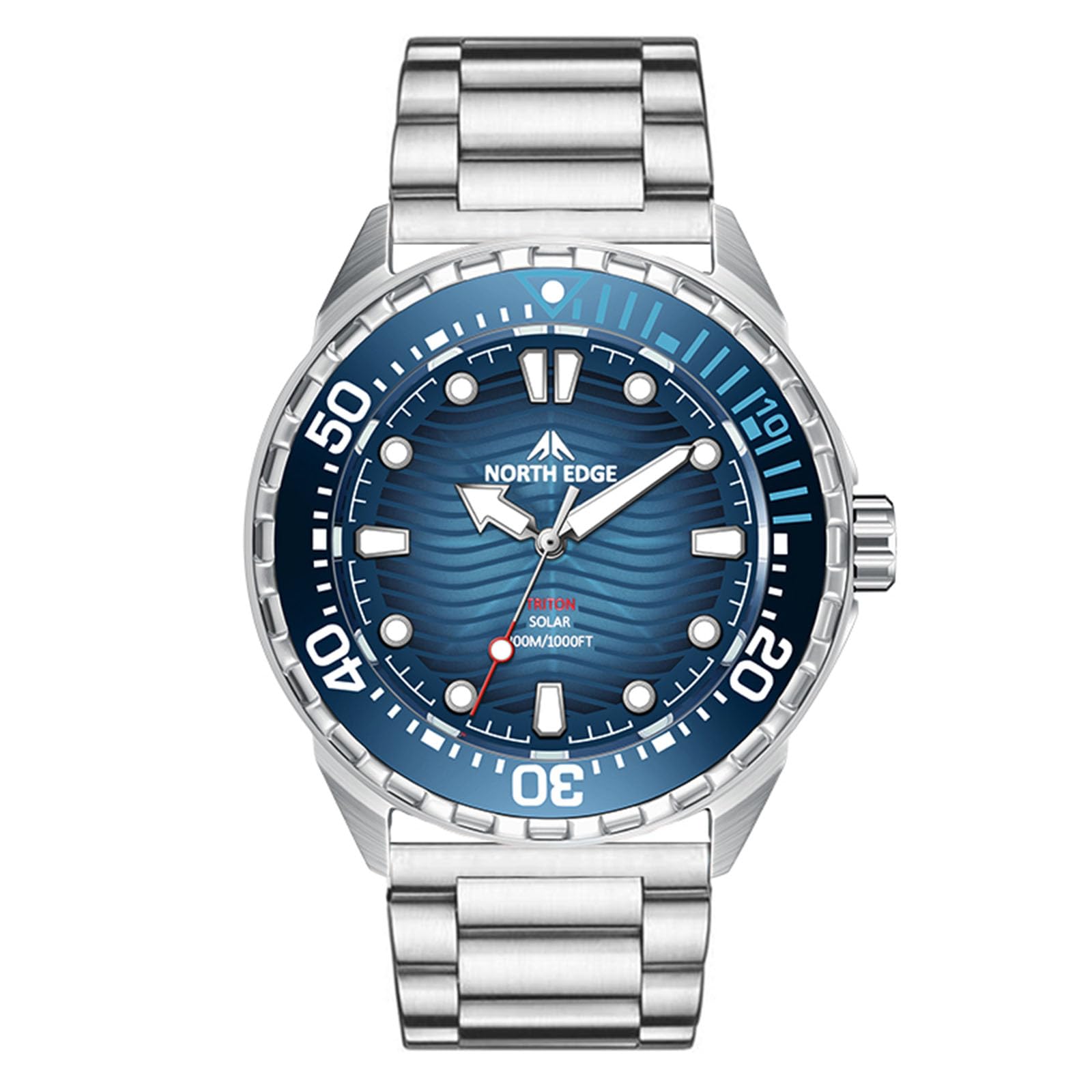
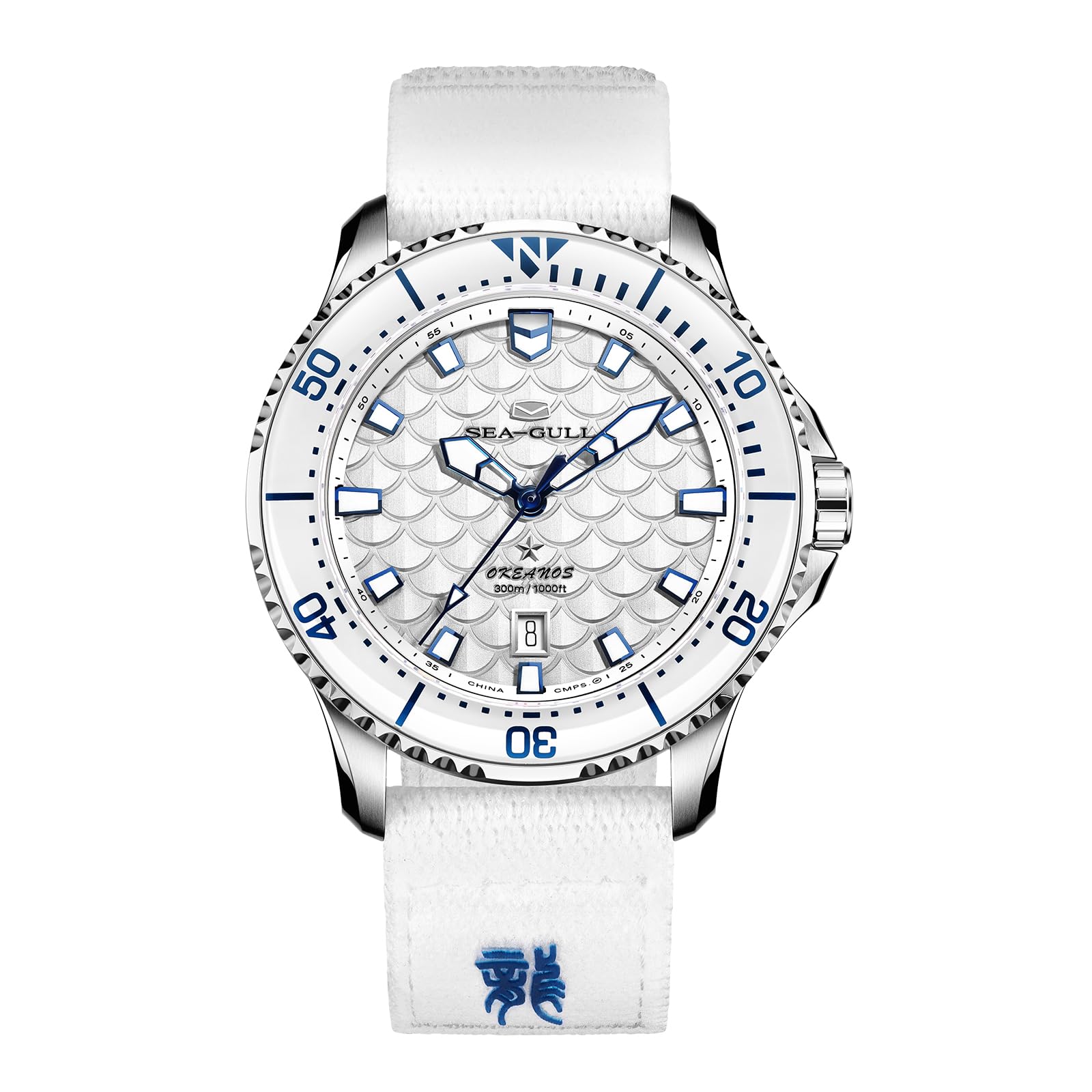
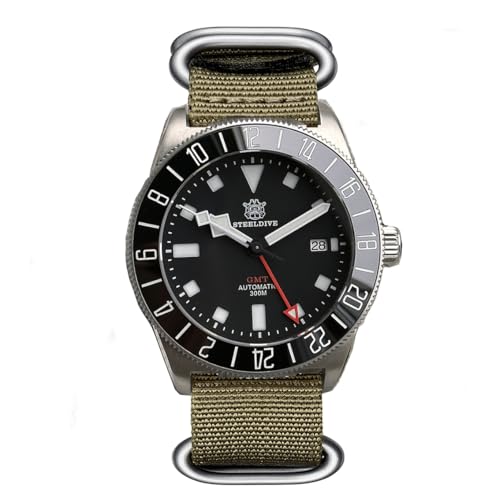
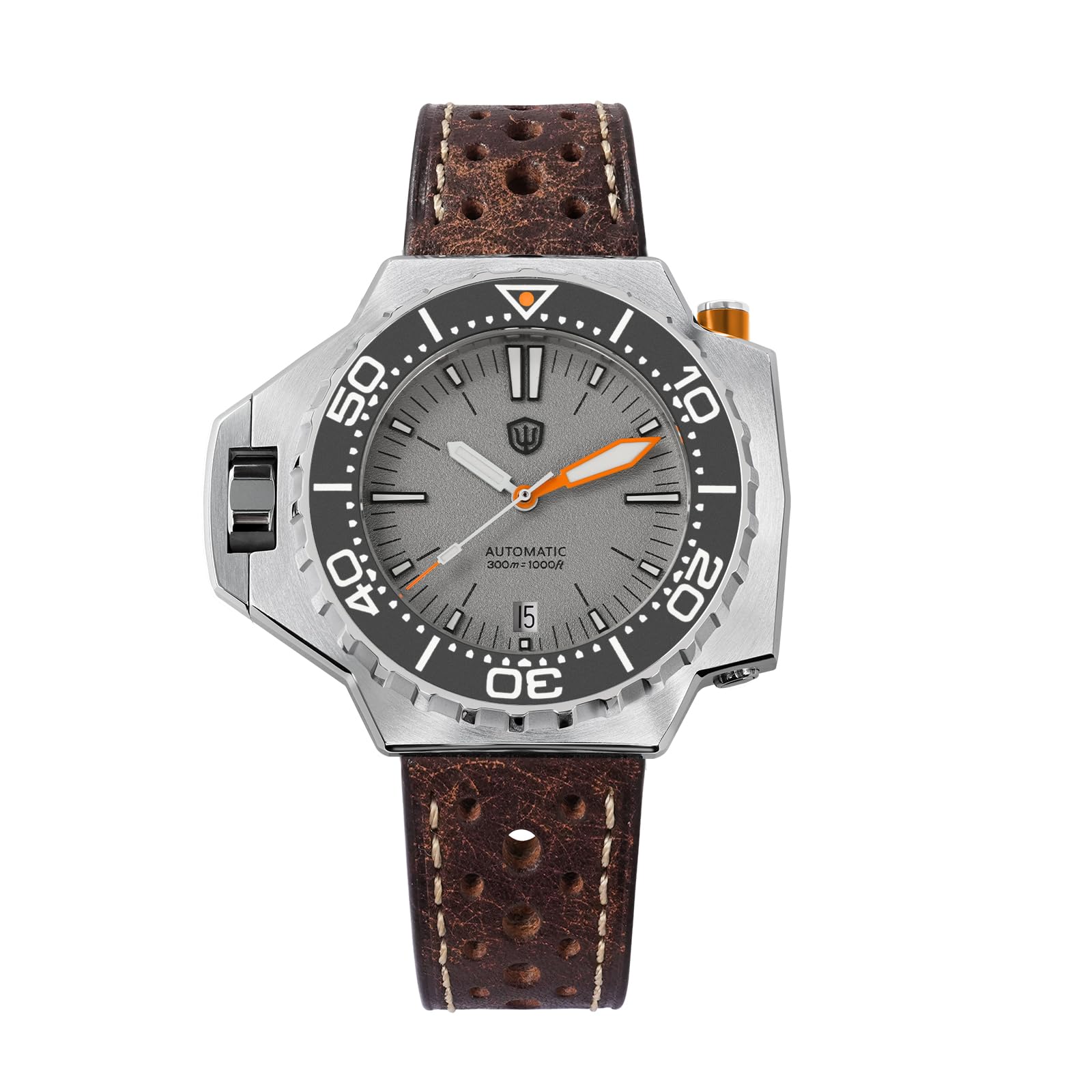


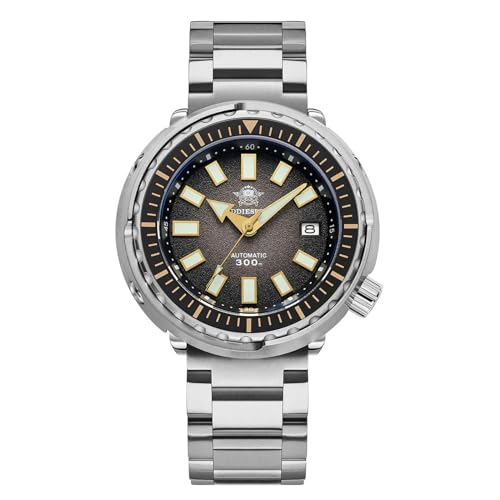
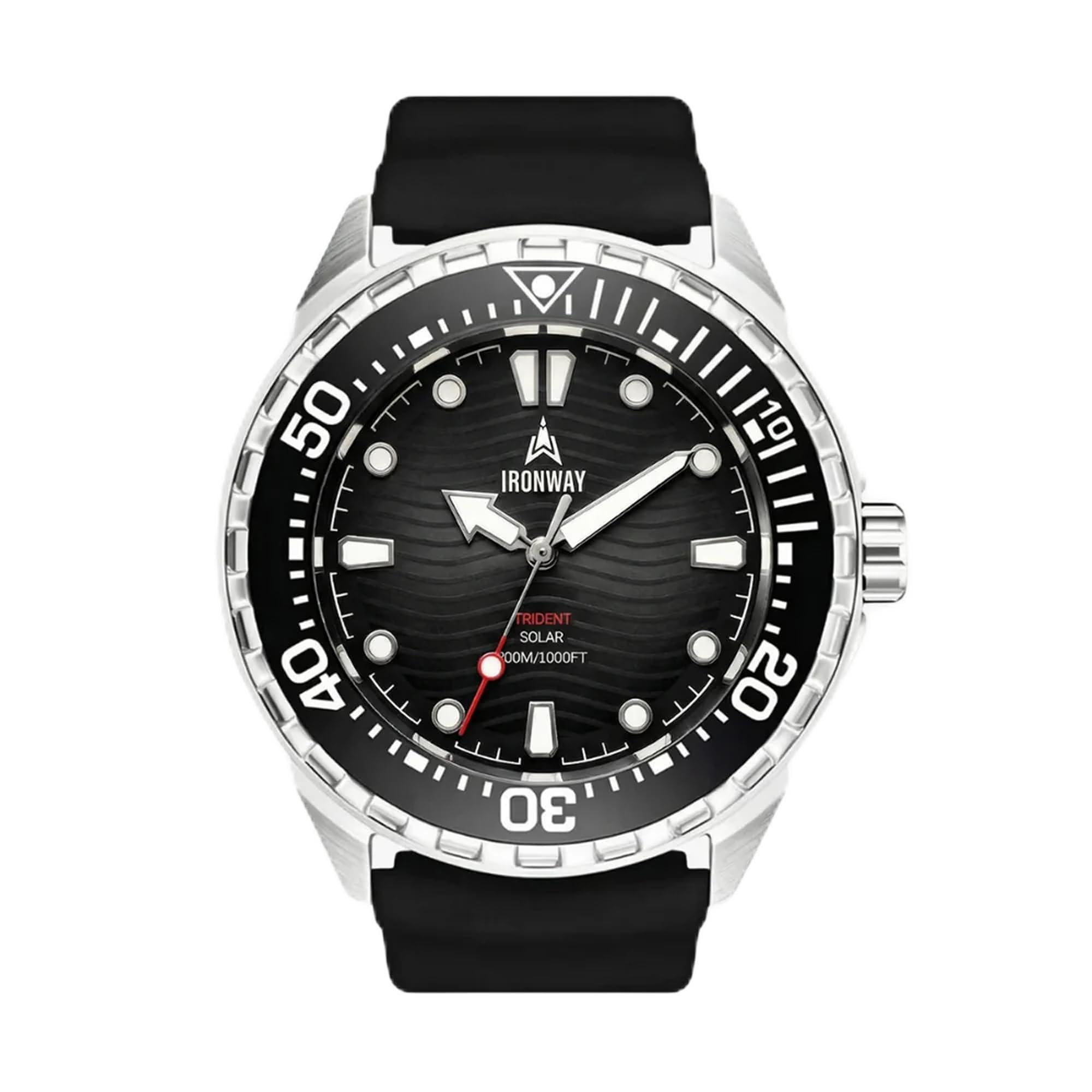
How We Evaluate 300m Dive Watches
Use the thresholds below as pass or fail guides rather than vague impressions. For each criterion, note what counts as strong, what should give you pause, and how the point affects real diving, swimming and daily wear.
Movement Type (Quartz, Automatic, Solar, Smart)
Quartz movements are accurate, affordable and low care, with battery changes every few years and a pressure check after opening. Automatic movements avoid batteries and appeal to collectors, but they need regular wear or winding and service about every 5 to 7 years. Solar charging removes most battery concerns while keeping quartz accuracy. Smart dive computers serve a different purpose and should not replace a proper dive computer for planned dives. Choose based on upkeep you will actually do, because a neglected automatic loses the accuracy that makes timing bezels useful.
Legibility and Style
Legibility underwater depends on contrast, hand shape and lume brightness, not on dial decoration. Look for large markers, a distinct minute hand and lume that charges quickly and lasts through a low light dive or a night reading. A unidirectional bezel should turn with firm clicks and align cleanly at the top marker. Style still matters for daily wear, since most owners wear a dive watch at a desk far more than at depth. A clean dial in a moderate size bridges sport and office settings without looking oversized.
Smart and Fitness Features
Some buyers compare traditional divers with smartwatches that add GPS, heart rate readings and notifications. Those tools help training on land, but fitness sensors are not medical devices and readings can vary with fit and motion. Battery life is the main trade off, since a smartwatch may need charging every day or two while a quartz or automatic diver runs for years of use without a charger. If you dive, treat smart features as a supplement. Your safety plan should rely on rated dive equipment, training and a buddy, not on a general fitness watch.
Water Resistance Rating
A 300 meter rating means the watch was built and tested for serious water use, including recreational scuba when the maker states that use and seals are maintained. Lower ratings tell a different story. A 30 meter watch suits splashes only, 100 meters suits swimming and snorkeling for many makers, and 200 meters is a common true dive threshold. Ratings assume still water and intact gaskets, so heat, age and impacts reduce real protection. Have seals checked regularly, keep the crown screwed down before water contact, and never operate pushers underwater unless the manual allows it.
Brand Reputation, Warranty, and Value
Value combines purchase price, warranty length, service access in the United States and how well the watch holds its condition over years. A longer warranty and a clear service network matter because gasket changes and movement service are part of owning a diver. Established makers and quality focused smaller brands can both pass this test if parts and service remain available. Resale strength is a bonus, not a reason to overpay. The better test is total ownership cost, including service, straps and battery or movement care across ten years.
For style led alternatives, see our guide to the best looking dive watches after you confirm that any option still meets your water use needs.
Crystal and Case Materials
Sapphire crystal resists scratches far better than mineral glass and is the stronger choice for a watch that will face sand, gear and door frames. Mineral glass costs less and can shatter less readily on a sharp impact, but it scratches more easily and those marks cannot be polished out simply. For cases, 316L stainless steel is the proven standard for corrosion resistance and durability. Titanium feels much lighter on the wrist and resists corrosion well, though it can show surface marks and usually costs more. Check bezel insert material as well, since ceramic resists fading and scratches better than painted aluminum.
Case Size and Wrist Fit
Most buyers in this class choose between about 38 and 44 mm in case diameter, but lug to lug length decides fit more than diameter alone. The lugs should not hang beyond your wrist, and thickness matters under a cuff and under a wetsuit. Try the watch with the strap or bracelet you will use most, because a heavy steel bracelet changes balance. A quick release strap system makes swaps for diving, sport and dress use simple, provided the spring bars remain secure. Measure your wrist and compare lug to lug figures before ordering online.
Budget focused readers can compare our guide to the best inexpensive dive watches to see which checklist points survive at lower price tiers.
3 Picks That Pass Our Checklist
Instead of naming models here, use these three profiles to match the product table above to your needs. Each profile states who it serves, which checklist strengths to require and which limitation to accept before you buy.
Best Overall
The overall profile suits a buyer who wants one diver for travel, swimming and recreational scuba plus daily wear. Require sapphire crystal, a reliable automatic or solar movement, strong lume and a bracelet with solid links plus a strap option. Accept a moderate price in the middle tier, roughly about $500 to $1,200 in many cases, as the cost of passing every checklist point without excess. The limitation to accept is size compromise, since a versatile case may feel less bold than a large tool watch and less slim than a dress watch.
Best Value
The value profile suits a buyer who wants true 300 meter construction without paying for prestige. Require a proven quartz or solar movement, a steel case, a clear unidirectional bezel and a warranty you can actually use. At lower tiers, around $150 to $400 in many cases, you may accept mineral glass on some options or a simpler bracelet clasp. The limitation is finish and refinement, which will trail higher tiers in polishing, bezel feel and bracelet quality. Water performance, not decoration, is where your money should go first.
Best Compact Pick
The compact profile suits smaller wrists and anyone who finds large divers tiring over a full day. Require a case near 38 to 40 mm, a short lug to lug span and a lighter strap option for long wear. Price often falls in the middle tier, about $300 to $900 in many cases, because compact true divers are less common than large ones. The limitation is dial size, which gives slightly smaller markers and can read less boldly at a glance underwater. Fit gains usually outweigh that trade off for daily wear.
Readers drawn to smaller independent makers can see our guide to the best microbrand dive watches, and those considering the top tier can see our guide to the best luxury dive watches for how pricing changes materials and finishing.
Quick Buyer Checklist
- Does the maker state the watch is suitable for scuba at 300 meters, not just splash resistance?
- Is the crown screwed down, and does the bezel turn in one direction only with firm, even clicks?
- Does the crystal material match your tolerance for scratches and your budget for replacement?
- Do lug to lug length and case thickness fit your wrist without overhang or excessive height?
- Is lume bright on hands and markers, with a distinct minute hand for low light timing?
- Does the warranty cover water resistance work, and is service available in your country?
- Have you budgeted for gasket checks, pressure testing and movement service over time?
- Does the strap or bracelet include a secure clasp and a way to fit over a wetsuit if needed?
Red Flags to Watch For
- Vague water wording that avoids a clear depth rating or scuba suitability statement.
- No stated crystal material, case steel grade or movement maker, which hides core quality.
- A very short warranty or no clear route for gasket service and pressure testing.
- Review patterns that repeat the same phrases or praise features the specifications do not list.
- Bezel action that feels loose, markers that misalign, or a crown that does not thread smoothly.
A practical know how step is to time a simple check in store or on arrival. Turn the bezel a full rotation, confirm alignment, wind and set the watch, and inspect lume after a brief light charge in a dim room.
Care and Maintenance Tips
Rinse the watch in fresh water after saltwater exposure, then dry it with a soft cloth, including around the bezel and crown. Service automatic watches every 5 to 7 years or as the maker directs, and have gaskets and pressure resistance checked more often if you dive regularly. Store the watch away from strong magnets, which can affect automatic accuracy, and keep quartz models with a low battery from sitting for long periods. Another know how point is to log service dates, because seal age is easy to forget until a fogged crystal reveals a leak.
If you prefer quartz accuracy across the whole category, see our guide to the best quartz dive watches for movement focused comparisons.
300m Dive Watches: Your Questions Answered
How long does a watch battery last?
A typical quartz dive watch battery lasts about 2 to 4 years, depending on movement type and features such as alarms or backlights. Solar models extend that interval by charging from light, though their rechargeable cells still age over many years. Replace a battery through a service point that also changes gaskets and pressure tests the case. Opening a diver at home or at a counter without testing can quietly end its water protection.
How water resistant should a watch be?
For planned scuba use, choose a watch rated at 200 meters or more whose maker states scuba suitability, with 300 meters giving added margin and often stronger construction. For swimming only, many 100 meter watches are sufficient if seals are maintained and the maker allows swimming. Ratings are not permanent, because gaskets age with heat, chemicals and time. When in doubt, have the watch pressure tested before a dive trip rather than trusting an old rating.
Quartz or automatic: which is better?
Quartz is better for accuracy, low cost and minimal upkeep, while automatic is better if you value mechanical craft and no battery changes. Both can power a fully capable 300 meter diver when the case and seals are built correctly. Accuracy differences matter for daily timekeeping, not for bezel timing during a dive. Choose the movement whose service schedule and cost you will follow willingly, since neglected service harms either type.
What case size fits my wrist?
Start with lug to lug length, which should stay within the flat width of your wrist so the case does not overhang. Many wrists near 6.5 inches suit about 38 to 41 mm cases, while larger wrists often handle 42 to 44 mm comfortably. Thickness and strap stiffness change the feel as much as diameter. If you shop online, compare measurements with a watch you already wear well and favor sellers with clear return terms.
Is a smartwatch worth it over a classic watch?
A smartwatch is worth it if notifications, GPS training logs and health tracking are part of your daily routine and you accept frequent charging. A classic diver is worth it if you want years of operation without a charger, simple timing and durability in water. For scuba, neither should replace proper training and a rated dive computer where your plan requires one. Many owners keep both, using the smartwatch for training days and the diver for travel and water.
Final Thoughts
Judge every option by sealing and service, legibility and fit before style or price tier. Those points decide whether a diver stays trustworthy in water and comfortable every day. Compare your short list in the product table above and choose among the best 300m dive watches with confidence in the checklist behind your choice.