Best 3 Inch Mattress Toppers in 2026: Types and Buying Guide
Disclosure: We may earn a commission when you buy through links on this page, at no extra cost to you. As an Amazon Associate I earn from qualifying purchases. Learn more

Compare the best 3 inch mattress topper types by material, firmness, cooling and trial terms to soften pressure points without a new mattress.
A mattress that feels too firm, too warm, or a little worn can leave you shifting all night and waking up sore. A best 3 inch mattress topper adds enough cushion and support to change that feel without the cost of a new mattress. The types compared below group the main options by material, firmness, and cooling so you can narrow your choice fast.
Three inches sits in the middle ground. It is thick enough to soften pressure at your shoulders and hips, yet it still lets the support of the mattress below do its work. This guide explains which type suits your sleep position, body weight, and room temperature.


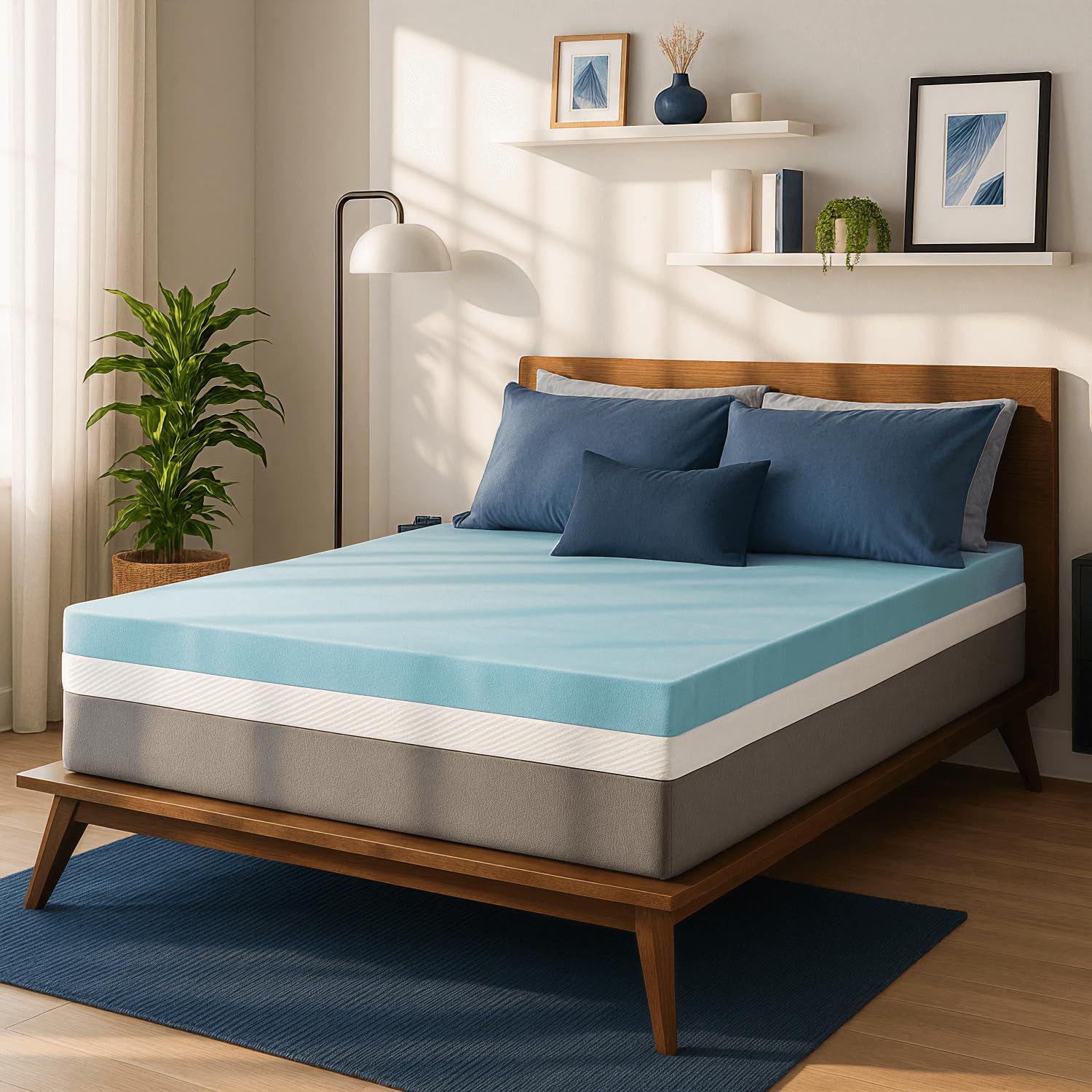


Types of 3 Inch Toppers at a Glance
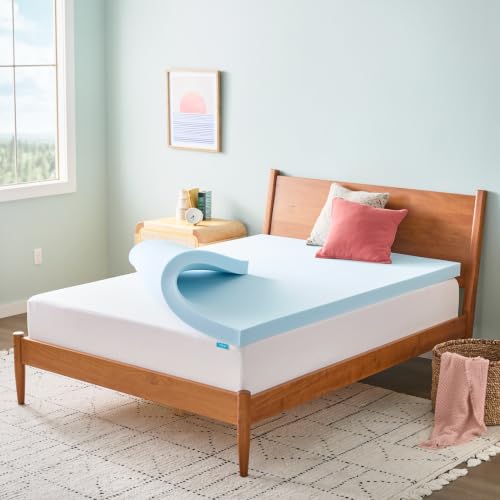
Memory foam gives the closest hug and the strongest pressure relief. It molds to your curves and limits motion from a partner, but plain foam can hold heat and can feel slow when you change position. Gel foam and open cell foam ease some of that heat, though they rarely feel as cool as latex.
Latex feels springy and lifts you instead of letting you sink. It breathes better than most foam and tends to last longer, but it costs more and feels too firm for some side sleepers. If you want a broader starting point, see our guide to the best mattress topper for how thickness and material work together.
Down alternative and wool fills feel plush and add softness more than support. They suit a mattress that is only slightly too firm, and they compress faster than foam or latex. Egg crate foam spreads weight with less material, but its peaks flatten sooner.
How to Evaluate a 3 Inch Topper
Judge every option on the same five points so the differences stay clear. Start with comfort and support, then check the material and any safety certification it carries. Look next at heat control, how long the fill should keep its shape, and what trial and warranty terms protect your purchase.
Use maker specs and verified buyer comments as your sources. A firmness label means little on its own, since the same foam feels softer under a light sleeper and firmer under a heavy one. Match each rating to your own weight and position.
Who Should Buy a 3 Inch Topper
Side Sleepers With Shoulder and Hip Pressure
You sleep on your side and wake with a sore shoulder or hip where your weight presses into a firm surface. Three inches of foam gives those joints room to sink while your waist still gets support, which helps keep your spine in a straighter line. Choose a soft to medium feel, and avoid a very firm latex layer that can push back at the shoulder.
Back Sleepers on a Mattress That Feels Too Hard
You sleep on your back and feel pressure under your lower back and heels, but your mattress still supports you well overall. A medium firm topper can fill the small gap at your lower back and soften the surface without letting your hips drop too low. If pain is your main concern, our guide to the best mattress topper for back pain covers support needs in more detail.
Hot Sleepers Who Need More Airflow
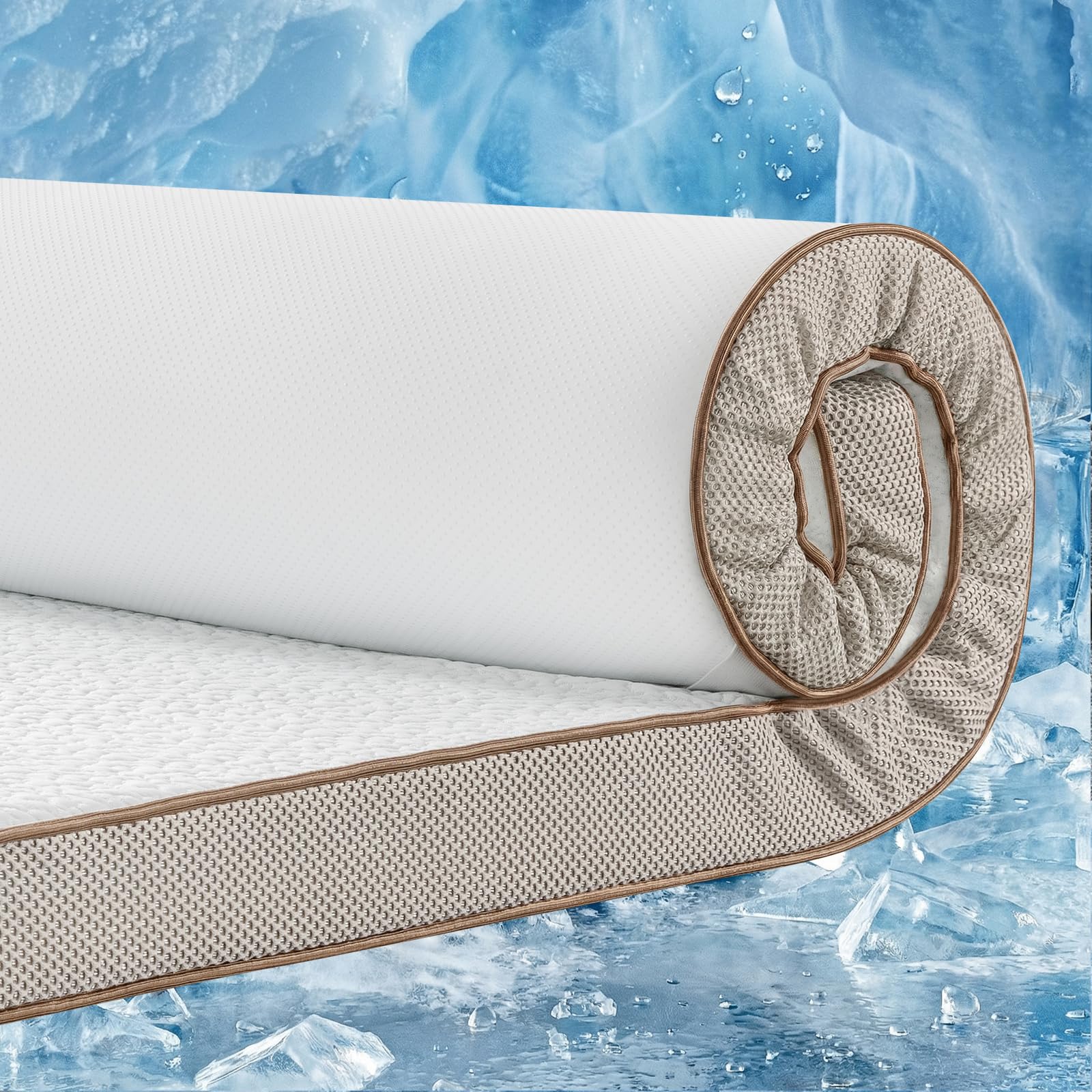
You run warm and a thin pad has not helped, yet you still want real cushion. Look for latex, wool, or a foam with vents or a breathable cover, and skip dense foam with a thick synthetic cover. You can compare cooling designs in our roundup of the best cooling mattress topper options before you decide.
How to Choose the Right Mattress Topper
Size and Form Factor
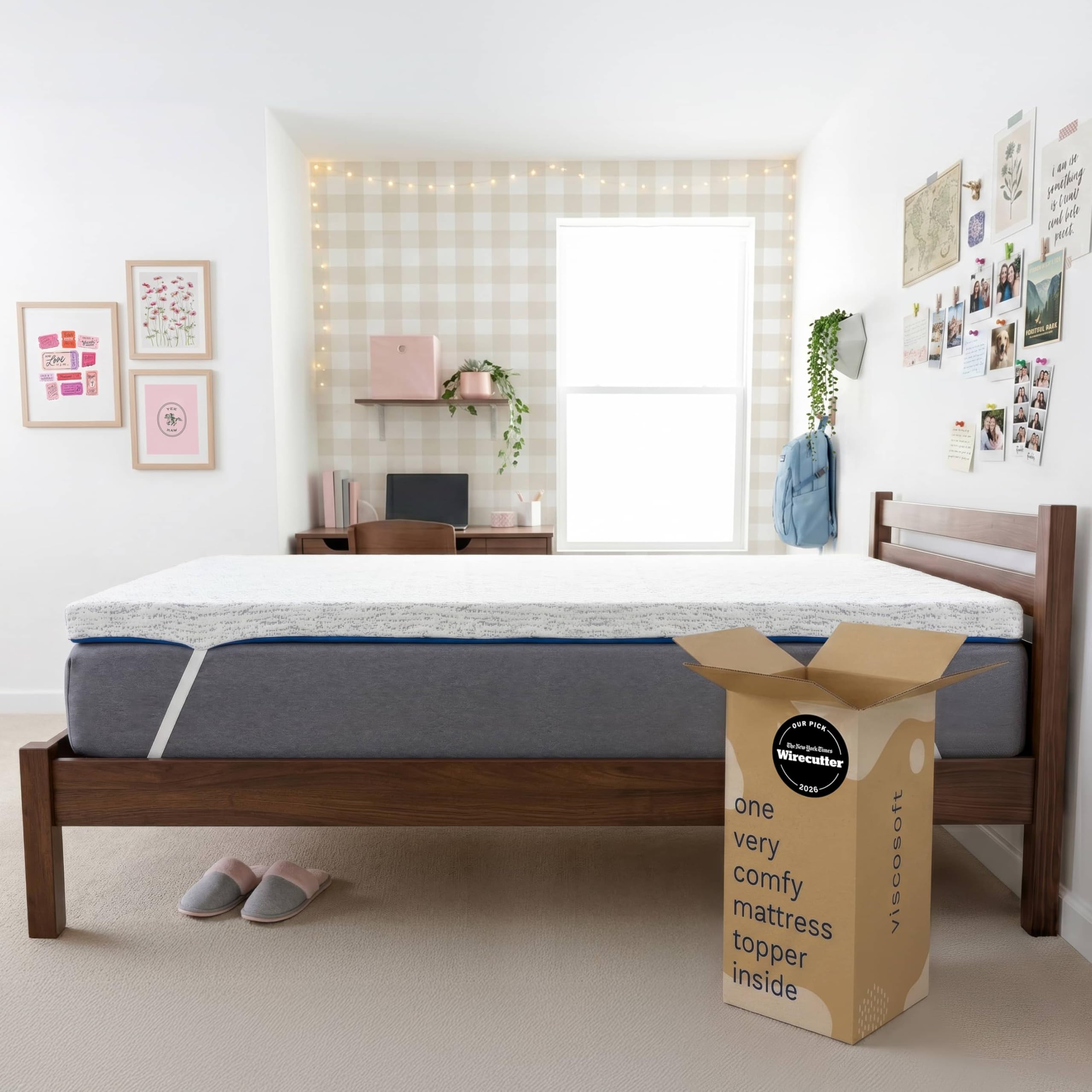
Match the topper size to your mattress exactly, in twin, twin XL, full, queen, king, or California king. A topper that stops short leaves an edge you can feel, and one that hangs over will bunch under the sheet. Measure your mattress depth too, since three extra inches may call for deep pocket sheets. A fitted sheet with extra room, or a cover with straps, helps hold the layer flat through the night.
Material and Type
Pick the material by the change you need most. Memory foam suits pressure relief and motion control, latex suits bounce and airflow, and fiber fills suit light softness at a lower cost. Gel foam sits between foam and cooling types, adding a cooler first feel that may fade as the night goes on. For a direct contrast of the two most common fills, read our take on latex vs memory foam topper before you buy.
Features Worth Paying For
A removable cover you can wash is worth the extra cost, since the topper itself is hard to wash well. Corner straps or a skirt help if you move a lot in your sleep. Cooling gel and punched vents can help warm sleepers, but they add little if the foam below is dense and sealed. Skip extras that do not solve a problem you actually have.
Sleep Position and Body Type
Your weight changes how three inches will feel. Lighter sleepers sink less, so a softer layer gives them the pressure relief they need. Heavier sleepers compress the layer more, so they need a denser, firmer foam or latex that will not bottom out against the hard mattress below. Stomach sleepers should stay on the firm side, since a soft thick layer can lift the chest and let the hips sink, which strains the lower back.
Materials and Certifications
Look for foam that carries CertiPUR US certification, which sets limits for certain emissions and checks content and durability. Textile covers may carry OEKO TEX certification, which screens fabrics for harmful substances. These labels do not prove a topper will feel good, but they give you a clearer record of what is inside. If a new foam smell bothers you, air it in a ventilated room for a day before use.
Cooling and Breathability
Heat builds where your body sinks deepest, so the fill and the cover matter together. Latex with an open structure and wool that wicks moisture tend to sleep cooler than dense foam. Gel layers can feel cool at first, but steady airflow matters more over a full night. Pair the topper with breathable cotton sheets and avoid a waterproof cover unless you need one, since plastic style layers trap heat.
Trial Period and Warranty
A home trial of at least a few weeks lets you judge a topper after the first night novelty fades. Your body may need a week to adjust, so do not decide on night one alone. Check return terms before you open the box, and note whether return shipping is free. A warranty should cover deep impressions and defects, not normal softening.
How Much Should You Spend?
Basic fiber and egg crate foam toppers often cost under $50, and they add light softness for a guest bed. Most solid foam and gel foam options fall at about $100 to $200, where you get better density and a washable cover. Latex and premium wool options can reach about $200 to $300, and that higher spend mainly buys durability and airflow.
Is a 3 Inch Topper the Right Thickness for You?
Choose two inches if your mattress feels almost right and you only want a touch of softness, since a thinner layer keeps you closer to the support below. Choose three inches when pressure points or a firm surface are the real problem, because the extra depth gives your shoulders and hips more room to sink.
Four inches can help on a very hard mattress, but it can feel unstable and make a soft mattress feel mushy. Three inches is the safer middle choice for most beds in good shape. If your mattress sags or has deep dips, a topper will follow that shape and will not restore lost support.
Common Mistakes to Avoid
- Buying a soft topper to fix a sagging mattress, which leaves the dip in place and can make back strain worse.
- Choosing thickness without checking sheet depth, which leads to corners that pop off during the night.
- Ignoring your sleep position, which leads side sleepers to buy foam that is too firm and stomach sleepers to buy foam that is too soft.
- Expecting gel foam alone to solve overheating, while keeping flannel sheets and a heavy duvet that trap heat.
- Throwing away the box and trial paperwork on day one, which makes a return far harder if the feel is wrong.
- Placing a topper on a damp or dirty mattress, which traps odor and moisture under the new layer.
How to Make Your Topper Last Longer
Let a new foam topper expand fully before you sleep on it, often a full day. Rotate it head to foot every few months so the areas under your shoulders and hips wear more evenly. Use a washable cover to catch sweat and spills before they reach the foam.
Spot clean small marks with a mild soap solution and let the area dry fully before you remake the bed. Keep the topper out of strong direct sun, since heat and light can break down foam. For full washing steps by material, follow our guide on how to clean a mattress topper rather than soaking foam that should stay dry.
FAQ
What is the best 3 inch mattress topper for a guest room?
For a guest room, pick a medium feel memory foam or down alternative topper that suits the widest range of sleepers. Medium firmness avoids the extremes that guests may dislike, and a washable cover makes turnover between visits simple. Store the original bag if you plan to move it, since a queen foam topper is bulky once it has fully expanded and is hard to roll tight again.
What size mattress topper do I need for a dorm bed?
Most dorm beds use twin XL, which is longer than a standard twin, so check the housing guide before you order. A standard twin topper leaves a gap at the foot that you will feel through the sheet. Bring deep pocket twin XL sheets as well, because the added three inches make standard sheets pull free at the corners.
How long does a 3 inch mattress topper last?
Most foam toppers keep their shape for about three to five years, while latex often lasts longer and fiber fills flatten sooner. Rotating the topper and using a cover can slow wear, but a lasting body impression that no longer springs back is a sign to replace it. Weight matters too, since daily use by a heavier sleeper will compress foam faster than occasional use in a guest room.
Can a 3 inch mattress topper help on a sofa bed?
Yes, a three inch layer can mask the bar and thin padding that make many sofa beds uncomfortable. Measure the fold area first, since the topper must come off before the bed folds away. Choose a lighter foam or fiber fill for this use, because dense latex is heavy to lift and store each morning.
How do you keep a 3 inch mattress topper from sliding?
Start with the right size and a fitted sheet that grips both the topper and the mattress below. If it still shifts, add corner straps or a thin nonslip rug pad cut to size between the mattress and the topper. Smooth it flat each time you change the sheets, since small folds at one corner will pull the layer off center over time.
Is a 3 inch mattress topper worth it instead of a new mattress?
It is worth it when your mattress still gives even support and you only need to change surface feel, soften pressure, or sleep cooler. It is not worth it when the mattress sags, squeaks, or leaves you sore from poor support, since a topper follows the shape below it. Use the trial period as your test, and put the savings toward a new mattress if support is the real fault. Our checklist on how to choose a mattress topper can help you weigh that call.
Final Thoughts
The best 3 inch mattress topper for you depends on how you sleep, how much you weigh, and whether heat or pressure bothers you most. Match the material to that need, confirm the size and sheet depth, and use the trial to judge the feel over several nights. Look back at the product table above to compare types, then choose the layer that fixes your main problem.