Best 3 1 2 Car Speakers: Every Type Explained Side by Side for 2026
Disclosure: We may earn a commission when you buy through links on this page, at no extra cost to you. As an Amazon Associate I earn from qualifying purchases. Learn more

Compare the best 3 1 2 car speakers by type, strengths, ideal users and price range to choose the right style for your dash and radio.
Small dash and pillar speakers look simple, yet the listings mix coaxial designs, different cone materials, and power numbers that seem to contradict each other. It is easy to buy a pair that does not fit your openings or that your factory radio can barely drive.
This guide compares each type of best 3 1 2 car speakers side by side, in plain language, so you can match a style to your vehicle, your radio, and your budget. The product table below gives the quick view, and the sections after it explain the trade offs behind each row.


Types of 3 1 2 Car Speakers Compared
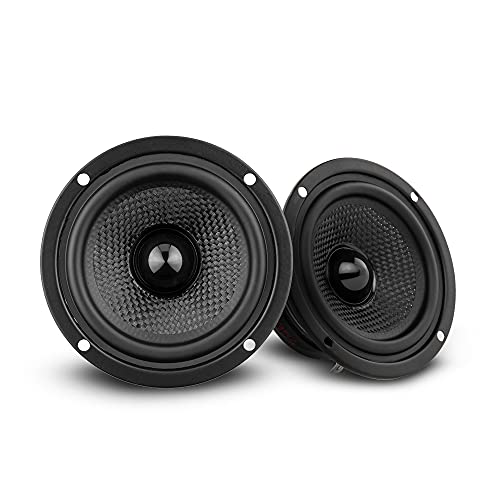
Almost every 3.5 inch speaker is a coaxial design, meaning a small tweeter sits in the center of the woofer cone, because space is too tight for separate drivers. The real differences are cone and tweeter materials, sensitivity, power handling, and mounting depth. Budget pairs often use basic cones and simple tweeters at around $25 to $50, mid range pairs add better materials and crossovers at about $50 to $100, and premium pairs with strong magnets and refined tweeters can run about $100 to $200.
Compact/Portable Options
In this size class, compact means shallow mounting depth and a small magnet that clears tight dash openings, ducts, and wiring behind the panel. These speakers suit older vehicles and crowded dashboards where a deep basket simply will not fit. The benefit is an easy drop in install with no cutting. The cost is bass: a shallow cone moves less air, so low notes stay thin. Choose this type when fit is your main problem and you mainly want clearer voices, podcasts, and top end detail over your worn factory speakers.
Budget/DIY Options
Budget pairs are the classic weekend project: simple coaxial speakers with modest power needs that a factory radio can drive without an amplifier. They often use polypropylene cones, which resist heat and humidity inside a dash, and basic dome tweeters. Sound is a clear step up from tired paper factory cones, though loud volume can turn harsh. They suit a first upgrade, a second car, or anyone learning the install on their own. Many owners later pair them with larger door speakers once they hear what a balanced system can do.
Pro Grade Options
Pro grade pairs focus on accurate, controlled sound rather than flashy output. Expect treated cones, silk or quality soft dome tweeters, and a proper crossover network that keeps harsh frequencies out of the tweeter. These speakers reward a clean signal, so they shine with a decent head unit or a small amplifier and careful gain setting. They cost more and may need minor trimming or adapter rings, but for drivers who listen closely on long commutes, the smoother vocals and natural cymbals are worth the effort.
Premium Options
Premium 3.5 inch speakers use rigid light cones, strong magnets, and metal or high grade textile tweeters to deliver the most detail this small size can offer. They handle more power, stay composed at higher volume, and image well from dash or pillar positions close to ear level. The trade offs are price and sensitivity to install quality: a poor signal or a rattling mount will expose flaws instead of hiding them. Choose premium when the rest of your system is already upgraded and these small speakers are the final link, not the first.
Compact/Portable Options vs Budget/DIY Options: Which Should You Choose?
These two types overlap in price, so decide by constraint. If your dash opening is shallow or crowded, the compact type wins because it fits without cutting, spacers, or strained panels. If you have normal depth and want the fullest sound per dollar, the budget DIY type usually gives a larger magnet and a bit more midrange body. On power, both run happily from a factory radio thanks to modest RMS needs. On effort, compact pairs install fastest, while budget pairs sometimes need simple harness adapters. On long term plans, budget pairs pair well with later upgrades, while compact pairs are best seen as a final answer for a tight space. Drivers planning bigger door upgrades can compare the best 6 1 2 door speakers to plan the system as a whole.
How to Choose the Right 3 1 2 Car Speaker
Ease of Installation
Most 3.5 inch swaps are among the easiest speaker jobs: pop a grille or panel, remove two to four screws, and connect the new pair. True plug and play results depend on the connector, so budget for a vehicle specific harness adapter if you want to avoid cutting factory wires. Check mounting depth and tweeter height before ordering, because a proud center tweeter can foul the factory grille. If your dash needs major disassembly to reach the speakers, that labor, not the wiring, is the real cost.
Features and Extras
Useful extras include included grilles, foam gasket tape for a rattle free seal, inline bass blockers that protect small cones from low frequencies they cannot play, and swivel tweeters that aim sound toward the seats. Sensitivity ratings matter more than peak power stickers: a higher sensitivity speaker plays louder on the same radio power, which is gold in a factory system. Shoppers building a fuller front stage often look at the best sounding 6 1 2 car speakers for the matching door position.
Warranty and Brand Support
Dash speakers live in brutal conditions, baking in summer sun and freezing in winter, so a clear warranty of at least one year is worth having. Buy from sellers who publish full specifications, including RMS power, impedance, and depth, because vague listings usually mean vague support. Keep your receipt and register the product if the maker offers it. Good support also means available adapter rings and published fitment charts, which save guesswork long before anything goes wrong.
Vehicle Compatibility
Confirm the year, make, and trim of your vehicle, because the same model can use different dash speakers across trims and sound packages. Measure the opening and the depth behind it, and check whether your factory system uses a low impedance load or an active crossover that sends only high frequencies to the dash. In amplified factory systems, the new speaker must match the intended frequency role, or the balance will sound wrong. Owners comparing a slightly larger dash option can also check the best 5 1 4 car speakers to see whether their openings could accept that size instead.
Care and Maintenance Tips
Check your owner manual and the speaker maker guide for the exact specifications and mounting notes for your vehicle before you start. Keep dash speakers out of standing water during windshield or deep cleaning work, and never spray cleaner directly onto the cone. If bass blockers or crossovers were installed, confirm they stay dry and secured so they cannot rattle loose. Recheck mounting screws after the first few weeks, since heat cycles and road vibration can loosen them slightly. Listeners who later chase stronger low end usually move on to the best bass 6 1 2 car speakers for the doors rather than pushing small dash speakers harder than they should go.
3 1 2 Car Speakers: Your Questions Answered
What specs matter most for 3 1 2 car speakers?
Sensitivity and RMS power matter most, in that order. Sensitivity tells you how loud the speaker plays on your actual radio power, and a rating around 88 dB or higher suits factory systems well. RMS shows how much amplifier power it can handle continuously; ignore inflated peak numbers. After that, check impedance, usually 4 ohms, and mounting depth, because a great spec sheet means nothing if the speaker cannot fit or match your system.
Will 3 1 2 car speakers fit my vehicle?
They fit only vehicles with a 3.5 inch dash, pillar, or rear deck opening, which is common in many older and some current models. Measure both the opening diameter and the depth behind it, and confirm the mounting tab pattern, since some openings use two ears and others use four screws. A fitment guide from the seller helps, but your own tape measure settles arguments. Adapter rings can solve minor tab mismatches cheaply.
Do I need professional installation for 3 1 2 car speakers?
Usually not. Most owners finish the swap with basic hand tools in under an hour, because the speakers are small and the wiring is a simple two wire connection, with attention to keeping positive and negative consistent on both sides. Choose a professional if your dash panels are fragile, airbags sit near the work area, or your factory system is actively amplified and needs checking. Safety note: disconnect the battery before working near airbag zones.
How long do 3 1 2 car speakers last?
A decent pair typically lasts five to ten years, and dash heat is the main enemy, slowly drying foam surrounds and fading materials. Polypropylene cones and rubber surrounds age best in hot cabins. You will know wear is winning when voices crackle at moderate volume or one side sounds noticeably duller. Keeping volume below the point of distortion extends life more than any other habit, because clipped signals cook small voice coils quickly.
Our Verdict
Match the type to your constraint first: shallow fit, easy budget swap, accurate pro sound, or premium detail. Then confirm sensitivity, RMS, and depth against your vehicle before you spend. Small speakers cannot make big bass, but the right pair transforms clarity where your ears notice it most. Look back at the product table above with those checks in hand, and choosing the best 3 1 2 car speakers for your car becomes a quick, confident call.