Best 20 Lb Weighted Blanket in 2026: Buying Guide and Top Picks
Disclosure: We may earn a commission when you buy through links on this page, at no extra cost to you. As an Amazon Associate I earn from qualifying purchases. Learn more

What to look for in the best 20 lb weighted blanket: the main types, key features, realistic price ranges and mistakes to avoid before you order.
Twenty pounds sounds simple, but two blankets with the same weight on the label can feel completely different on your body. One spreads its weight evenly and stays put all night, while another pools its fill at your feet and leaves your chest feeling bare. If you are shopping for the best 20 lb weighted blanket, the label weight is only the starting point. Pocket size, fill type, fabric, and dimensions decide whether that weight feels calming or clumsy, so compare those before anything else.
This guide compares the main types of 20 lb blankets on comfort and support, materials and certifications, and temperature control, then covers the sizing and care details that matter later. Use the product table below the intro to scan current options side by side, and see our guide to the best weighted blanket to weigh this size against lighter and heavier choices.





Is a 20 Lb Weighted Blanket the Right Weight for You?
The usual sizing advice is to pick a blanket close to 10 percent of your body weight. By that rule, a 20 lb blanket suits adults who weigh roughly 170 to 230 pounds, and it lands almost exactly on target at about 200 pounds. If you weigh much less, the pressure can feel restrictive instead of relaxing, and a 15 lb model will likely serve you better. Our overview of the best weighted blanket for adults explains how the lighter weights fit smaller frames.
Preference matters as much as the math. Back sleepers usually adapt fastest because the weight spreads across a wide surface. Side sleepers often prefer the blanket a touch lighter, because much of the weight rests on one shoulder and one hip. Expect the first two or three nights to feel unusual before your body settles into it.
Skip this weight, and ask your doctor first, if you have sleep apnea, breathing problems, or circulation issues. A weighted blanket is not meant for anyone who cannot remove it on their own, and for children you should follow the manufacturer's instructions on age and weight. Stop using it and ask your doctor if you notice breathing trouble, numbness, or new pain while sleeping under one.
Types of 20 Lb Weighted Blankets Compared
Start with the three construction styles you will see at this weight, because the style decides most of what you feel each night. The best 20 lb weighted blanket for you is the style that matches your sleep temperature, your bed size, and how much upkeep you are willing to do.
Quilted Blankets With Bead Fill
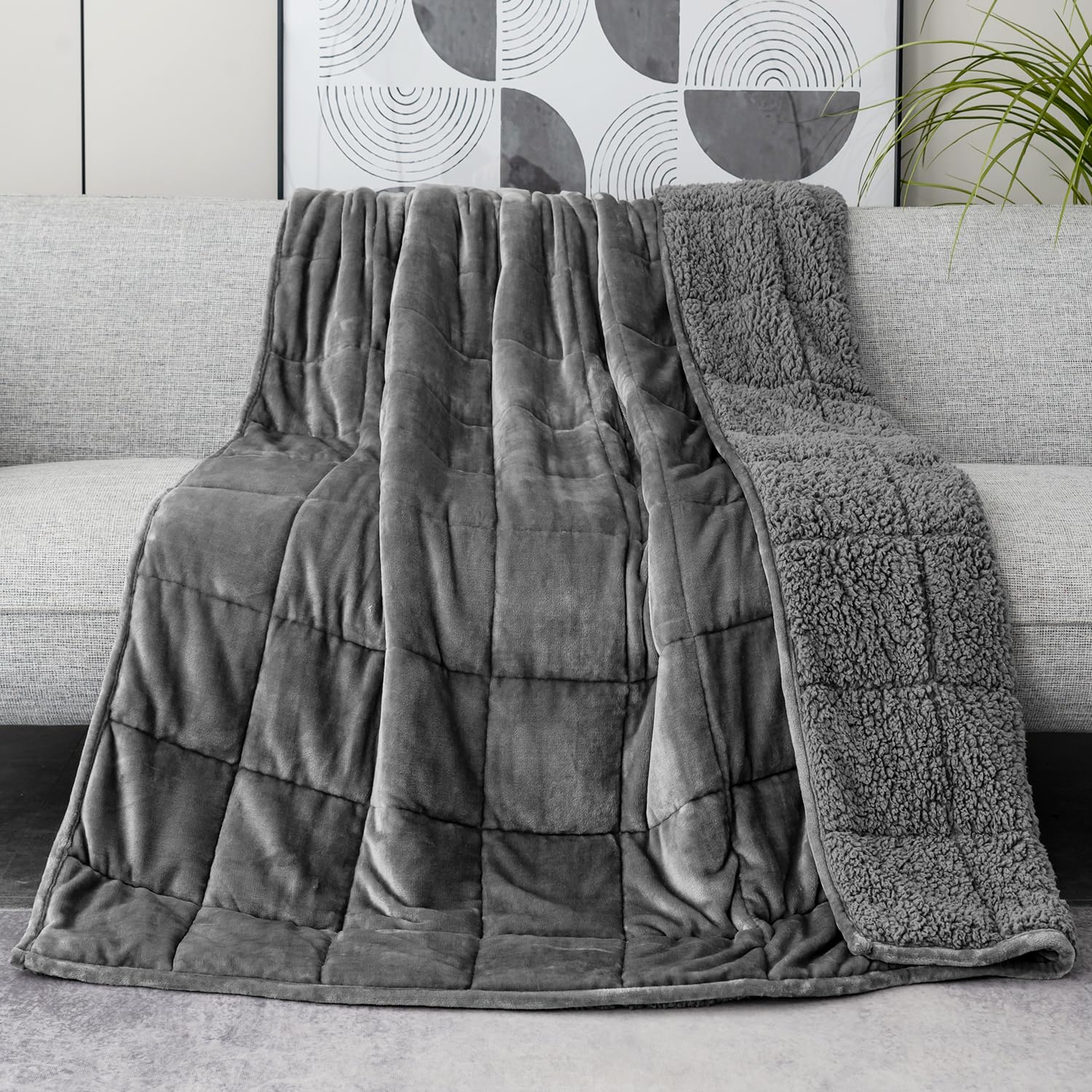
This is the most common design. Tiny glass beads or plastic pellets sit inside a grid of stitched pockets, and each pocket holds its share of the weight in place. Small pockets matter at 20 lb, because a large pocket lets the fill slide to one corner and turns steady pressure into a lumpy pile. Look for pockets roughly the size of your palm or smaller. These blankets lie flat and thin for their weight, pair well with a separate cover, and usually cost less than the other styles. Their weak point is airflow, since the layered construction traps warmth.
Knitted Weighted Blankets
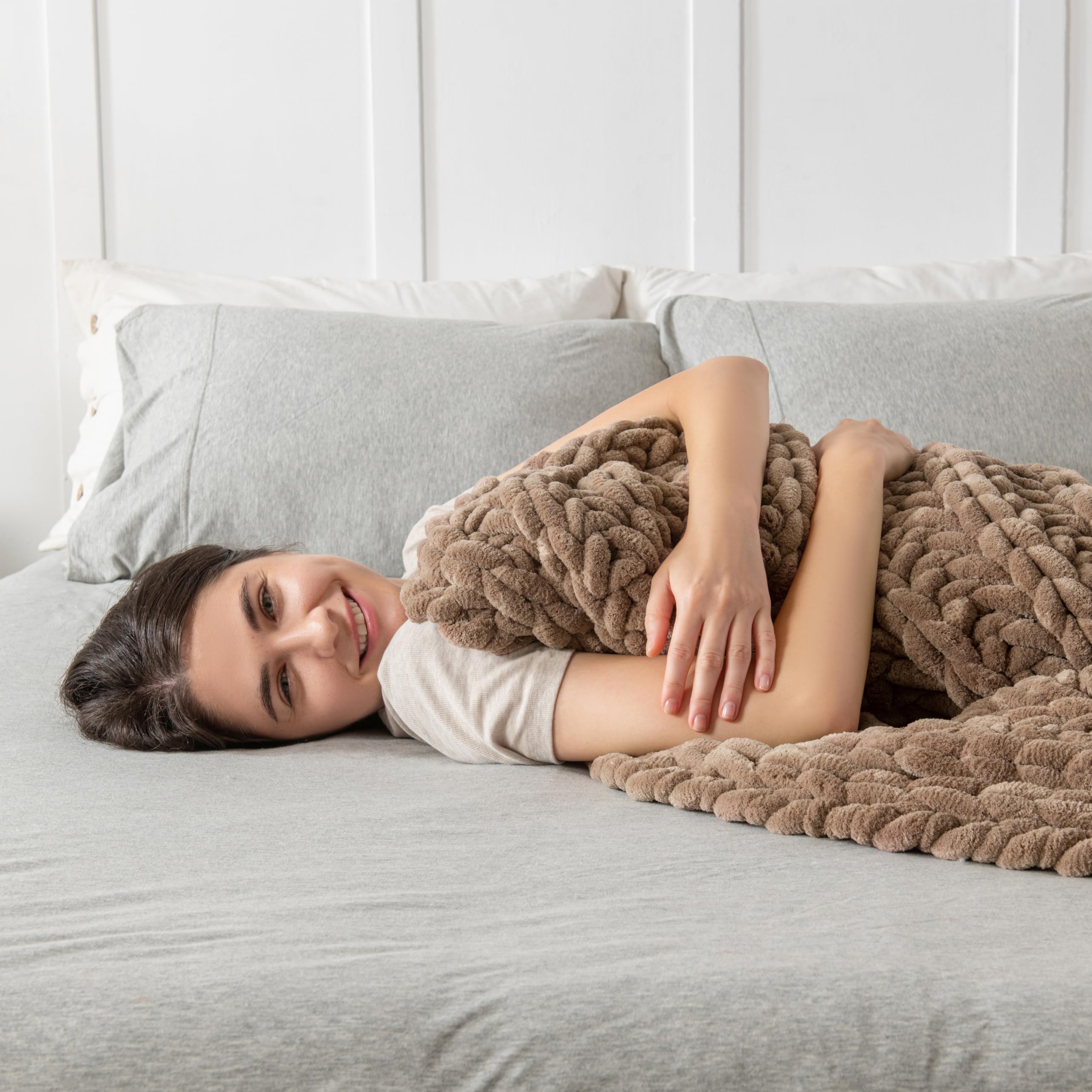
A knitted blanket gets its weight from thick yarn loops rather than loose fill, so there is nothing inside that can leak or shift. The open weave lets air move through the gaps, which makes this style a smart pick if you run warm but still want real weight on the bed. The trade offs are size and care. Knitted versions are usually smaller, closer to a throw than a full bed blanket, and many need gentle washing because wet yarn becomes very heavy.
Cooling Weighted Blankets
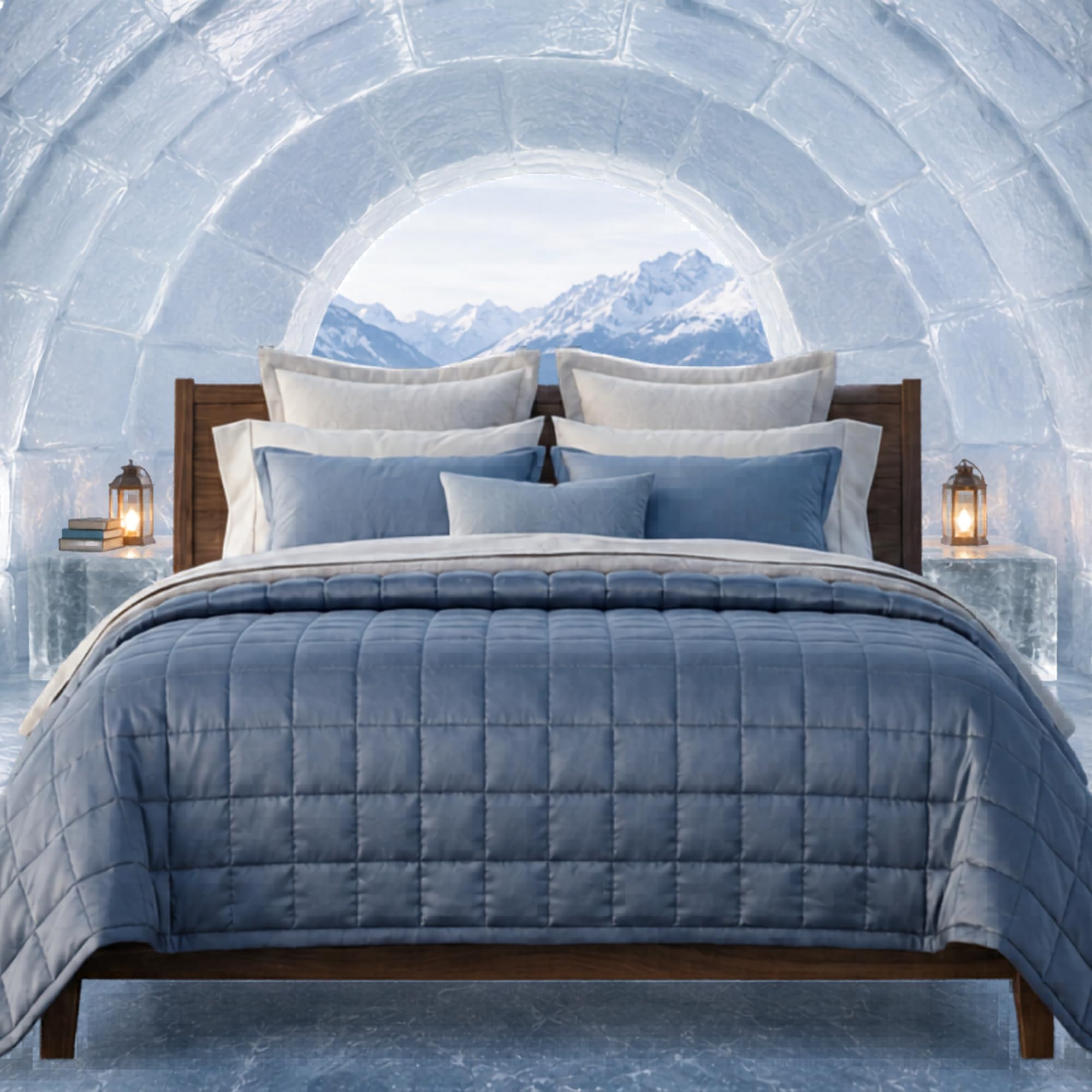
Cooling models pair a bead fill with fabrics chosen to move heat and moisture away from your skin, such as bamboo derived viscose, cotton percale, or smooth synthetic weaves that feel cool at first touch. They suit hot sleepers and anyone who wakes up sweaty under regular bedding. If temperature is your main concern, our guide to the best cooling weighted blanket goes deeper on the fabrics that help. Keep in mind that cooling is relative. A 20 lb blanket still adds insulation, so a cooling fabric reduces heat buildup rather than eliminating it.
Key Features to Compare
Once you know your style, compare the details below before you spend anything. For the broader framework, read how to choose a weighted blanket and then come back to the specifics of this weight.
Size and Dimensions
At 20 lb you will mostly see two footprints: about 48 by 72 inches and about 60 by 80 inches. The smaller size suits a twin bed or solo use on a larger bed, while the larger size gives side sleepers more room to turn without pulling the blanket off center. A weighted blanket should cover your body, not hang far over the edges of the mattress. Big overhang wastes weight on the bed frame instead of on you, and the dragging edge slowly pulls the blanket toward the floor.
Fill and Weight Distribution
Glass micro beads are the fill to look for at this weight. They are dense, so the blanket stays thinner, and their round shape lets them settle quietly when you move. Plastic pellets are bulkier and can feel lumpy through thin fabric. Whatever the fill, distribution is what you actually feel, so stitching that divides the blanket into many small, evenly filled pockets keeps pressure steady from shoulders to feet. Shake the blanket when it arrives and feel for pockets that seem empty or overloaded.
Fabric and Certifications
The shell fabric touches your skin or your cover all night, so it deserves attention. Cotton is soft, sturdy, and easy to wash, but it holds more warmth. Bamboo derived viscose feels smoother and cooler, though it can pill if washed roughly. Minky style polyester feels plush and warm, which suits cold sleepers and winter use. Look for fabrics certified under a recognized textile standard and a label that states the fill and total weight plainly.
Cooling and Breathability
Heat is the top complaint about heavy blankets, and construction decides how much you feel it. Thin bead filled designs with a cotton or viscose shell breathe better than thick, plush, multi layer designs. Knitted styles breathe best of all because of their open loops. A cooling blanket under a heavy duvet will still sleep warm, so pair it with light sheets and skip extra layers on top.
Covers and Fastening Systems
A removable cover is worth paying for at this weight. Washing a cover is simple, while washing the full 20 lb blanket is a chore you will avoid, and the cover also protects the inner blanket from spills and sweat. Check how the cover attaches. Internal ties or loops at the corners and along the sides keep the inner blanket from bunching into one end. A cover that only zips shut, with nothing holding the insert in place, will twist and sag within a few nights.
Trial Period and Warranty
Comfort with weight is personal, so a home trial is genuinely useful here. Many sellers offer a trial of about 30 nights or more, and that window lets you learn whether 20 lb suits your body before the money is final. Read the return terms closely, because some trials require the original packaging. For the warranty, look for coverage of stitching failure and leaking fill, the two defects that end a weighted blanket early.
How Much Should You Spend?
Most 20 lb blankets sell for about $50 to $250, and the price mostly tracks fabric quality, pocket stitching, and whether a cover is included. At about $50 to $90 you get a basic bead filled blanket that does the core job, usually with a thinner shell and no cover. Between about $90 and $150, stitching gets denser and covers often come in the box. Above about $150 you are paying for premium fabrics, knitted construction, or longer trials. Spending more does not add weight, so pay only for features you will feel.
Common Mistakes to Avoid
- Buying by weight alone and ignoring dimensions, so the blanket hangs off the bed and drags onto the floor.
- Choosing 20 lb for a child or a much lighter adult, which can feel far too heavy; follow the manufacturer's age and weight guidance.
- Skipping the cover to save money, then avoiding washes because the full blanket is so hard to launder.
- Putting a second heavy duvet on top, which traps heat and adds pressure you did not plan for.
- Judging the blanket after one night, before your body has had a few nights to adjust to the weight.
Care and Maintenance
Good care protects the stitching and fill that make the blanket work. Wash the removable cover as often as you wash your sheets, and wash the inner blanket only when it truly needs it, because every wash stresses the pocket seams. When you do wash the insert, use cold water on a gentle cycle and confirm your machine can handle the load, since a waterlogged 20 lb blanket weighs far more than its dry weight. Many owners use a large capacity machine at a laundromat for this reason. Our guide on how to clean a weighted blanket covers stains and drying in detail.
Between washes, air the blanket out over a chair or railing on a dry day to keep it fresh. Check the seams every few months and feel for pockets that have gone flat, which can mean fill has escaped through a small tear. Repair a small tear right away with tight stitching, because loose glass beads spread fast once a pocket opens.
FAQ
What is the best 20 lb weighted blanket?
There is no single winner, because the right choice depends on your body weight, sleep temperature, and bed size. For most adults near 200 pounds, a quilted bead filled blanket with small pockets, a breathable shell, and a washable cover covers the widest range of needs. Hot sleepers should start with the knitted or cooling styles instead.
What size weighted blanket do I need if I share a bed?
Sharing changes the answer. One large blanket sized for a queen or king bed gives each person only part of the weight, and partners rarely want the same pressure. Two separate personal blankets, each matched to its owner body weight, usually work better and stop the nightly tug of war. If you do buy one shared blanket, size it to the lighter partner, because too much weight is a worse mistake than slightly light pressure.
How long does a 20 lb weighted blanket last?
With normal use and a protective cover, expect several years of service. The usual end of life signs are fill leaking from worn seams, pockets that clump so the weight feels uneven, and fabric thinning at the corners where the blanket gets grabbed and pulled. Rotating the blanket end for end every few weeks spreads wear across all four corners instead of two.
Is a 20 lb weighted blanket worth it for anxiety?
Many people find steady pressure calming as part of a bedtime routine, and readers researching the best weighted blanket for anxiety usually care most about even weight and a fabric they enjoy touching. A blanket is a comfort aid, not a treatment, so it should sit alongside the care you already use, not replace it. If anxiety regularly disrupts your sleep, talk with a clinician about your options.
How do you dry a weighted blanket after washing?
Dry it fully before it goes back on the bed, because damp fill clumps together and can develop a stale smell inside the pockets. Tumble dry on low heat if the care label allows it, and pause the cycle once to redistribute the blanket so it dries evenly. Thick or knitted styles may need air drying flat across a rack instead, turned over halfway through.
Final Thoughts
A 20 lb blanket is a serious amount of weight, and getting the construction right matters more than chasing a brand name. Match the weight to your body, pick the style that fits your sleep temperature, and insist on small pockets and a washable cover. Do that, and the best 20 lb weighted blanket for your bed becomes an easy call. Check the product table above before you order, and confirm the dimensions against your mattress.