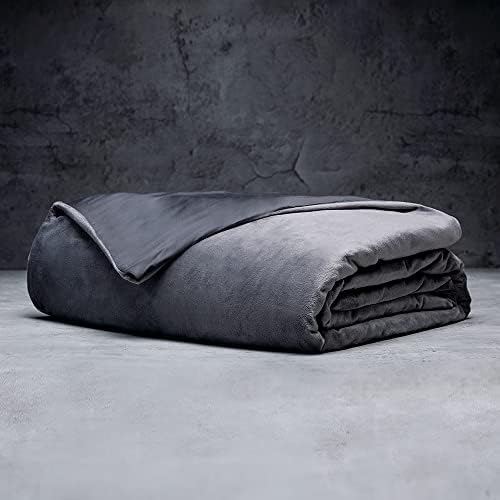
Best 2 Inch Mattress Toppers in 2026: Types and Buying Guide
Disclosure: We may earn a commission when you buy through links on this page, at no extra cost to you. As an Amazon Associate I earn from qualifying purchases. Learn more
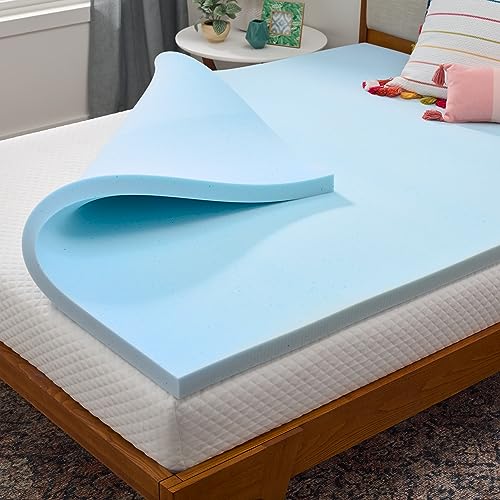
Compare the best 2 inch mattress topper types by feel, material, cooling and trial terms to soften a firm bed without replacing it.
A bed that feels almost right is frustrating, because the fix should be small. Maybe the surface feels too firm at your shoulders, or a guest bed feels flat. The best 2 inch mattress topper adds a modest comfort layer without rebuilding the whole feel of your mattress. This guide compares types by comfort and support, materials and certifications, and temperature regulation, so you can judge the product table clearly.
Two inches is the subtle option, and that is its appeal. It softens surface pressure while your mattress still provides most of the support. For the broader picture, our guide to the best mattress topper covers all thicknesses, while this article focuses on what this depth does well and where its limits sit.


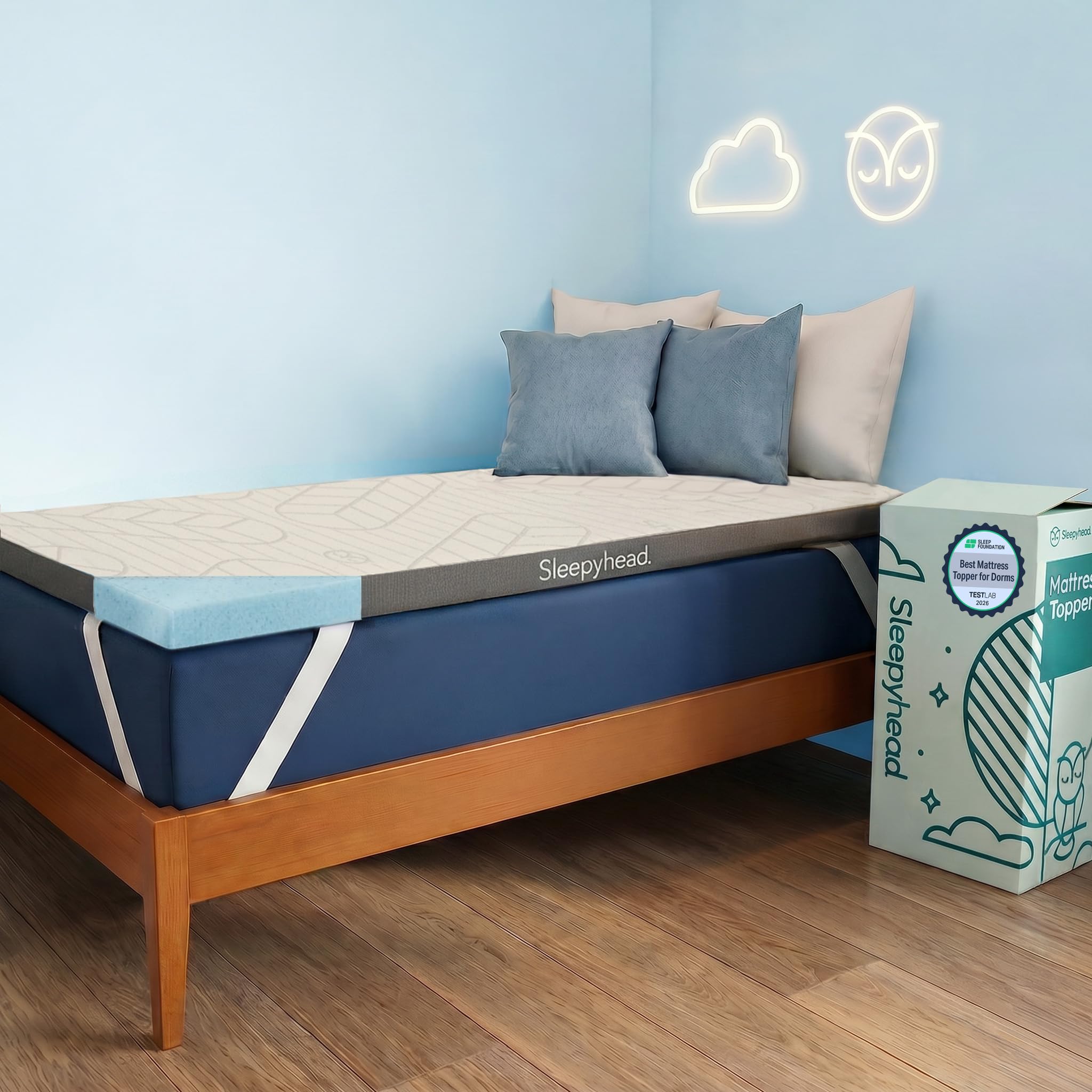
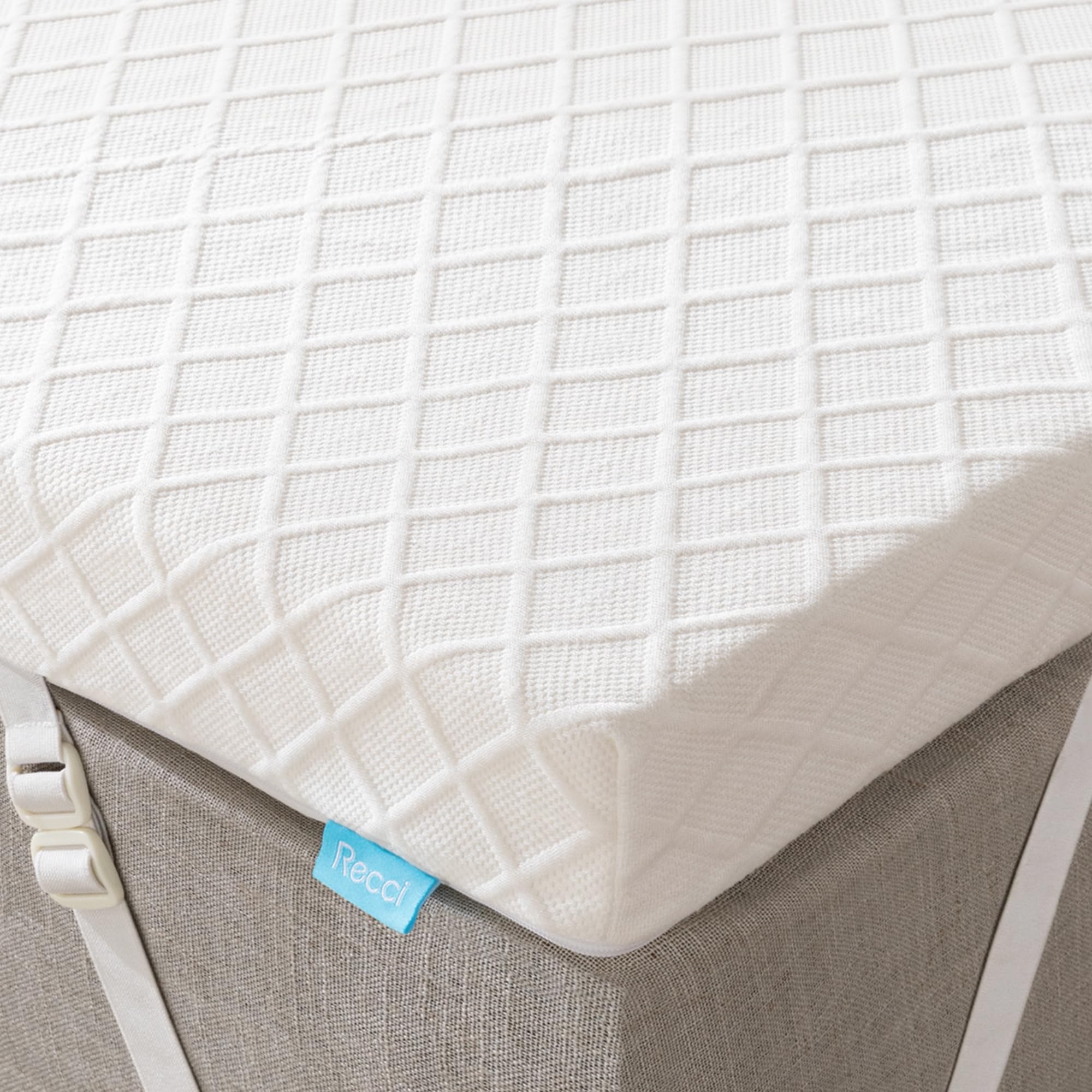

The Main Topper Types at a Glance
At this thickness, material matters more than marketing labels, because two inches of one material can feel completely different from another. Each type suits a different sleeper, and none can repair a mattress that has lost its support core.
- Memory foam: molds to shoulders and hips for strong pressure relief, but it can hold warmth and feels slow to move on.
- Latex: springy and responsive, so turning over feels easy, and it usually sleeps cooler than dense foam while costing more.
- Gel foam: memory foam blended with gel for a cooler first touch, though the effect often fades overnight.
- Down alternative and wool: soft and lofty like extra bedding, adding plushness with little support change.
- Egg crate foam: a textured surface that spreads contact and airflow, usually the lightest, cheapest route, with gentler cushioning.
How to Evaluate a 2 Inch Mattress Topper
Judge every option against the same five criteria. Start with comfort and support, meaning how the layer treats pressure points without letting your midsection sink. Next check materials and certifications, then temperature regulation, then durability, and finally the trial period and warranty.
Base your shortlist on manufacturer specifications and patterns in verified buyer reviews rather than one glowing comment. Repeated themes, such as edges flattening early or a cover zipper failing, tell you more than extremes do.
Who Should Buy a 2 Inch Mattress Topper?
Side Sleepers Who Need Modest Pressure Relief
If your mattress supports your spine well but leaves your shoulder and hip sore, a two inch layer is often enough. You need the surface to give a little where your body is widest. Memory foam or soft latex takes the sharp edge off those points while the mattress underneath keeps your back aligned.
Back Sleepers and Combination Sleepers on a Firm Bed
A firm mattress that keeps your hips level can still feel harsh across your lower back. Two inches of medium feel material fills the small gap at your lumbar area and softens contact without turning the bed squishy. A thinner layer also lets you change position without climbing out of a deep foam cradle.
Guest Rooms, Dorms, and Renters Who Need a Reversible Fix
When you cannot replace the mattress, a topper is the change you can undo in minutes. A tired guest bed, a dorm bed of unknown age, or a firm rental bed all improve with a light comfort layer. Two inches also rolls away for storage far more easily than a thick topper.
How to Choose the Right Mattress Topper
The steps below walk through each decision in order, starting with fit, then feel, then temperature and upkeep. For a wider walkthrough, see our notes on how to choose a mattress topper after the size specific points here.
Size and Form Factor
Match the topper size to your mattress exactly: twin, twin XL, full, queen, king, and California king are the standard options, and a topper that falls short at the edges will shift and bunch under your sheet. Three and four inch options suit sleepers who want a larger change in feel. A thinner profile fits under most standard fitted sheets and adds less height.
Type and Feel
Decide first whether you want contouring, bounce, or simple plushness, because that choice points straight to a material family. Memory foam hugs and quiets movement, latex pushes back gently, and fiber fills feel like padding rather than structure. Firm and soft ratings vary between makers, so treat those words as relative within one line. Our comparison of latex vs memory foam topper materials explains the feel difference if you are torn between those two.
Features Worth Paying For
A removable cover earns its cost at the first spill, because washing a cover is simple while washing foam is not. Straps or a skirt matter if you move a lot in your sleep, since a sliding topper creates lumps by morning. Cooling gel is worth a modest premium for warm sleepers, though basic foam in a breathable cover often performs close behind. Skip extras you cannot feel at this depth, and spend on denser material instead.
Sleep Position and Body Type
Side sleepers need give at the shoulder and hip, back sleepers need even contact along the spine, and stomach sleepers need the least added softness, because extra sink at the hips can tilt the pelvis and strain the lower back. Heavier bodies compress a thin layer more, so a firmer or denser option preserves the benefit longer. If pain drives your shopping, our guide to the best mattress topper for back pain covers positioning in greater detail.
Materials and Certifications
CertiPUR US certification means the foam was checked for certain emissions, content, and durability standards by an independent program. OEKO TEX labels apply mainly to textiles such as covers and fiber fills, and they signal that the finished fabric was screened for harmful substances. Latex may be natural, synthetic, or a blend, and the blend share changes both price and feel. No label guarantees comfort, but each gives you a verifiable baseline.
Cooling and Breathability
Heat builds where your body presses into foam, so structure matters as much as any gel additive. Open cell foam, punched ventilation holes, and latex let air move more freely than dense traditional foam. A cotton or moisture managing cover helps sweat leave the surface instead of pooling under you. If you wake up hot, our roundup of the best cooling mattress topper options focuses only on temperature, and less foam generally traps less heat overall.
Trial Period and Warranty
A sleep trial matters more for a topper than for most bedding, because feel is personal and you cannot judge foam in a showroom minute. Look for at least a month at home with free or low cost returns, and read how the return works, since some sellers ask you to donate the topper instead. Warranties usually cover defects such as split seams or foam failing to expand, not normal softening.
How Much Should You Spend?
Options under $50 are usually thin fiber pads or light egg crate foam, fine for a guest bed but quick to flatten. The range of about $50 to $100 covers most solid foam and latex blend toppers for everyday use. Spending about $100 to $200 buys denser foam, natural latex, better covers, and longer trials. Above about $200 to $300 you pay for premium natural materials and generous return terms.
Is a 2 Inch Mattress Topper the Right Size for You?
Choose two inches when your mattress is sound and you want a surface adjustment, not a transformation. It suits pressure relief and a firm feel softened slightly, and it is the safer pick for stomach sleepers and anyone worried that a thick soft layer would upset their alignment.
Step up to three or four inches when the comfort gap is large, for example a very firm mattress paired with a light side sleeper who bottoms out on two inches of foam. Be honest about sagging, though: a topper follows the dip beneath it, so a mattress with a visible valley needs replacement, not coverage. Pain that persists after several weeks on a corrected surface is a reason to talk with a clinician about your personal needs.
Care Basics That Protect a Thin Topper
Rotate your topper head to foot every few months so the shoulder and hip zones share wear evenly. Keep it under a protector, because skin oils and moisture slowly break down foam and fiber fills. When you change sheets, leave it uncovered for an hour to air out odors and dampness. Store it rolled loosely, since sharp folds can leave lasting lines in foam.
Common Mistakes to Avoid
- Buying a topper to hide a sagging mattress, so the layer sinks into the same dip.
- Choosing the softest option for stomach sleeping, so your hips drop and your lower back aches.
- Ordering a size smaller to save money, so the edges shift and the surface feels uneven.
- Ignoring sheet depth, so a stretched sheet pulls the corners up and creates ridges.
- Skipping the trial terms, so you learn too late that returns mean shipping a bulky item at your cost.
- Expecting gel foam to feel cold all night, so you overlook airflow and cover fabric.
FAQ
What is the best 2 inch mattress topper?
The answer depends on your sleep position and why your bed feels wrong. Side sleepers on a firm mattress usually do best with contouring foam, while warm sleepers tend to prefer latex. Try this shortcut: lie on your bed and note where discomfort starts. One sore pressure point points to cushioning. Heat or restless movement points to responsiveness and airflow.
What size mattress topper do I need?
Measure your mattress length, width, and depth before ordering, including any split setup or long dorm bed. Check the foot corners too, where a short topper reveals itself first. Then add the topper depth to your mattress depth and compare that total with the pocket depth on your fitted sheets. That check prevents sheets popping off at the corners overnight.
How long does a mattress topper last?
Most toppers serve well for about three to five years, with dense foam and latex at the long end and light fiber fills at the short end. Watch for signs rather than the calendar: a body impression that does not recover by evening, new aches in a spot that used to feel fine, or a surface that feels flat at once. When those appear together, the layer is done.
Is a mattress topper worth it?
A topper is worth it when the mattress underneath still supports you and only the surface feel is wrong. Spending about $100 on a layer that adds several comfortable years to a sound bed is sensible math. The reverse also holds: if you are stacking a second topper on a bed you already dislike, save that money toward a new mattress instead.
How do you clean a mattress topper?
Most foam toppers should never go in a washing machine, because agitation tears the material and it absorbs too much water. Blot spills quickly, treat the spot with a mild detergent solution, rinse by blotting with a damp cloth, and let it dry fully in moving air. For washing schedules by material, follow our guide on how to clean a mattress topper, and check the care label first, because fiber and wool types follow different rules.
What is the most reliable mattress topper brand?
No single brand is most reliable for every sleeper, so judge reliability by evidence you can check. Look for clear material specifications, a stated foam density or latex type, published certification details, and a trial that buyers describe as painless to use. A maker that hides materials behind trademarked names gives you nothing to compare. A warranty that names what counts as a defect is a stronger signal than name recognition.
Final Thoughts
Two inches is the measured choice: enough to take the edge off a firm surface, not so much that it replaces the support your mattress already gives. Weigh the types in the product table above against your sleep position, temperature, and the trial terms, and you will land on the best 2 inch mattress topper for your bed without overspending. Start with the problem you feel each night, and let that single answer guide every choice that follows.