Best 2 in 1 Steam Mop in 2026: Buying Guide and Top Picks
Disclosure: We may earn a commission when you buy through links on this page, at no extra cost to you. As an Amazon Associate I earn from qualifying purchases. Learn more

What to look for in the best 2 in 1 steam mop: the main types, key features, realistic price ranges and mistakes to avoid before you order.
A plain floor mop leaves plenty of jobs undone. The grout still looks dull, the tile around the tub needs attention, and the stovetop has residue a floor head will never reach. A best 2 in 1 steam mop pairs an upright floor mop with a handheld steamer that lifts out of the body, so one tool covers floors and the smaller jobs above them.
This guide compares the main types by tank capacity, steam control, attachments, and ease of use. Check the product table below for the basics first, then read on for the details that decide how a model will feel in your home.


The 2 in 1 Format at a Glance
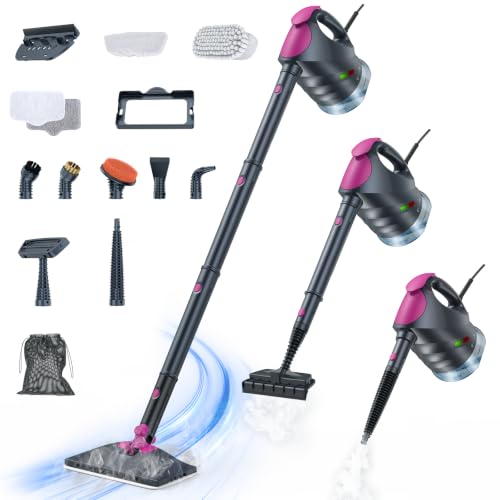
In upright mode, the mop works like a standard steam mop. The tank feeds heated water to a pad that glides over sealed hard floors, loosening dried spills so the pad can lift them away. This mode suits kitchens, entryways, and hallways you clean every week. In handheld mode, the steamer detaches and takes smaller tools instead. A nozzle directs steam into grout lines, a small brush works around faucet bases, and a flat tool can help on shower doors and sealed counters. The jobs change, but the tank and controls stay the same.
If you only ever clean floors, that second mode may sit unused, and our broader guide to the best steam mop covers floor only designs as well. The 2 in 1 format earns its place when your list regularly mixes wide floor areas with sinks, tubs, and kitchen surfaces in the same session.
Three Types of 2 in 1 Steam Mops Compared
Compact and Light Designs
Compact models keep the body slim and the tank modest, often holding enough water for one or two rooms. They store easily, carry up stairs without complaint, and suit apartments cleaned in short sessions. The trade off is refilling. Larger jobs mean refills, and each refill adds a short wait while the water heats again.
Larger Tank Designs for Bigger Homes
Larger tank models carry more water and usually a wider floor head, so they cover ground faster and pause less often. They fit homes with long stretches of tile, vinyl, or sealed wood. The cost is weight, so check the listed weight with the tank full, not empty.
Attachment Rich Designs for Detailed Jobs
Some models compete on the tool kit rather than the tank, bundling brushes, nozzles, and specialty heads for grout, glass, and garments. This type suits you if handheld mode is your main reason for buying, since floor mode is broadly similar across brands. A large count means little if the pieces duplicate each other.
Who Should Buy a 2 in 1 Steam Mop?
Homes With Mixed Hard Floors and Busy Bathrooms
If your week involves mopping kitchen tile and then scrubbing the tub surround, this format was built for you. You finish the floors, lift out the handheld unit, and move straight to grout and fixtures while the tank is still hot. Homes with two or more bathrooms benefit most.
Pet Owners and Households With Frequent Spills
Pets track in mud and leave dried messes that a dry pad only spreads around. Steam loosens that residue so the pad can pick it up, and handheld mode helps around food bowls, litter box areas on sealed floors, and baseboards where hair collects. A model with two pads included matters more for you than a long attachment list.
Renters Who Want One Tool Instead of Two
Renters often have limited closet space and little reason to own both a floor mop and a separate handheld steamer. One 2 in 1 unit covers move in cleaning, routine floor care, and the bathroom deep clean before guests arrive. Check your flooring first, though. Some rental laminate and vinyl plank products carry care instructions that rule out steam, and the lease makes you responsible for damage.
Key Features to Compare
Detachable Handheld Design
The release mechanism decides whether you use the second mode or avoid it. Look for a release you can work with one hand while the other steadies the frame, and a unit that sits comfortably in your grip with the steam button in easy reach. Also check the balance with the tank full, since a nose heavy steamer gets tiring fast on a shower wall.
Tank Capacity and Refill Style
Tank size, usually listed in ounces or milliliters, sets how long you can steam before refilling. Just as important is how the tank fills. A removable tank you carry to the tap is easier than filling a fixed tank with a cup while the mop stands in a closet. A visible fill line helps too, since overfilling can cause spitting.
Steam Settings and Output Control
Adjustable steam output lets you match moisture to the surface. Low output suits sealed wood and laminate that should never get soaked, while higher output works on durable tile and heavy soil. Some models release steam only while you hold a trigger, which gives precise control for spot work in handheld mode. For floor specific guidance, see our guides to the best steam mop for hardwood floors and the best steam mop for laminate floors, since both surfaces punish excess moisture.
Pads and How They Attach
The pad touches your floor, so its design matters as much as the steam itself. Microfiber pads with a textured scrubbing strip handle dried spills better than flat pads alone. Hook and loop fasteners are quick but lose grip over time, while pocket style pads stay put during hard scrubbing. Confirm that pads are machine washable and replacements are easy to find, because worn, thin pads will streak floors no matter how strong the steam is.
Attachments for Above Floor Jobs
A useful kit covers distinct tasks rather than variations of one task. A jet nozzle concentrates steam for grout and around fixtures, a round brush scrubs stovetops and sealed stone, and a squeegee style tool helps on shower doors. Tile heavy homes get the most from the grout tools, and our guide to the best steam mop for tile floors covers that work in depth. Note that unsealed grout, some plastics, and painted wood may not tolerate direct steam.
Cord Length and Maneuverability
Nearly all 2 in 1 models are corded, and cord length sets your working radius from each outlet. A longer cord means fewer outlet changes in open rooms. Swivel steering on the floor head helps you work around chair legs and along baseboards without lifting the mop.
Wattage, Safety, and Storage Checks
Wattage, Power, and Energy Use
Most models draw roughly 1200 to 1550 watts, and higher wattage generally means faster heat up times and steadier steam on long passes. Wattage alone does not tell you how well a mop cleans, since pad design and steam delivery matter just as much. Sessions are short, so energy use stays modest.
Safety Features and Certifications
Steam can scald skin in seconds, so treat safety as a buying criterion. Look for a UL or ETL listing on the label, which means the electrical design was independently evaluated. Useful safeguards include shutoff when the tank runs dry and a trigger you must actively hold for steam in handheld mode. Keep children and pets out of the room while you steam, and let the head cool fully before you change pads or tools.
Storage Space, Dimensions, and Budget
Measure your storage spot before ordering. Upright models need vertical clearance, the tools need a bag or bin, and a wide head may not fit between a toilet and the wall in a small bathroom. On price, basic models at under $100 usually offer a smaller tank and one steam setting. Spending about $100 to $150 typically adds adjustable steam and a fuller tool kit. Across all tiers, budget for extra pads.
2 in 1 vs Other Steam Mops: Pros and Cons
The clear advantage is coverage. One purchase, one tank, and one storage spot handle both floors and the detailed jobs above them, and you never wait for a second appliance to heat up mid session. The trade offs are weight and compromise. A 2 in 1 unit is usually heavier than a floor only mop, and its handheld mode rarely matches a dedicated handheld steamer for balance during long jobs. If you want agitation on large floors instead, our comparison of steam mop vs spin mop designs explains where spinning pads pull ahead.
Common Mistakes to Avoid
- Using steam on floors the maker calls unsealed or steam sensitive, which can cloud finishes and swell seams.
- Skipping the vacuum or broom first, so grit grinds under the pad instead of being lifted.
- Leaving the hot mop standing on one spot while you step away, which can damage flooring.
- Adding scented cleaners the manual does not allow, which can clog steam paths and void the warranty.
- Storing the mop with a damp pad still attached, which leaves the pad smelling stale.
Care and Maintenance
Empty the tank after each session rather than storing water inside. If your tap water is hard, use distilled water as many manuals suggest to slow mineral buildup in the heating path. When steam flow weakens, follow the manual steps for clearing scale before assuming the mop is failing. Wash pads after every use or two without fabric softener, since softener coats the fibers and reduces how much soil the pad absorbs. If you are new to the routine, our guide on how to use a steam mop covers setup and floor technique in order.
FAQ
Are 2 in 1 steam mops worth it?
They are worth it when you regularly clean both hard floors and above floor surfaces such as bathroom tile, grout, and stovetops. The value comes from replacing a second appliance and switching tasks without waiting for another tool to heat. If handheld jobs happen only a few times a year, a floor only mop will cost less.
How long does a 2 in 1 steam mop last?
With regular descaling and clean pads, most models serve for several years of weekly use. The parts that wear first are pads, tank cap seals, and brush attachments, all replaceable on better supported models. Hard water shortens the life of the heating element more than any other factor, so distilled water, where the manual recommends it, is the simplest way to extend the life of the unit.
Can a 2 in 1 steam mop clean carpets?
Some models include a carpet glider, a frame that lets the pad skim over carpet to refresh the surface and loosen light soil. This is surface refreshing, not deep cleaning. Steam will not extract embedded dirt the way a carpet cleaner does, and thick or delicate rugs may not tolerate the heat. Try a hidden corner first.
Do 2 in 1 steam mops need detergent or cleaning solution?
No detergent is required for routine cleaning, since heat and moisture loosen the soil for the pad or brush. Most manuals warn against adding solutions to the tank, because residues can clog the steam path and leave film on floors. For a greasy stovetop, wipe the surface with a suitable cleaner after steaming loosens the residue, keeping chemicals out of the tank itself.
When should you replace steam mop pads?
Replace a pad when it no longer comes clean in the wash, feels thin or rough, or leaves streaks on a floor you know is smooth. Heavy use households may go through pads in months, while lighter use stretches that to a year or more. Keeping two pads in rotation means a dirty pad never forces you to stop mid session.
Final Thoughts
Match the tank size to your floor area, the steam settings to your most delicate surface, and the attachment kit to the bathroom and kitchen work you actually do each week. When those three line up, the best 2 in 1 steam mop for your home is the one whose handheld mode you will reach for without thinking twice.
Before you order, measure your storage space, confirm your flooring can take steam, and scan the product table above once more for tank size and included tools. A model that fits your floors, your closet, and your routine will earn its place every week.