Best 1x Drivetrain Mountain Bike: Buying Guide for 2026
Disclosure: We may earn a commission when you buy through links on this page, at no extra cost to you. As an Amazon Associate I earn from qualifying purchases. Learn more
Learn how to choose the best 1x drivetrain mountain bike with clear guidance on gearing, fit, brakes, and suspension for your local trail rides.
A 1x drivetrain uses a single chainring at the front, which removes the front shifter, simplifies shifting to one hand, and cuts the confusion that slows new riders on climbs. The catch is that gear range, chainring size, and cassette choice now carry the whole job, so a poor match leaves you spinning out on flats or grinding on steep hills. This guide explains those choices clearly, so you can pick a best 1x drivetrain mountain bike setup that fits your trails and your legs.
Work through the buying guide sections below to see how bikes at different prices are equipped. You will learn what a strong value setup looks like, how suspension and brakes should match the drivetrain, and which extras can wait.
What a Strong Choice Looks Like at Each Level
The drivetrain, brakes, and fork should feel balanced, because one premium part cannot rescue weak parts elsewhere. Use the three profiles below to score any listing you are considering.
The Well-Rounded Mid-Range Profile
A strong all-round bike pairs a 1x drivetrain with a wide range cassette, often about 10 to 51 teeth, with hydraulic disc brakes and an air suspension fork with a lockout or firm setting for climbs. The chainring is usually around 30 to 32 teeth, a middle ground that climbs well and still pedals at a useful speed on flat paths. This profile suits riders who ride varied trails every week and want one bike that handles all of them without drama.
Expect to pay roughly $900 to $1500 for this balance in a hardtail, and more in a full suspension frame. The limit at this level is usually weight and tire quality rather than the drivetrain itself. If a listing at this price hides its cassette range or brake type, treat that silence as a warning and look for full specs before you commit.
The Value Profile
A smart value bike keeps the parts that matter and trims the rest. Look for a 1x setup with a clutch rear derailleur, which holds chain tension over rough ground, a cassette with a genuinely low climbing gear, and mechanical or entry hydraulic disc brakes that stop with confidence. A coil fork is acceptable here if it is smooth and the right spring weight for you.
Value models often cost about $500 to $900 and make ideal first trail bikes, because the frame can accept better wheels, tires, and a dropper post later. The main limit is top gear range, since smaller cassettes can leave strong riders spinning on fast flat sections. For learning riders on moderate trails, that trade is fair, and our guide to the best 1x mountain bike explains how starter setups differ from advanced ones.
The Premium Profile
A premium bike adds a lighter frame, a refined 12 speed drivetrain with very smooth shifting under load, strong hydraulic brakes with larger rotors, and suspension with real compression and rebound adjustment. Wide range gearing stays, but shifts feel quicker and the chain runs more quietly on rough descents. Tubeless wheels and tires are usually included, saving an early upgrade.
Expect roughly $2000 and up for this level, with full suspension models climbing far higher. The honest limit is value for casual riders, because premium shifting polish matters most on steep, technical ground ridden often. If your trails are mild and your rides are short, this level buys refinement you may rarely feel, so spend the difference on fit, tires, and riding time instead.
How to Choose the Best 1x Drivetrain Mountain Bikes: Buying Guide
Bike Type and Riding Style
Your riding style sets the gearing you need. Cross country riders cover long distances and steady climbs, so they value light weight and a broad range. Trail riders mix climbs and descents and need a low gear for steep pitches plus brakes they can trust. Enduro riders descend hard and climb mostly to reach the next descent, so durability and chain control matter most.
Road, gravel, and hybrid bikes also use 1x setups now, but their gearing is tuned for smooth surfaces and higher speeds, not for loose climbs on dirt. A commuter e bike uses still different gearing again. Stay honest about surface, because a trail 1x setup on pavement feels slow, and a gravel setup on steep singletrack runs out of low gears quickly.
Motor, Battery, and Range (for E Bikes)
On electric trail bikes, the motor does part of the climbing work, so gearing choices change a little. A mid drive motor drives through the same chain and cassette you pedal, which means low gears still matter and the drivetrain wears faster under motor torque. A hub motor drives the rear wheel directly and leaves the drivetrain under your power alone, but it feels less natural on steep trails.
Battery size is stated in watt hours, and more watt hours mean more range and more weight. Note the e bike class as well, since Class 1 pedal assist models are accepted on more trails than throttle or faster classes. Use only the charger supplied or certified for your system, charge at room temperature, and follow the maker safety guidance for storage.
Weight and Components Upgrade Path
A lighter bike climbs with less effort and is easier to lift, carry, and load, but chasing low weight at a low price can mean fragile wheels and flexy parts. At most budgets, a sensible order is to value fit first, brakes second, and weight third. A bike that fits and stops well gets ridden hard, and hard riding is what reveals which upgrade you truly need next.
The upgrade path for a 1x bike is friendly. Tires and a dropper post usually come first, then wheels, then a wider range cassette if your derailleur supports it. Check that the rear hub and derailleur can accept the cassette you may want later. Our guide to the best drivetrain for mountain bike setups details how these parts interact across brands and speeds.
Suspension (Hardtail vs Full Suspension) and Travel
Travel should match your ground. About 100 to 120 mm suits cross country and smooth trail riding, about 130 to 150 mm suits rougher trail use, and about 160 mm suits enduro descending. A hardtail, with front suspension only, keeps weight and cost down and pairs naturally with 1x gearing, because there is no rear shock to service and the pedaling feels direct.
Full suspension adds rear grip and comfort on rocky trails, at the cost of price, weight, and pivot maintenance. Suspension quality matters more than travel quantity, since a smooth 120 mm fork beats a harsh 140 mm fork on real trails. Whichever you choose, set the sag as the maker directs, because suspension set far too soft or hard wastes the travel you paid for.
Brakes (Hydraulic vs Mechanical Disc)
Hydraulic disc brakes give strong, even stopping with light finger pressure, which matters on long descents when your hands tire. They also adjust themselves for pad wear, so lever feel stays steady for months. Mechanical disc brakes cost less and are simple to service with basic tools, but they need regular cable adjustment and ask for more hand strength on steep ground.
At value prices, good mechanical brakes can be acceptable on gentle trails, while hydraulic brakes are the safer target for heavier riders and hilly routes. Rotor size adds control too, with larger rotors shedding heat better. Always bed in new pads with repeated gentle stops, and never touch a hot rotor after a descent, because braking heat is a genuine burn risk.
Drivetrain and Gearing
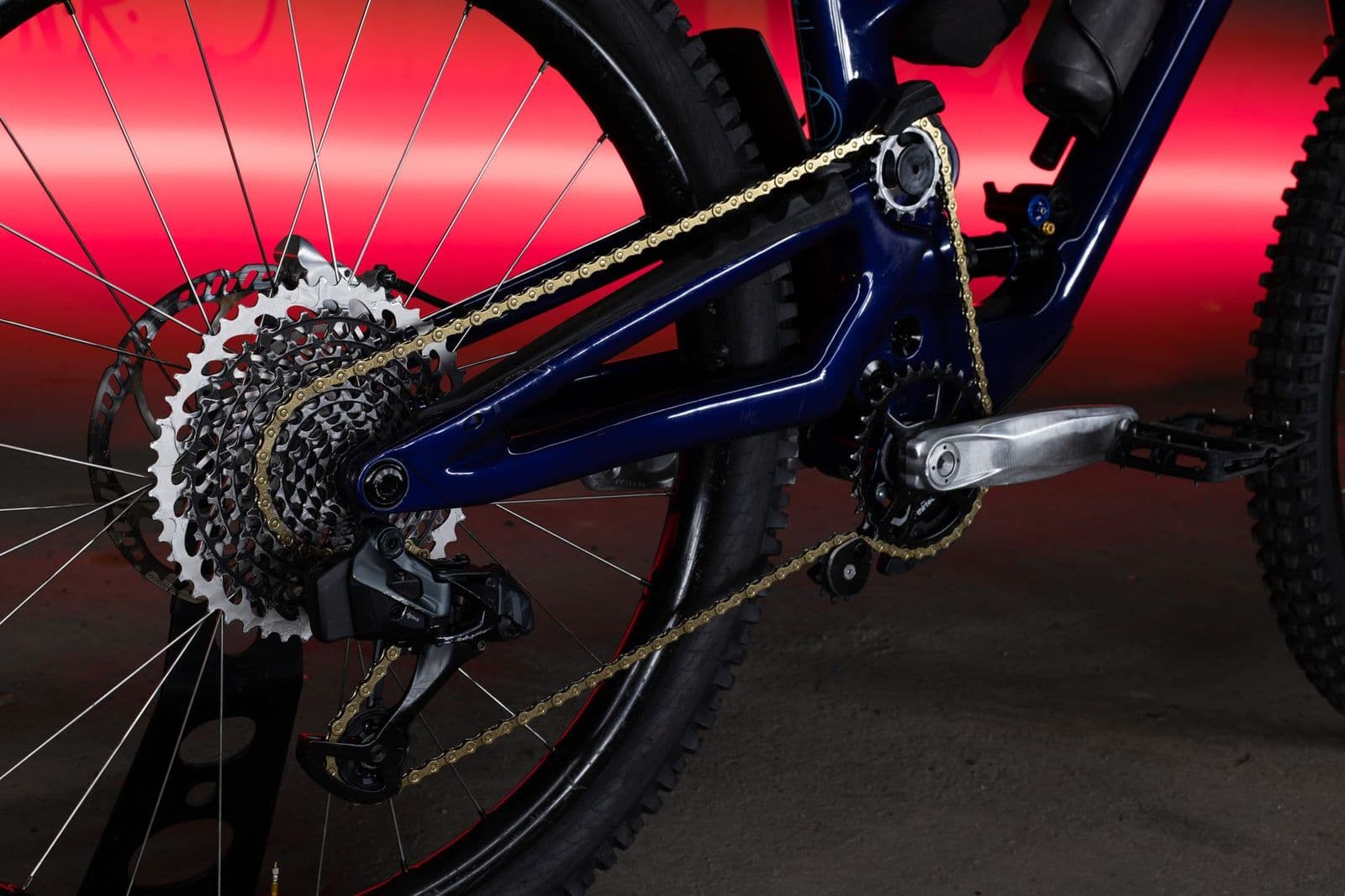
This is the heart of a 1x bike. With one front chainring, your lowest gear comes from the largest rear cog and your highest gear from the smallest, so cassette range, stated as a percentage, tells the real story. A range near 500 percent lets you crawl up steep climbs and still pedal on faster sections. Chainring size tunes the whole system, with smaller rings favoring climbing and larger rings favoring speed.
Two details protect your ride quality. A narrow wide chainring tooth profile helps hold the chain without a front guide, and a clutch derailleur keeps the chain from slapping and dropping on rough ground. Groupsets from major makers differ in shift feel and parts cost, so confirm that replacement chains and cassettes for your speed count are easy to find locally before you buy.
Types of 1x Drivetrain Mountain Bikes
Kids Bikes
Kids trail bikes use small 1x drivetrains with very low gears, light overall weight, and simple shifters that small hands can push. The single front ring is a real gift for children, because shifting with one hand is easier to learn and the chain stays put on bumpy paths. Choose by fit and weight first, since a light bike a child can lift builds confidence faster than extra gears.
Hardtail Mountain Bikes
Hardtails are the natural home of the 1x setup, offering the best gearing quality per dollar of any trail type. They climb efficiently, teach smooth riding, and need the least maintenance, which suits new riders and anyone with a tight budget. On very rocky trails their limit is rear wheel comfort, so wider tires run at sensible pressure help a great deal, as our guide to the best all mountain mountain bike notes for rougher routes.
Electric Mountain Bikes
Electric trail bikes pair 1x gearing with motor assist, so climbs that once ended rides become manageable for more riders. The drivetrain works harder than on a regular bike, because motor torque passes through the chain on mid drive models, so stronger chains and regular wear checks matter. Weight and price are the clear costs, and trail access rules for e bikes vary, so confirm local access before you spend.
Tips to Get the Most From Your 1x Drivetrain Mountain Bike
- Check tire pressure before every ride. Correct pressure gives grip and protects rims, and it changes with rider weight and trail surface.
- Clean and lube the chain every 100 to 200 miles. A clean chain shifts better and lasts longer, which matters more on a 1x system that uses every gear daily.
- Shift before the climb steepens. Moving to an easier gear while you still have momentum protects the chain and cassette from heavy strain.
- Have a professional tune up yearly. A shop can check derailleur alignment, chain wear, and brake pads before small wear becomes a trail failure.
- Charge e bike batteries at room temperature. Use a certified charger for your system and store the battery partly charged if the bike will sit for weeks.
Frequently Asked Questions
How much should I spend on my first 1x drivetrain mountain bike?
Plan on about $500 to $900 for a first trail bike with a clutch derailleur, a useful low gear, and brakes you can trust. Below that range, drivetrains often lack a clutch and cassettes lack range, which shows up as dropped chains and walking on climbs. Spending a bit more at the start usually costs less than upgrading a weak drivetrain part by part later.
How far can a 1x drivetrain e bike go on one charge?
Distance depends on battery size, terrain, rider weight, and assist level, so treat any printed range as a best case. Many trail e bikes cover roughly 20 to 40 miles of mixed riding, with steep climbing and high assist cutting that figure sharply. Lower assist, smooth pedaling, and correct tire pressure stretch each charge, and carrying the charger on long point to point rides removes range worry.
Hardtail or full suspension: which is better for beginners with a 1x drivetrain?
A hardtail is better for most beginners, because the budget buys a better drivetrain and brakes, the bike is lighter, and there is less to maintain while you learn. The 1x system feels identical on both types, so suspension is purely a comfort and terrain choice. Move to full suspension when your trails are rough enough that rear wheel comfort, not fitness or skill, is what ends your rides early.
What size 1x drivetrain mountain bike do I need?
Start with the maker size chart using your height and inseam, since frame sizing varies between brands and models. Riders between sizes usually control the smaller frame more easily on trails, while taller riders should watch stack height so the bars do not sit too low. If possible, sit on the bike and confirm you can stand over the frame with clearance, a basic check our guide to the best mtb mountain bike sizing explains in full.
What e bike class is legal for trail riding where I live?
Legality depends on your state, land manager, and the specific trail, so there is no single national answer for trail access. Class 1 pedal assist bikes, which assist only while you pedal and stop helping at moderate speed, are allowed on the most trails. Check the park or forest website and trailhead signs before you ride, and ask rangers when rules are unclear, because riding an excluded class can mean a fine.
Our Verdict
Get the gearing right and the rest follows: a wide range cassette, a clutch derailleur, and a chainring matched to your hills matter more than speed count alone. Add brakes that match your terrain and a frame that fits, and you have the core of the best 1x drivetrain mountain bike for your riding. Score your shortlisted listings against the profiles above, and for a wider view of trail choices, see our guide to the best bike for mountain biking as your next step.