Best 1k Mountain Bike: Types Compared and How to Choose for 2026
Disclosure: We may earn a commission when you buy through links on this page, at no extra cost to you. As an Amazon Associate I earn from qualifying purchases. Learn more

A best 1k mountain bike guide comparing hardtail, full suspension and electric types, with brake, sizing and suspension advice.
With about one thousand dollars to spend, you face a real fork in the trail: several bike types compete at this price, and each one suits different ground. Choosing the wrong type is the costliest mistake at this budget, because no later upgrade turns a light hardtail into a downhill machine. This guide compares the types side by side so your best 1k mountain bike decision starts from your trails, not from a sales pitch.
Check the product table for a first view of prices and styles, then use the sections that follow to match each type to your riding. You will also find sizing, brake, and suspension guidance to check before you pay.



Types of 1k Mountain Bikes Compared
At around $1000, three broad choices dominate: hardtails, full suspension bikes, and electric mountain bikes. Expect typical prices of about $700 to $1000 for a solid hardtail, about $1000 and up for entry full suspension, and around $1000 to $1500 for many electric trail options, so this budget often means choosing one strength and accepting one compromise.
Hardtail Mountain Bikes
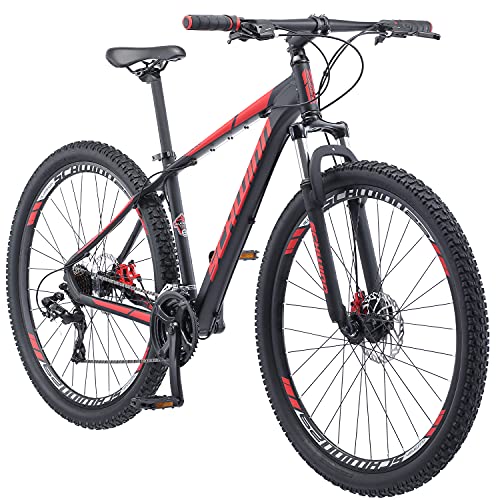
A hardtail has a suspension fork at the front and a rigid rear frame. That keeps it light, simple, and efficient on climbs, and it leaves more of your budget for brakes, wheels, and drivetrain parts. Most riders on cross country and mixed trails find this the most versatile type at this price.
The trade-off is comfort on rough descents, since the rear wheel takes every root and rock directly. Riders who mostly ride smooth or moderate trails rarely miss a rear shock. If you later want more technical terrain, a hardtail still teaches clean line choice and good technique.
Electric Mountain Bikes
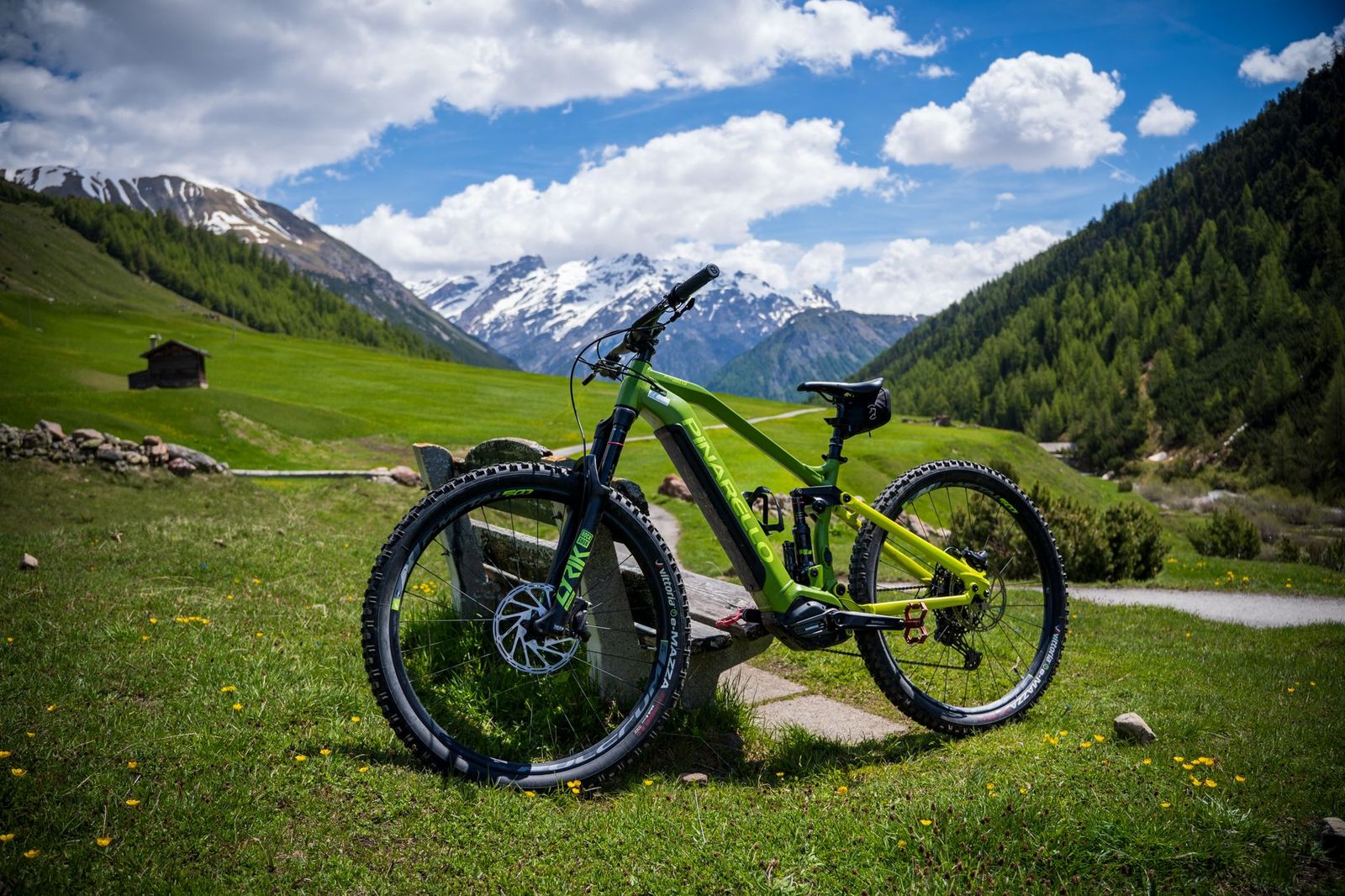
Electric mountain bikes add a motor and battery that assist your pedaling, which flattens steep climbs and lets you ride farther before fatigue sets in. At this budget, most use a hub motor or a modest mid drive motor, and battery size is often stated in watt hours, with larger numbers giving longer range. The help feels generous on climbs, but the bike weighs much more than a regular hardtail.
That weight matters on lifts, stairs, and tight trails, and the motor also takes money away from brakes, suspension, and tires at a fixed price. Trail access rules vary, and some trail systems allow only certain e bike classes, so check local rules before buying. If your routes are hilly and long, the assist can be worth it, and our guide to the best mountain bike under 1k shows how electric and regular options compare at this price.
Full Suspension Mountain Bikes
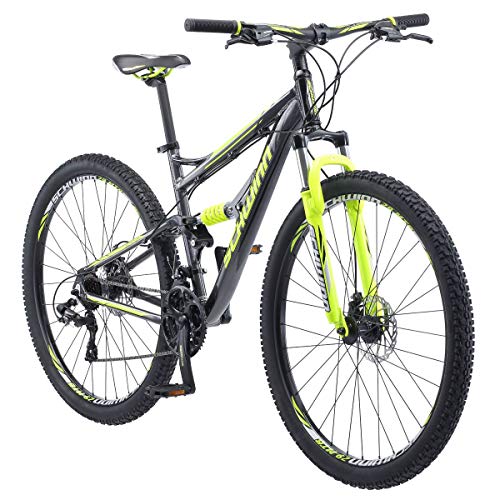
Full suspension bikes carry a shock at the rear as well as a fork at the front, so both wheels follow rough ground and keep traction over roots and rocks. The rear shock smooths big impacts, helps the rear tire grip on climbs, and reduces the beating your body takes on long descents. For riders on rocky, technical trails, this comfort and control are the main reasons to choose the type.
The compromise at around $1000 is component quality. To afford two suspension units, makers often fit heavier parts, simpler brakes, and forks with limited adjustment. You also gain extra pivots and bearings to maintain. Riders on smooth trails may be happier spending the same money on a lighter, better equipped hardtail, a point our guide to the best all mountain mountain bike explores for more demanding terrain.
Hardtail vs Electric Mountain Bikes: Which Should You Choose?
These two types solve different problems. A hardtail is light, simple, and quiet, with no battery to charge and very little to maintain beyond the chain and tires. An electric mountain bike is heavy and complex, but it gives you climbing help and lets you cover more distance, so it opens longer routes that would otherwise wear you out.
Compare them on four points. For weight, the hardtail is far easier to lift and carry. For effort, the hardtail rewards your legs alone while electric shares the work. For upkeep, the hardtail needs basic care while electric adds battery care and motor service. For component quality, a hardtail at this price usually gets better brakes and forks than an electric bike at the same price. If you ride hilly, long routes, choose electric; otherwise a trail hardtail is the safer pick.
How to Choose the Best 1k Mountain Bike
Wheel Size and Tires
Most trail bikes at this price use 29 inch wheels or 27.5 inch wheels. Larger 29 inch wheels roll over roots and rocks more easily and hold speed well, which suits cross country and trail riding. Smaller 27.5 inch wheels feel quicker to turn and can suit shorter riders, because the frame proportions stay compact.
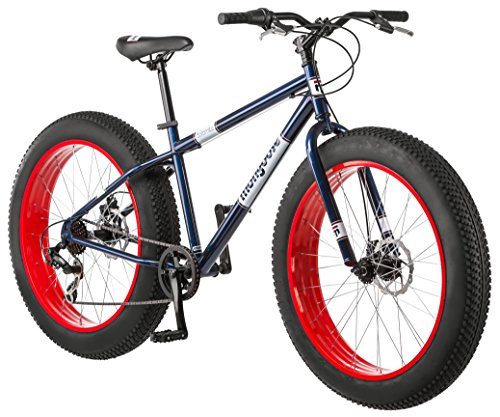
Tires matter as much as wheel size. Look for tread with real knobs for dirt, and consider tubeless ready rims and tires, since a tubeless setup runs lower pressure for grip and seals many small punctures as you ride. Fat tires appear on a few snow and sand models, but they are a niche choice that most trail riders do not need.
Bike Type and Riding Style
Match the bike to the riding style you will do most. Cross country bikes favor light weight and climbing, trail bikes balance climbing and descending, and enduro bikes favor descending control on steep ground. At about $1000, a trail oriented hardtail is the most versatile single purchase for mixed local routes.
Be careful about buying for the most extreme ride you imagine rather than the rides near your home. A bike that feels right on weekly trails gets ridden, while an oversized bike for rare trips often gathers dust. Our guide to the best mtb mountain bike categories explains how these styles differ in geometry and travel.
Brakes (Hydraulic vs Mechanical Disc)
Hydraulic disc brakes use fluid to squeeze the pads, giving strong stopping power with light finger effort and steady control on long descents. Mechanical disc brakes use a cable, cost less, and are easier to adjust at home, but they feel less smooth and need more frequent adjustment as pads wear. At this budget, hydraulic disc brakes are one of the most valuable features to insist on.
Braking power matters most when trails are wet or steep, because tired fingers and fading brakes are a safety issue, not a comfort detail. Check rotor size too, since larger rotors handle heat better for heavier riders. Whatever brake you choose, learn to bed in new pads with a series of gentle stops before your first hard descent.
Suspension (Hardtail vs Full Suspension) and Travel
Travel is how far the suspension can compress, measured in millimeters. Cross country forks often offer about 100 mm, trail bikes about 120 to 140 mm, and enduro bikes up to about 160 mm. More travel absorbs bigger hits but adds weight and can make climbing feel soft, so match travel to your roughest regular trail rather than your roughest imagined trail.
A hardtail has suspension only at the front, which keeps it light, simple, and efficient for climbing and smooth trails. Full suspension adds rear comfort and grip at the cost of weight, price, and upkeep. At about $1000, a quality hardtail fork usually outperforms a cheap rear shock, so beginners on mild trails often do better with the hardtail.
Weight and Components Upgrade Path
Weight shapes how a bike climbs and how easy it is to lift onto a car rack or carry up apartment stairs. At this price, expect many hardtails around 28 to 32 pounds, with full suspension and electric models weighing more. A few pounds matter over a long climb, but durability matters more, so avoid chasing the lightest listing if parts look fragile.
Think about the upgrade path before you buy. Wheels, tires, and a dropper post transform a hardtail later, while a frame with modern standards accepts those parts easily. Check that the frame has room for wider tires and mounts you may want, because a frame that cannot grow with you becomes the limit. Our guide to the best bike for mountain biking covers frame standards in more depth.
Care and Maintenance Tips
Basic care keeps a bike at this price riding well for years. Check tire pressure before every ride, because soft tires pinch tubes, dent rims, and waste effort on climbs. Clean and lube the chain every 100 to 200 miles, more often after wet or dusty rides, and wipe off excess lube so the chain does not collect grit.
Have a professional tune up yearly, or sooner if shifting grows noisy or brakes feel weak. Between services, keep bolts snug, store the bike indoors away from rain, and inspect brake pads and tire tread each month. Always wear a helmet on trails, start with routes below your limit, and carry water, because skill and preparation prevent more injuries than any single bike part.
FAQs
What size mountain bike do I need?
Use your height and inseam against the maker size chart, since frame size labels vary between brands. As a rough guide, riders around five feet six inches to five feet ten inches often fit a medium, but leg length can shift you up or down a size. If you fall between sizes, the smaller size usually feels easier to control on trails.
What e bike class is legal for trail riding where I live?
Rules differ by state, park, and trail system, so check the land manager rules for your exact trails before buying an electric model. Many areas allow Class 1 pedal assist bikes on some trails and restrict throttle equipped or faster classes. Signs at the trailhead and the park website are the safest sources, and rangers can confirm access for motor assisted bikes.
Hardtail or full suspension: which is better for beginners on a 1k mountain bike?
A hardtail is usually better for beginners at this price, because the same money buys better brakes, a better fork, and lower weight. It also teaches clean line choice, since you cannot rely on a rear shock to hide mistakes. Choose full suspension instead only if your home trails are rocky and rough enough that rear comfort decides whether you ride at all.
How far can a 1k e bike go on one charge?
Range depends on battery size, rider weight, hills, and assist level, so treat maker claims as best case figures. Many entry electric trail bikes cover roughly 20 to 40 miles of mixed riding per charge, with steep climbing cutting that sharply. Riding in a lower assist mode, keeping tires at proper pressure, and pedaling steadily all stretch the distance you get.
How much should I spend on my first mountain bike?
A first trail bike around $700 to $1000 buys a safe frame, hydraulic brakes, and a usable fork, which is the level where riding becomes genuinely fun. Budget beyond the bike as well, since a helmet, pump, spare tube, and basic tools are essential extras. Spending a little more on fit and brakes serves you better than stretching for extra travel you may never need.
Our Verdict
Start with your trails, then let type, brakes, and fit decide, in that order. For most riders, a trail hardtail with hydraulic disc brakes and a sensible upgrade path is the best 1k mountain bike purchase at this budget, while rough terrain can justify full suspension and long hills can justify electric help. Compare your shortlist against the product table above, and if you want a broader market view, our guide to the best bicycle mountain bike styles is a useful next read.