Best 1980s Watches: A First Time Buyer's Guide for 2026
Disclosure: We may earn a commission when you buy through links on this page, at no extra cost to you. As an Amazon Associate I earn from qualifying purchases. Learn more

Shopping for the best 1980s watches for the first time? Learn the terms, compare styles, and avoid rookie mistakes with this easy buying guide.
The 1980s gave watches bold colors, chunky digital displays, slim dress styles, and tough dive designs, so the era offers something for almost every wrist and budget. If this is your first vintage style purchase, the terms can feel like a second language at first. This guide to the best 1980s watches explains each term in plain English, so you can shop with a clear head.
Use the product table for a quick view of the picks, then read on for the details that photos alone cannot show you. You will learn how movements work, what water ratings really mean, and how to size a case to your wrist before you pay.

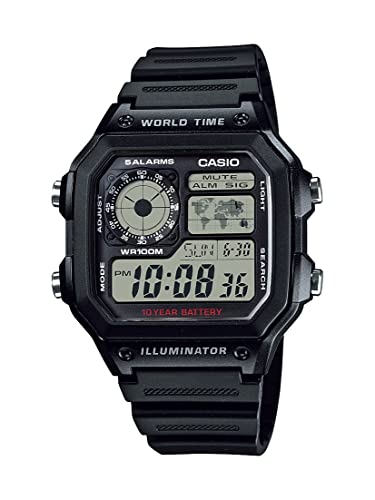
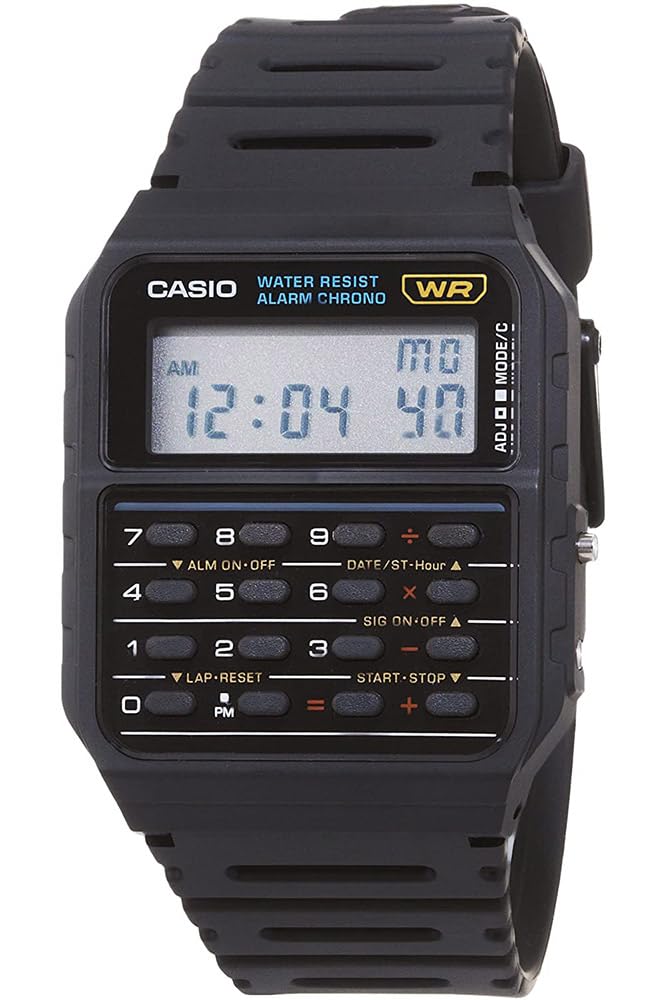


Best 1980s Watches: The Basics
Watches from this era sit at a turning point in watch history. Quartz movements, powered by a small battery and a vibrating crystal, had become cheap and very accurate, so they appeared in everything from slim dress pieces to bright plastic sports models. At the same time, traditional automatic movements, powered by the motion of your wrist, remained common in higher priced metal watches.
The decade is also known for variety in case shapes and materials. You will see round steel cases, square digital cases, gold tone dress cases, and rubber strapped sports models, often in sizes smaller than many modern watches. Digital models added alarms, stopwatches, and backlights, features that felt futuristic at the time and still prove useful today.
When you shop this era, you are usually choosing between true vintage pieces and modern watches built in a 1980s style. True vintage pieces carry history but may need servicing, while new retro styled pieces give you the look with a fresh warranty. Knowing which of those two paths you want will shape every other decision in this guide.
Key Specs Explained in Plain English
Movement Type (Quartz, Automatic, Solar, Smart)
The movement is the engine that keeps time. Quartz movements are the most accurate and the most affordable, and they run for one to three years on a battery with almost no attention from you. Automatic movements wind themselves from wrist motion and need no battery, but they drift by several seconds per day and need servicing every five to seven years to stay healthy.
Solar models charge a cell from light and suit buyers who dislike battery changes, while smart models add screens and sensors at the cost of daily or weekly charging. For a first purchase in a 1980s style, quartz offers the easiest ownership. Choose automatic only if you enjoy mechanical craft and accept the extra care and cost that come with it.
Water Resistance Rating
Water ratings are printed as meters or as ATM, and they describe pressure ratings in still water, not real swimming forces. A 30 meter rating means splash protection only, so the watch handles hand washing and light rain but should stay off in the shower. A 100 meter rating suits swimming, and 200 meters is the level expected for serious diving watches.
Age matters here as much as the number on the dial. On a true vintage piece, the rubber seals that keep water out dry and crack over time, so the original rating may no longer hold. If you plan to swim with a vintage watch, have a watchmaker replace the seals and run a pressure check on the case first, or simply keep it dry and safe.
Smart and Fitness Features
Some retro styled digital watches borrow modern tricks such as step counting, alarms, and phone alerts, and a few full smartwatches wear a 1980s look on the outside. GPS tracking helps record runs and rides, and heart rate sensors give a general view of effort during exercise. Battery life is the trade off, since feature rich models may need charging every few days.
Treat these features as helpful estimates, not medical readings. A watch sensor cannot diagnose a health condition, and it should never replace a medical device your doctor has prescribed. If you mainly want time, date, and an alarm, a simple digital or quartz model will serve you longer between charges and cost you far less.
Brand Reputation, Warranty, and Value
A known maker with steady service support in the United States makes ownership easier when something needs repair. Check that spare parts, straps, and battery service are available for the style you want, especially for older designs. New retro styled watches usually carry a warranty of one to two years, which protects you against defects in the movement and case.
Value works differently for vintage and new pieces. A true vintage watch in honest, serviced condition tends to hold value better than an unserviced one bought cheaply, because the next owner avoids repair bills. If lasting quality across decades is your priority, see our guide to the best quality watches for the build details that separate durable pieces from fragile ones.
Legibility and Style
Legibility is how fast you can read the time at a glance. Strong contrast between hands and dial, clear hour markers, and lume that glows after light exposure all help, especially in dim rooms or at night. Many 1980s designs used bold markers and bright accent colors, which is part of their charm and also genuinely practical.
Style should match where the watch will actually live. Slim cases with simple dials suit office shirts and formal wear, while chunky digital and dive styles pair with casual clothes and outdoor use. If you are buying as a gift and feel unsure, our guide to the best watches for guys walks through style choices by taste and daily routine.
Case Size and Wrist Fit
Case diameter is measured across the case without the crown, and 1980s watches often run smaller than modern ones, commonly about 36 to 40 mm. That smaller size suits slim wrists well and slides easily under a shirt cuff. Lug to lug length, the distance from one strap end to the other, matters just as much, because it decides whether the case overhangs your wrist.
Measure your wrist with a soft tape, then compare it with the lug to lug figure when sellers list it. As a simple check, the lugs should not extend past the edges of your wrist when viewed from above. Case thickness also affects comfort, since thick cases catch on cuffs and feel top heavy during a full day of wear.
Rookie Mistakes to Avoid
- Trusting the original water rating on a vintage piece. Old seals fail quietly, so a watch rated for swimming decades ago may flood in a pool today.
- Buying an unserviced automatic to save money. A service can cost as much as the saving, and a dry movement wears itself out from the inside.
- Judging size from photos alone. Wrist shots vary with camera distance, so always check diameter and lug to lug numbers in millimeters.
- Ignoring strap condition. Cracked leather and stretched metal bracelets add real cost, and a quick release strap design makes replacements far easier.
- Chasing a label over condition. A clean, honest watch from a modest maker beats a famous name with hidden damage every time.
Shoppers who like a bolder, rugged look often compare this era with modern tool styles, and our guide to the best manly watches can help you weigh size and toughness across both. Take your time at this stage, because condition problems are far harder to fix than style regrets.
Getting Started: Setup and First Use
When your watch arrives, check the timekeeping first. Set the time and date following the manual, and avoid changing the date in the late evening hours on automatic models, when the date mechanism is already engaged. If the piece is vintage, ask the seller when it was last serviced, and budget for a service if the answer is unknown.
Fit the strap so the watch sits above your wrist bone and moves only slightly when you shake your arm. Too tight leaves marks and strains the spring bars, while too loose lets the case knock against hard surfaces. Try the watch for a full day at home before removing protective films or tags, in case the size is wrong.
Care habits are simple but valuable. Service automatic watches every five to seven years, rinse any watch after saltwater exposure with fresh water and dry it with a soft cloth, and store pieces away from strong magnets and direct sun. Keep boxes and papers if you have them, since complete sets support resale value later.
Best 1980s Watches: Your Questions Answered
Quartz or automatic: which is better for a 1980s style watch?
Quartz is better if you want accuracy, low cost, and almost no upkeep, because it runs for years on a battery and keeps time within seconds per month. Automatic is better if you value mechanical craft and plan to wear the watch daily, since wrist motion keeps it wound. Many first time buyers start with quartz and add an automatic later.
What case size fits my wrist for a 1980s watch?
Most wrists suit the era well, because common sizes of about 36 to 40 mm wear comfortably on slim and average wrists alike. Measure your wrist, then favor a lug to lug length a few millimeters shorter than your wrist width so the case does not overhang. If you prefer a larger presence, our guide to the best male watches explains how bigger cases wear in daily life.
Is a smartwatch worth it over a classic 1980s style watch?
A smartwatch is worth it only if you will use its alerts, GPS, and activity tracking every week. Classic styles win on battery life, simplicity, and lasting looks, since a quartz or automatic watch never feels dated when an app changes. If notifications on your wrist do not excite you, put your money into case quality and a better strap instead.
How water resistant should a 1980s watch be?
For daily wear with hand washing and rain, a rating of 30 to 50 meters on a new watch is enough, as long as the crown is pushed in fully. For swimming, choose 100 meters, and for diving, choose 200 meters with a secure crown. On any true vintage piece, treat the rating as history until a watchmaker has renewed the seals and checked the case.
How long does a 1980s watch battery last?
A quartz watch battery typically lasts about one to three years, depending on the movement and how often you use extras such as alarms and backlights. A watch that stops soon after a battery change may have a movement problem rather than a bad battery. Ask a watchmaker to check the seals at each battery change, so water protection stays as strong as possible.
Final Thoughts
The smart way to buy from this era is to decide vintage or new first, then match movement and case size to your wrist and routine, and only then fall for a dial color. Condition and service history protect your money far more than any single feature. Look back at the product table above with those priorities in mind, and choosing among the best 1980s watches for your style becomes a calm, confident decision.