Best 140mm Mountain Bike: Types Compared and How to Choose for 2026
Disclosure: We may earn a commission when you buy through links on this page, at no extra cost to you. As an Amazon Associate I earn from qualifying purchases. Learn more
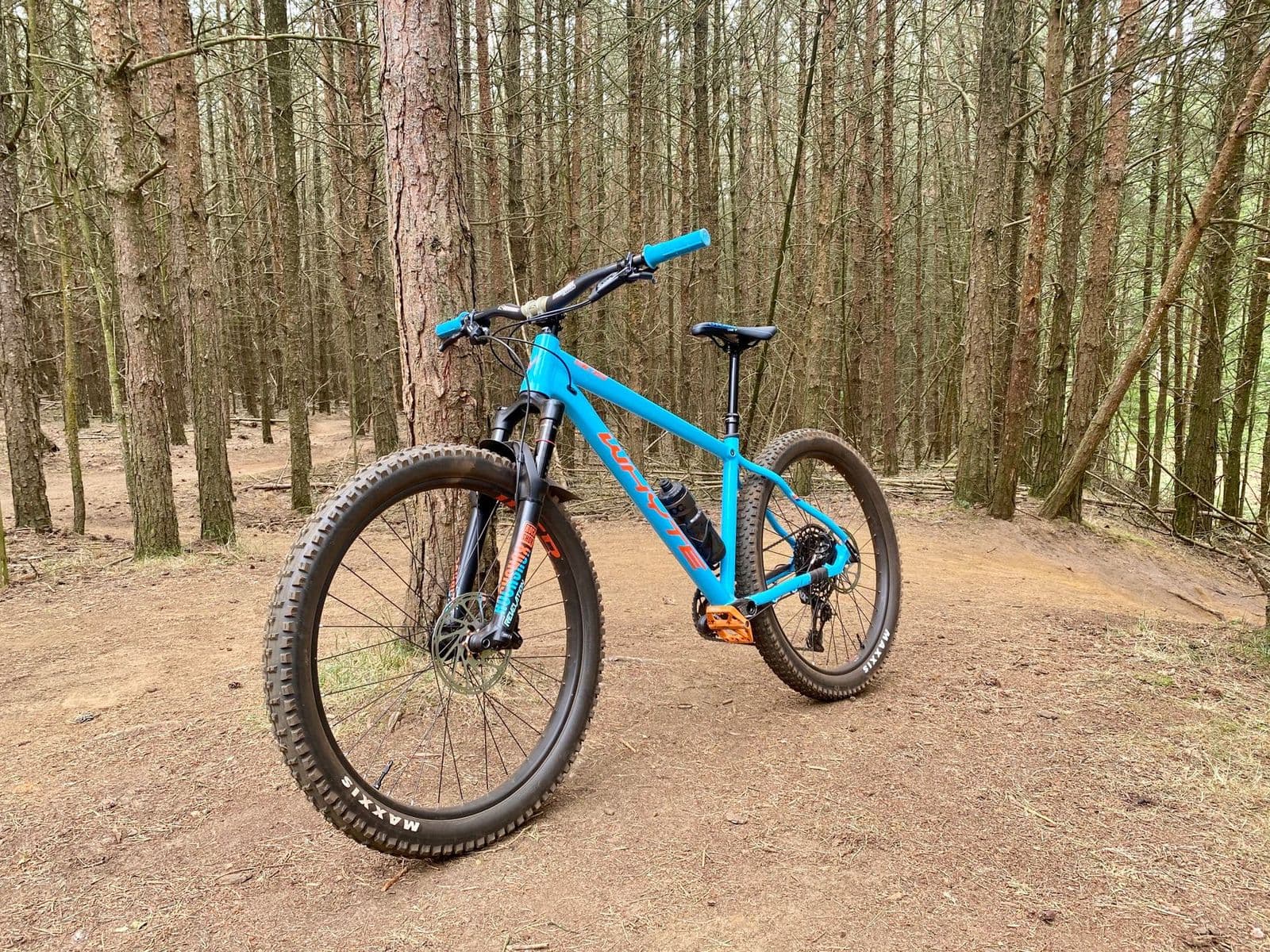
A clear comparison of the types around the best 140mm mountain bike, with pros, cons, ideal riders and price ranges to guide your choice.
Shop for a trail bike and you will meet hardtails, electric models, gravel bikes, and a wall of travel numbers, all promising the same fun. The confusion is normal. A 140mm bike sits in the middle of the trail category, with enough suspension travel to smooth rocky descents and enough pedaling manners to climb back up without misery.
This guide compares each type side by side so you can match the bike to your trails, not to marketing. Read on to see where the best 140mm mountain bike fits among the alternatives and which details decide your choice.
Types of 140mm Mountain Bikes Compared
The number 140mm describes suspension travel, meaning how far the wheels can move to absorb impacts. Around that core trail design, several neighboring types compete for your money. Here is what each one actually does, who it suits, and where it falls short on real trails.
Commuter E Bikes
Commuter e bikes use a motor and battery to help you pedal on roads and smooth paths, with upright geometry and often racks and lights. Prices commonly run around $800 to $2,500. Their strength is easy daily travel with less sweat, and their weakness for our purpose is clear: tires, suspension, and frame design are built for pavement, not rock gardens. Motor assistance also adds weight you feel on technical climbs. Choose one for transport, not trails. If your riding mixes road miles with light dirt, a trail e bike is a separate and pricier category worth researching on its own.
Full Suspension Mountain Bikes
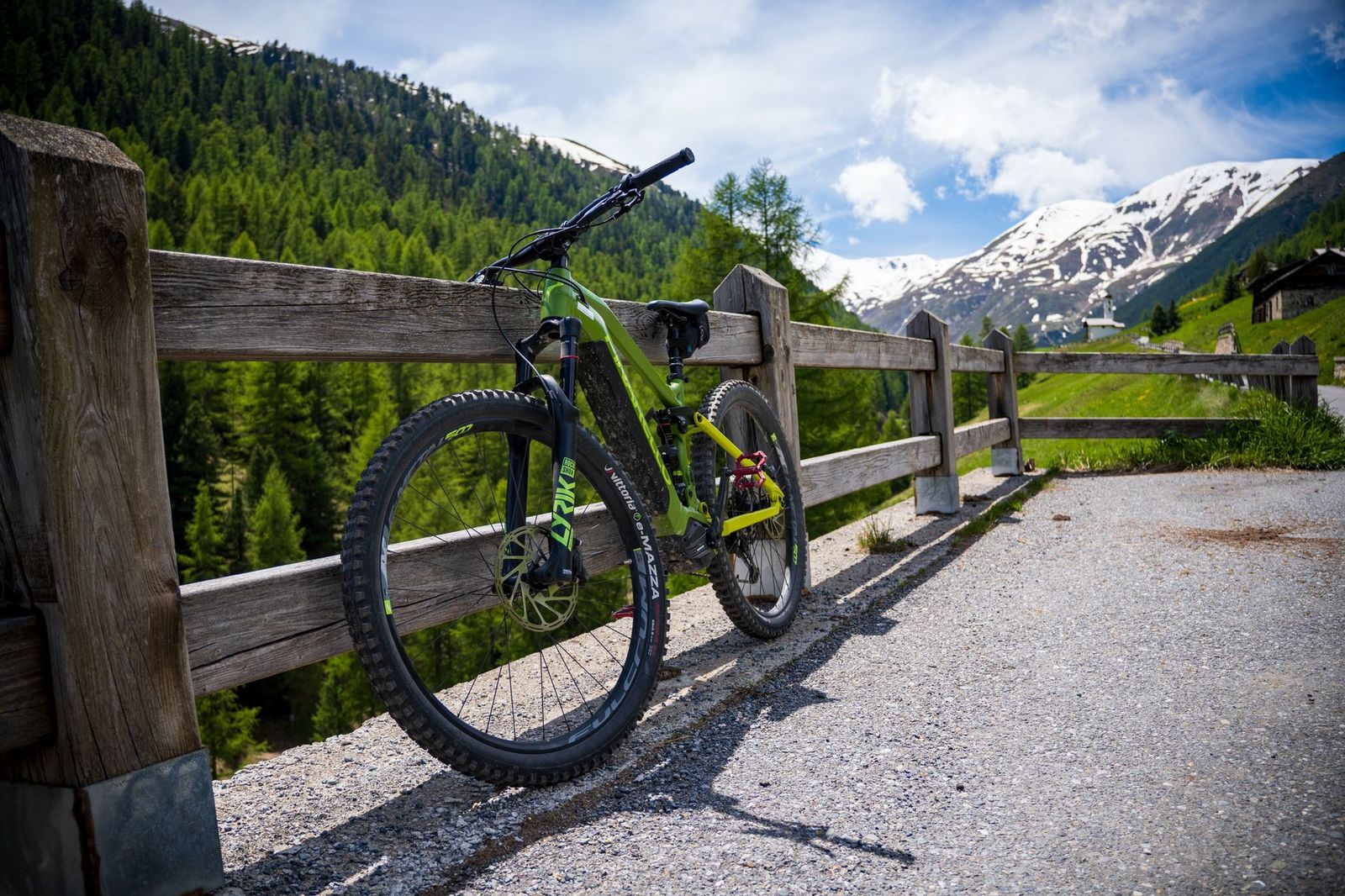
This is the true home of the 140mm design. A fork and a rear shock work together so both wheels track rough ground, which gives you grip in corners, control on descents, and comfort over roots and stones. Prices span roughly around $1,800 to $6,000 and beyond, depending on frame material and parts. The trade offs are weight, cost, and more maintenance than a hardtail, since pivots and shocks need care. For riders whose trails include steep, rocky, or root filled descents, this type is usually the best 140mm mountain bike choice because it delivers the control that defines the category. Our guide to the best all mountain mountain bike shows how travel and geometry change as terrain gets rougher.
Road and Gravel Bikes
Road bikes are light, stiff, and fast on pavement, with narrow tires and no suspension. Gravel bikes add wider tires and more relaxed geometry for dirt roads and easy paths. Prices often run around $700 to $3,000. Both pedal beautifully over long distances, and both are the wrong tool for technical singletrack, because small tires and rigid frames cannot absorb repeated rock impacts or hold grip on loose descents. Choose these types when your routes are mostly smooth. Choose the 140mm trail bike when the trail itself, with its drops and roots, is the point of the ride.
Kids Bikes
Kids bikes are sized down machines with smaller wheels, shorter cranks, and simpler parts, priced from around $200 to $800 for quality models. A true 140mm trail bike is an adult sized design, and a young rider on one that is too large will struggle, because reach, braking, and standover height all assume adult proportions. Teen riders who have reached adult height can consider the smallest adult frame sizes with a shop helping on fit. For younger riders, a hardtail with modest travel teaches skills and costs far less to replace as they grow.
Commuter E Bikes vs Full Suspension Mountain Bikes: Which Should You Choose?
Compare them on purpose first. The commuter e bike exists to replace car trips, with assistance that flattens hills on the way to work or school. The full suspension trail bike exists to make rough terrain rideable and fun. On surface, the e bike wins on pavement and loses badly on rock and mud, while the trail bike reverses that result. On effort, the motor saves your legs on roads, but its weight and battery limits matter on long trail days. On cost, similar money buys either a solid commuter or an entry trail bike around $1,500 to $2,500. On upkeep, the trail bike needs suspension service, while the e bike adds battery and motor care. Decide by where you will actually ride each week, not by the ride you imagine once a year.
How to Choose the Best 140mm Mountain Bike
Bike Type and Riding Style
Start with your honest riding mix. Cross country riders who value climbing speed often prefer less travel and lighter builds, while trail riders get the most from 140mm because it forgives mistakes on descents without feeling sluggish on climbs. Enduro riders who chase the roughest descents usually step up in travel. If you are still defining your style, our guide to the best bike for mountain biking walks through the main categories in plain terms. Renting or demoing a trail bike for one weekend teaches more than weeks of reading.
Drivetrain and Gearing
Most modern trail bikes use a single front chainring with a wide range cassette, called a 1x setup in shop shorthand. It shifts simply, drops chains less often, and gives low gears for steep climbs. Older 2x systems offer more total gears but add a front shifter and complexity few trail riders miss. Look for a low climbing gear you can spin comfortably, a clutch rear derailleur that keeps the chain quiet, and parts from a current groupset so spares stay available. Smooth, reliable shifting under load matters more than one extra gear at the top end.
Brakes: Hydraulic vs Mechanical Disc
Hydraulic disc brakes are the right choice at this level. They deliver strong stopping power with light lever effort, which keeps your hands fresher and your control sharper on long descents. Mechanical disc brakes cost less and use cables, but they feel weaker and need more adjustment as pads wear. Rotor size matters too, with larger rotors handling heat better for heavier riders and steeper trails. Whatever you choose, bed in new pads with a series of gentle stops before your first big descent, and never touch a hot rotor after a long downhill.
Frame Material and Geometry
Aluminum frames dominate the value and midrange tiers because they balance strength, weight, and price. Carbon frames save weight and can feel smoother, at a clear price premium that often starts around $3,000 for complete bikes. Steel is rare here and mostly suits custom builds. Geometry shapes handling more than material does. A slacker head angle feels stable at speed, longer reach adds confidence on descents, and a steeper seat angle helps climbing. Use the maker size chart with your height and inseam, and treat standover clearance as non negotiable.
Setup and Care Tips
Check tire pressure before every ride, since a few pounds change grip and rim protection more than any upgrade. Clean and lubricate the chain every 100 to 200 miles, and wipe off the excess so dirt does not stick. Set your suspension sag with help from a friend or a shop, wearing your normal riding gear, because sag decides how the bike balances. Wear a helmet on every ride, carry a spare tube or plug kit and a small pump, and book a professional tune up once a year to catch worn bearings, pads, and cables before they fail on the trail.
FAQs
How far can an e bike go on one charge?
Most commuter e bikes travel about 25 to 60 miles per charge, depending on battery size, assist level, rider weight, and hills. High assist and steep routes can cut that figure nearly in half, while gentle riding on the lowest setting stretches it. Treat maker claims as best case numbers. For trail use, remember that range is only part of the story, because a heavy commuter model still lacks the tires, suspension, and geometry that rough trails demand.
Hardtail or full suspension for beginners?
Full suspension suits beginners whose local trails are rocky or root filled, because the rear shock preserves grip and confidence while skills develop. A hardtail costs less, weighs less, and teaches smooth line choice, which makes it a fine start on smoother trails. New riders comparing the field can also read our guide to the best starter mountain bike for budget focused advice. Choose by terrain first and budget second, and leave room in that budget for a helmet and basic tools.
What size bike do I need?
Start with the maker size chart, which matches frame sizes to rider height, then confirm with inseam and standover clearance. You should be able to stand over the frame with a small gap and reach the bars without locking your elbows. Reach and stack numbers help compare across brands, since a medium from one maker can feel like a large from another. If you fall between sizes, most trail riders prefer the smaller frame for agility. A short ride on the bike settles doubts better than any chart.
What e bike class is legal where I live?
Rules vary by state, park, and trail system, so check your local land manager before you ride. Many areas group e bikes into classes based on top assisted speed and whether a throttle is fitted, and some singletrack trails allow only the lowest assist class or none at all. Trail access signs and park websites state the current rule. This matters when you compare types, because a commuter e bike that is welcome on bike paths may be barred from the dirt trails a 140mm bike is built for.
How much should I spend on my first bike?
Spend enough to get hydraulic brakes, a reliable 1x drivetrain, and an air sprung fork, which usually means around $1,800 to $3,000 in this category. Below that range, coil forks and weaker brakes limit the trails you can enjoy and often lead to costly upgrades. Reserve part of your budget for a helmet, pedals, a pump, and a first service. A broad overview in our guide to the best mtb mountain bike can help you see where your budget sits in the wider market.
Final Thoughts
Choose by terrain, then by fit, then by brakes and drivetrain quality, and let price tiers follow from those decisions. Get those right and the best 140mm mountain bike for you will feel obvious rather than overwhelming. Riders still weighing categories can finish with our guide to the best bicycle mountain bike for one last look at the basics.