Best 14 Inch Band Saws 2026: Workshop Buying Guide
Disclosure: We may earn a commission when you buy through links on this page, at no extra cost to you. As an Amazon Associate I earn from qualifying purchases. Learn more

The best 14 inch band saws suit home woodworkers who need curves, resawing, and rip cuts. Compare power, throat depth, and guides.
A 14 inch band saw is the workhorse of many home workshops, handling curves, resawing, and rip cuts that other saws struggle with. The best 14 inch band saws balance power, throat depth, and blade control in a footprint that fits a garage shop. This guide explains what the size means, which specs matter, and how to buy safely.
Use the product table to compare the picks side by side. Later sections cover motor power, resaw capacity, blade guides, fences, and the safety habits that keep band saw work enjoyable rather than risky.
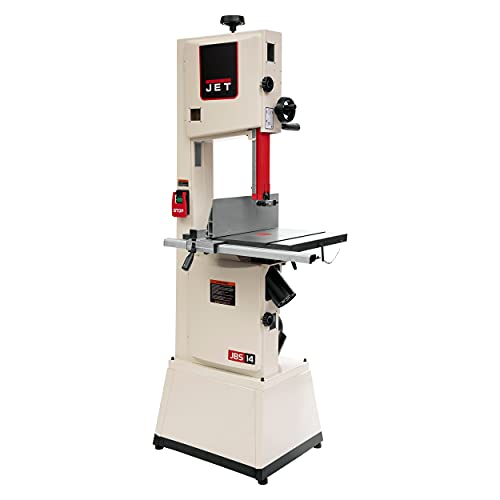

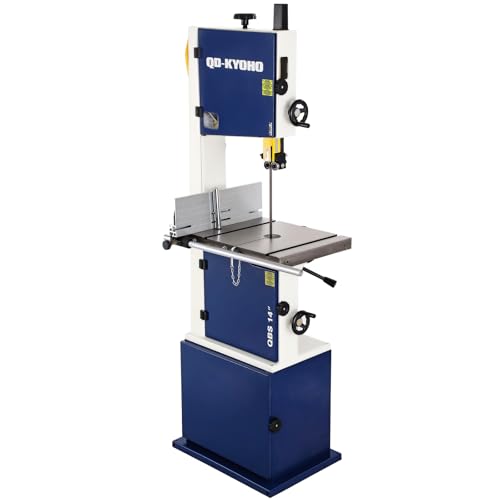
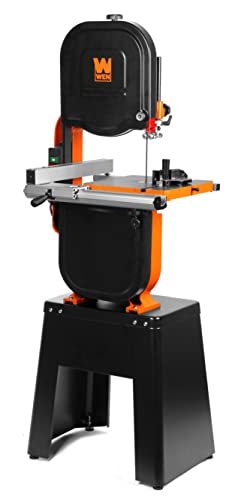
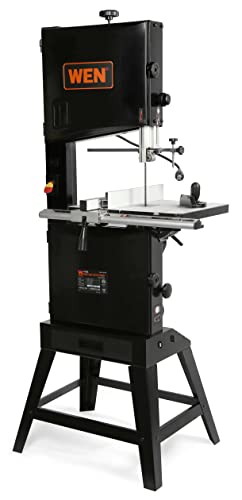
What 14 Inch Means and Why It Suits Home Shops
The 14 inch figure refers to the wheel diameter, which sets the throat depth, meaning how far from the blade to the frame you can cut. A 14 inch saw typically offers around 13 inches of throat depth, which handles most furniture parts, bowls, and boxes. Larger saws cut wider boards but cost more and need more floor space and power.
For home workshops, 14 inch is a sweet spot: big enough for serious resawing with a riser block on some models, yet small enough to run on standard household power and fit a garage corner. Smaller benchtop saws suit light work but struggle with thick hardwood resawing.
Motor Power and Resaw Capacity
Motor power, usually 1 to 1.5 horsepower on 14 inch saws, decides how thick and hard a board you can resaw without bogging down. Hardwood resawing needs steady power, so a stronger motor with a good belt drive beats a weaker motor with a flashy fence. Check whether the motor runs on standard household voltage or needs a dedicated circuit.
Resaw capacity is the maximum board height the saw can cut, and it matters if you slice veneers or book matched panels. Some 14 inch saws accept a riser block that increases resaw height, which is a cheap upgrade path for woodworkers who grow into veneer work. Measure your typical stock before paying for capacity you will never use.
Blade Guides, Tension, and Tracking
Blade guides support the blade above and below the table and control vibration and drift. Ball bearing guides run cooler and last longer than simple block guides, while ceramic guides suit fine work. Easy guide adjustment matters, since you change settings with every blade width change.
Tension and tracking controls set how tight the blade runs and where it sits on the wheels. A clear tension indicator helps beginners avoid under tensioning, which causes wandering cuts, and over tensioning, which shortens blade life. Quick release tension levers save time when you change blades often.
Fences, Tables, and Dust Control
A good fence locks parallel to the blade and stays put under pressure, since a drifting fence ruins resaw cuts. Look for a fence that adjusts smoothly and locks firmly at both ends or with a solid single point lock. A tilting table helps angled cuts, while a large cast iron table supports heavy boards steadily.
Dust control matters for visibility and shop cleanliness. A dust port that fits a standard shop vacuum or extractor keeps the cut line visible and reduces airborne dust. Band saws produce less airborne dust than some tools, but long sessions still deserve extraction and a dust mask.
Safety Habits for Band Saw Work
Band saws are relatively safe among power saws, but they still demand respect. Keep hands away from the blade path, use push sticks for small pieces, and never reach across a running blade. Adjust guides close to the work, since guides set high above the board leave more exposed blade than necessary.
Wear eye protection and hearing protection, tie back long hair, and remove loose clothing and jewelry before cutting. Switch off and wait for the blade to stop fully before changing blades or clearing offcuts. If a cut binds or the blade wanders, stop, switch off, and investigate rather than forcing the board through. Always follow the manufacturer's instructions.
Choosing the Best 14 Inch Band Saws for Your Workshop
Budget 14 inch saws, around $500 to $900, cover hobby use with basic guides and fences. Midrange models, around $900 to $1,500, add stronger motors, better guides, and sturdier tables that suit regular furniture work. Premium models above $1,500 add refined fences, larger tables, and smoother tracking for daily professional use.
Buy the saw that matches your real work, not your dream projects. A hobbyist cutting curves and small boxes does not need premium resaw capacity, while a furniture maker resawing hardwood weekly will quickly outgrow a budget fence. Check floor space, power supply, and dust extraction before ordering.
Guides That Pair With This One
Wood focused models are compared in our guide to best wood band saws, which covers wood cutting saws across sizes. It helps if you are still deciding between 14 inch and a larger frame.
For woodworking in general, see our guide to best band saws for woodworking, which explains blade choice and workshop setup. Blade selection matters as much as the saw itself.
Benchtop options appear in our guide to best table top band saws for small shops and tight benches. Table top models trade capacity for portability.
Finally, our guide to best benchtop band saws covers compact saws for light work. Compare them against a 14 inch floor model before deciding.
Blades and Accessories to Budget For
Budget for several blades from the start, since different cuts need different widths and tooth counts. A general purpose blade, a narrow curve blade, and a wide resaw blade cover most workshop work. Quality blades cut cleaner and last longer than the cheapest options, so spend a little more per blade and keep spares sharp.
Useful accessories include a good push stick set, a featherboard for straight cuts, and a mobile base if you rearrange the shop often. A zero clearance insert reduces tear out on thin stock, while a quality fence upgrade transforms resaw accuracy on budget saws. Buy accessories as needs arise rather than all at once, and let real projects guide spending.
Frequently Asked Questions
What can a 14 inch band saw cut?
A 14 inch band saw cuts curves, rip cuts, crosscuts, and resawing in boards up to its throat depth and resaw height, typically around 13 inches deep and 6 inches high without a riser. It handles furniture parts, boxes, bowls, and veneer slicing with the right blade. Metal cutting needs a different blade and slower speed, so check the saw rating before cutting metal. For most home woodworking, a 14 inch saw covers the work well.
Do I need a riser block for a 14 inch band saw?
You need a riser block only if you resaw boards taller than the standard capacity, such as wide veneers or book matched panels. A riser increases resaw height, usually to around 12 inches, at modest cost. If you rarely resaw tall boards, skip it and spend on blades and a good fence instead. Riser blocks suit woodworkers who grow into veneer work over time.
What blade should I use on a band saw?
Blade choice depends on the cut: narrow blades with more teeth per inch suit curves, while wide blades with fewer teeth suit resawing and straight cuts. A 3/8 inch blade with 4 to 6 teeth per inch is a versatile starting point for general work. Keep blades sharp, since a dull blade wanders, burns wood, and strains the motor. Buy quality blades and learn to change them safely.
Is a band saw safer than a table saw?
A band saw is generally considered less prone to kickback than a table saw because the blade cuts downward toward the table. It still demands respect, since the blade is sharp and exposed near the guides. Keep hands clear of the blade path, use push sticks for small pieces, and set guides close to the work. No power saw is safe without attention and protective gear.
How much space does a 14 inch band saw need?
A 14 inch floor standing band saw needs roughly 2 to 3 feet square plus room to feed long boards and move around it safely. Allow extra space in front and behind for long stock, and keep the area clear of clutter. Check ceiling height if you add a riser block. Measure your shop and compare it with the saw footprint before ordering.
Final Thoughts
Choose a 14 inch band saw by motor power, resaw capacity, guide quality, and fence stability, in that order for most woodworkers. Budget models suit hobby use, while midrange models reward regular furniture work with better guides and tables. Check the product table above against your stock sizes and workshop power before ordering.
A well chosen band saw becomes the most versatile tool in the shop, turning curves, resawing, and rip cuts into calm, controlled work. Buy for your real projects, keep blades sharp, and respect the safety basics, and the saw will serve you for years.
When you compare the best 14 inch band saws, weigh fit and daily use above headline features.