Best 120v Hot Tubs 2026: Plug and Play Buying Guide
Disclosure: We may earn a commission when you buy through links on this page, at no extra cost to you. As an Amazon Associate I earn from qualifying purchases. Learn more

Best 120v hot tubs suit small households and renters: heating times, jet strength, power safety, placement, and water care explained.
Best 120v hot tubs plug into a standard household outlet, which makes them far easier to install than models needing dedicated high voltage wiring. They heat more slowly and usually offer fewer or gentler jets, yet they suit small households, renters, and anyone who wants soaking without electrical upgrades. This guide explains power limits, heating time, seating, and water care in plain terms.
The product table gives an overview of the main 120v styles, and the sections that follow cover electrical safety, placement, heating expectations, jets, and maintenance. A 120v tub rewards realistic expectations, so understanding its limits before buying prevents disappointment after delivery.

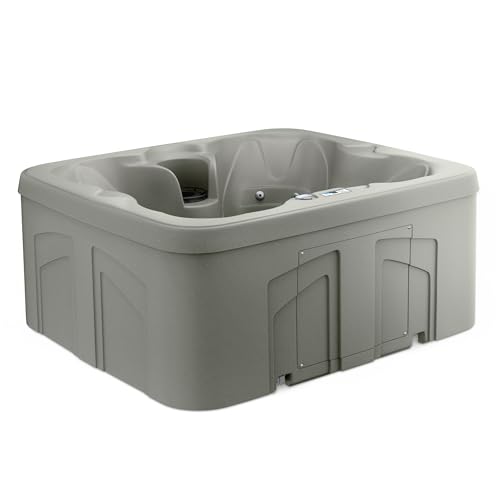


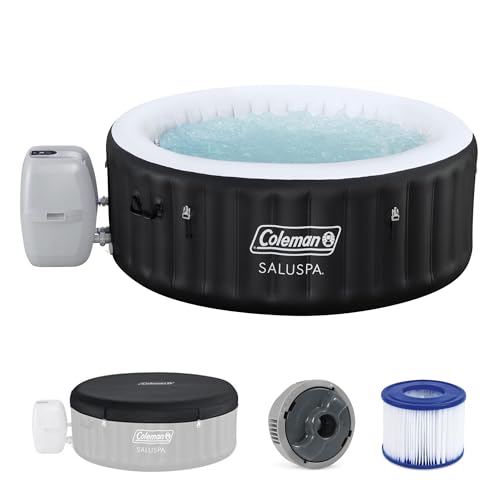

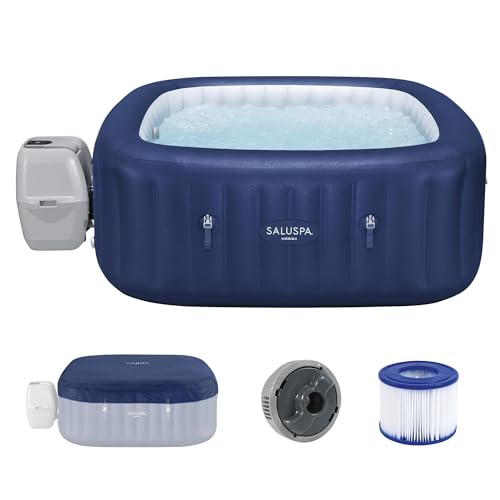


How 120v Power Shapes Performance
A 120v tub runs on a standard outlet circuit, usually with a ground fault protected outlet for safety, and it draws far less power than a 240v model. That lower power means the heater and jets often cannot run at full strength together, so heating takes longer and jet pressure stays moderate. Expect heating from cold to take many hours, sometimes a full day, depending on tub size and outdoor temperature.
This power limit suits gentle soaking and small tubs best, especially for two to four people. If you want powerful hydrotherapy jets and fast reheating after use, a 240v model serves better, though it needs professional wiring. Weigh installation simplicity against performance, and be honest about how you will actually use the tub week to week.
Electrical Safety and Installation
Electrical safety starts with a dedicated, ground fault protected circuit and an outlet placed safely away from splash zones, following local codes. Never use extension cords for a hot tub, since they can overheat and create shock risks, and keep the power cord protected from foot traffic and lawn equipment. If your outdoor outlet is old, shared with other loads, or unprotected, call a licensed electrician before buying.
Check that your home circuit can handle the tub load alongside other outdoor uses, because tripped breakers signal an overloaded circuit. A professional can confirm capacity, add protection, and advise on placement distances from the house and water sources. Safe power matters more than any jet feature, so treat electrical checks as the first step, not an afterthought.
Placement, Base, and Access
A hot tub needs a level, strong base that supports the full weight of water plus occupants, which can exceed a ton for even small models. Concrete pads, reinforced decks, and compacted gravel bases all work when properly prepared, while soft lawn alone sinks and tilts over time. Check deck load ratings carefully, since many standard decks cannot safely hold a filled tub without reinforcement.
Plan access for delivery, maintenance, and cover removal, leaving room around the tub for service panels and steps. A cover lifter helps one person open and close the cover, which encourages regular use and keeps heat in. Consider privacy, wind shelter, and distance from bedrooms, since pump noise and evening soaking affect neighbors and sleep alike.
Heating, Insulation, and Running Costs
Heating time depends on tub volume, starting water temperature, insulation quality, and outdoor weather, so small well insulated tubs heat fastest. A good cover is essential, since heat escapes rapidly from an uncovered surface, and wind chill increases losses further. Keep the tub at a steady temperature if you soak often, because reheating from cold repeatedly costs more energy than maintaining warmth.
Running costs vary with climate, use, and electricity prices, so ask for estimated energy use and check insulation thickness before buying. Inflatable 120v tubs cost less upfront but lose heat faster than hard shell models, which raises running costs in cold weather. Balance purchase price against seasonal energy use, especially if you plan winter soaking.
Jets, Seating, and Comfort
Jet count alone misleads, because jet placement, adjustability, and pump strength shape the massage feel more than raw numbers. Sit in the tub if possible, checking seat depth, legroom, and whether jets hit shoulders, back, and calves comfortably. Smaller tubs often seat two comfortably rather than the four claimed, so judge seating by body size and comfort, not by marketing counts.
Look for adjustable jets that let you soften or direct flow, and check noise levels at full jet power. A quiet pump suits evening soaking and close neighbors, while a loud pump can spoil relaxation. Ergonomic seats with varied depths suit households of different heights better than uniform bench seating.
Water Care and Maintenance
Water care keeps soaking pleasant, requiring regular sanitizer checks, pH balance, and filter cleaning. Check water a few times a week with test strips or a kit, and adjust chemicals gradually rather than shocking the water with large doses. Shower before soaking to reduce oils and lotions, which cloud water and strain filters.
Clean filters regularly, replace them on schedule, and drain and refill the tub every few months depending on use. Cover the tub when not in use to keep debris out and heat in, and inspect the cover for waterlogging or tears. Follow the manufacturer's instructions, and if you have a health condition or are pregnant, ask your doctor before regular use.
A Final Check Before You Order
Before ordering, confirm your outdoor circuit capacity with an electrician, especially if other loads share the circuit. A dedicated protected circuit prevents nuisance trips. Ask about outlet placement relative to the tub, since codes specify safe distances from water.
Plan water filling and draining routes, since a tub holds hundreds of gallons that need a hose and a suitable drain area. Avoid draining chlorinated water onto lawns or into storm drains where local rules forbid it.
Budget for chemicals, filters, and a cover from the start, since those running costs arrive immediately after delivery. Spare filters keep water clear during cleaning cycles without downtime.
Finally, set house rules for soaking, including time limits, showering before entry, and adult supervision for children. Clear rules keep water cleaner and soaking easier for everyone.
Related Guides to Compare
Jacuzzi is a well known hot tub maker, and best jacuzzi hot tubs compares its models by size and features.
For placement and weather considerations, see best outdoor hot tubs for outdoor tub planning.
Budget buyers should compare best inexpensive hot tubs for lower cost tubs and their running costs.
Frequently Asked Questions
How long does a 120v hot tub take to heat?
A 120v hot tub heats slowly, often taking many hours or a full day from cold, depending on size, insulation, and outdoor temperature. Smaller well insulated tubs heat fastest, while larger or poorly insulated models take longer in cold weather. Keep the cover on during heating, and maintain temperature between soaks if you use the tub often.
Can I plug a 120v hot tub into any outlet?
No, you need a dedicated ground fault protected outdoor outlet on a circuit that can handle the tub load, following local electrical codes. Never use extension cords, and avoid sharing the circuit with other heavy outdoor loads. If your outlet is old or unprotected, call a licensed electrician before connecting a tub.
Are 120v hot tub jets strong enough?
Jet strength on 120v tubs stays moderate, since heater and jets share limited power and often cannot run at full strength together. Gentle soaking and light massage suit 120v models well, while powerful hydrotherapy needs a 240v tub. Favor adjustable jets that let you direct flow where it helps most.
Do 120v hot tubs cost more to run?
Running costs depend on insulation, climate, and use, with well insulated hard shell tubs costing less than inflatable models in cold weather. Maintaining temperature between frequent soaks often costs less than repeated cold reheating. A good cover, wind shelter, and regular filter care all reduce energy use over a season.
Is a hot tub okay during pregnancy or with heart conditions?
Hot water affects body temperature and circulation, so ask your doctor before regular hot tub use if you are pregnant or have a heart condition. Follow the manufacturer's instructions, keep soak times short, and get out if you feel unwell.
Final Thoughts
120v hot tubs trade power for simplicity, offering easy installation and gentle soaking without electrical upgrades. The product table summarizes the main styles, and realistic heating and jet expectations will keep you happy after delivery. Check power safety, base strength, and insulation before you fall for jet counts.
With best 120v hot tubs chosen around your circuit, space, and soaking habits, you can enjoy warm water without a major project. Install safely and care for the water.