Best 110 Volt Hot Tubs of 2026: Complete Buying Guide
Disclosure: We may earn a commission when you buy through links on this page, at no extra cost to you. As an Amazon Associate I earn from qualifying purchases. Learn more

Plug in soaking without new wiring: compare sizes, construction, and costs to pick the best 110 volt hot tubs for your space and budget.
Choosing the best 110 volt hot tubs starts with understanding how you will actually use one. A plug in hot tub brings warm water soaking to homes without new high voltage wiring, provided you accept slower heating and a smaller size. This guide walks through the choices that matter for plug in soaking on a standard outlet, so you can compare options clearly and avoid paying for features you will never use.
The product table after this introduction lists the picks side by side, and the sections that follow explain what each feature means in daily use. Read the whole guide before you order, because fit, size, and setup often matter more than a single headline specification.


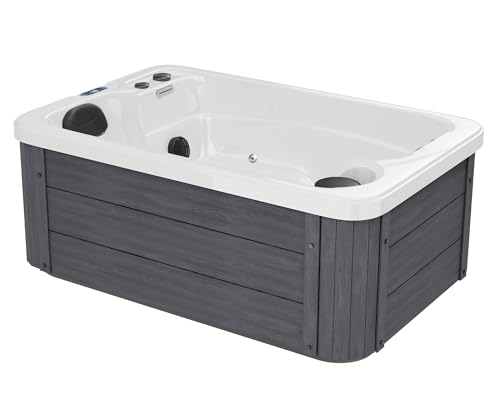
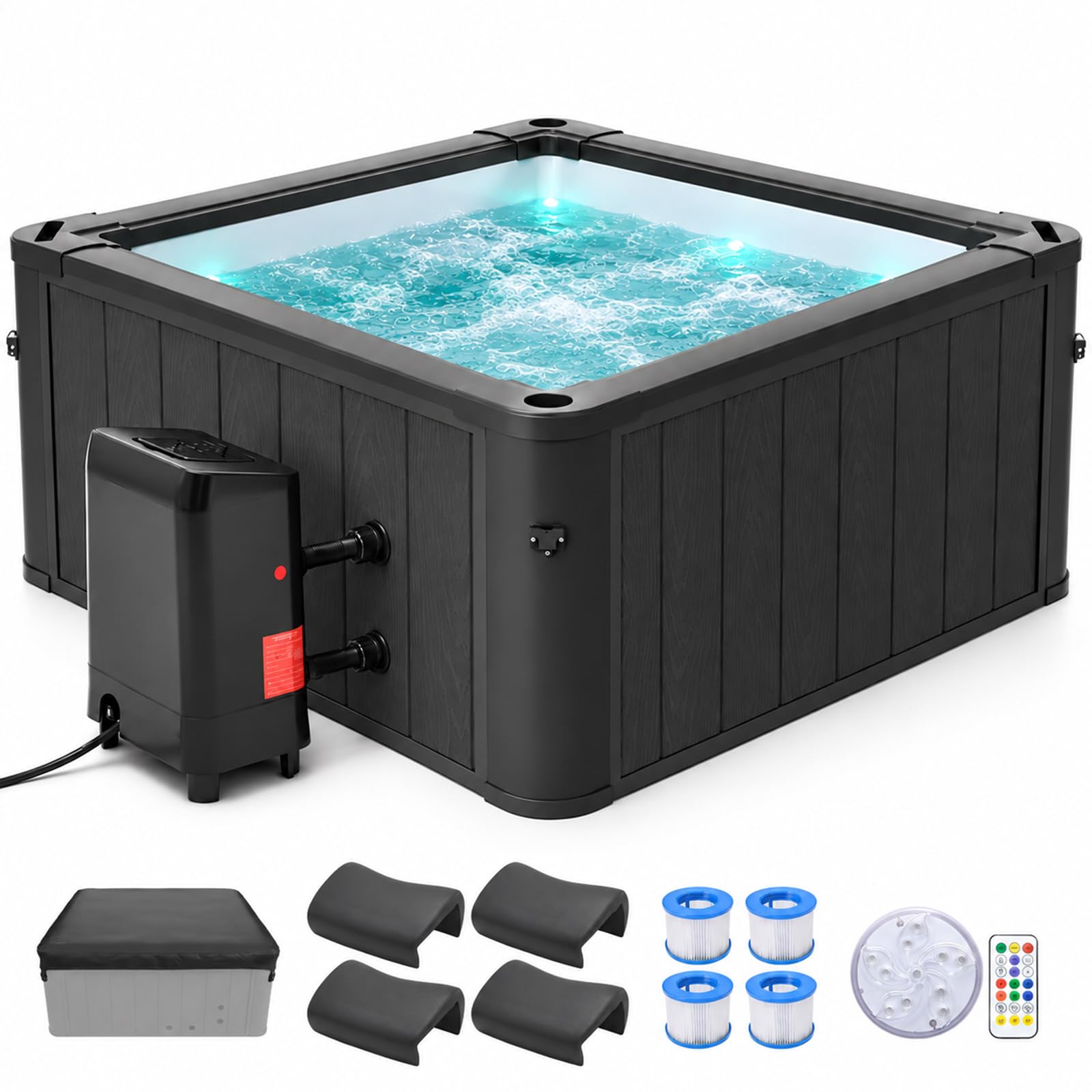
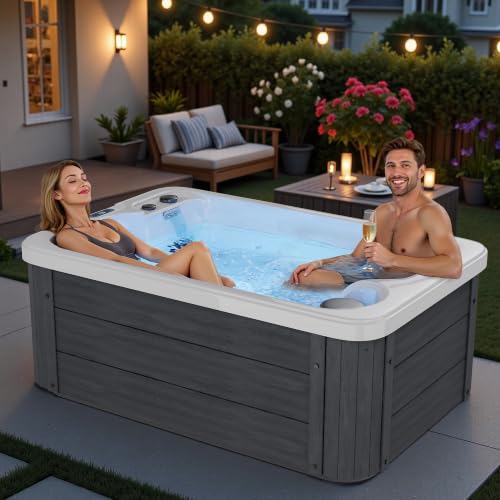

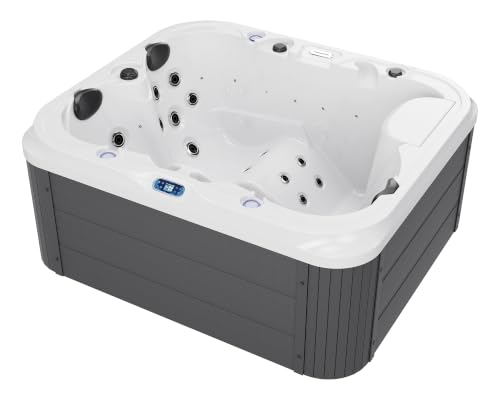
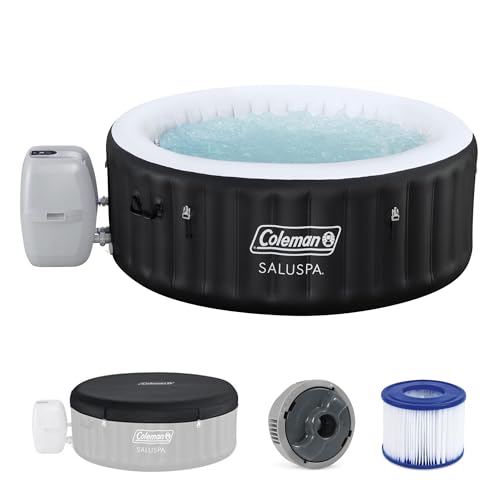
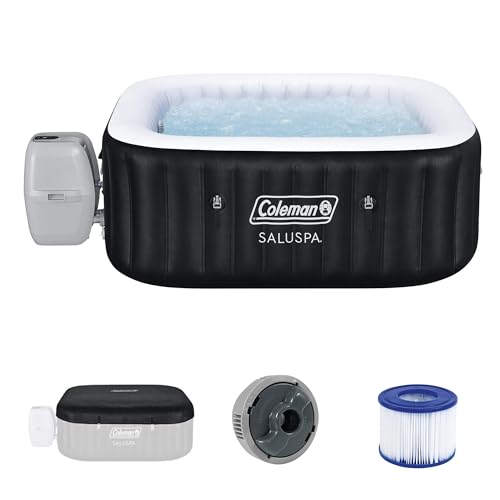

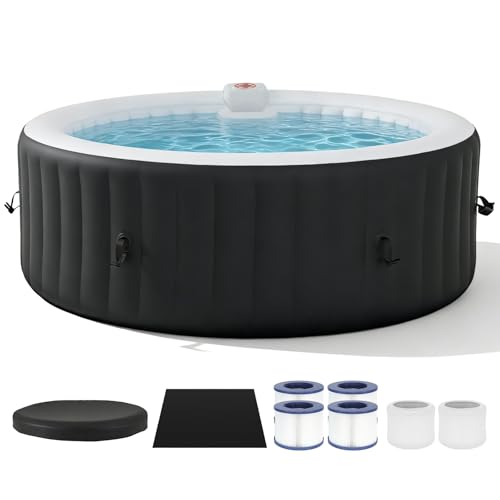

Who Should Buy the Best 110 Volt Hot Tubs
Different people need different strengths from a 110 volt hot tub, even when the product name sounds the same. A daily user needs durability and comfort above all, while an occasional user may value simple controls and easy storage more. Think about how often you will use it, where it will live, and who else might share it.
First time buyers do well with a straightforward plug in model that covers the essentials without a steep learning curve. Regular users should pay more attention to the pump, heater, warranty, and comfort over long sessions. People with limited space often prefer a 2 person acrylic tub or a compact inflatable, while families who want more seats may look at 4 to 6 person models.
Before you compare models, write down your top three priorities. That short list keeps you focused when marketing claims pull in different directions, and it makes trade offs easier to accept. A product that meets your real priorities will satisfy you longer than one that merely looks impressive on paper.
Key Features to Compare
Features only help when they match a real situation in your routine. The sections below explain the main features of a 110 volt hot tub in plain language.
Plug in convenience
A standard outlet model avoids new wiring, but it heats more slowly, often by only a few degrees per hour, and many models pause the heater while the jets or blower run. Plan to heat the water ahead of time and keep the cover on. Check the maker's instructions for the outlet requirements, since a GFCI protected outlet on a suitable circuit is commonly required, and ask a licensed electrician if you are unsure.
Size and seating
Seating counts sound generous on paper, so check legroom and seat depth for the adults who will actually use the tub. Many 4 to 6 person ratings assume a tight squeeze, so a smaller group often fits more comfortably.
Construction: acrylic or inflatable
Rigid acrylic tubs with foam insulation feel more permanent, hold heat well, and usually cost more, often well above $2,000. Inflatable tubs cost far less, often $400 to $800, and can be stored in the off season, but they need more attention to the cover, the liner, and cold weather protection.
Insulation and cover
Good insulation and a tight cover hold heat between soaks and keep running costs down. This matters more on 110 volt models, where the heater is modest.
Jets and filtration
Stainless steel jets give a more focused massage, while air jets in inflatables give a gentler bubble effect. A simple, easy to reach filter and a clear water care routine keep the water inviting without constant fuss.
Size, Fit, and Setup
Measure the delivery path, the base, and the distance to the outlet, and plan a level, well drained pad that can carry the full weight of the water and people. Take measurements twice, and remember that gates, doors, and stairs can limit choices that look fine on a product page.
Allow time for setup and for the first heat up, which can take a day or more. Read the instructions fully before first use, check every connection, and run a normal session before deciding whether it suits you. Small setup mistakes often explain early disappointment that has nothing to do with quality.
Keep soaks shorter, supervise children closely, and keep water temperatures within the maker's limits. If you are pregnant or have a heart condition, ask your doctor before using a hot tub.
Common Mistakes to Avoid
One common mistake is choosing on price alone, without checking fit, size, or running costs. A cheaper tub that does not fit your space or routine often costs more in returns, replacements, and frustration than a slightly dearer option chosen carefully.
Another mistake is trusting a single specification as a shortcut for quality. Balance several features together, read the warranty terms, and check what happens when a part wears out. Also avoid expecting 110 volt models to heat as fast as 240 volt spas, since that sets the wrong expectations.
Care and Long Term Use
Check the water regularly with test strips, clean filters on schedule, and keep the cover on when the tub is not in use. Regular care also reveals wear early, when a small fix still prevents a bigger problem.
Keep the manual, receipt, and warranty information together, and note the date you bought the tub. When you need a part or a repair, that information saves time and avoids guesswork. With steady care, a well chosen 110 volt hot tub should serve you reliably for years.
Related Buying Guides
If you are still comparing options, read our guides to best jacuzzi hot tubs, best outdoor hot tubs, and best inexpensive hot tubs. Each covers a closely related choice that many buyers consider alongside a plug in model, and can clarify which features matter most for your situation.
A Final Check Before You Order
Build a simple water care routine and stick to it, checking sanitizer and balance on a regular schedule rather than waiting for cloudy water. A steady routine keeps soaking pleasant and protects the filter, the heater, and the cover from avoidable strain.
Keep the cover clean and latched when the tub is not in use, and rinse it after storms or heavy pollen. A well kept cover holds heat better, which matters most for a plug in tub that heats more slowly than a larger model.
Frequently Asked Questions
What size should I choose?
Start with your space and your body, not with a guess. Measure the area where the tub will live and the clearance you need around it, then compare those numbers with the product dimensions. A size that fits your routine matters more than the largest option, because a cramped fit causes daily frustration. If you fall between sizes, choose the one that gives you more room, and check the return policy before you order.
Can a 110 volt hot tub run on a regular outlet?
Most plug and play models are designed for a standard 110 to 120 volt outlet, usually with a GFCI. Check the manual for the circuit and amperage the maker requires, avoid extension cords, and ask a licensed electrician if you are unsure about your outlet.
What safety points should I check?
Check safety before price or appearance. Read the manual, confirm the tub suits your space and power supply, and look for clear warnings about common risks. Keep children and pets away from the tub when it is uncovered, use a locking cover where provided, and never bypass a safety feature to save time. If anything feels unstable, damaged, or unclear, pause and get help before continuing.
What maintenance does it need?
Plan for small, regular care rather than occasional major repairs. Check and balance the water, rinse or replace filters on schedule, and keep the cover clean. Follow the maker's guidance for sanitizers and cleaning products, since harsh chemicals can damage the shell, liner, or cover. Drain and refill the water periodically as the instructions recommend.
How much should I budget?
Set a budget range before you shop, then judge options inside that range on the features you will use every week. Inflatable models cost far less than rigid acrylic tubs, while acrylic usually buys better insulation, sturdier construction, and a longer lifespan. Leave room in the budget for a cover lifter, chemicals, a pad or base, and electricity.
Is this a good choice for a first time buyer?
Yes, provided you start with the basics and avoid overcomplicated features. Focus first on fit, ease of use, and safety, and learn the advanced settings later as you gain confidence. Read the manual once before first use and ask the seller about anything unclear. A simple, well made tub usually teaches good habits faster than a complex one.
Final Thoughts
Take your time, measure carefully, and choose from the best 110 volt hot tubs the option that fits your space, routine, and budget rather than the loudest claim you see. The product table gives a useful overview, but your own priorities should make the final call.
Once you have a shortlist, recheck size, fit, and warranty, and confirm delivery and return terms before you order. A careful final check turns a good guide into a purchase you will still be happy with months later.