
Best 12 Oz French Press (2026): How to Choose
Disclosure: We may earn a commission when you buy through links on this page, at no extra cost to you. As an Amazon Associate I earn from qualifying purchases. Learn more

A practical guide to the best 12 oz french press: what matters, what to skip and how to avoid common buying mistakes.
Picture a weekday morning in a small kitchen. One person wants coffee, the kettle is already on, and a large brewer would leave half a pot sitting until it turns stale. A best 12 oz french press solves that exact moment. It brews one generous mug or two small cups, takes little counter space, and rinses clean in about a minute.
This guide helps you choose by household size, daily routine, and budget rather than by looks alone. You will compare materials, insulation, filters, and footprint, then match them to your home. Start with the comparison table below, and use the checklist that follows to narrow your choice with confidence.


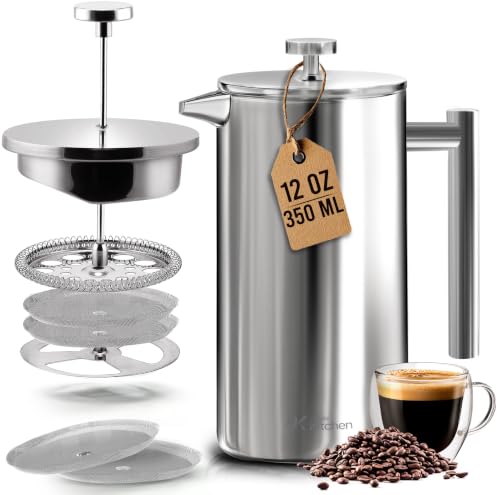
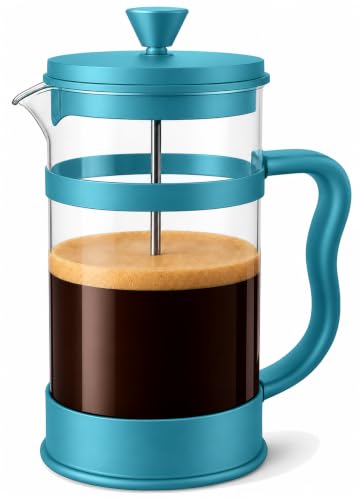


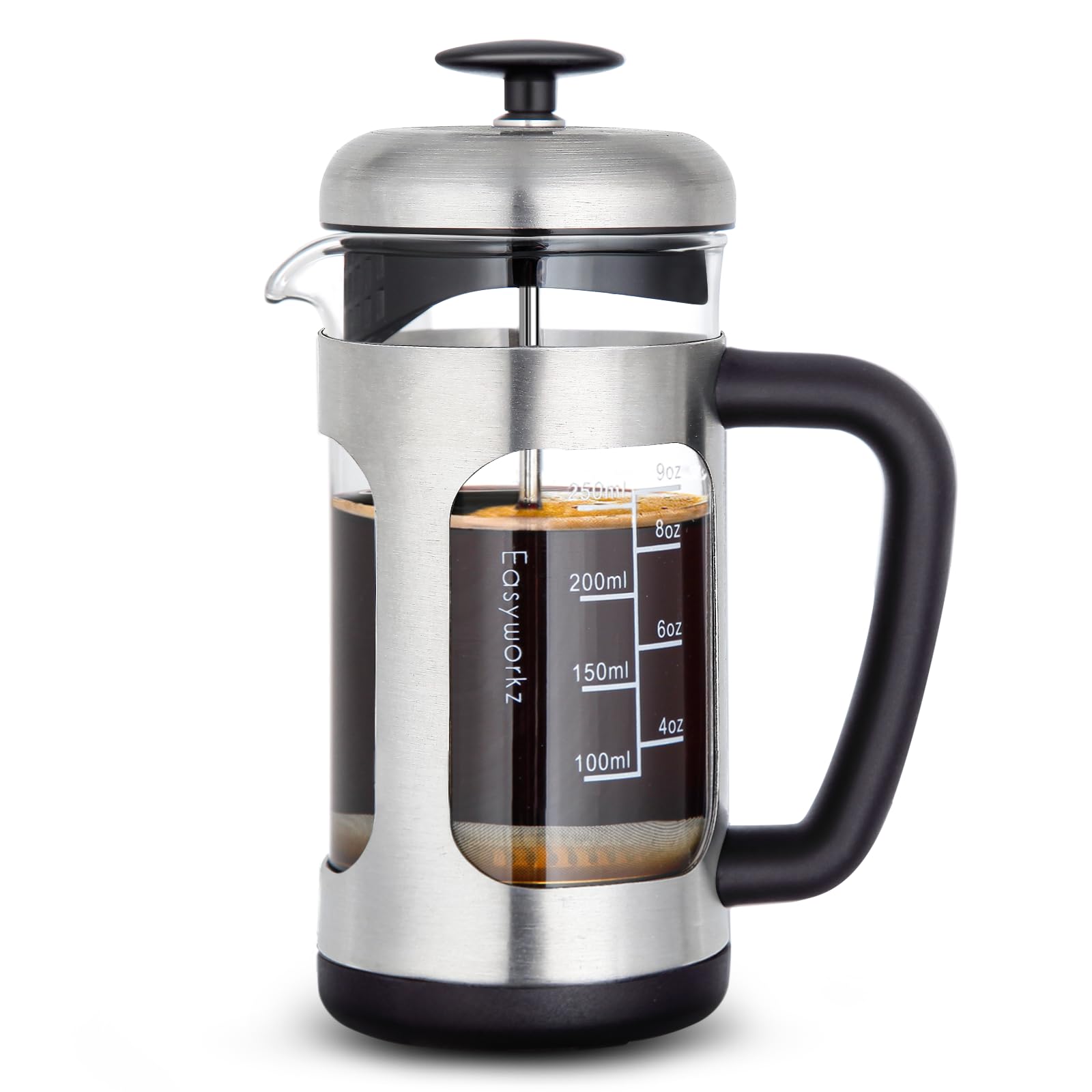


Quick Answer: Three Styles Worth Considering
Most shoppers land on one of three styles. A glass press with a steel or plastic frame costs the least and lets you watch the brew. A stainless steel press shrugs off drops and suits busy family kitchens. An insulated press keeps a second cup warm while you get ready for the day.
None of these styles brews better by default. Flavor depends more on fresh grounds, water temperature, and a steady steep time. For the wider picture across all sizes, see our guide to the best french press.
Before You Buy: A Quick Checklist for Choosing a French Press
Work through the points below in order. Size and routine matter most, while finish and extra features matter least. By the end, you should know your material, your insulation needs, and your price range.
Size: Match It to Your Space and Your Mug
Twelve ounces fills one large travel mug or a standard mug with room for milk. It also suits two demitasse servings when you split a brew with someone else. Larger sizes such as 34 oz and 51 oz serve a table of guests but waste coffee on solo mornings. Smaller 8 oz models feel cramped once grounds and water go in. Measure your usual mug first, because label capacity counts the full beaker, not the space left after the plunger and grounds take their share.
Which Type Fits Your Routine
Glass beakers show the steep clearly and usually cost less, but they can chip if a mug knocks against them in the sink. Stainless steel bodies handle daily bumps and suit homes with kids or crowded counters. Travel styles add a sealed lid and a slimmer shape for a desk or a campsite table. Think about where the press will live and who will handle it on a sleepy morning, then pick the body that forgives those moments.
Brew Temperature and Steep Control
French press coffee tastes balanced when water sits at about 195 to 205 degrees Fahrenheit. Water at a full rolling boil can scorch grounds, while water that has cooled too long gives a thin, sour cup. A simple habit helps. Boil the kettle, let it rest for about thirty seconds, then pour in slow circles so all grounds get wet at once. For a full walkthrough of ratios and timing, read how to make coffee with a french press and keep those steps beside your kettle.
Filters, Screens, and Cleaning Access
Every french press uses a mesh screen on the plunger to hold grounds below the pour line. Look for a screen assembly you can unscrew by hand, since trapped grounds between the plates turn stale and flavor the next brew. A finer second screen can reduce sediment in the cup, though it also needs more rinsing. Check that spare screens are sold for the model you like, because a bent screen is the part owners replace most often over the life of a press.
Counter Footprint and Storage
A 12 oz press is compact, but height still matters if it will sit under upper cabinets or inside a low cupboard. Measure the shelf or counter spot you plan to use, then compare it with the listed height including the plunger knob. Wide handles add inches on the side, which matters in narrow spaces such as dorm rooms, office desks, and camper kitchens. A press that stores easily gets used daily, while one that lives in a hard to reach cabinet tends to gather dust.
Realistic Budget Ranges
Most glass models cost under $25, and that buys you a sound brew if you handle the beaker with care. Spending about $25 to $50 usually adds a steel body, thicker walls, or a better finished plunger. Above that range, you mostly pay for insulation, heavier build, and refined details such as a smoother pour spout. Set your budget after you decide on material and insulation, since those two choices explain nearly all of the price gap between models.
Three Types Compared: Which Build Suits Your Home?
Choosing a 12 oz french press comes down to matching a build type to your kitchen habits. The three types below cover nearly every home, and each one trades cost, durability, and heat retention in a different way.
Glass With a Frame for Most Homes
A glass beaker in a steel or plastic frame is the classic setup, and it earns that status. You can watch the grounds bloom and settle, which makes learning the method easier and more forgiving. Replacement beakers are widely sold, so a crack does not end the life of the whole press. The weak point is heat. A thin glass wall loses warmth fast, so pour soon after plunging or move the coffee into a mug right away. For a calm kitchen with careful hands, this type gives the most value per dollar.
Stainless Steel for Value Over Time
A stainless steel body costs more at first but rarely needs a replacement beaker, which lowers what you spend across years of daily use. It hides the steep from view, so you will rely on a timer instead of watching the grounds. The brushed surface also hides water spots better than polished glass or chrome trim. If your sink sees heavy pans and rushed washing, this is the forgiving option. Shoppers who lean this way can compare builds in our guide to the best stainless steel french press.
Insulated Double Wall for Slow Mornings
An insulated press has two walls with air or a vacuum between them, and it holds brewing heat far longer than a single wall of glass. That matters if you brew, then shower, then sit down to drink. It also matters for a second small cup, which stays warm instead of going flat in an open beaker. The trade off is weight and price, since these models feel heavier and cost the most of the three types. Compare options in our roundup of the best insulated french press if slow mornings sound familiar.
What Separates One Press From Another
We judge presses in this size on five points. Brew quality comes first, meaning an even extraction and a screen that keeps sediment low. Next come temperature stability during the steep, ease of daily use, and how fully the plunger assembly comes apart for cleaning. Build quality rounds out the list, with attention to handle joints, lid fit, and screen edges. These points come from maker specifications and patterns in verified buyer feedback.
Is a 12 oz French Press the Right Size for You?
This size fits one person who drinks a single large mug, or a couple who prefer small cups with breakfast. It also suits a desk setup, where a compact press and a small kettle cover a workday without trips to a shared kitchen. Solo campers like it too, since it packs light and brews enough for one cook site meal. Our guide to the best french press for camping covers tougher travel builds if your trips run rough.
A household of three or more coffee drinkers will outgrow it fast. Brewing twice takes time, and the second batch rarely tastes as fresh as the first. If your mornings often include visitors or a partner who drinks two full mugs, step up to a 34 oz press instead. Honest sizing now saves you from a press that sits unused.
Common Buying Mistakes to Avoid
- Buying by beaker size alone, then finding the press yields less coffee than your mug holds once grounds and the plunger take space.
- Choosing thin glass for a household with young kids or a stone sink, where one knock can crack the beaker in the first month.
- Paying for insulation you do not need, when you always pour and drink right after brewing.
- Ignoring spare screen availability, so a bent mesh years later forces you to replace the entire press.
- Picking a tall model without measuring cabinet height, which leaves the press stranded on the counter.
Cost of Ownership and Care
A french press has no paper filters to restock and no pods to buy, so running costs stay low. Your main expenses over time are a spare mesh screen now and then, and possibly one replacement beaker if you choose glass. Coffee itself is the real ongoing cost, and this size helps there too, since you brew only what you will drink instead of tossing half a large pot.
Daily care is simple. Knock the grounds into the trash, rinse the beaker, and wash the plunger assembly with warm soapy water a few times a week. Let all parts dry fully before storage, because trapped moisture between the screen plates can hold stale odors. The routine in how to use a french press covers the small habits that keep each cup tasting clean.
Your Questions, Answered
How do you clean a french press without clogging the sink?
Scoop or tap the spent grounds into the trash or a compost bin before any water touches the beaker. Grounds rinsed down a drain can build up in the trap over time. Once the bulk is out, a quick rinse sends only fine residue down the sink, which flows away without trouble. If sediment clings to the screen, a soft brush lifts it without bending the mesh.
Is a french press worth it for one person?
Yes, if you value control over strength and a rich, full cup. A press needs no electricity at the counter beyond your kettle, and it works during a power outage if you can heat water on a stove. You also avoid a machine with pumps and tubing that need deep cleaning. For a single drinker, the small daily effort of plunging and rinsing is the only real cost.
How long does a french press last?
A steel press can serve for many years, while a glass beaker often ends the story early after a hard knock. Watch the plunger rod as your early warning sign. If it bends or the knob loosens, the screen stops pressing evenly and sediment rises in every cup. Replacing that one assembly, when spares are sold, restores the press without buying a whole new unit.
What size french press do I need for my mug?
Fill your usual mug with water, then pour that water into a measuring cup and note the ounces. Add about two ounces for the space that grounds and the plunger will take, and choose the press size just above that total. This simple test beats guessing from box labels, since mug sizes vary widely between homes. It also explains why some owners find a 12 oz press perfect while others feel shorted.
Can a 12 oz french press make tea or cold brew?
Yes to both, with small adjustments. For loose leaf tea, steep with the plunger up so the leaves have room to open, then press gently before pouring. For cold brew, add coarse grounds and cool water, cover the press, and let it sit in the fridge overnight before plunging. Rinse the screen well between uses, since tea and coffee flavors can linger on the mesh and plates.
Final Thoughts
A small press earns its counter space when it matches your mug, your routine, and the pace of your mornings. Glass suits careful kitchens on a budget, steel suits busy ones, and insulated walls suit slow starts to the day. Whichever type you choose, the best 12 oz french press is the one you will use every morning without a second thought. Look back at the product table above, run through the checklist once more, and pick the build that fits your home.


