Best 12 Oz Coffee Mugs (2026): What to Look For
Disclosure: We may earn a commission when you buy through links on this page, at no extra cost to you. As an Amazon Associate I earn from qualifying purchases. Learn more

How to pick the best 12 oz coffee mugs: the features that matter, who each style suits and what to avoid.
Picture a weekday morning in a small kitchen. One person wants a full cup before work, another tops up a half finished cup an hour later, and the cabinet shelf is already crowded. The best 12 oz coffee mugs solve that everyday problem because the size pours generously without hogging shelf space. This guide helps you choose by room, household size, and budget, and the comparison table below sums up the main types side by side.
If you are still weighing mug sizes in general, our wider guide to best coffee mugs covers the full range. Here the focus stays on the 12 oz size and on what makes one version suit your home better than another.


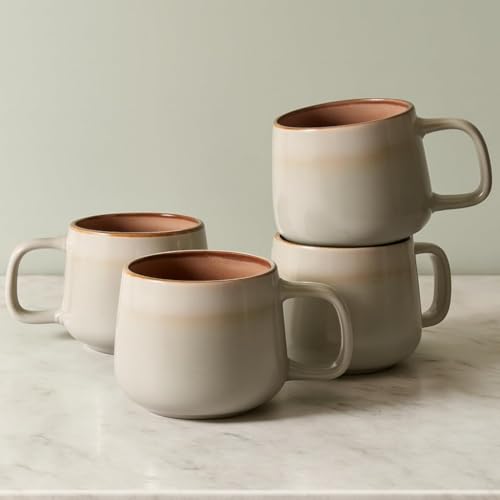


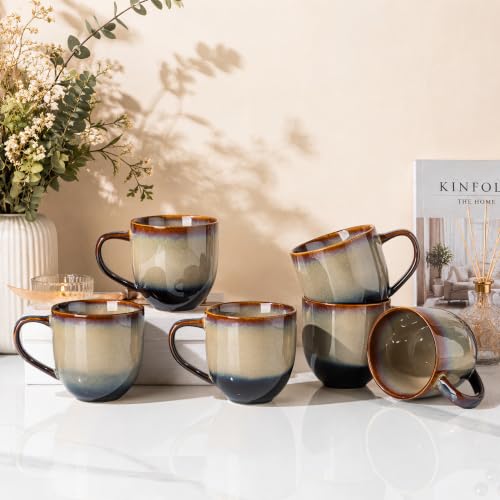


Quick Answer: Three Types That Fit Most Homes
For most households, a sturdy ceramic or stoneware mug is the default choice for daily coffee and tea. If your drink sits while you work, an insulated type holds heat far longer between sips. If you like a light feel and a clean look, a double wall glass type keeps the outer surface comfortable to hold. All three come in the same 12 oz capacity, so your routine, not the size, decides which one belongs in your cabinet.
Before You Buy: A Quick Checklist for Choosing a Coffee Mug
Capacity is only the first line on the label. The points below shape how a mug feels in your hand, how it survives daily washing, and how much it costs you over years of use.
Size: Match It to Your Space
A 12 oz mug holds a standard mug brewer pour with room for milk or cream on top. It also fits most single serve brewers without sitting so tall that it blocks the drip tray. Measure your cabinet shelf height before buying taller shapes, since a mug that clears the brewer may still crowd a low shelf. Sets of four suit most couples and small families, while sets of six cover guests without storing extras you rarely reach for.
Which Type Fits Your Routine
Ceramic and stoneware feel solid, keep heat well, and come in the widest range of colors, which is why shoppers comparing best ceramic coffee mugs often start there. Porcelain is thinner and lighter, with a smoother finish that suits a calmer table setting. Glass shows the color of your drink and double wall glass adds insulation without weight. Insulated stainless steel suits slow drinkers and desks, and our roundup of best insulated coffee mugs explains that route in depth. Handmade and stackable styles save space or add character, but check their care needs before you commit.
Features Worth Paying For, and Ones to Skip
A handle you can fit two or three fingers through matters more than decoration, since a cramped handle makes a full mug awkward to lift. Lids help if you carry your drink between rooms or work near a keyboard. Saucers earn their space only if you actually set a mug down on furniture that marks easily. Skip novelty shapes with narrow bases, since they tip more easily and often hold less than the stated size suggests.
Lead and Cadmium Free Glazes
The glaze is the glossy coating that seals the surface and carries the color. Some older or poorly controlled glazes can contain lead or cadmium, which can move into hot, acidic drinks such as coffee. Look for a clear statement from the maker that the mug is lead free and cadmium free, and be cautious with bright interior colors from unknown sellers. If a listing says nothing about glaze safety, treat that silence as a reason to choose a different mug.
Dishwasher, Microwave, and Oven Safety
Daily use gets much easier when a mug can go in the dishwasher and the microwave without special handling. Check all three ratings separately, since a mug can be dishwasher safe yet not microwave safe if it has metallic trim or certain glazes. Oven safety matters only if you bake mug cakes or warm drinks in the oven, and even then most mugs have a stated heat limit. Metal mugs never belong in a microwave, whatever the listing says about the coating.
Set Size and Open Stock Availability
Mugs chip and break over time, so think about replacement before the first one cracks. Open stock means you can buy a single matching mug later instead of replacing a whole set. Buying two smaller sets of the same style gives you the same backup with less storage strain. If you love a pattern, confirm the maker still sells it on its own, since seasonal designs often vanish once the season ends.
Realistic Budget Ranges
Basic ceramic sets often cost under $20 and cover daily needs for a first apartment. The range of about $20 to $50 usually buys thicker walls, better glaze quality, and more consistent sizing across the set. Spending about $50 to $100 makes sense for insulated or self heating styles and for large sets meant for frequent guests. Above that, you are mostly paying for design and brand story, so weigh that against how often the mug will truly be used.
Three Types of 12 oz Coffee Mugs
Instead of chasing a single winner, match the type to the way your household actually drinks. These three routes cover nearly every home, and each one trades something small for its main strength.
Everyday Ceramic and Stoneware for Most Homes
This is the safe starting point for a household that drinks coffee and tea all day. The walls feel reassuring in the hand, the mug reheats well in the microwave, and replacements are easy to find in matching colors. Choose a shape with a slightly tapered base if your cabinet is shallow. The main trade off is weight, since stoneware in particular can feel heavy when full.
Simple Porcelain and Glass Sets for Value
Plain porcelain and glass sets deliver a clean look at a low cost per mug, which suits new households and anyone stocking a guest shelf. They wash easily, stack or line up neatly, and show wear honestly, so you know when to replace one. Porcelain can chip at the rim if it knocks against a faucet, so handle thin rims with a little care. For a tight budget, this route keeps money free for coffee itself.
Insulated and Heat Holding Styles for Long Term Use
If one cup lasts you an entire morning, insulation pays for itself in comfort. Vacuum insulated steel and powered warming designs keep a drink pleasant for hours, and readers curious about powered options can explore best self heating coffee mugs for how that category works. These mugs cost more up front and usually need hand washing or battery charging. In return, you reheat less often and waste less coffee poured away cold.
What Separates One Mug From Another
Each type differs on material and durability, dishwasher and microwave safety, design that fits real cabinets, set contents, and value for the price range. Maker specifications and patterns in buyer feedback, such as rim chips, handle comfort and staining, are the best guides, along with the checks you can make yourself from a listing and from the mug in your hand.
Is a 12 oz Mug the Right Size for You?
A 12 oz mug matches the way most people brew at home. A standard drip machine cup measure is smaller, so one full mug often equals about two machine cups, and most single serve brewers offer a 10 or 12 oz setting. Tea drinkers get room to steep and remove a bag without splashing. Latte drinkers can fit steamed milk over a double shot with space to spare.
Choose a smaller mug if you prefer short, strong drinks that stay hot to the last sip, or a larger one if you add lots of milk and ice. The honest test is your own habit: if you regularly leave the last third of a big mug cold, 12 oz will likely feel just right. If you refill a small cup twice every morning, this size ends the second trip to the pot.
Common Mistakes to Avoid
- Buying by looks alone and ending up with a handle your fingers cannot grip when the mug is full and hot.
- Ignoring shelf height and brewer clearance, so the new set fits neither the cabinet nor the machine.
- Assuming every mug is microwave safe, then damaging metallic trim or overheating an insulated wall.
- Ordering a large set in a seasonal pattern that cannot be replaced once pieces chip or crack.
- Paying for extras such as lids and saucers your household will never use, while skimping on wall thickness.
Cost of Ownership and Care
A mug has no running costs beyond washing, yet small habits decide how long it lasts. Wash dark coffee stains early, since they set into tiny surface cracks over time. Our step by step guide on how to clean coffee mugs covers stain removal for each material. Avoid sudden temperature swings, such as pouring boiling water into a mug fresh from a cold garage shelf, since that shock can crack ceramic and glass. Store mugs with a little space between them so rims do not knock together every time the cabinet opens.
Insulated steel lasts longest when you skip abrasive pads that strip the outer finish. Glass needs the gentlest handling but rewards you with no lingering flavors from one drink to the next. Replacing one open stock mug now and then costs far less than a new set, which is why that earlier check matters.
Your Questions, Answered
What makes one coffee mug brand more reliable than another?
Reliability shows up in consistency. A dependable maker keeps sizing, glaze quality, and handle joins steady from one production run to the next, so a replacement matches the mugs you already own. Clear safety statements, honest care instructions, and a real warranty contact also count. When reviews repeatedly mention the same chip point or fading print, that pattern tells you more than any single rating does.
Are expensive coffee mugs worth the extra money?
Sometimes, but only when the price buys a feature you will use daily. Thicker walls, better insulation, and open stock availability are worth paying for, since they affect every cup and every replacement. Pure decoration rarely is, because a printed design can fade in the dishwasher while the mug itself still works. Set a budget per mug before you shop, and let your routine, not the product photo, make the call.
How long do coffee mugs usually last?
A sound ceramic or porcelain mug can serve for many years of daily use, and steel often lasts longer still. Glass tends to have the shortest life in busy kitchens simply because drops and knocks are unforgiving. Retire any mug with a crack that runs through the wall, since cracks harbor residue and can spread under heat. A chipped rim is also a good reason to replace a mug you drink from every day.
What size coffee mug do I need for a latte at home?
A 12 oz mug suits a home latte well. A double shot takes about 2 oz, steamed milk and foam fill most of the rest, and the remaining space keeps the drink from spilling as you carry it. If you build your latte in a smaller cup, the milk ratio drops and the drink tastes stronger than intended. Match the mug to the milk volume you actually pour, not to the size used at a cafe counter.
Can a 12 oz mug work for soup or other foods?
Yes, within limits. The shape holds a modest portion of soup, oatmeal, or a mug cake, and the handle makes hot food easier to carry than a bowl. Check oven and microwave ratings first, since food often heats longer than coffee and stresses the material more. Avoid using your favorite drinking mug for strongly spiced foods if the glaze is porous, because flavors can linger into the next morning cup.
Final Thoughts
The right mug is the one that fits your brewer, your shelf, and the way your household drinks, morning after morning. Start with the checklist, pick the type that matches your routine, and the product table above will help you compare the details that matter. Chosen well, the best 12 oz coffee mugs quietly earn their place as the most used items in your kitchen.