Best 100 Inch TVs: A Guide for 2026
Disclosure: We may earn a commission when you buy through links on this page, at no extra cost to you. As an Amazon Associate I earn from qualifying purchases. Learn more

The best 100 inch tvs need the right room, viewing distance, and wall. Compare LED and OLED options and plan sound and delivery.
A best 100 inch tvs search is really a room search first and a TV search second. A screen this large needs distance, wall strength, and light control to look its best, and it can overwhelm a small room no matter how good the picture is. The product table gives a quick side by side look at the large screen picks so you can judge fit fast.
This guide explains viewing distance, panel types, brightness, sound, and delivery and installation in plain language. It does not rank individual models, because the right choice depends on your room size, your seating, and whether you watch mostly films, sport, or everyday TV.


Who Should Buy a 100 Inch TV
A 100 inch TV suits large living rooms, dedicated media rooms, and homes where films and sport are a shared event. It suits viewers who sit far enough back to take in the whole screen without moving their head. It is less suited to small apartments, bedrooms, or rooms where seating is close to the wall, because the screen will dominate the space.
Key Features to Compare
These four points matter more than headline resolution at this size.
Viewing Distance and Room Size
As a guide, sit roughly 10 to 13 feet back for comfortable viewing, and measure your wall and your seating before you order. A 100 inch screen is about 7 feet wide, so check doorways, stairs, and elevator access for delivery too. If your room is smaller, a smaller TV or a projector with a retractable screen may suit you better.
Panel Type and Brightness
LED panels with local dimming are bright and suit living rooms with daylight. OLED panels offer deeper blacks and wider viewing angles but cost far more at this size and may be less bright in sunlit rooms. Projectors offer a huge image for less money but need a dark room and a screen. Match panel type to your room light first.
Picture Processing and Motion
At this size, upscaling and motion handling become obvious, because flaws in a low quality source are magnified. A good processor cleans up streaming video and keeps sport smooth without a soap opera look. Check motion settings in a store with sport or fast action, not just with a slow demo film.
Sound and Connections
Built in TV speakers rarely match a screen this large, so budget for a soundbar or a speaker system. Check HDMI ports, refresh rate, and gaming features if you play games, and confirm that your streaming apps and devices work at the resolution you expect. A large TV with weak sound feels smaller than it is.
Best 100 Inch TVs Compared by Type
The product table above lists the main options, and the notes below explain the room each type needs.
Large LED TVs
LED TVs are the most practical 100 inch choice for living rooms, with high brightness and a familiar setup. They are heavy and need a strong wall mount or a sturdy stand. They suit bright rooms and everyday viewing, from news to sport to films.
OLED Large Screens
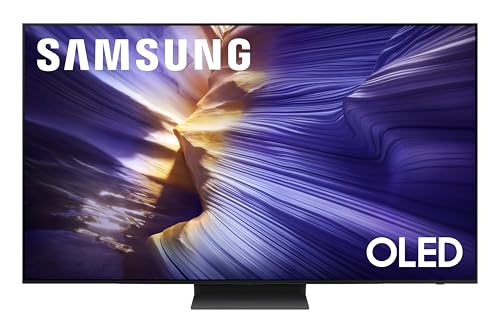
OLED screens offer the best contrast and viewing angles, with deep blacks that make films look cinematic. They are pricier at this size and suit darker media rooms. If you watch mostly films in a controlled light room, OLED rewards the extra cost. Our best OLED TVs guide covers the technology in more detail.
Projectors and Screens
A projector with a 100 inch screen costs less than a huge TV and can retract when not in use. It needs darkness, a screen, and throw distance, and its brightness and contrast lag behind a TV in daylight. It suits dedicated media rooms where light can be controlled fully.
Total Cost Beyond the Screen
Add a wall mount or stand rated for the weight, a soundbar or speakers, and possibly delivery and installation. A 100 inch TV is heavy and awkward, so professional delivery and mounting is often worth it. Also check power use, because a large bright screen uses more energy than a smaller TV over a year.
Setup and Care
Mount on a solid wall with fixings rated for the weight, keep ventilation gaps around the TV, and route cables neatly to avoid strain. Clean the screen with a soft dry cloth and avoid sprays. Update firmware for app and security fixes, and check your viewing distance again after mounting, because a screen that looked fine in a store can feel huge at home.
Mistakes to Avoid
Do not buy a 100 inch TV for a room where you sit six feet away, because you will see pixels and move your head to follow action. Do not ignore delivery access, because a huge box may not fit through doors or elevators. And do not spend everything on the screen and leave nothing for sound, because weak sound ruins the cinema feel.
Related Guides
For other sizes, see best tvs of all time for a broad overview, best 65 inch tvs, best 55 inch tvs, and best 50 inch tvs for smaller rooms, plus best 85 inch tvs as the closest step down from a 100 inch screen.
Before You Buy Checklist
Before you pay, run through this short checklist. It takes a few minutes and catches most buying mistakes, from wrong size to missing features you only notice after delivery.
- Confirm the TV fits your wall and your seating distance, not just the headline size.
- Check viewing distance against how you actually watch, because a feature that looks good on paper may not matter in use.
- Compare panel brightness across at least two options, so you can see what the price difference actually buys.
- Plan your sound setup, whether a soundbar or speaker system, and check it connects to the TV you choose.
- Check delivery access and the return policy, especially if you must buy unseen.
- Add up the full cost, including mount, sound, and installation.
- Check warranty length and what it covers, plus how easy it is to get help if something fails.
- Sleep on the shortlist for a night if you can, because a rushed choice is the most common regret.
Start with viewing distance and panel brightness, because those two points decide most of the daily experience. Write down your must haves before you compare prices, so a discount does not tempt you into the wrong type.
Next, think about room size and seating distance in real conditions, not ideal ones. Consider sound setup and delivery access together, because a strength in one area can hide a weakness in another until you live with the TV.
Finally, check the practical details: delivery, setup, and what happens if the TV does not suit you. A clear return policy and honest running costs matter as much as the headline features. Once the checklist is complete, the product table above gives a useful final comparison.
Frequently Asked Questions
How far should I sit from a 100 inch TV?
Most viewers are comfortable at roughly 10 to 13 feet, depending on eyesight and content. Closer seating makes the screen feel overwhelming and reveals source flaws, while much farther seating wastes the size advantage. Measure your seating distance before ordering, not after delivery.
Will a 100 inch TV fit through my door?
Measure every doorway, hallway turn, stairwell, and elevator along the delivery route, and compare with the boxed dimensions, not just the screen size. A 100 inch TV box is very large and heavy. If access is tight, ask the retailer about delivery options before you pay.
Is OLED worth it at 100 inches?
OLED offers the best contrast and viewing angles, which matters for films in a dark room. It costs far more at this size and may be less bright than LED in a sunlit room. If your room is bright or your budget is tight, a good LED TV is the more practical large screen choice.
Do I need a soundbar with a 100 inch TV?
Almost certainly, because built in speakers cannot match the scale of the picture. A soundbar improves dialogue and impact greatly, while a full speaker system adds surround depth. Budget for sound from the start rather than treating it as an afterthought.
Is a projector better than a 100 inch TV?
A projector costs less for the same size and can retract, but it needs darkness and a screen, and its picture is weaker in daylight. A TV suits bright living rooms and everyday use, while a projector suits a dedicated dark media room. Choose by room light and by how often you watch in daylight.
Final Thoughts
A 100 inch TV is a room decision as much as a TV decision. Measure distance, wall, and delivery access first, then match panel type to your room light and budget for sound. The product table above is a good recap, and a careful room check will save you from an expensive screen that overwhelms your home. For shoppers comparing best 100 inch tvs, that shortlist is the right place to start.