Bearaby Napper Review (2026): Is It Worth the Money?
Disclosure: We may earn a commission when you buy through links on this page, at no extra cost to you. As an Amazon Associate I earn from qualifying purchases. Learn more

A Bearaby Napper review covering comfort, airflow, washing and price, and who should choose a filled weighted blanket.
The Napper is the weighted blanket that looks nothing like the rest of the category. Instead of a quilted cover filled with glass beads or plastic pellets, it is knitted from thick cotton yarn, and the weight comes from the yarn itself. This bearaby napper review walks through how that design affects comfort, warmth, cleaning, and value, so you can judge it on the factors that matter rather than on looks alone.
A chunky knit design solves some problems of filled blankets and creates a few of its own. The comparison table below sums up the main options, and the sections that follow explain what to check before you spend premium money on any of them.




Quick Overview
The Napper sits at the premium end of the market, and its appeal is the combination of gentle, even pressure and a fabric that looks like a throw you would leave on the sofa. There are no fillers to shift, leak, or bunch in one corner. The trade offs are a high price, serious heft when wet, and an open knit that lets air pass through the loops.
Shoppers who run warm, dislike beads moving under a cover, or want a blanket that doubles as decor will get the most from this design. Anyone chasing the lowest price per pound, or full coverage for two, will usually do better with a conventional filled blanket.
Bearaby Napper Specs to Check Before You Buy
The spec sheet is short, and every line affects how the blanket feels. Weight comes in several steps, roughly from about 10 to 25 pounds, and the common guidance is to choose close to 10 percent of your body weight. If you land between two options, the lighter one is usually safer for a first blanket, since pressure you cannot escape quickly becomes annoying rather than calming.
Size matters as much as weight. The Napper is sized for one person, closer to a generous throw than to bed coverings, so check the dimensions against your height before ordering. Material is the other key line: the yarn is organic cotton with no synthetic filler, which explains both the breathability and the price.
Design and Build Quality
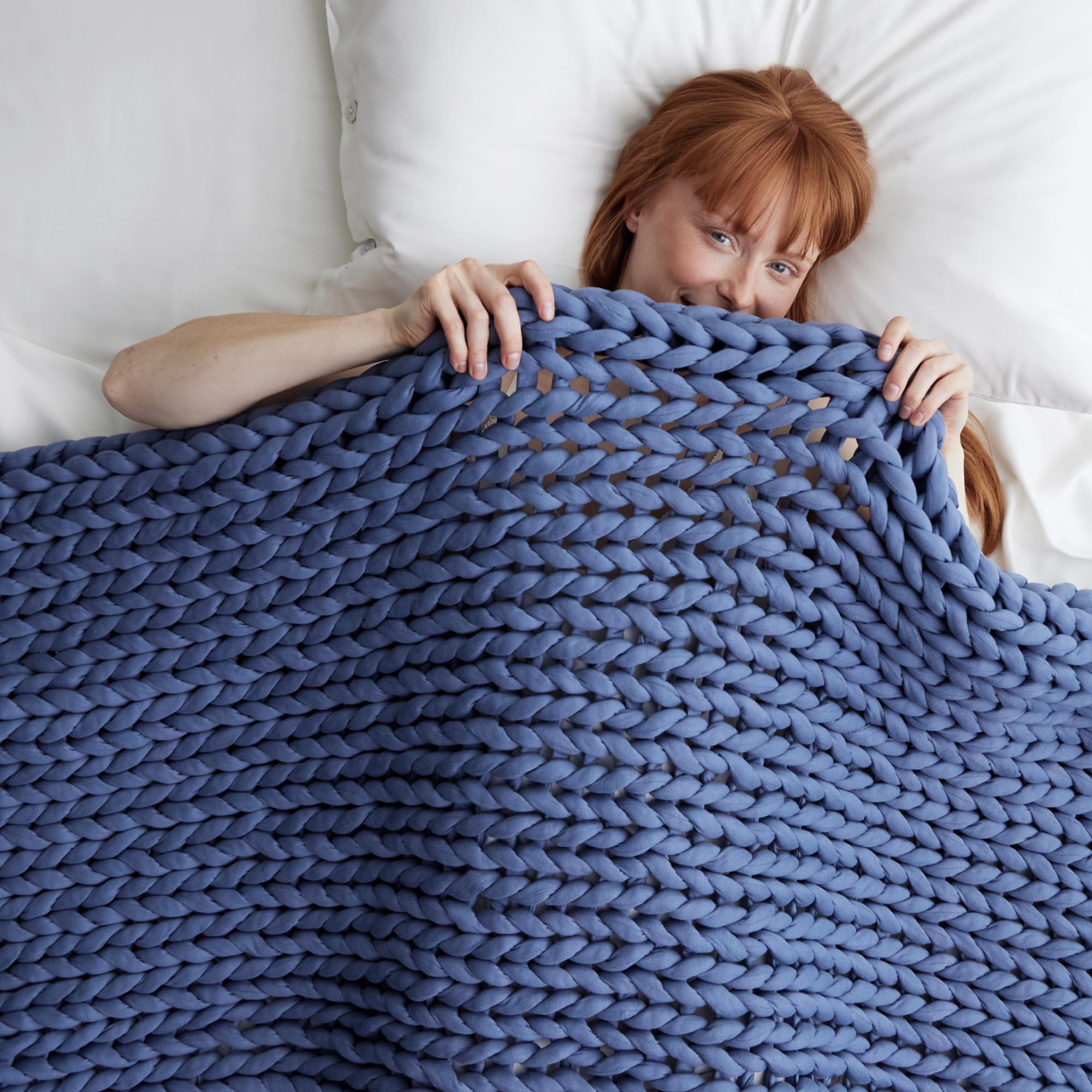
The first thing you notice is the texture. Thick loops of cotton yarn are knitted into a dense, stretchy fabric that drapes over the body instead of lying flat and stiff the way many filled blankets do. Because the weight is built into the yarn, the pressure stays spread out as you move, and there are no stitched pockets because there is no fill at all.
Build quality on a knit blanket shows up in different places than on a quilted one. Look at whether the loops are even in size, whether the edges are finished tightly, and whether the knit stretches out of shape when you lift it by one corner. A well made chunky knit should feel springy and settle back into shape on the bed. Loose, uneven loops look tired quickly and snag more easily on rings, watch clasps, and pet claws.
Performance
Comfort and Support
Comfort from a weighted blanket comes from steady pressure across the body, and the knit format delivers that pressure in a soft, flexible way. The fabric molds around shoulders, hips, and legs instead of bridging over them, which many sleepers find more soothing than the firmer feel of a bead filled quilt. There is no rustling when you turn over, and no cold spots where fill has slid away. The limit is focus: the pressure is gentle and broad, so if you want a strong, concentrated hug effect, a denser filled blanket at the same weight can feel more intense.
Materials and Certifications
The Napper uses organic cotton, and that choice shapes the whole experience. Cotton feels familiar against skin, carries no plastic smell when new, and avoids the microplastic concerns some shoppers have about pellet fills. When you compare versions or rivals, check whether the cotton claim covers the whole blanket or only an outer cover, and look for a recognized organic certification rather than a vague natural label. Verify certifications on the maker site, since marketplace wording is not always precise.
Temperature Regulation
Heat is the most common complaint about weighted blankets, and the open knit is a direct answer to it. Air moves through the loops, so body heat escapes instead of building up under a sealed quilt. Warm sleepers who abandoned a filled blanket in summer often find this style usable for more of the year. The flip side is winter: the same airflow means the blanket adds pressure without much insulation. If your bedroom runs cold, pair it with a warm layer underneath.
Durability
A filler free blanket cannot leak, tear a pocket, or develop thin patches where beads have migrated, which removes the most common failures of the category. Its weak points are the yarn itself. Loops can snag and pull, cotton can pill where it rubs against rough bedding, and a heavy knit dragged off the bed by one corner will stretch over time. Lift it with both arms spread wide when you move it, and keep it away from sharp hardware on the bed frame.
Key Features That Define This Blanket
- Weight from yarn, not fill: the cotton itself provides the pounds, so pressure stays even and nothing shifts or leaks.
- Open chunky knit: air passes through the loops, which helps warm sleepers and gives the blanket its throw like look.
- Organic cotton build: a plant based fabric with no plastic pellets, suited to shoppers avoiding synthetic materials.
- Several weight options: steps from about 10 to 25 pounds let you match the blanket to your body weight.
- Quiet in use: fabric loops make none of the rustling sounds that bead fills can produce at night.
Taken together, these features describe a blanket bought for feel and airflow first. If your priorities start with maximum warmth or the lowest cost, a filled design will match them better. Our guide to the best weighted blanket options lays out how the main types differ in weight, warmth, and care.
Ease of Use, Cleaning, and Maintenance
Day to day use is simple. There is no cover to align, no ties to fasten, and no fill to redistribute after washing. Lay the blanket roughly centered on the sleeper so the weight sits on the body rather than hanging off the sides of the bed, where it adds drag without useful pressure.
Cleaning is the part to plan ahead for. The blanket can be machine washed on a gentle cycle with cold water, but a wet cotton knit weighs far more than it does dry, and many home machines struggle with that load. Wash it alone, in a machine with enough capacity, and be ready to run an extra spin cycle.
Bearaby Napper Pros and Cons
Pros
- Even pressure with no fill to shift, bunch, or leak
- Breathable open knit that suits warm sleepers
- Soft cotton feel with no new product plastic smell
- Looks like a decorative throw rather than bedding equipment
- Silent when you change position during the night
Cons
- Premium price compared with filled blankets of the same weight
- Little insulation, so cold rooms need an extra layer
- Heavy and awkward to wash at home when wet
- Loops can snag on jewelry, zippers, and pet claws
- Sized for one person, so couples must buy two or look elsewhere
Who Should Buy the Bearaby Napper, and Who Should Skip It
Buy it if you sleep warm and still want nightly pressure, because the airflow through the knit solves the problem that makes most weighted blankets unusable for you. Buy it if the blanket will live on a sofa or reading chair in view of guests, since the design earns its place as decor. It also fits shoppers who avoid plastic fillers and want a single piece of fabric with nothing sealed inside.
Skip it if your budget is the main concern, because filled blankets deliver the same weight for far less money. Skip it if you share a bed and want one blanket for two people, or if you need real warmth in winter. It is also a poor match where a playful cat will treat the loops as a climbing toy.
How the Napper Compares With Other Weighted Blanket Types
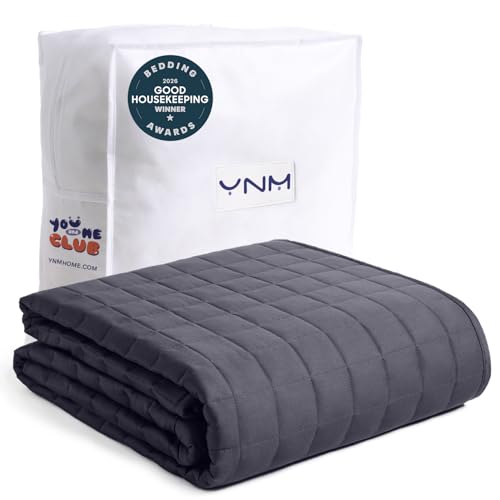
The closest comparison is with bead filled quilts, the standard design in this category. Those use stitched pockets of glass beads to create weight, cost much less per pound, and hold heat against the body, which winter sleepers often prefer. Their weaknesses are shifting fill, rustling, and covers that need tying to stop the inner blanket sliding around. A well known filled option is covered in our gravity blanket review.
When you read any bearaby napper review alongside rival listings, compare the same four things each time: how the weight is created, how much air the fabric lets through, what washing involves, and the price per pound.
Where to Buy and What to Expect on Price
The bearaby napper price sits firmly in premium territory, roughly in the about $200 to $300 range depending on the weight you choose. That is several times the price of a basic filled blanket, so the value case rests on the materials and the knit construction rather than on the weight alone. Buy from the maker or an authorized retailer so the return policy applies, and favor a seller whose trial period lets you return the blanket after real nights of use. Prices and availability can change, so check the product page before ordering.
FAQs
Is the Bearaby Napper worth it?
It is worth it if breathability and feel are what stopped you using a weighted blanket before, because those are the problems this design solves. Spread the price across a few years of nightly use and the cost per night becomes small, but only if you use it nightly. If you mainly want heavy pressure at the lowest cost, a filled blanket is the smarter spend.
What are common Bearaby Napper problems?
The complaints that come up most involve the loops. A snagged loop can pull into a long strand, though you can usually work it back by easing the neighboring loops along. Owners also mention the blanket sliding off smooth bedding because the knit has little grip, and the effort of carrying it to the laundry. Each follows directly from the chunky knit format, so expect them rather than being surprised by them.
How long does the Bearaby Napper last?
With gentle handling, several years of regular use is a reasonable expectation, since there is no fill to escape and no stitching grid to tear. What ages it fastest is rough treatment: dragging it by one corner, washing it in a cramped machine, or storing it compressed so the loops stretch. Rotate which side faces up every few weeks so friction spreads across the fabric instead of wearing the same patch of yarn.
What is a cheaper alternative to the Bearaby Napper?
A quilted blanket with glass bead fill is the main cheaper route, giving the same weight range with a warmer, denser feel for a fraction of the price. A second option is a chunky knit throw with no added weight, which copies the look for very little money but gives almost no pressure. Decide which part you actually want, the appearance or the weight, because the cheap options each deliver only one.
How do you clean the Bearaby Napper?
Wash it alone in cold water on a gentle cycle with mild detergent, and skip bleach and fabric softener, which coat cotton fibers. The detail most people miss is drying: a wet 20 pound knit can overwhelm a small dryer, so use a large capacity machine on low heat and check it in stages, or lay it flat over a rack with airflow on both sides. Make sure it is fully dry before folding it away, since damp cotton develops a stale smell quickly.
Final Thoughts
The Napper earns its premium by fixing the two faults that drive people away from weighted blankets: trapped heat and shifting fill. In exchange you accept a high price, modest warmth, and a wash day that needs planning. If those trade offs fit your sleep, the bearaby napper review verdict is positive, and the product table above will help you match a weight to your body. Confirm the return terms, and let real nights make the final decision.