
Autonomous ErgoChair Pro Review: Honest Pros, Cons & Who It's For (2026)
Disclosure: We may earn a commission when you buy through links on this page, at no extra cost to you. As an Amazon Associate I earn from qualifying purchases. Learn more

Thinking about the Autonomous ErgoChair Pro? Our honest Autonomous ErgoChair Pro review covers everyday pros and cons, who it suits.
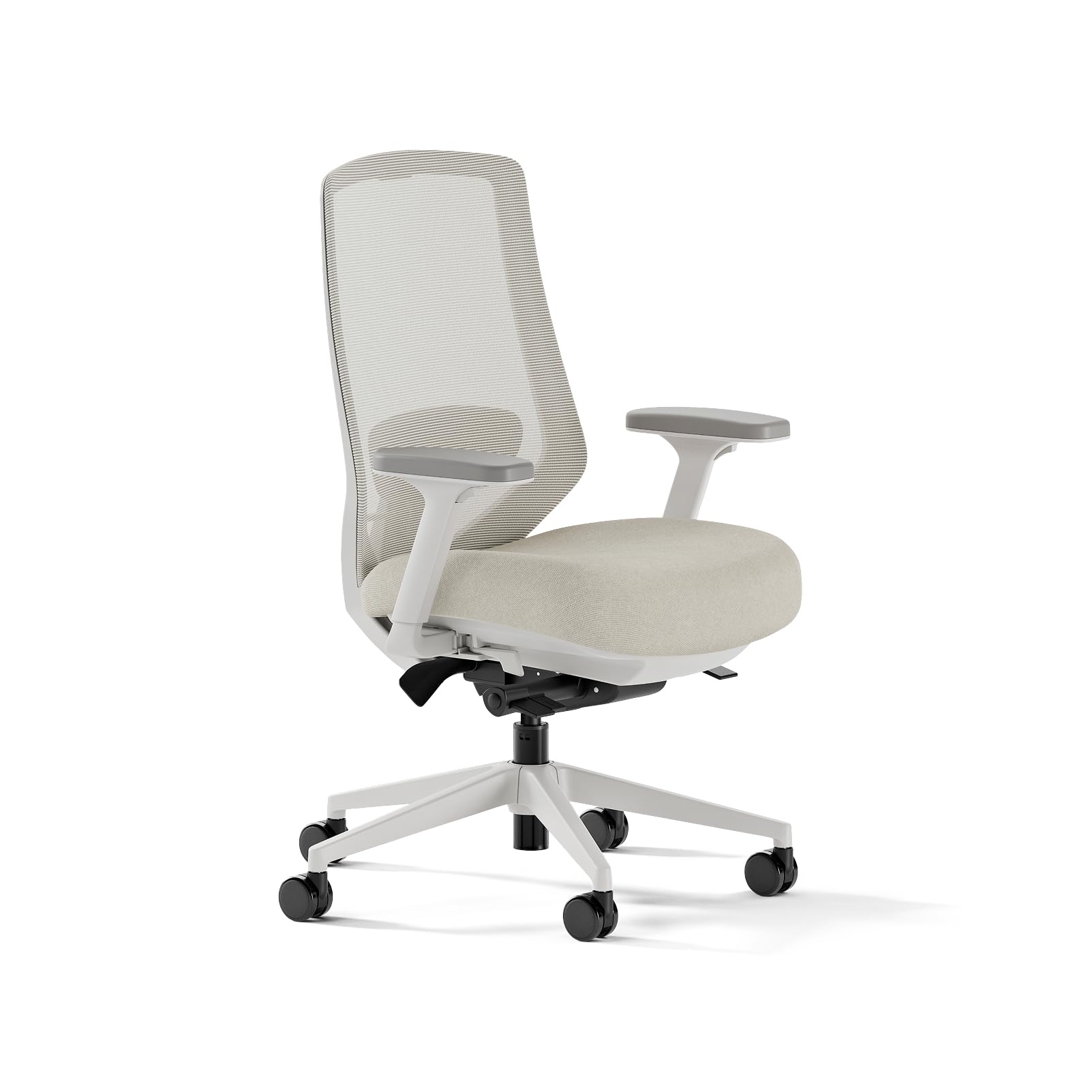
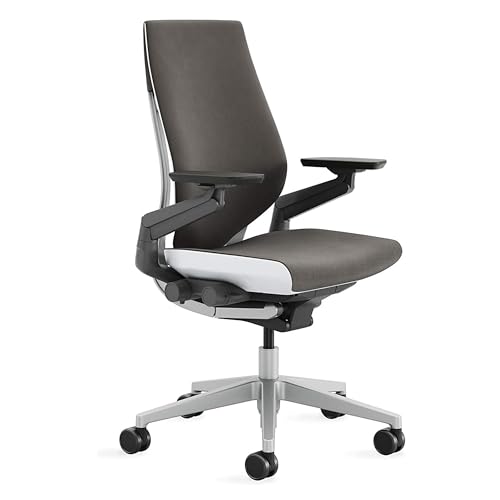
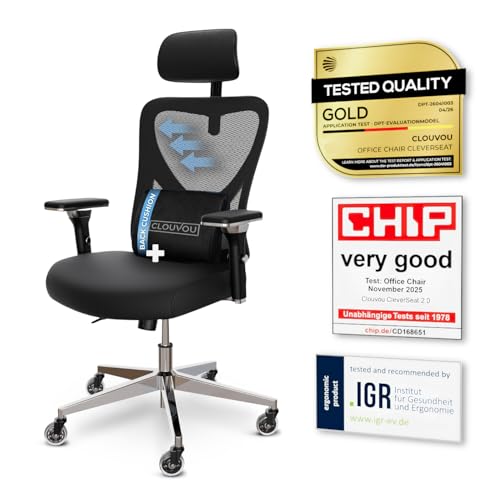
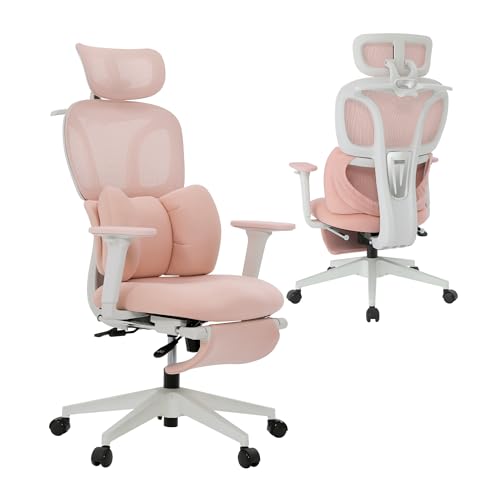
A good home office chair has to earn its place in a room you also live in, not just work in. This autonomous ergochair pro review looks at the chair through that lens, covering adjustability, size, upkeep, and total cost for households that may share one seat across work, study, and downtime. The comparison table below gathers the core details in one place.
Instead of a gaming angle, this guide stays with everyday questions. Will the chair fit your desk and your body, will it look right beside your other furniture, and will the parts you touch daily stay comfortable after months of use? Those answers matter more at home than any single headline feature.






Quick Verdict for Home Use
On paper, this chair suits adults who sit for long stretches and want many ways to fine tune their posture without buying separate support cushions. That flexibility is the main appeal, and it also explains the main tradeoff, since more moving parts mean more time dialing in a fit. Skip it if you want a simple seat you can set once and forget, or if a soft lounge feel matters more than upright support.
Autonomous ErgoChair Pro: Key Specs to Check
Confirm the listing details for the exact configuration you are considering, since options and terms can change. Check the overall height and width, the seat height range, the seat depth, and the stated weight capacity, then compare each figure with your desk height and the space where the chair will live. Also note the frame and upholstery materials, the warranty length, and which parts count as wear items, since casters, arm pads, and gas lifts often carry different terms than the frame.
First Impressions and Build
The first thing most buyers notice is the structured silhouette. The chair looks like task furniture rather than lounge furniture, with a defined back frame, a separate headrest, and visible adjustment controls. In a spare room office that look blends in easily, while in a living room or bedroom corner it reads more deliberate, so weigh the color and finish against your flooring and desk. The build centers on firm support rather than sink in softness, with a shaped back, a contoured seat, and sturdy armrest uprights.
How It Performs in Everyday Home Use
Ergonomics and Adjustability
Adjustability is the heart of this design. You can change the seat height, the seat depth, the back tilt, the lumbar support position, the headrest, and the armrests, and each control solves a different fit problem. Seat depth matters if your thighs press against the front edge, lumbar position matters if support lands too high or too low, and armrest width matters if your elbows drift outward. Change one control at a time over a few days, so you learn which setting actually helped rather than guessing among several changes at once.
Build Quality and Materials
The materials aim for breathability and structure. A mesh style back lets air move during long sessions in warm rooms, which many home workers value because spare rooms often run hotter than offices with strong air conditioning. The tradeoff is feel, since mesh gives a taut and slightly springy contact rather than a cushioned one. Inspect the frame joints, the tilt mechanism, and the caster bases on arrival, and keep the packaging until you have sat through a full workday.
Size and Weight Capacity
Fit runs in both directions. A tall user needs enough back height for the headrest to meet the head, while a shorter user needs the seat low enough for both feet to rest flat on the floor. Stay inside the stated weight capacity with some margin, because sitting down heavily and leaning back add force beyond a static figure. Measure your desk underside too, since armrests that cannot slide under it will keep you sitting farther from your work than you expect.
Assembly
Lay every bolt out before you start, tighten in the order the manual gives, and leave final tightening until the parts are aligned. A second person helps when you join the back to the seat, because holding it level while starting the bolts prevents cross threading and later wobble. Keep the included tool afterward, since you will need it again for seasonal checks.
Features You Will Actually Use
The tilt lock and tension control matter every time you switch between typing upright and leaning back to read or take a call. The lumbar adjustment matters whenever your posture drifts during the afternoon. The headrest helps during reclined breaks but adds little while you type, so do not let it drive the decision on its own. Adjustable armrests can reduce shoulder strain if you rest your forearms while working, yet arms that move in several directions are also easier to position out of the way when the chair needs to tuck in close.
Living With It: Setup, Cleaning and Upkeep
Plan the room before the chair arrives. A rolling chair needs a clear arc behind the desk, hard floors may call for a mat so casters move quietly, and cables should sit where wheels cannot roll over them. Leave enough wall clearance for a full recline, and agree on a parking spot in shared rooms so the chair does not block drawers or doors. For weekly upkeep, dust the frame, vacuum the seat and back with a soft brush tool, and wipe the arm pads with a damp cloth.
What We Like and What We Don't About the Autonomous ErgoChair Pro
The strongest points are the breadth of adjustment, the breathable back, and the way the chair can be refitted when a different family member takes over the desk. It also looks tidy on camera, which helps if your desk appears in work calls from a bedroom. The weak points follow from the same design. All that adjustability takes patience, a shared chair may need resetting each time the user changes, and the firm and structured feel will not please anyone who wants a plush seat for reading or films.
Is the Autonomous ErgoChair Pro Right for Your Household?
It fits best where one person works at the desk most days and others borrow it for study, admin tasks, or creative projects. It also suits buyers who feel specific aches from a fixed chair, such as pressure behind the knees or support landing in the wrong spot, and who want controls that address those exact points. It fits poorly when the desk is temporary, the room must clear quickly for guests, or the main user is a young child who will treat the controls as toys.
How the Autonomous ErgoChair Pro Compares
Start with the wider category before you settle on one model. Our guide to the best office chair options explains how ergonomic task chairs differ from executive and lounge styles, which helps you confirm that structured support is really what your household wants.
If you prefer a simpler adjustment approach, the branch ergonomic chair review covers a chair with fewer controls to manage. That style can be the calmer choice for a shared desk where nobody wants to reset levers each morning, and it shows how much adjustability you might happily give up.
Design led shoppers should also read the branch verve chair review, which looks at a chair chosen more for looks and light duty use. Comparing that angle with this model clarifies your own priority, since long daily hours push the decision back toward deep adjustability while a visible room may reward style first thinking.
Price, Deals and Warranty
Treat price as a longer calculation rather than a single checkout figure. This class of chair usually sits well above basic task seating, so look at the delivered total including any floor mat or replacement casters for hard floors. Seasonal sale events can change the math, so waiting for a planned promotion is reasonable if your current chair still works. Read the warranty for parts coverage and the claim process, and note the return window, because ergonomic fit can take a week of real use to judge.
Common Buying Mistakes to Avoid
- Measuring only the floor space and forgetting recline clearance, so the chair back strikes a wall or shelf every time you lean back.
- Choosing by appearance alone, then discovering the seat depth or lumbar position suits nobody who actually uses the desk.
- Ignoring caster type on hard floors, which leads to noisy rolling, marked surfaces, and an extra purchase you did not budget for.
- Skipping the return window details, even though ergonomic fit is personal and may only become clear after several full workdays.
- Assuming every family member wants the same settings, when a shared chair needs a quick reset routine that everyone understands.
Cost of Ownership and Care
Beyond the purchase price, budget for small items over the years. Casters wear, arm pads compress, and a floor mat may need replacing once its surface roughens. None of these costs is large alone, but together they decide whether a chair stays good value later or starts to feel neglected. For care, retighten accessible bolts about twice a year, keep the chair out of harsh direct sun that can age upholstery and plastic, and lift rather than drag it when you move it across a room.
Your Questions, Answered
How do you clean the Autonomous ErgoChair Pro?
Start dry, then go damp. Vacuum the seat and back first so grit does not get rubbed into the surface, then wipe with a cloth dampened with water and a small amount of mild soap. Work on one panel at a time, rinse the cloth often, and let everything air dry fully before use. Avoid soaking the seat and avoid harsh solvents, and test any cleaner on a hidden spot under the seat before you use it on a visible area.
What is a cheaper alternative to the Autonomous ErgoChair Pro?
A simpler ergonomic task chair is the usual step down. Models with fixed lumbar shaping, basic armrests, and a smaller tilt range cost less because they remove controls rather than comfort basics. That trade suits students, part time desk users, and anyone sitting fewer than four hours a day. When you compare cheaper options, protect two things first, a seat height range that fits your body and a back shape that supports your lower spine without an added cushion.
How long does the Autonomous ErgoChair Pro last?
Longevity depends more on use patterns than on a calendar. A chair used by one adult at a desk typically outlasts the same chair shared by a whole household, rolled between rooms, and leaned on as extra seating. Watch for early signals rather than a failure date, such as a lift that slowly sinks, casters that no longer roll straight, or arm pads that split. Replacing a single worn part promptly often restores the chair and prevents added strain on the parts around it.
What are common Autonomous ErgoChair Pro problems?
Most complaints about adjustable chairs of this type involve setup rather than breakage. Squeaks often trace to a bolt that needs a quarter turn, wobble often starts with uneven caster seating, and discomfort often comes from lumbar support set too high or too firm for the user. Work through those checks before you assume a defect. If a lift fails, a part cracks, or noise persists after tightening, contact the seller while your warranty and return options are still open.
Is the Autonomous ErgoChair Pro worth it?
It is worth it when adjustability solves a problem you actually have, such as a shared desk, a tall or short user who never fits standard chairs, or long hours that leave you stiff. The value case weakens if you sit briefly, prefer a soft seat, or know you will never adjust the settings after week one. A useful test is to list the three changes you would make to your current chair, then check that this model offers exactly those changes.
Final Thoughts
Judged as home furniture as much as office equipment, this chair makes its case through fit, breathability, and the ability to serve more than one person at the same desk. Use the product table above to recheck the core figures against your room, your desk, and your body before you decide. If those numbers line up and the tradeoffs in this autonomous ergochair pro review sound acceptable, it is a considered buy.


