
Aeron vs Embody: Which One Fits Your Home Better? (2026)
Disclosure: We may earn a commission when you buy through links on this page, at no extra cost to you. As an Amazon Associate I earn from qualifying purchases. Learn more

Aeron vs Embody: see how they differ in everyday use, features and value, and which one makes more sense for your home and budget.
Picture a spare room that works three jobs in one day. You take the desk for morning calls, your partner claims it after lunch, and in the evening the same chair rolls over to the homework table. When one chair has to suit two bodies, one room, and a serious budget, the aeron vs embody decision stops being about specs and becomes about daily life at home.
This guide compares the two chairs the way a household actually uses them. We look at comfort across long and short sits, how each one fits different rooms and different people, how much care each one needs, and what each one costs to own over the years. If your budget sits well below this tier, start with our guide to the best office chair, then come back here. Otherwise, begin with the comparison table below.


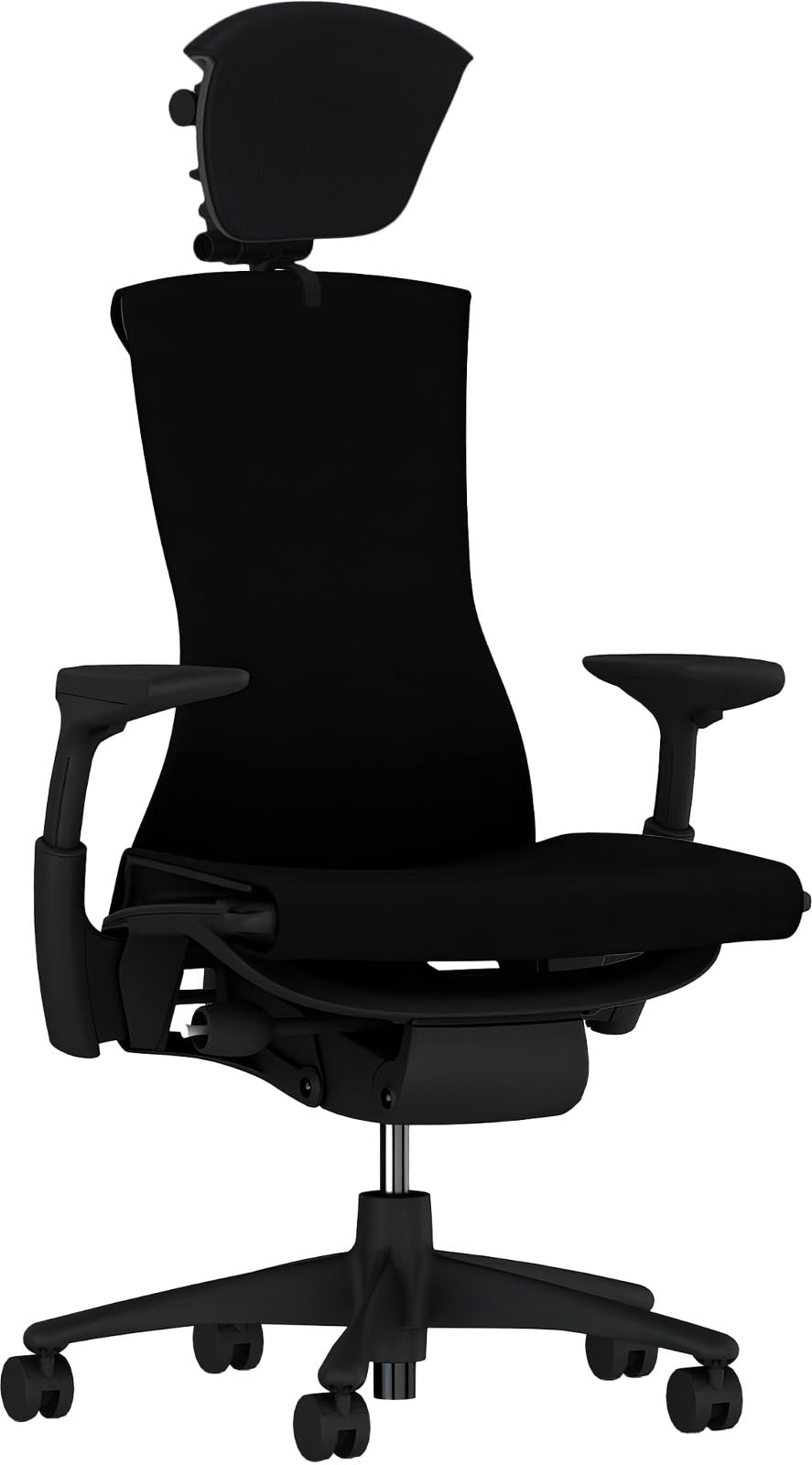
Aeron vs Embody at a Glance
Both chairs come from the same maker and both carry a premium price, yet they solve the sitting problem in opposite ways. The Aeron suspends you in a woven mesh panel, while the Embody cushions you on a flexible support layer under fabric. The short version sits in the table.
| Criteria | Aeron | Embody | Winner |
|---|---|---|---|
| Seat and back feel | Firm woven mesh, cool to sit on | Soft fabric over flexible support | Personal taste |
| Back support style | Adjustable lumbar pad | Flexible spine that moves with you | Embody for movement |
| Sizing | Three sizes, A, B and C | One size for most adults | Aeron for unusual builds |
| Cleaning | Wipe or vacuum the mesh | Vacuum fabric, treat spills fast | Aeron |
| Warranty | 12 years | 12 years | Tie |
| Typical price | about $1,400 to $1,900 | about $1,700 to $2,000 | Aeron |
| Best home fit | Warm rooms, upright work | Long sessions, relaxed reading | Depends on the room |
Meet the Contenders: Aeron and Embody
Aeron Overview
The Aeron is the mesh chair that made mesh chairs famous. Its seat and back are a single woven suspension material stretched across a frame, with eight zones of different tension that cradle your pelvis and shoulders at different firmness levels. There is no foam to flatten, and air moves through the weave all day, which matters in a sunny room or a home without strong cooling. An adjustable support pad sits behind the lower back, and the front edge of the seat curves down so it presses less on the backs of your thighs. It comes in three sizes, so fit starts with choosing the right one. Our herman miller aeron review walks through the size chart and finish choices in detail.
Embody Overview
The Embody takes the opposite route. Instead of a mesh panel, its seat and back rest on a matrix of small flexible supports that shift as you shift, spreading your weight across many contact points. A narrow central spine runs up the back with rib like arms branching out, so the back flexes when you twist or lean, and the top of the chair stays slim enough that your shoulder blades and arms move freely. The surface is upholstered in fabric, which gives it a softer first impression and a calmer look next to a sofa or bed.
Head to Head: Where They Really Differ
Ergonomics and Adjustability: Aeron vs Embody
The core of the aeron or embody choice is how each chair manages your posture. The Aeron supports an upright, task focused position. Its lower back pad adjusts in height and depth, the tilt tension and tilt range adjust, and a forward tilt setting helps when you lean in over a keyboard or a sketchbook. Optional arms move in height, width, depth and angle, so you can park your elbows exactly where your desk height demands. The chair rewards you for sitting properly and reminds you when you slouch, because the mesh frame has a defined edge and a fairly firm feel.
The Embody supports movement instead of one correct position. A dial aligns the backrest curve with the natural curve of your spine, and once set, the back gives and returns as you reach, recline or turn to talk to someone. The seat depth adjusts, the arms move in height and width, and the whole chair feels forgiving when your sitting style changes across the day, from upright calls to a leaned back reading hour. If you have ongoing back pain, leg numbness or a diagnosed spine condition, treat either chair as furniture rather than treatment, and talk with a clinician or physical therapist about your personal setup before you spend this much.
Build Quality and Materials
The Aeron frame mixes aluminum and strong engineered plastic, and the woven seat panel doubles as both cushion and cover, so there are fewer layers to wear out. The Embody frame uses steel and plastic in a flexing structure, with fabric over the support matrix, so it has more moving parts working under the surface. Both feel dense and stable when you sit, and both offer caster choices for carpet or hard floors. Choose the hard floor casters if your chair will live on wood or tile, since standard casters can scuff boards and wander on smooth surfaces. Visually, the Aeron reads as technical equipment, while the Embody blends into a living room corner more easily.
Size and Weight Capacity
Sizing is where the embody vs aeron gap shows up fastest. The Aeron comes in sizes A, B and C. Size B suits most adults, size A suits petite frames, and size C gives a wider seat with a capacity of about 350 pounds. Picking the wrong size is the most common reason buyers return this chair, so measure your height and weight against the maker size chart before ordering. The Embody skips sizes entirely. Its single frame suits most adults and is rated for about 300 pounds, and the sliding seat depth does much of the fitting work that the Aeron handles through separate sizes.
For a shared household chair, that difference matters. Two partners of similar build can share a size B Aeron happily, but a large gap in height or weight pushes you toward the Embody, which adapts to each person with a few quick lever changes instead of being built around one body.
Assembly
Neither chair asks much of you on delivery day. Both typically arrive assembled or very close to it, so the job is mostly cutting open a large box, removing protective wrap and rolling the chair into place. Each chair weighs about 50 pounds, so plan on two people for stairs or tight hallways, and measure your doorway before the box arrives. Keep the box and packing until you are sure about the fit, since a return is far easier with the original carton intact.
Warranty
Both chairs carry a 12 year warranty from the maker that covers parts and labor, including the lift cylinder, tilt mechanism and casters. That length of coverage is a real part of the value story in a home, where a chair may serve a decade of daily use. One caution for bargain hunters: the warranty generally protects the original buyer, so a used chair at half price often comes with no coverage at all. When you compare a new chair against a secondhand one, price that loss of protection into the deal instead of looking at the sticker alone.
Price and Value
Expect to pay about $1,400 to $1,900 for an Aeron depending on size, finish and arm configuration, and about $1,700 to $2,000 for an Embody in standard fabric. Sales events from the maker and authorized sellers appear a few times a year and can trim those figures, so patience pays if your current chair still works. Resale demand for both models stays strong, which softens the total cost of ownership if you later move or change your setup.
Our Recommendation for Your Home
Pick Aeron If...
- You run warm and want air moving through the seat and back all day.
- Your chair will live in a bright room or a home office that heats up by afternoon.
- You prefer firm, upright support that holds a working posture.
- Coffee spills, kids and pets make simple cleanup a daily concern.
- Your build is petite or large enough that a sized chair fits you better than a single size design.
Pick Embody If...
- You sit for long stretches and change position often while you work, read or play.
- You share the chair with a partner whose build differs from yours.
- You like a cushioned first sit rather than a firm suspended feel.
- The chair will sit in a living room or bedroom, where the softer look blends with home furniture.
- You recline often and want the backrest to follow you instead of holding one shape.
Not Sold on Either? One More Option
If these prices stretch your budget further than a chair should, you do not have to leave this style of support behind. Mid priced ergonomic chairs borrow many of the same ideas, including adjustable lumbar support and sliding seat depth, at a fraction of the cost. The branch ergonomic chair review covers a popular option in that range, and the branch verve chair review looks at a sibling model with a softer, more styled look for living spaces. Either one can serve a guest room or a part time desk while you save toward a flagship chair.
Your Questions, Answered
Which lasts longer, the Aeron or the Embody?
Both chairs are built to outlast their 12 year warranties, and in a home the first parts to tire are usually the casters and the lift cylinder rather than the seat itself. The Aeron has one edge in a sunny room: its woven panel does not fade or pill, while fabric on the Embody can fade slowly in direct sun. Moving the Embody a foot or two out of the strongest light, or closing a curtain during the brightest hours, keeps its fabric looking even for years.
Which is easier to clean, Aeron or Embody?
The Aeron is easier to clean for most homes. Dust and crumbs pass through the mesh or lift off with a vacuum brush, and a damp cloth handles sticky spots. Pet hair is the clearest gap between the two: hair brushes off the smooth weave in seconds, while it works its way into fabric and needs a lint roller or upholstery tool. The Embody asks for quicker action on spills, since liquid soaks into fabric instead of beading on a surface, and cooking smells in an open plan home can settle into upholstery over time.
What is the main difference between Aeron and Embody?
The simplest way to hold the difference between aeron and embody in mind is this: the Aeron holds a posture, and the Embody follows movement. One uses a tensioned mesh panel sized to your frame, the other uses a flexible support layer that bends with your back. When you test them, sit for at least twenty minutes in each rather than judging the first ten seconds, because the mesh feels firmer at first and the fabric feels softer at first, and both impressions soften once your body settles in.
Is Aeron better than Embody for a home office?
Neither chair is better for every home office, and anyone who gives you a single winner without asking about your room is guessing. A small, warm office with one regular user favors the Aeron, while a shared desk in a cooler room favors the Embody. Whichever way you lean, buy from a seller with a fair home trial and return window, because a week of real work at your own desk tells you more than any showroom visit or comment thread can.
The Bottom Line
Choose the Aeron if you want cool, firm, sized support that shrugs off spills and bright rooms. Choose the Embody if you want a flexible back, a cushioned sit and one size that adapts to whoever rolls up to the desk. Either way, the aeron vs embody choice ends well, because both chairs are built for a decade of home use. Check the product table above once more against your room, your household and your budget, and order the one that matches the way your family actually sits.


