Are Bidets Sanitary? Here's the Honest Answer for 2026
Disclosure: We may earn a commission when you buy through links on this page, at no extra cost to you. As an Amazon Associate I earn from qualifying purchases. Learn more
Are Bidets Sanitary? We break it down with a quick answer, key factors to consider, and practical tips before you buy. Updated for 2026.
Yes, a bidet can be a very clean way to wash after using the toilet, and for most households the honest answer to are bidets sanitary is yes, as long as the nozzle stays clean and the water supply is sound. Washing with water removes residue that dry paper tends to smear, and your hands stay out of the mess.
That said, a bidet is a plumbing fixture, not magic. Its hygiene depends on the nozzle design, how often you clean it, and how carefully you aim and control the spray. This guide walks through the real advantages, the genuine risks, the costs, and who benefits most, and the comparison table below sums up the main types at a glance.


The Short Answer
A bidet washes you with clean water drawn from the same supply line that fills your toilet tank, so the water itself is as clean as the water in your taps. The spray only flows outward from the nozzle, and it never recirculates. Compare that with wiping, where paper presses against your skin and can leave residue behind no matter how many passes you make.
The sanitary weak spot is never the water. It is the nozzle and the surfaces around it, plus how the spray is aimed. A neglected nozzle in a shared bathroom can collect grime over time, and a jet aimed the wrong way can splash water where you do not want it. Both problems are easy to prevent with basic cleaning and sensible pressure, which the sections below cover in detail.
Why Washing With Water Is Cleaner
Water removes more than paper does
Wiping spreads and presses residue across the skin, and several sheets later a thin film often remains. A gentle stream of water rinses that residue away instead of moving it around, much like washing your hands works better than rubbing them with a dry towel. People with sensitive skin often notice less irritation because there is no repeated friction and no scented paper involved. You still pat dry with a small amount of paper or a dedicated cloth, but the actual cleaning job is done by the water, not by friction.
Your hands stay cleaner
With a bidet, your hands touch only the control dial or button and then get washed as usual. There is no thin paper barrier between your fingers and the mess, so the small but real risk of paper tearing mid wipe disappears. That matters in a busy household bathroom, where anything that reduces contact with waste also reduces what gets carried to the faucet handles and door knob before you wash up.
The nozzle protects itself
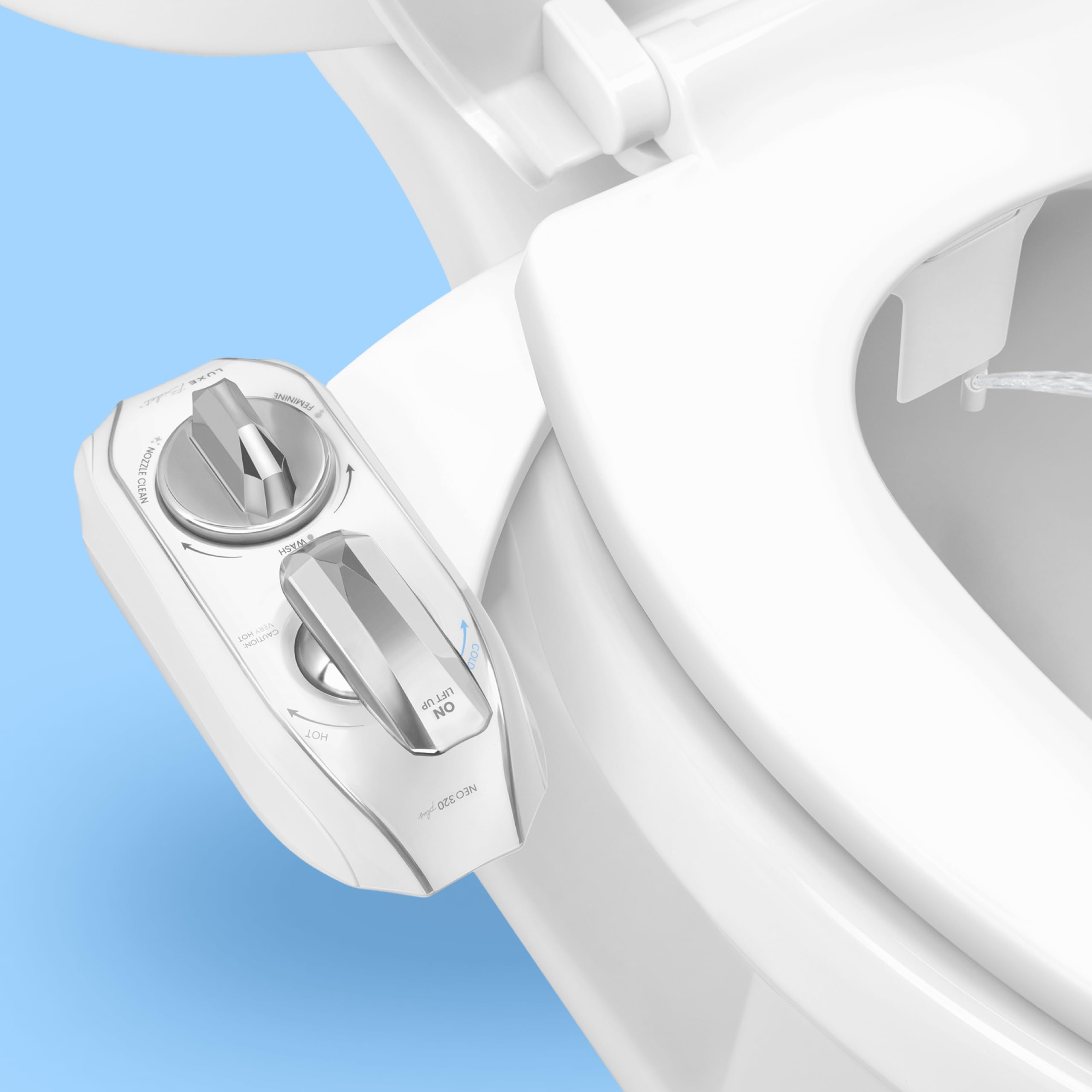
Most modern attachments and seats keep the nozzle tucked behind a small guard door when it is not spraying, so it stays shielded from anything falling into the bowl. Many designs add a self rinsing cycle that flushes the nozzle with clean water before and after each use. Retractable nozzles go a step further and withdraw fully into the housing once the water stops, which keeps the tip away from the bowl environment between uses.
Gentler for sensitive moments
Washing instead of wiping can feel gentler on skin that is already sore or sensitive. Cool or warm water avoids the scraping of repeated wiping, and adjustable pressure lets you keep the stream as soft as you need. If you have a medical condition in that area or are recovering from surgery, ask your doctor before relying on a bidet.
Where Bidets Can Fall Short on Hygiene
None of these points is a deal breaker, but each one is real, and each has a simple counter.
- A dirty nozzle. A nozzle that never gets cleaned can build up mineral scale and grime, and it then sprays past that buildup on every use.
- Spray aimed the wrong way. Many makers advise a front to back spray direction, so follow the instructions for your model and keep the pressure moderate.
- Too much pressure. A jet set to full blast can irritate delicate skin and scatter droplets around the bowl, so start low and increase slowly.
- Shared bathrooms. Controls and seats in a guest or family bathroom get touched by many hands, so they need the same regular wiping down as the rest of the toilet.
- Warm water reservoirs. A few designs store warmed water in a small tank, and standing warm water deserves the periodic flushing the maker recommends, much like any appliance that holds water.
Cost Breakdown
The upfront cost depends on the type you choose. A simple cold water attachment that clamps under your existing seat usually runs about $30 to $100. A bidet seat with warm water, a heated seat, and air drying typically costs about $200 to $600, and a full bidet toilet costs more again once installation is included.
Running costs are small. Each wash uses a fraction of a gallon of water, so the effect on a water bill is minor, and many households spend noticeably less on toilet paper over the year. Electric seats draw modest power for heating, and a replaceable filter or nozzle tip on some models adds a small occasional expense. If you want the full picture of what installation involves before budgeting, our guide on how to install a bidet walks through the fitting steps and the tools involved.
Who Should (and Shouldn't) Buy One
You are a strong candidate if you want a cleaner wash than paper gives, if wiping irritates your skin, or if limited mobility makes reaching and twisting uncomfortable. A steady stream of water does the work that shoulder and wrist movement otherwise has to do. Households aiming to cut paper waste also land here, since a bidet reduces toilet paper use to a small pat dry.
Pause first if anyone in the home has a weakened immune system, open wounds, or recent surgery in the area, and talk with a clinician about whether a bidet suits that situation, since doctors sometimes advise extra care with spray devices. Also think twice if your bathroom has very low water pressure, because a weak supply produces a weak wash, and if nobody at home will keep up with basic nozzle cleaning, the hygiene case weakens.
Alternatives to Consider
A handheld sprayer that hangs beside the toilet gives you full control of angle and pressure, though it takes one hand to aim and a little practice to avoid splashing. A portable travel bidet, basically a squeeze bottle with an angled neck, delivers a similar rinse anywhere and costs very little, but the stream is brief and you refill it for every use.
Moist wipes clean better than dry paper, yet many plumbers advise against flushing them, since they break down slowly and can contribute to blocked pipes, so they usually mean a bin beside the toilet. Premium soft toilet paper remains the zero effort fallback, but it only wipes, and wiping is exactly the limitation that sends most people looking at bidets in the first place. When you are ready to compare the main styles side by side, start with our guide to the best bidet options for each bathroom setup.
FAQs
How to use a bidet?
Stay seated, turn the control slowly until the stream reaches a comfortable strength, and let the water do the rinsing for twenty to sixty seconds while you shift slightly so the spray covers the area. Then pat dry and wash your hands as usual. The fuller walkthrough in our article on how to use a bidet covers seat positioning and drying options in more depth for your first few tries.
How to install a bidet?
Most attachments install with the water off, the seat removed, the mounting plate fitted, and a T connector joined to the toilet supply line, and the whole job often takes under an hour with basic tools. One detail worth adding is to check every connection with a dry tissue after turning the water back on, since a tissue shows a slow drip far sooner than a fingertip does.
Do bidets need electricity?
No. Simple attachments and sprayers run purely on water pressure, so they work during a power outage and need no outlet. Electricity only enters the picture when you want heated water on demand, a warm seat, or a dryer, and our explainer on do bidets need electricity lays out exactly which features require a nearby outlet and which never do.
Can a bidet cause a urinary tract infection?
Spray direction, pressure, and a clean nozzle all matter, so follow the manufacturer's instructions, keep the pressure modest, and clean the nozzle on a regular routine. If you have repeated urinary problems or any health concern, ask your doctor about your bathroom routine instead of guessing.
How often should you clean a bidet nozzle?
Give the nozzle and guard a wipe once a week with your normal bathroom cleaner, and run the self rinsing cycle if your model has one. Once a month, extend the nozzle fully where the design allows and check for chalky scale, which a soft cloth and a little vinegar lifts away. In a hard water area, that monthly check matters more, because scale narrows the spray holes and makes the stream uneven.
Final Thoughts
So, are bidets sanitary? Yes, provided you treat the nozzle like any other bathroom surface and clean it on a simple routine. Water rinses more thoroughly than paper wipes, your hands stay out of the process, and the risks that do exist come down to aim, pressure, and basic upkeep rather than the concept itself. Look back at the product table above to compare the main types, then decide which style fits your bathroom, your budget, and the people who will share it.