Allform Sofa Review (2026): Is It Worth the Money?
Disclosure: We may earn a commission when you buy through links on this page, at no extra cost to you. As an Amazon Associate I earn from qualifying purchases. Learn more
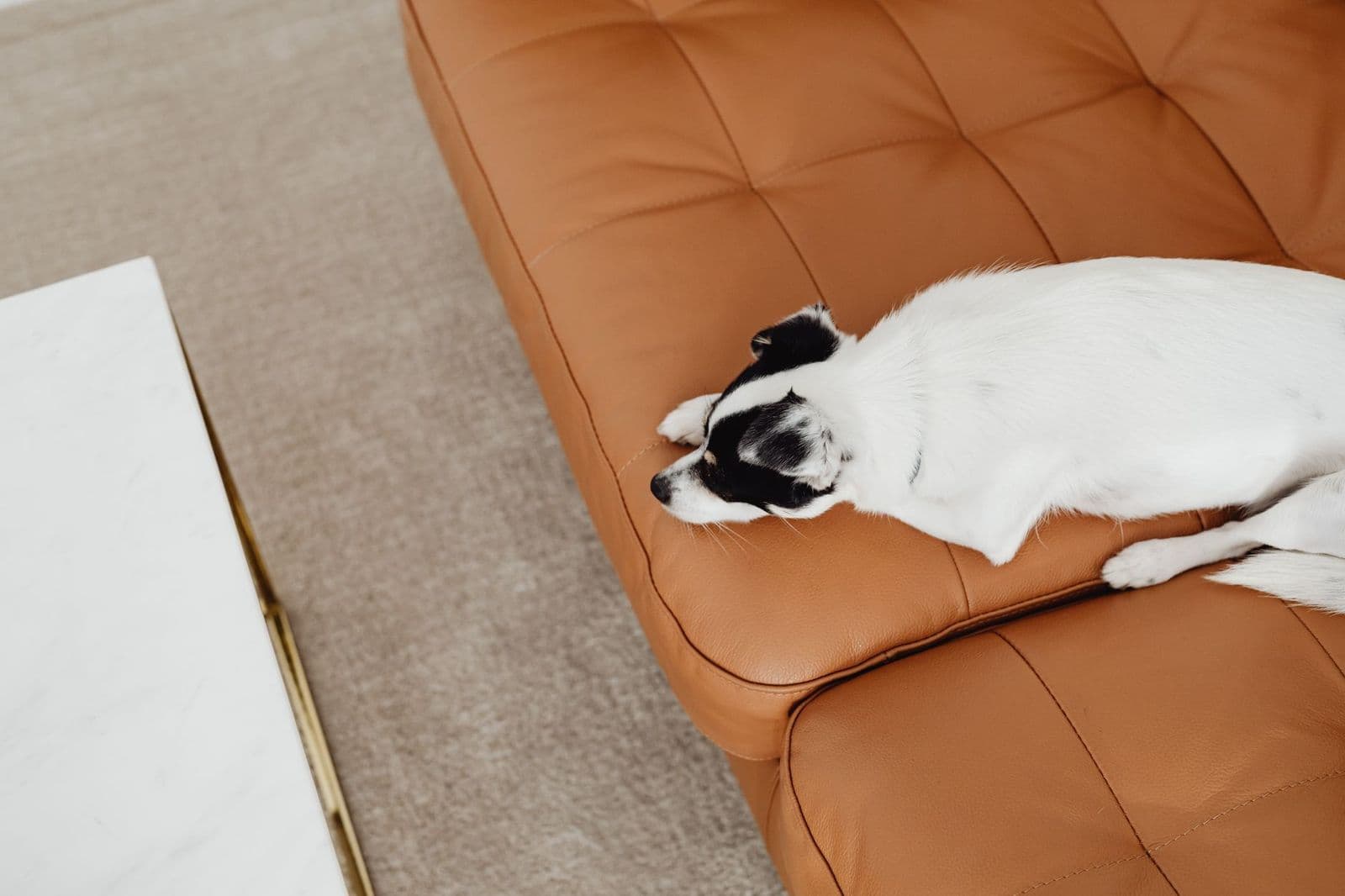
Allform sofa review: how the modular sofa handles layout, seat comfort, assembly and cleaning, who it suits, and what to check before you buy.
The Allform sofa is built around one idea: furniture that arrives in manageable boxes, goes together without a toolbox marathon, and changes shape when your life does. This allform sofa review walks through the design, the seating comfort, the assembly process, and the upkeep, so you can judge whether the modular approach fits your home. If you are still comparing across brands, our guide to the best sofa choices gives you the wider picture first.
Below, you will find how the sofa is constructed, what the seat feel means for daily use, and where the trade offs sit. The sections after it explain each point in plain terms.
Quick Verdict
The Allform sofa makes the most sense if you value flexibility over a traditional fixed frame. You can start with a smaller layout, add pieces later, and move the whole thing through doorways that would stop a one piece sofa cold. The seat feel leans firm and supportive rather than sink in soft, and the price sits above basic flat pack rivals. Buy it for adaptability and easier moves. Skip it if you want deep plush seating or the lowest possible price.
Allform Sofa Specs at a Glance
Because the sofa is modular, the specs depend on the layout you build. The range runs from a single chair up to larger sectional arrangements, all assembled from shared seat, arm, back, and corner modules. Before you order, note the overall width and depth of your chosen layout, the seat height and seat depth, the upholstery type and care code, the stated weight capacity per seat, and the warranty terms for the frame and cushions. Prices change with configuration and fabric, so treat the figure on the product page as the live reference rather than a fixed number.
Design and Build Quality
The styling is clean and simple, with straight lines, wide arms, and cushions that keep a tidy shape instead of slouching. That plain look is deliberate. A modular sofa has visible seams where the pieces join, and a fussier design would make those joins stand out even more. In a living room, the result reads as modern and calm, and it pairs easily with most rugs, tables, and lighting.
Under the fabric, the frame and the module connectors do the real work. Each piece has to lock to its neighbors firmly enough that the sofa feels like one unit when you sit, stretch out, or shift your weight. Cushions are foam based and hold their shape well, which suits people who dislike the constant plumping that loose fill cushions demand. Check the product page for the exact frame material and cushion makeup of the current version, since makers revise construction details over time.
Performance
Performance for a sofa comes down to how it seats you, how it holds up, and how painless it is to get into your room. The four areas below cover what matters most.
Ergonomics and Adjustability
Seat comfort starts with geometry. The seat depth decides whether your feet rest flat on the floor or dangle, and the back height decides how much support your shoulders get. On most sofas, a seat depth around 20 to 24 inches suits average adults, while deeper seats favor taller people and anyone who likes to curl up sideways. The Allform seat feel is on the firmer side, which many people with sore backs prefer for longer sits. Adjustability here means layout, not recline. You rearrange modules to face a window, open up a corner, or split the sofa into two smaller pieces.
Build Quality and Materials
Look past the fabric and judge the skeleton. A durable sofa frame resists wobbling when two people sit down at once, and the connectors between modules should hold without clicking or shifting. Upholstery takes the daily abuse, so a tightly woven fabric with a high rub count will look better for longer in a busy home. Foam density matters too. Denser foam softens more slowly and keeps its support, while very soft foam can feel wonderful on day one and tired within a couple of years of heavy use.
Size and Weight Capacity
Measure your room before you fall for a layout. Leave walking space around the sofa, and check that the layout does not block doors, radiators, or the swing of a closet. Then measure the path in: door widths, hallway turns, and stairwell corners. Modular pieces shine here because each box is far smaller than a full sofa. For weight capacity, go by the per seat figure the maker publishes for the configuration you choose, and treat it as a limit for the whole seat, including a lap dog, a pile of books, and a child who insists on sitting in the middle.
Assembly
Assembly is the headline act. The modules arrive in separate boxes, and the design aims for a tool free build where pieces connect by hand in a logical order: bases first, then backs, arms, and cushions. One person can manage smaller layouts, though a second pair of hands makes aligning larger sections easier. Keep the boxes until you are sure the layout works, because returns and exchanges are simpler with the original packaging. If a connector feels forced, stop and recheck the alignment rather than pushing harder, since a bent fitting can haunt every later rearrangement.
Key Features
The feature list is short, and that is the point. The modular system lets you buy what fits now and expand later, which spreads the cost and suits renters and growing households. Individual modules can be replaced if one gets damaged, instead of writing off the whole sofa. Removable covers on many configurations make washing possible at home, a real advantage with kids and pets. The flat, firm cushions also double as a passable spare bed for a guest who is not fussy, though this is a sofa first and nobody should promise it sleeps like a mattress. Finally, the compact packaging helps anyone facing narrow stairs or a small elevator, a group that traditional sofa delivery often fails.
Ease of Use, Cleaning and Maintenance
Day to day care is simple. Vacuum the seats weekly with an upholstery tool, paying attention to the seams between modules, where crumbs and pet hair collect. Rotate and flip the cushions where the design allows, so wear spreads evenly instead of carving a permanent dip in your favorite spot. Blot spills at once with a clean cloth, working from the edge of the mark toward the center so it does not spread. Always check the care code on the label before using water or a cleaning solution, and test any cleaner on a hidden patch first. Keep the sofa out of harsh direct sun where you can, since strong light fades fabric over time.
Allform Sofa Pros and Cons
Pros
- Modular layout grows, shrinks, and rearranges as your room or household changes.
- Compact boxes fit through narrow doors, stairs, and elevators that block full size sofas.
- A damaged module can be replaced on its own instead of replacing the whole sofa.
- Firm, supportive cushions hold their shape and need little plumping.
Cons
- Costs more than many fixed frame sofas of a similar size.
- Visible seams between modules give a plainer look than a one piece design.
- The firm seat feel will not suit people who love a deep, soft sink.
- Fewer fabric colors and style options than large traditional ranges.
Who Should Buy the Allform Sofa (and Who Should Not)
Buy it if you move often, live in a walk up apartment, or expect your household to grow, because the layout can change instead of being replaced. It also suits anyone who has measured a doorway and realized a conventional sofa simply will not get in. Skip it if your priority is a formal, tailored look, if you want a recliner or a sleeper mechanism, or if your budget points to the value end of the market. Shoppers who prefer to sit on a sofa in a showroom before paying will also find the online only route a drawback.
Allform Sofa vs Alternatives
Two other modular and value minded options come up again and again in this search. Our albany park kova review covers a rival modular system that leans softer in the seat and offers its own take on boxed delivery and rearrangement. The ikea kivik review looks at a lower priced traditional option with deep seats and replaceable covers, though it lacks the freedom to rebuild the layout piece by piece. Set against both, the Allform case rests on its connector system, its firmer support, and the option to expand the same sofa over time rather than start again.
Buying Direct: Pricing, Delivery and Returns
The sofa is sold mainly through the maker online, and the total depends on the layout and fabric you pick. Compare the full delivered price, including any shipping charge and the cost of extra modules you know you will want later. Watch for seasonal promotions around major sale events, and read the trial and return terms carefully, because sending back a multi box sofa takes more planning than returning a lamp. If a deal looks unusually deep on an unfamiliar site, verify the seller before you pay.
FAQ
Is the Allform Sofa worth it?
It is worth it when the modular design solves a real problem for you, such as a tight doorway, a likely move, or a room that will change use in a year or two. The value is in avoided replacement costs and delivery headaches, not in luxury materials. If none of those apply and a standard sofa fits your space and budget, a simpler fixed frame model will usually give you more sofa for the same money.
What are common Allform Sofa problems?
The complaints that come up most with modular sofas are sections creeping apart on smooth floors, cushions feeling firmer than expected, and covers wrinkling after washing if they go back on while damp. Most are manageable. Felt pads or a rug under the frame stop the sliding, cushions soften gradually with use, and covers should be refitted while slightly damp then smoothed by hand so they dry in shape.
How long does the Allform Sofa last?
With normal household use and basic care, a well built modular sofa should serve for years, and the design helps its case: a worn or damaged module can be swapped without discarding the rest. Lifespan depends most on cushion foam quality, how often the sofa hosts a full house, and whether pets treat it as a launch pad. Check the frame and cushion warranty length before buying, since that tells you what the maker itself expects.
What is a cheaper alternative to the Allform Sofa?
Flat pack sofas from large furniture chains cost less upfront, and some now offer partial modularity with corner units and chaises you can add. You give up some freedom to rearrange and, often, the option to replace a single seat module later. A second route is a good used sofa, which can be excellent value if you can collect it yourself and your doorway allows it in, two conditions that rule it out for many apartment dwellers.
How do you clean the Allform Sofa?
Start with the label, because the care code tells you whether water based cleaning is safe for your fabric. For a spill, lift any solids with a spoon, blot with a clean damp cloth, and repeat rather than scrubbing, which pushes the mark deeper. Let the area air dry fully before sitting, and keep pets off until it is dry. For covers that the maker lists as washable, use a gentle cold cycle and refit them while they are still slightly damp for the smoothest finish.
Final Verdict
Judged on its own terms, this sofa delivers what it promises: a flexible layout, painless delivery, and seating that stays supportive. For movers, renters, and anyone planning a room that will evolve, the allform sofa review verdict is a clear yes, provided the firm seat feel suits you. If you want plush comfort or the lowest price, look at the alternatives first and decide with your tape measure in hand.