Acaia Pearl Alternatives: Options Worth Considering (2026)
Disclosure: We may earn a commission when you buy through links on this page, at no extra cost to you. As an Amazon Associate I earn from qualifying purchases. Learn more

Looking at an Acaia Pearl alternative? Compare precision coffee scales, simple kitchen scales and tracking scales by size, cost and daily fit.
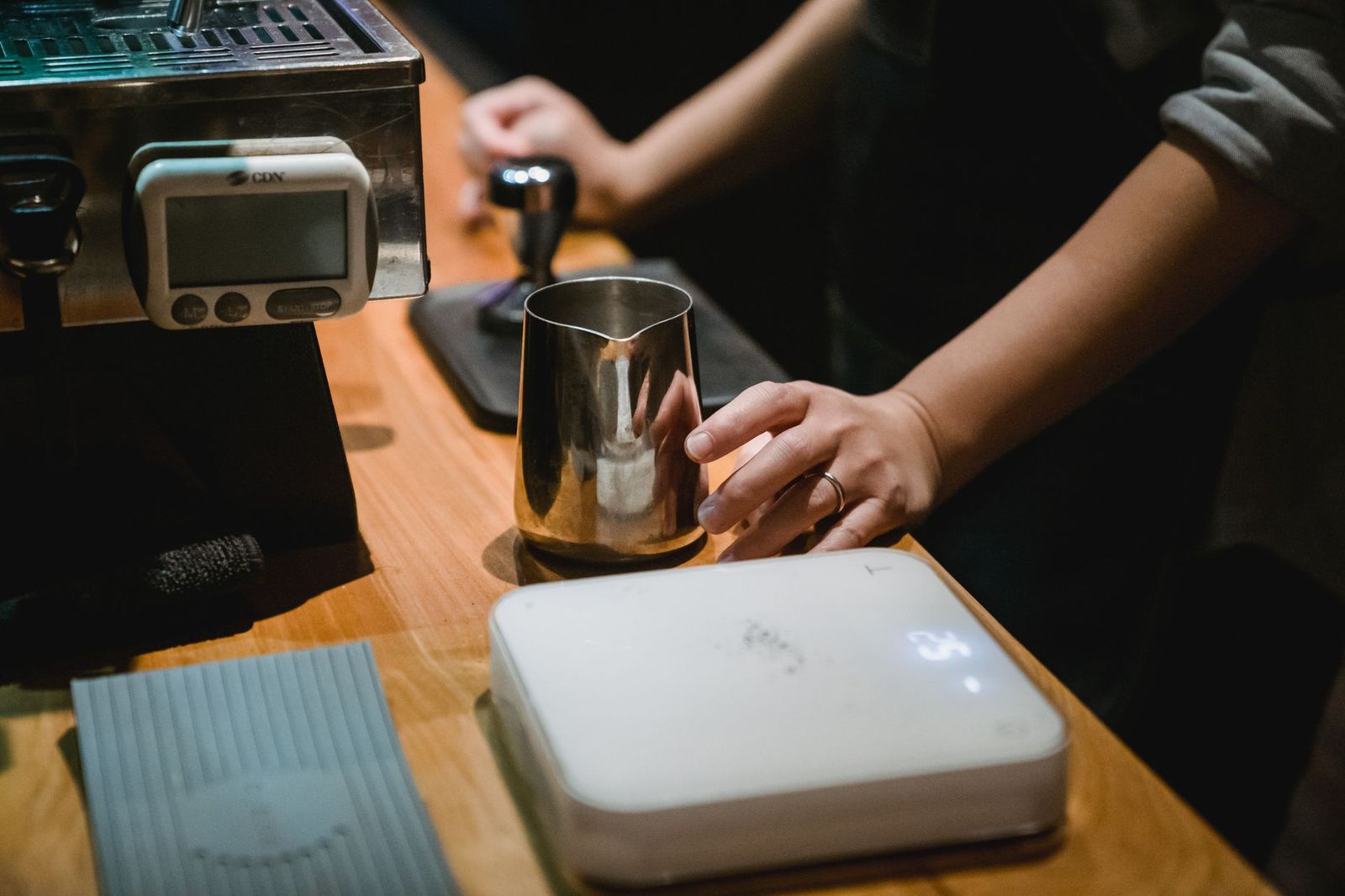
Picture a weekday morning in a small kitchen. The kettle is heating, mugs are out, and the scale you want has to share a crowded counter with a cutting board, a fruit bowl, and yesterday mail. A premium coffee scale may sound appealing, but its price and footprint can feel like a poor fit for an ordinary home routine. That is exactly where an acaia pearl alternative earns its place. The right stand in gives you steady readings for brewing and baking without asking you to rearrange the kitchen or stretch the household budget.
This guide compares three types of alternatives by the things that matter at home: how much counter and cabinet space each type needs, how many people it serves comfortably, how simple it is to use every day, and what it costs to own and maintain over time. The comparison table below sums up the main trade offs, and if you want the broader picture first, see our guide to the best kitchen scale for general weighing needs beyond coffee.






Why Look for an Acaia Pearl Alternative?
The Acaia Pearl is a coffee scale built for careful pour over brewing, with fine resolution, a built in timer, and app support. None of that is in question. The issue for many households is fit. It sits at a premium price, around $150 or more depending on the version, and its square shape takes up more room than slim scales that slide into a drawer. In a home where the scale also weighs flour, portions rice, and checks parcel weight, paying only for brewing features can feel hard to justify.
Cost of ownership adds to the picture. A premium scale may need a protective case for travel, careful handling around water, and a replacement budget that stings if it ever fails outside warranty. A simpler alternative that costs about $20 to $60 can be replaced without much pain, and many households would rather put the savings toward beans, filters, or a better kettle. If your routine is one or two brews a day for one to three people, the practical gap between a premium scale and a good alternative is often smaller than the price gap suggests.
Daily ease matters too. Some coffee scales wake slowly, rely on touch controls that misread wet fingers, or push you toward an app for basic tasks. At home, speed and clarity win. A scale that turns on fast, shows large digits, and works the same way for every family member gets used more, and a scale that gets used is the one that improves your coffee.
Three Types of Alternatives Worth Comparing
Instead of chasing one perfect substitute, it helps to sort alternatives into three types. Each type matches a different kind of home, and the product table above shows how they line up on price, strengths, and limits. Read the three profiles below and note which one sounds like your kitchen, your household size, and your habits.
1. Closest Match Overall: The Premium Precision Coffee Scale
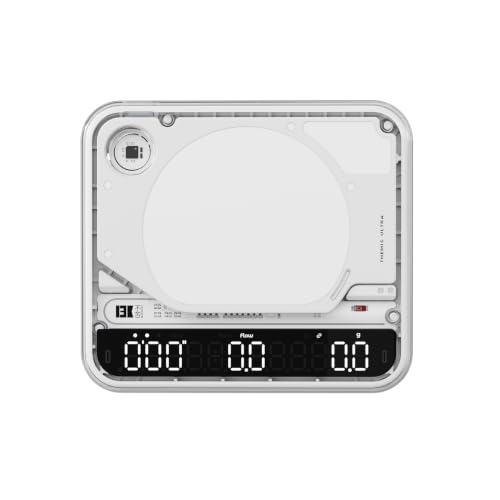
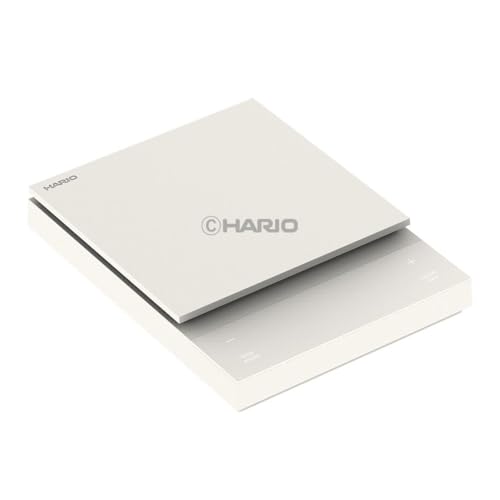
This type copies the Pearl formula most closely. Expect resolution in 0.1 gram steps, a fast response when you pour, a built in timer, and often Bluetooth with a companion app for saving recipes. The footprint is usually similar as well, so measure your brewing area before you buy, especially if a gooseneck kettle, a dripper stand, and mugs already compete for the same stretch of counter. For readers curious how one premium rival presents itself, the fellow tally pro review shows the level of polish this type aims for.
Choose this type if one or two people in your home brew pour over most days and enjoy dialing in ratios. The strengths are accuracy you can trust at small doses and a display that keeps up with a steady pour. The limit is price. You may still pay about $100 to $180, and app features only help if you actually open the app. For a household that brews a French press on weekends, this type is more scale than the routine needs.
2. Best Money Saver: The Simple Dual Purpose Kitchen Scale
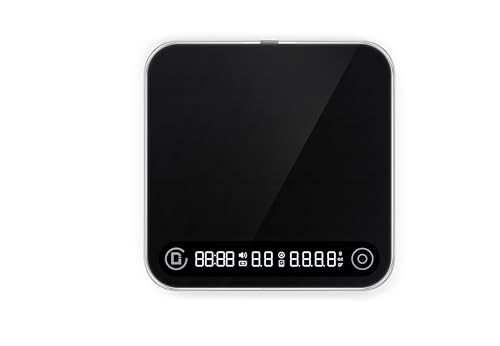
The second type is a plain digital kitchen scale that also handles coffee well enough for most home methods. It usually reads in 1 gram steps, or 0.1 gram steps on nicer versions, weighs up to about 11 pounds, and runs for months on replaceable batteries. It is slim, light, and easy to store upright in a cabinet, which makes it the natural pick for small apartments and shared kitchens where counter space is rented by the inch. A widely sold example of this everyday category is covered in the etekcity food kitchen scale review, which shows the basic layout most models share.
Choose this type if your scale must serve the whole household. It weighs bread dough, portions ground meat, and still times a pour over if you pair it with a phone timer. You give up the fastest response and the finest resolution, so very small doses under 5 grams can wobble by a gram. For family cooking plus casual coffee, though, the trade is sensible, and the price, often about $15 to $35, keeps the decision low stress.
3. Best Long Term Investment: The Durable Scale With Nutrition Tracking
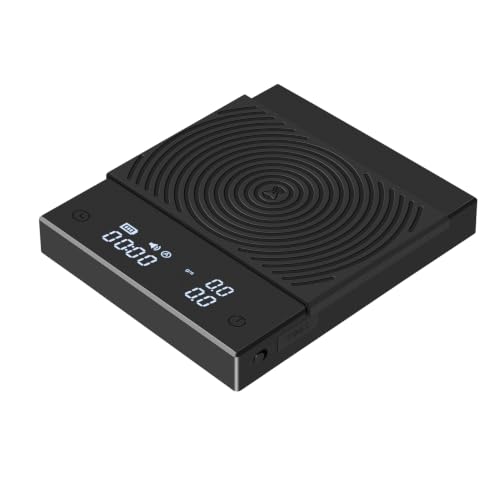
The third type aims at households that weigh food for health or meal prep as well as for coffee. These scales pair a sturdy glass or steel platform with an app that logs calories and nutrients when you enter food codes or scan items. The platform tends to be larger, which suits batch cooking for four or more people, and the sealed surface wipes clean after flour or oil spills. Readers who want that logging angle can see how it works in the etekcity smart nutrition scale review.
Choose this type if your home tracks portions for a training plan, a family meal plan, or a clinician guided diet, and you want one device on the counter instead of two. The strengths are a generous capacity, a surface that tolerates daily wiping, and records that stay in one place. The limit is focus. Brewing timers may be basic or absent, and the app becomes part of your routine whether you love apps or not. Budget about $30 to $60, and check that the app is still supported before you rely on it for years of records.
How We Picked the Alternatives
The three types above were chosen with home use in front, not cafe use. First, each type had to fit real kitchens, so footprint, storage shape, and how the scale behaves on a crowded counter all counted. A scale that must live out in the open should look tidy and resist splashes, while a scale that lives in a drawer should be thin and light enough to grab with one hand.
Second, each type had to serve a clear household size. Precision coffee scales suit one or two dedicated brewers. Dual purpose scales suit mixed households where cooking outweighs brewing. Nutrition tracking scales suit larger households that prep meals in batches. If a type could not name the home it serves best, it did not make this list.
Third, daily ease and ownership cost decided the order. We favored types with clear displays, simple buttons or touch zones that work with damp hands, and power options that do not strand you mid recipe. Replaceable batteries, common charging cables, and prices that make replacement painless all scored well. A cheaper alternative to the Acaia Pearl only saves money if it stays pleasant to use, so ease counted as heavily as the sticker price.
Should You Just Buy the Acaia Pearl?
Sometimes, yes. If you brew pour over daily, compete or train for brewing events, or simply love precise tools and have the counter space and budget for one, the Pearl remains a satisfying purchase. Its flow rate feedback and refined timer are built for people who notice and use such details, and for a single purpose coffee corner it earns its footprint.
For most homes, though, the honest answer is that an alternative covers the same morning routine for far less money. If your scale will also weigh pasta, check a baby bottle by weight at the kitchen counter, or travel to a rental house in a tote bag, a dual purpose or nutrition type fits that life better. Think about your last ten uses of a scale. If fewer than half were careful pour over brews, let the alternative win and spend the difference on ingredients you will actually taste.
Your Questions, Answered
Is the Acaia Pearl worth the price?
It can be, for daily pour over brewers who use its timer, flow rate guidance, and app logging every session. The build quality and fast, fine readings are real strengths. For households that brew a few times a week or split the scale with cooking tasks, the same money usually goes further on an alternative plus fresh beans. Worth depends on how often the premium features appear in your actual routine, not on how appealing they look in a product video.
Is there a cheaper version of the Acaia Pearl?
Acaia sells the smaller Lunar for espresso, but it is not a cheaper Pearl, and it often costs as much or more. There is no budget model in the Pearl line itself. The savings come from other brands and from the dual purpose type described above, where a scale at about $15 to $35 handles brewing with a separate timer. If you shop listings that promise a Pearl style scale at a tiny fraction of the price, check the resolution and capacity closely, since look alike shells often hide 1 gram only readings.
What is the best alternative to the Acaia Pearl?
The best acaia pearl alternative depends on your home. Dedicated brewers in a roomy kitchen get the closest experience from the premium precision type. Small households that cook more than they brew get the most value from the dual purpose type. Families who track nutrition get the longest service from the tracking type. Matching the type to your space, household size, and habits matters more than any single spec, which is why this guide compares types rather than naming one winner for everyone.
Does a coffee scale for home use need Bluetooth and an app?
For most homes, no. An app helps if you save recipes, log brews for learning, or track nutrition over months. If you brew the same recipe each morning, a clear display and a timer on the scale itself cover the job, and one less account and pairing step keeps mornings simpler. Consider app support a bonus you pay for only when you already know the habit it supports, such as logging every bag of beans you try.
How do you clean and store a kitchen scale at home?
Wipe the platform with a damp cloth after use and dry it before storing, since standing moisture under the feet can affect readings over time. Keep the scale flat, either in a drawer without heavy items stacked on top or upright against a cabinet wall if the maker allows it. Storing a scale under a constant load, such as a fruit bowl left on it for days, can strain the sensors, so give it a clear spot of its own.
Final Thoughts
The Pearl sets a high bar, but your kitchen sets the real test. Measure your counter, count the people the scale will serve, and be honest about how many jobs it must do each week. Premium precision, dual purpose value, and nutrition tracking each answer a different home life, and the product table above can help you confirm which type matches yours. Pick the acaia pearl alternative that fits your space and routine, and your morning coffee gets simpler and steadier without the premium price tag.