3 Wheel vs 2 Wheel Scooter: Which Is Better in 2026?
Disclosure: We may earn a commission when you buy through links on this page, at no extra cost to you. As an Amazon Associate I earn from qualifying purchases. Learn more

3 Wheel vs 2 Wheel Scooter: we compare the key differences, pros and cons side by side so you can decide which one is right for you.
The choice in a 3 wheel vs 2 wheel scooter decision comes down to balance. A three wheel scooter stands up on its own and lets a young child focus on pushing and steering. A two wheel scooter asks the rider to balance the whole time, and rewards that skill with more speed and sharper turns.
The quick answer is simple. Pick three wheels for a first scooter, usually from about age 2, and pick two wheels once your child can balance, steer, and brake with confidence, often from about age 5. The comparison table below sums up the main trade offs so you can match the format to your child.
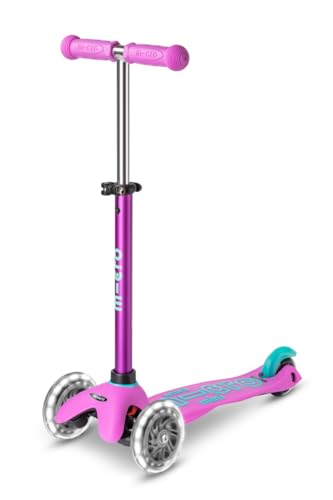
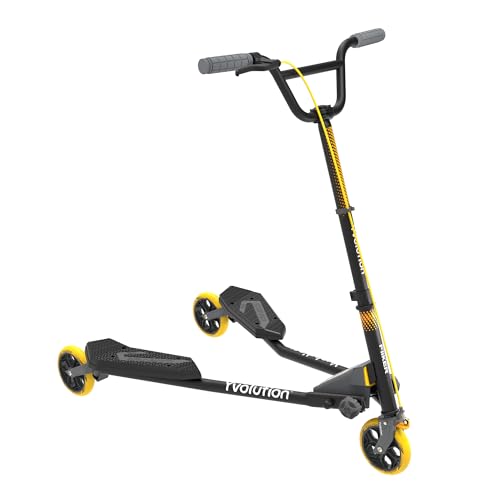
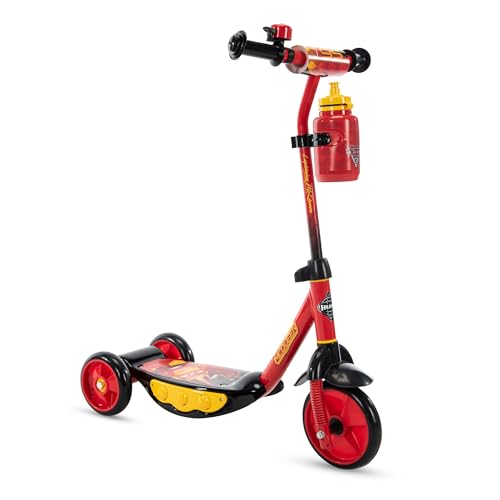

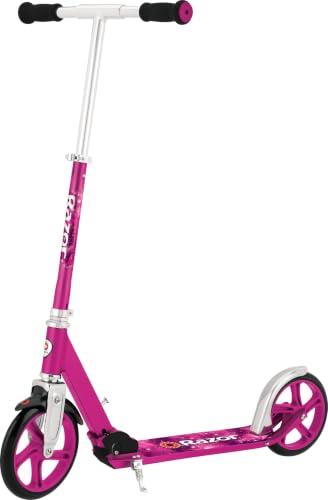
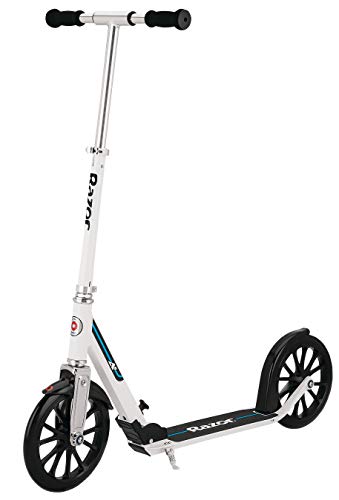


3 Wheel vs 2 Wheel Scooter: Comparison Table
The table gives you the short version. Read it as a guide to fit, not a final verdict, because deck height, wheel size, and weight limit vary between models within each format.
| Criterion | 3 Wheel | 2 Wheel Scooter | Winner |
|---|---|---|---|
| Balance needed | Very little, scooter stays upright | Constant, rider holds the scooter up | 3 Wheel for beginners |
| Steering | Lean to steer or limited turn | Direct turn of the front wheel | 2 Wheel for control |
| Typical starting age | About age 2 | About age 5 | Depends on the child |
| Speed and agility | Slower and more stable | Faster with tighter turns | 2 Wheel |
| Portability | Wider deck, often does not fold | Slim, often folds flat | 2 Wheel |
| Years of use | Often outgrown by age 5 or 6 | Can suit riders for many years | 2 Wheel |
Notice the pattern. Three wheels win on stability and early confidence. Two wheels win on agility, storage, and long term use.
What Is 3 Wheel? What Is 2 Wheel Scooter?
3 Wheel overview
A three wheel scooter has two wheels at the front and one at the back, or sometimes one at the front and two at the back. The wide stance lets it stand upright at rest, so a toddler can step on and push without the scooter falling over. Many models steer when the rider leans side to side, while others turn the handlebar within a limited range. Decks sit low and wide, which keeps feet flat and falls short.
Parents often choose this format for a child who is still wobbly on a balance bike. If you want to see how one lean to steer model handles deck height and steering limits, our globber primo review shows the details to check on any model in this class.
2 Wheel Scooter overview
A two wheel scooter places one wheel at the front and one at the back, in line with each other. It cannot stand on its own, so the rider balances it while rolling, much like a bicycle without pedals. Steering is direct, since turning the handlebar turns the front wheel at once. Decks are narrower, bars often adjust or fold, and larger wheels roll faster over cracks.
This is the classic kick scooter format most older children picture. To see how a typical folding model is built, our razor a kick scooter review covers the folding joint, bar height, and fender brake points worth checking before you buy any similar scooter.
Key Differences
Safety Standards and Certifications
Both formats should carry clear age and weight limits from the maker, and you should treat those limits as hard stops rather than rough guides. In the United States, look for a statement that the scooter meets the federal toy safety rules enforced by the Consumer Product Safety Commission, and check for loose bolts and sharp edges. A helmet that meets the federal bike helmet standard matters more than the wheel count, because head injuries are the serious risk in scooter falls.
Supervision and surface choice also shape safety. Keep early riding on smooth, flat ground away from traffic and slopes, and teach your child to step off rather than jump off when stopping. If your child has balance or joint concerns, ask your doctor which format suits those needs.
Ease of Use
A three wheel scooter is far easier on day one. Your child learns one skill at a time, pushing first, then leaning to change direction, then pressing the rear brake. That order builds confidence fast, and most toddlers can cross a playground within a few sessions. The limit shows up later, because lean to steer models cannot turn as sharply as a child may want once speed grows.
A two wheel scooter has a steeper start. The rider must balance, push, steer, and watch the path all at once, so early sessions involve many step offs and wobbles. Give a new rider a flat practice space and short sessions, and the skill usually clicks within a few weeks. After that it feels more natural than leaning to steer, because steering responds directly to the hands.
Size and Weight
Three wheel models are built wide and low. Expect a broader deck that fits two small feet side by side, a fixed or lightly adjustable bar, and a shape that feels light to carry but bulky in a car trunk. Many do not fold, so measure your storage spot before buying. The rider weight limit is the number to watch, because children often reach it before they feel ready to move on.
Two wheel models are slimmer and longer. A narrow deck takes one foot behind the other, bars adjust over a wider range, and many frames fold flat for a closet or trunk. Check that the lowest bar setting still lets your child stand upright with arms relaxed.
Durability
Three wheel scooters take their wear at the front wheels and the steering joint. Leaning loads the steering parts on every turn, so look for sturdy wheel mounts and a deck that does not flex under hand pressure. Plastic decks keep weight down and suit gentle toddler use, while decks with a reinforced core cope better with heavier riders near the weight limit.
Two wheel scooters take their wear at the folding joint, the headset, and the rear wheel, which carries braking heat and friction. A folding joint should close with a firm click and show no play when you rock the bar. Small hard wheels wear flat spots if a rider drags the brake, so teach short, firm brake presses instead. On both formats, a model with replaceable wheels and bearings outlasts one built as a sealed unit.
Value
Value here means years of real use, not the lowest sticker. A three wheel scooter often serves one child for two or three years, then passes to a younger sibling in good shape, which spreads the cost well. For an only child close to age 5, that short window can make it poor value even at a modest price.
A two wheel scooter usually offers the longer runway. Adjustable bars and higher weight limits let one scooter follow a child from early school years toward the preteen years, and worn wheels or grips can often be replaced instead of the whole scooter. Value drops if you buy too early, though, because a scooter that sits unused while a child builds balance delivers nothing for its cost.
Price and Value in Practice
Most three wheel scooters for toddlers cost about $40 to $120. You pay more for smoother wheels, a stronger deck, and firm steering. Most two wheel kick scooters for children cost about $30 to $150, with larger wheels and better folding joints at the top of that range.
Budget for the helmet in the same purchase, plus knee and elbow pads if your child rides on rougher ground. Skipping pads to afford a pricier scooter trades safety gear for trim. A mid priced scooter that fits today, plus proper pads, is the smarter spend for most families.
Which Should You Buy?
Choose 3 Wheel if
Choose three wheels if your child is about age 2 to 4, is new to riding toys, or gets frustrated when things tip over. It also fits children still building coordination, because the scooter removes balance from the task while they learn to push, steer, and brake. Pick it for short rides on smooth ground, such as playgrounds and quiet sidewalks with an adult close by. If your child already rides a balance bike with confidence, you may skip this stage.
Choose 2 Wheel Scooter if
Choose two wheels if your child is about age 5 or older, balances well on a bike or balance bike, and wants more speed and tighter turns. It also fits families who need a scooter that folds for storage or travel, and riders who will use it for years rather than one or two seasons. Pick it for longer rides to school, where larger wheels and direct steering make distance easier. If your child cannot yet catch a fall safely, wait and build balance first.
Other Options to Consider
Some families step outside this pair entirely. An electric scooter suits older children who ride longer distances and can handle throttle control with close supervision, and our razor e100 review explains the speed, range, and age points to weigh before choosing one. A second electric option for older riders is covered in our segway ninebot c8 review, which helps compare motor power and rider size limits.
Other children do better delaying a scooter purchase. A balance bike builds the exact skill a two wheel scooter needs, so a season on one can turn a shaky start into an easy one. Match the machine to the rider your child is today, not the rider you hope for next year.
FAQs
Is 3 Wheel better than 2 Wheel Scooter?
It is better only for the stage where balance is still developing. For a toddler, the stable scooter is safer and more enjoyable, and it gets used far more often. For an older child it feels slow and limiting. One useful test is watching your child on other equipment. A child who still trips often on flat ground needs three wheels, while a child who coasts on a balance bike with feet up is ready for two.
What is the main difference between 3 Wheel and 2 Wheel Scooter?
The main difference is who does the balancing. On a three wheel scooter the extra wheel does that job, while on a two wheel scooter the rider does it every second. That single fact explains the rest, from steering style to starting age. One detail parents miss is stopping distance. A stable scooter invites a toddler to ride faster than their braking skill, so practice stopping at walking speed first, whichever format you choose.
Which is easier to clean, 3 Wheel or 2 Wheel Scooter?
A two wheel scooter is slightly easier to clean because it has fewer wheels, fewer mounts, and a slim frame you can wipe down in minutes. Three wheel models collect grit around the paired front wheels and the steering joint, so brush those spots before wiping. On both, use a damp cloth and mild soap, dry metal parts after, and never spray water into the bearings. Cleaning after wet rides also gives you a moment to spot loose bolts.
Which lasts longer, a 3 wheel or a 2 wheel scooter?
A two wheel scooter usually stays in use longer, mainly because riders outgrow three wheel models by size rather than wearing them out. In pure build terms, a simple fixed frame scooter of either type can last for years with new wheels and grips. One point not covered above is storage. A scooter kept dry indoors keeps its bearings and brake surfaces in good shape far longer than one left outside.
The Bottom Line
Start where your child is. Three wheels give a young rider stability and early confidence, while two wheels give an older rider speed, sharp turns, and years of growth room. Check the weight limit, bar height, and brake, and put a proper helmet at the top of the same order. Look back at the product table above to confirm the format that fits your child, and the 3 wheel vs 2 wheel scooter choice becomes an easy one to stand behind.