12v vs 24v Ride on: Which Is Better in 2026?
Disclosure: We may earn a commission when you buy through links on this page, at no extra cost to you. As an Amazon Associate I earn from qualifying purchases. Learn more
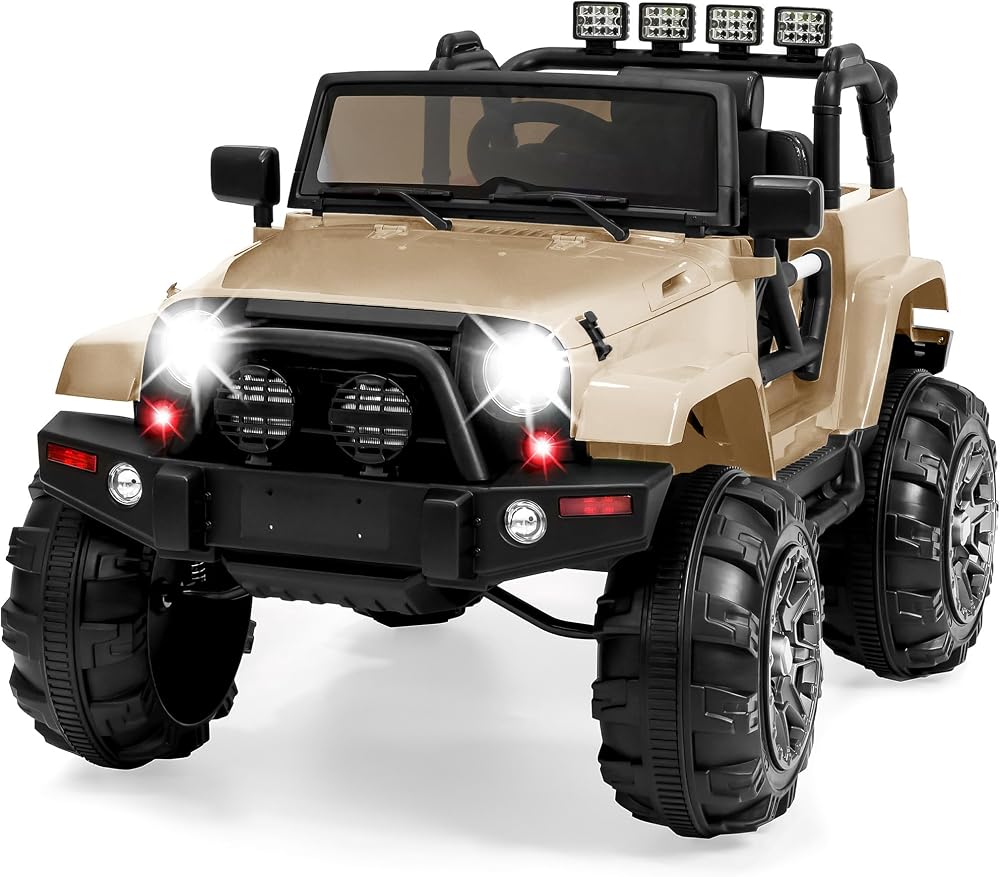
12v vs 24v Ride on: we compare the key differences, pros and cons side by side so you can decide which one is right for you.
Choosing a 12v vs 24v ride on for your child comes down to age, size, and where the vehicle will run. Pick 12v if your child is younger, lighter, and will mostly drive on flat pavement or short grass. Pick 24v if your child is older, close to the upper weight limit of smaller models, or needs stronger pull on grass, gravel, and gentle slopes. Neither choice is better for every family, and the right one is the one your child can control with confidence.
Voltage sounds technical, but its effects are easy to feel in speed, pulling power, vehicle size, and price. This guide explains each difference in plain terms so you can match the vehicle to your child and your yard. The comparison table below gives you the short version first, and the sections after it walk through safety, ease of use, durability, and cost in more detail.

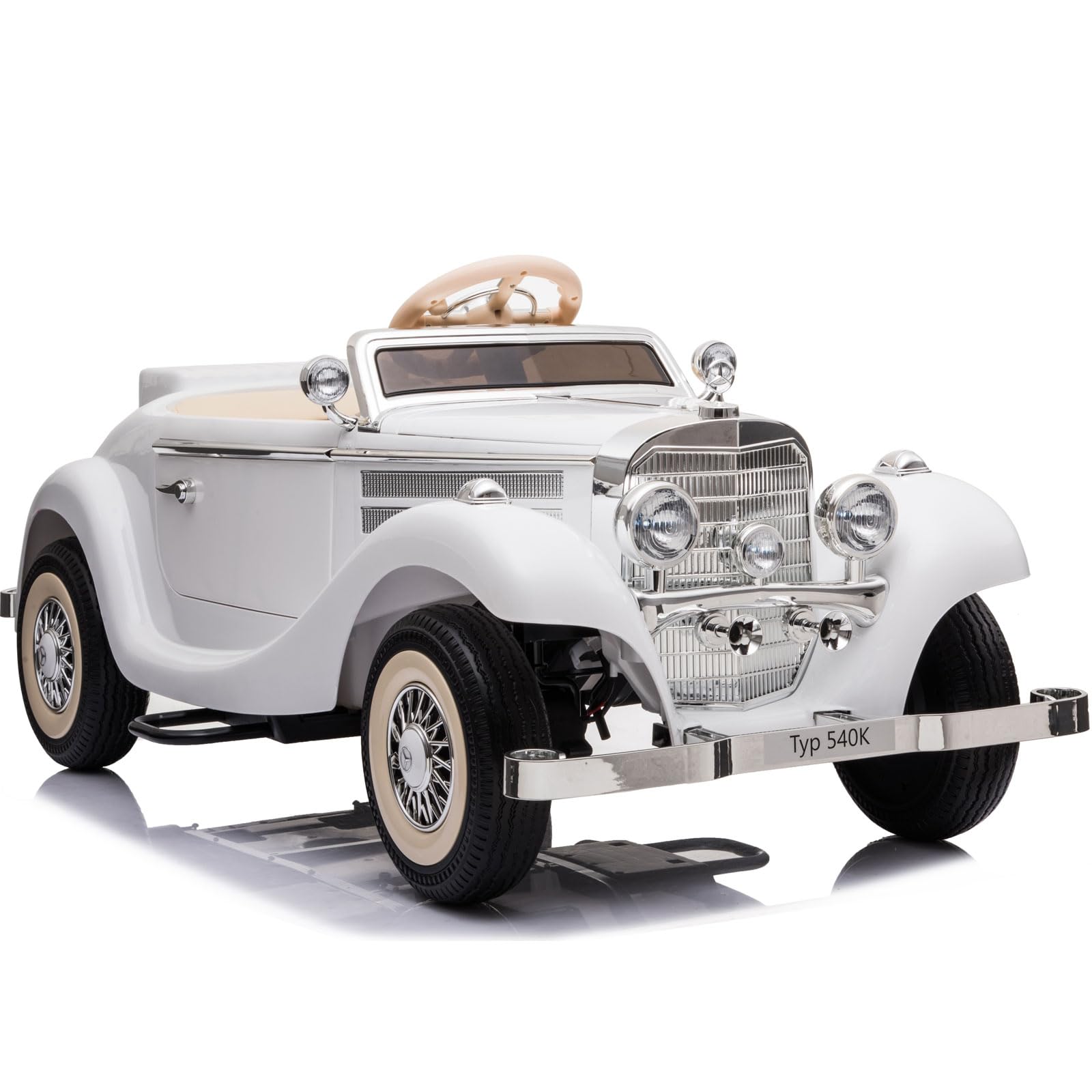
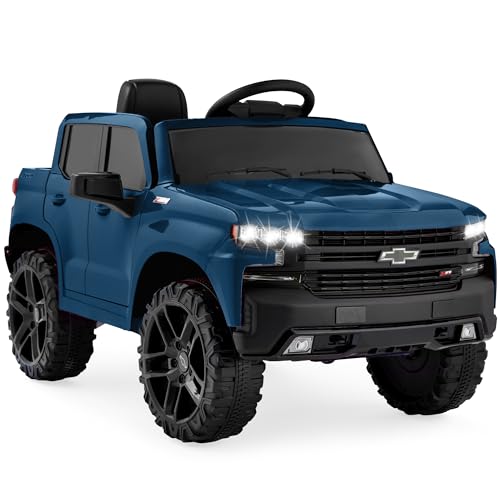
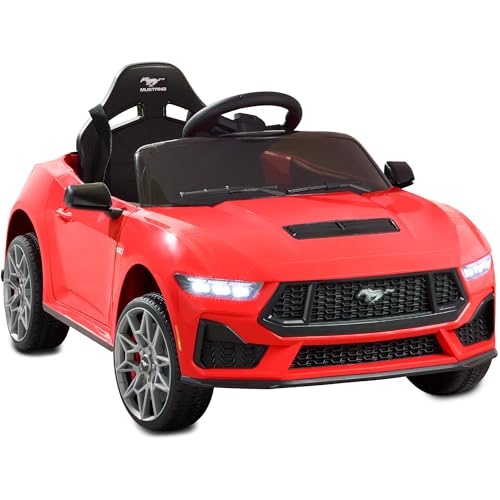
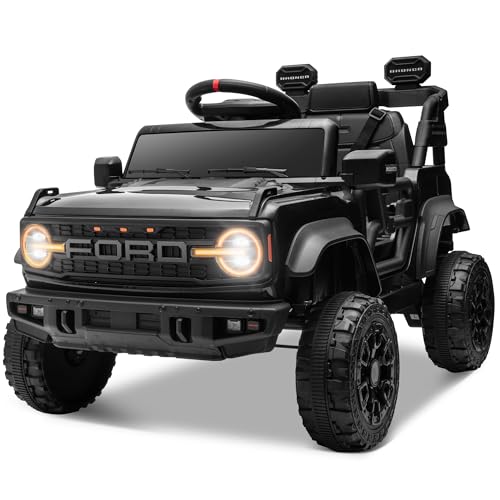

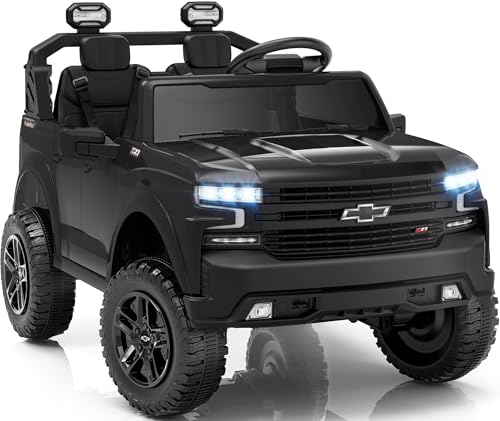

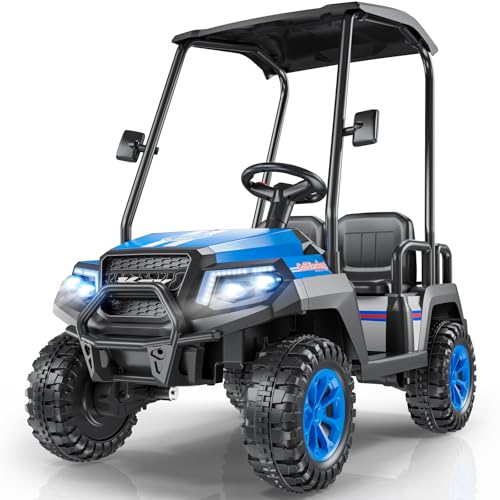

12v vs 24v Ride on: Comparison Table
The table sums up the typical differences between the two systems. Exact speed, run time, and weight limits vary by model, so treat these figures as a guide and always confirm the numbers on the specific vehicle you are considering before you order.
| Criteria | 12v | 24v Ride On | Winner |
|---|---|---|---|
| Typical speed | About 2 to 5 mph | About 3 to 6 mph | Depends on age |
| Best terrain | Flat pavement and short grass | Grass, gravel, and gentle slopes | 24v |
| Common age fit | About 3 to 6 years | About 3 to 8 years | 24v for older kids |
| Run time per charge | About 1 to 2 hours | About 1 to 2 hours | Tie |
| Size and storage | Smaller and lighter | Larger and heavier | 12v |
| Typical price | About $150 to $350 | About $300 to $600 | 12v |
What Is 12v and What Is 24v Ride On?
The 12v Option
The number tells you the nominal voltage of the battery system that powers the motors. A 12v vehicle runs on a battery setup rated at twelve volts, which delivers moderate power suited to younger riders. Most 12v models reach about 2 to 5 mph and feel calm on flat ground, which helps a new driver learn steering, braking, and stopping distance. These vehicles are usually smaller, often built for one rider, and their lighter motors and batteries keep the price and the total weight down.
The 24v Ride On Option
A 24v vehicle uses a battery system rated at twenty four volts, often made by pairing two twelve volt batteries. That higher voltage can send more power to the motors, so the vehicle pulls harder and holds speed better when the ground fights back. Most 24v models reach about 3 to 6 mph, carry heavier riders, and come in larger bodies that often seat two children. The trade off is size, weight, and cost, plus a rider who truly needs the maturity to handle the extra pace.
Key Differences
Voltage mainly changes how much work the motors can do. A 24v system gives stronger torque, which is the twisting force that gets the vehicle moving and keeps it climbing. That is why a 12v vehicle that feels fine on a driveway may crawl or stall on thick grass, while a 24v model crosses the same lawn with ease. Speed rises too, but torque is the difference you will notice most in daily use, load after load and slope after slope.
Safety Standards and Certifications
Look for a label stating compliance with ASTM F963, the United States toy safety standard, and check that the charger carries a mark from a recognized testing laboratory. Stay inside the maker age and weight limits, since a child who is too small cannot reach the pedal and steer at the same time. Higher speed on 24v models raises the stakes, so choose one with a parental speed lock or remote control if available, and keep all riding off public roads and away from pools, steps, and steep driveways. An adult should supervise every ride, on either voltage.
Ease of Use
For the child, both systems work the same way, with a pedal to go, a switch for direction, and a steering wheel to turn. The real ease difference falls on you. A 12v vehicle is light enough to lift into a trunk or carry through a gate, and its single battery is simple to remove and charge. A 24v vehicle may need two adults to move, and its larger battery setup takes more care to connect correctly. Assembly time also grows with size, so allow a full afternoon for a large two seat model.
Size and Weight
A 12v vehicle is compact enough for most patios, garages, and garden paths, and many models seat one child with a modest weight limit. A 24v vehicle is longer and wider, often seats two, and usually allows a higher combined weight for the riders. That extra room helps siblings ride together and gives tall children more leg space. Measure your storage space and your narrowest gate before you buy, since a large 24v model that cannot reach the yard or fit in the garage will frustrate everyone.
Durability
Strain is the enemy of small electric motors and gearboxes. A 12v vehicle driven within its limits, on flat ground with a rider under the weight cap, can serve a family for years. The same vehicle used daily on hills or with two riders squeezed in will wear its gears and motor much faster. A 24v system handles grass, slopes, and heavier loads with less strain, so it tends to age better under hard use. Tire wear follows the same pattern, and plastic tires driven on rough gravel wear down fastest of all.
Value Over Time
Value depends on how long the vehicle stays useful to your family. A 12v model bought for a three year old may be outgrown by age six, once legs get long and the speed feels slow. A 24v model costs more at the start but can span about ages three to eight, and it suits a second child who is bigger than the first. If you plan to hand the vehicle down to younger siblings in turn, a modest 12v model can still offer fine value across several riders.
Price and Ownership Cost
Most 12v vehicles sell for about $150 to $350, while most 24v vehicles sell for about $300 to $600, with size and seating driving much of the gap. Ownership adds smaller costs over time. Batteries on both systems eventually lose capacity and need replacement, and a 24v setup uses two batteries, so that bill is higher when it comes. Chargers can also fail or get lost, and a spare is a minor expense on either system. Budget for one battery replacement across the life of the vehicle and the purchase price will hold no surprises.
Which Should You Buy?
Start with your child, then check your ground, and let price settle any remaining tie. The two lists below turn the differences above into a simple choice.
Choose 12v If
Choose 12v if your child is about three to six years old, is new to driving, and will ride mostly on pavement, patios, or short and level grass. It also fits if you have limited storage, need to carry the vehicle in a car, or want the lower price for a child who will outgrow ride on toys in a few years. A calmer top speed helps new drivers build steering skill and judgment before they move to anything faster, and most families find the lighter build easier to live with day to day.
Choose 24v Ride On If
Choose 24v if your child is older or heavier, has already mastered a slower vehicle, or will ride on longer grass, gravel paths, and gentle slopes where a weaker motor would stall. It also fits if you want room for two riders or a vehicle that can serve a wider span of ages. If a yard with real terrain is your main playground, the stronger pull is not a luxury. It is the difference between a vehicle that gets used every week and one that gets abandoned after a month.
Other Options to Consider
Voltage is not the only fork in the road. For toddlers under three, a 6v vehicle with a top speed near walking pace is a gentler first step, and many children start there before moving up. Shape matters too, since a low buggy style body handles rough yards differently from a tall truck style body. If that style appeals to your family, see our guide to the power wheels dune racer review for a closer look at one popular example. Pick the format your child will enjoy, then set the voltage by age and terrain.
FAQ
Is 12v better than 24v ride on?
Neither is better in the abstract, and the best choice follows your child rather than the spec sheet. One factor parents often miss is temperament. A cautious child may feel rushed and steer poorly on a faster 24v model even at an age where friends ride one happily, while a confident child may grow bored with 12v pace well before outgrowing the seat. Match the vehicle to the rider in front of you, and let a nervous beginner start slow even if that means upgrading sooner than planned.
What is the main difference between 12v and 24v ride on?
The main difference is how much power the battery system can feed the motors, which shows up as stronger pull and somewhat higher speed on 24v models. Voltage alone does not fix the top speed, though. Motor size, gearing, and the number of driven wheels also shape how a vehicle performs, so two vehicles with the same voltage can feel quite different on grass. That is why the maker speed and weight figures for the exact model matter more than the battery number by itself.
Which is easier to clean, 12v or 24v ride on?
Both are simple to clean, and size is the only real gap, since a larger 24v body has more surface to wipe. Use a damp cloth on the plastic body and seats, and brush dried mud from the tires once it flakes off on its own. Never spray water into the battery area, motor housing, or charging port, and let every part dry fully before you connect the charger. Cleaning takes about ten minutes, and doing it before storage keeps grime from hardening over winter.
Which lasts longer, a 12v or a 24v ride on?
The vehicle frames on both systems can last for years, and the battery is almost always the part that fades first. Battery life depends less on voltage than on habits. A battery that is stored empty for months, left in a hot garage, or charged far longer than the manual allows will lose capacity early on either system. Follow the maker charging guidance, store the vehicle indoors, and keep the battery charged during months of no use, and you give either voltage its best chance of lasting.
Final Thoughts
For a young beginner on flat ground, 12v offers calm speed, light weight, and a friendly price. For an older child, two riders, or a yard with grass and slopes, 24v earns its higher cost with stronger pull and more room to grow. Weigh your child, look honestly at your terrain, and measure your storage space before you decide. When you are ready, check the figures in the product table above once more, and choose the 12v vs 24v ride on option that fits your family today and still suits your child next season.