
Stocking an Asian Pantry: The Staples Worth Keeping On Hand
Disclosure: We may earn a commission when you buy through links on this page, at no extra cost to you. As an Amazon Associate I earn from qualifying purchases. Learn more

A practical rundown of the sauces, oils, rice, noodles, and spices that make up a well-stocked Asian pantry, plus tips for keeping everything fresh.
Cooking your favorite Asian dishes at home gets a lot easier once you stop treating each recipe as a one-off shopping trip. A handful of sauces, oils, and dry goods show up again and again across Chinese, Japanese, Korean, Thai, and Vietnamese cooking, and once they are sitting in your cabinet, a stir-fry or a noodle soup becomes a fifteen-minute project instead of an errand. This guide walks through the staples worth keeping on hand, why each one matters, and how to store them so they stay useful for months rather than going stale in the back of a shelf.
Why an Asian Pantry Pays Off
The appeal of a well-stocked pantry is repetition. Soy sauce, sesame oil, and rice vinegar do not belong to a single cuisine; they turn up in marinades, dipping sauces, dressings, and stir-fries across the entire region. Once you own the core lineup, trying a new recipe usually means buying one or two fresh ingredients instead of an entire shopping list. It also changes how you cook on a weeknight. A pantry with the right building blocks lets you improvise a sauce from what is already open rather than driving to the store for a single bottle you will use once.
There is also a cost argument. Many of these ingredients last a long time once opened, especially the sauces and dried goods, so the upfront investment gets spread across dozens of meals. Buying a small bottle of fish sauce or a bag of dried shiitake mushrooms feels like a bigger purchase than it actually turns out to be after a few months of regular use.
The Sauces That Do Most of the Work
Soy sauce is the backbone. A regular, all-purpose soy sauce covers most stir-fries, marinades, and dipping needs, and it is worth keeping a bottle within arm's reach of the stove. If you cook Chinese food often, a dark soy sauce is a useful second bottle; it is thicker, slightly sweeter, and mostly used for color and depth rather than as the main seasoning.
Fish sauce is the ingredient that intimidates a lot of home cooks and then quietly becomes indispensable. It smells strong straight out of the bottle but disappears into a dish once it is cooked or balanced with sugar, lime, or chilies, adding a savory backbone to Thai and Vietnamese cooking that soy sauce cannot fully replace. Oyster sauce rounds out the trio, adding a glossy, slightly sweet umami note to stir-fried vegetables and noodle dishes. All three keep well in the refrigerator or a cool cabinet for a long stretch of time, so a single bottle of each goes a long way.
Oils and Aromatics Worth Keeping on the Shelf
Toasted sesame oil is used sparingly, usually as a finishing touch rather than a cooking oil, because its nutty flavor is strong and can turn bitter if it is heated too long over high heat. A small bottle stored in a cool, dark spot keeps its aroma for months, though sesame oil does eventually go rancid, so buying a smaller bottle you will actually finish is smarter than stocking up on a large one.
Chili oil or chili crisp has become a pantry staple in its own right, adding heat, crunch, and savory depth to eggs, noodles, rice, and pretty much anything else. Alongside the oils, garlic and ginger deserve a permanent spot. Fresh cloves and root are best when you can get them, but jarred minced garlic and ginger, or a tube of paste, are reasonable stand-ins for busy weeks and rarely go to waste the way a whole fresh piece sometimes does.
Rice, Noodles, and Other Bulk Staples
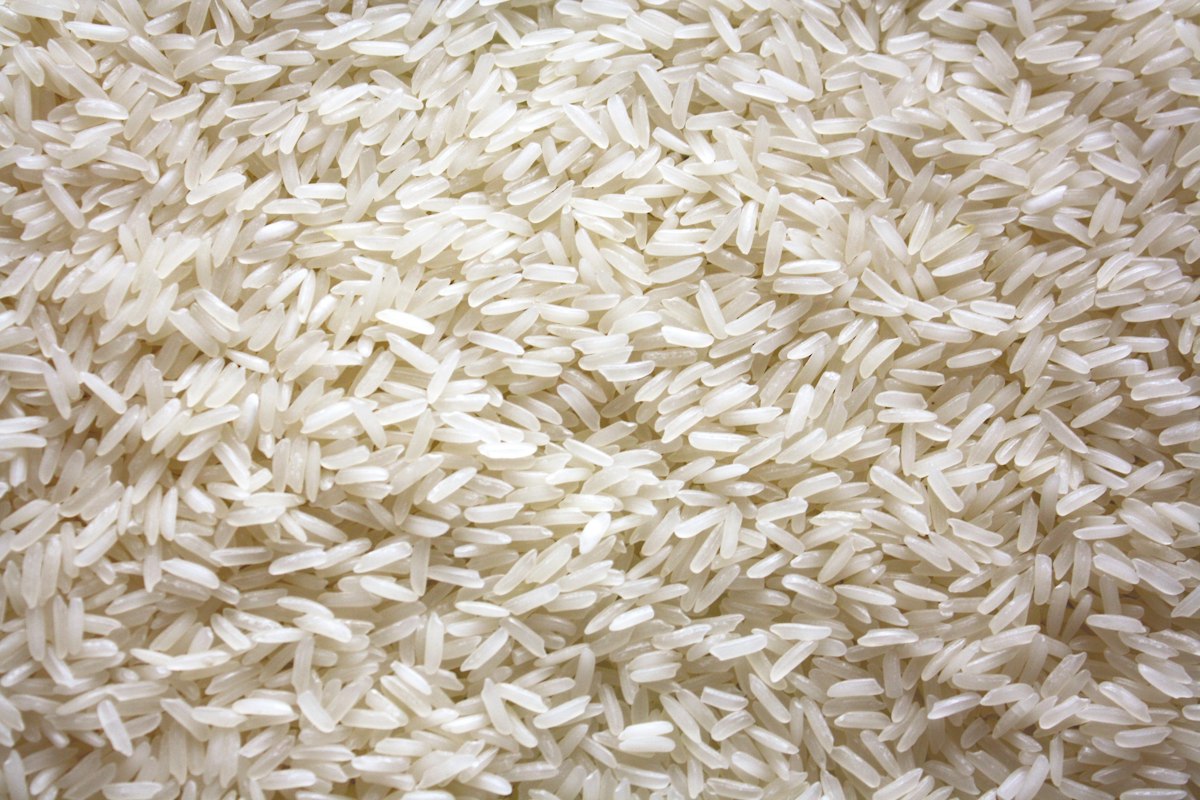
Rice is the anchor of the entire pantry, and it is worth being a little deliberate about which type you buy. A long-grain, fragrant rice works as an everyday base for stir-fries and curries, while a shorter, stickier grain suits sushi or dishes where you want the rice to hold together. No Asian pantry is complete without good rice on hand, and this guide to picking a great jasmine rice brand covers what actually separates a fragrant bag from a bland one. Buying rice in bulk is usually cheaper per serving, but only if you have a way to store it that keeps moisture and pests out, which is worth sorting out before you commit to a large bag.
Noodles deserve their own shelf space too. Dried rice noodles, wheat noodles, and glass noodles made from mung bean starch all keep for a long time in a sealed bag and cook in minutes, making them one of the easiest ways to turn a handful of pantry ingredients into a full meal. Keeping two or three varieties on hand covers most soup, stir-fry, and salad recipes without needing a special trip to a specialty grocer.
Vinegars and Something for Sourness
Rice vinegar is milder and slightly sweeter than the white distilled vinegar most Western kitchens default to, and it is the right choice for sushi rice, dressings, and quick pickles. Black vinegar, more common in Chinese cooking, brings a deeper, almost malty sourness that works well in braises and dipping sauces. Shaoxing wine, a fermented rice wine used throughout Chinese cooking, adds a savory depth to marinades and stir-fries that plain vinegar cannot replicate. None of these need refrigeration once opened, and a bottle of each will last through a long stretch of regular cooking.
Pastes and Flavor Boosters
A jar of chili paste, whether that is a Korean gochujang, a Chinese chili bean paste, or a simple sambal, adds instant heat and umami to soups, marinades, and stir-fries without any extra chopping. Curry pastes, sold in small jars or as pouches, are another shortcut worth keeping around, since building a curry from individual spices takes far longer than most weeknight cooking allows. A container of Chinese five-spice powder covers the sweeter, more aromatic end of the spice rack and works well rubbed onto meat before roasting or grilling.
Dried whole chilies are also worth having on hand if you like building your own heat level into a dish rather than relying entirely on a jarred paste. They store almost indefinitely in a sealed container and can be toasted, ground, or simmered directly into a sauce.
Thickeners, Umami, and Small Extras
Cornstarch is the quiet workhorse of the pantry, used to thicken sauces and gravies with a quick slurry, and also to coat meat before frying for a lighter, crisper texture. Dried shiitake mushrooms rehydrate into a deeply savory ingredient that punches well above their size, and the soaking liquid itself can go straight into a soup or sauce rather than down the drain. Sheets of dried seaweed, or nori, are useful well beyond sushi, adding a briny crunch to rice bowls and snacks. A small bag of dashi powder or dried kombu is worth keeping too if you cook much Japanese food, since it turns plain water into a flavorful broth base in minutes.
Keeping Everything Fresh
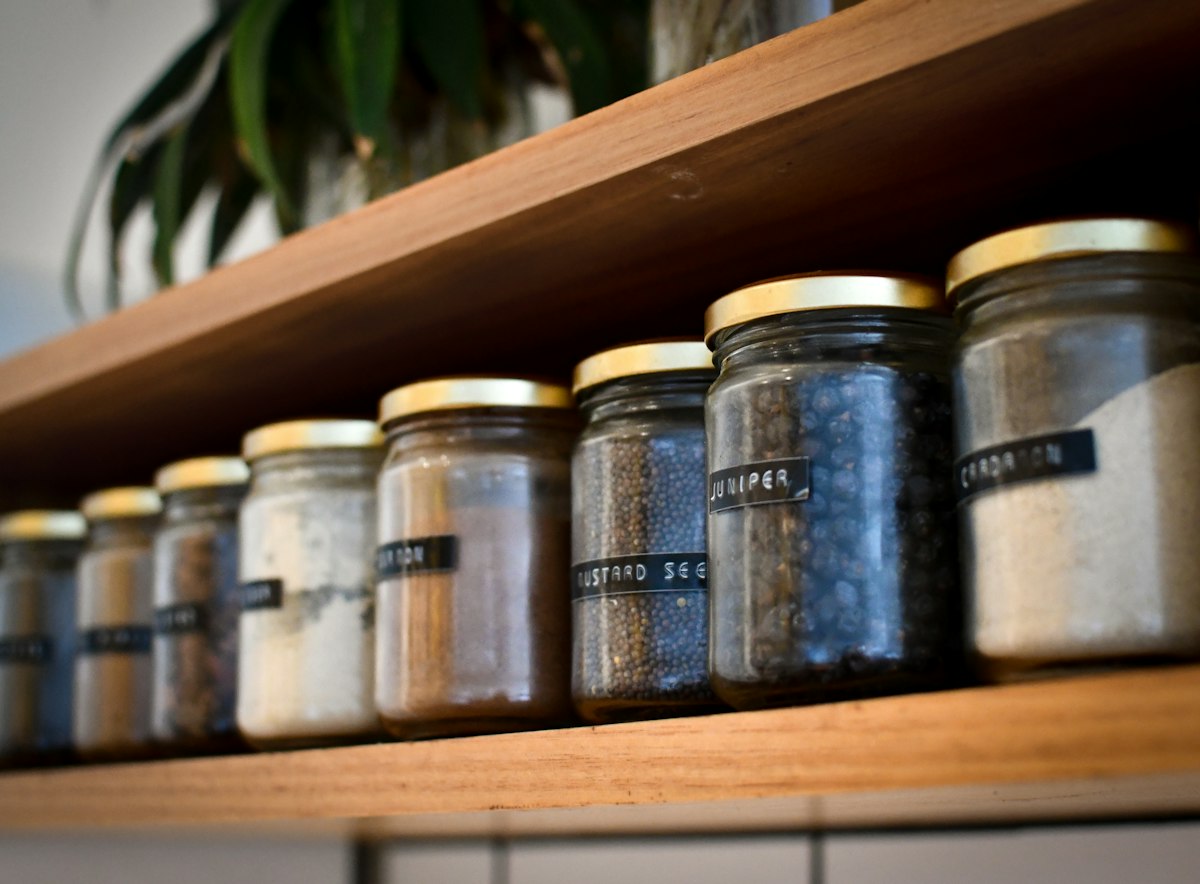
Sauces last longest stored away from direct light and heat, which usually means a cabinet rather than a shelf next to the stove. Oils, especially sesame oil, benefit from refrigeration once opened if you do not go through them quickly. Rice and noodles should live in airtight containers, both to keep moisture out and to stop pantry pests from finding their way in. Spices and dried chilies lose potency over time, so buying smaller quantities more often beats stockpiling a large jar that sits half-used for years. A little organization goes a long way here: grouping sauces together, keeping dry goods in clear containers, and labeling anything that was decanted out of its original packaging makes it much easier to actually use what you have instead of buying a duplicate because you forgot it was already there.
Frequently Asked Questions
Do I need every ingredient on this list to start cooking Asian food at home?
No. A reasonable starting set is soy sauce, sesame oil, rice vinegar, garlic, ginger, and a bag of rice. That combination alone covers a surprising number of simple recipes, and you can add fish sauce, oyster sauce, and chili paste as you branch out into more cuisines.
How long do opened sauces actually last?
Most fermented sauces, including soy sauce, fish sauce, and oyster sauce, keep well for many months when stored in a cool spot or the refrigerator. Oils are more delicate and are best used within a few months of opening, since they can turn rancid even if they still look fine.
Can I substitute regular grocery store ingredients for specialty ones?
Sometimes, but the results vary. Rice vinegar can be approximated with diluted white vinegar and a pinch of sugar in a pinch, but fish sauce and oyster sauce do not have a close substitute and are worth seeking out for the recipes that call for them.
Where is the best place to buy these ingredients?
An Asian grocery store, when one is available, usually has better prices and more variety than the international aisle of a general supermarket. Online retailers are a solid backup for anything that is hard to find locally, and most of these staples ship well since they are shelf-stable.