The Best Survival Tarps for 2026

A good tarp is one of the most versatile pieces of gear you can carry, doubling as emergency shelter, a hammock rain fly, ground cover, or protection for gear left outdoors overnight. A quality survival tarp earns its spot in a pack precisely because it solves so many problems with a single, lightweight item.
Here's what actually separates a genuinely dependable tarp from one that leaks or tears the first time it's used, followed by three standout picks and a full lineup of other strong options to compare.
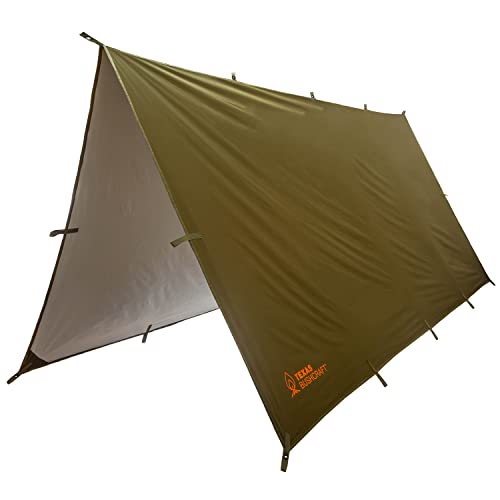
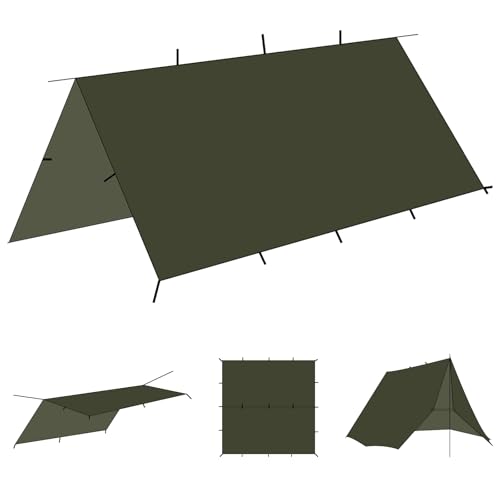
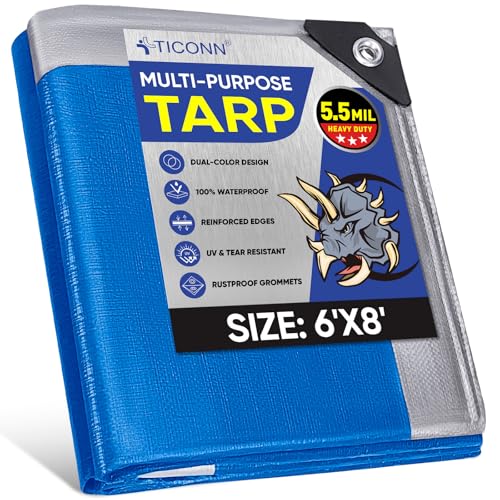
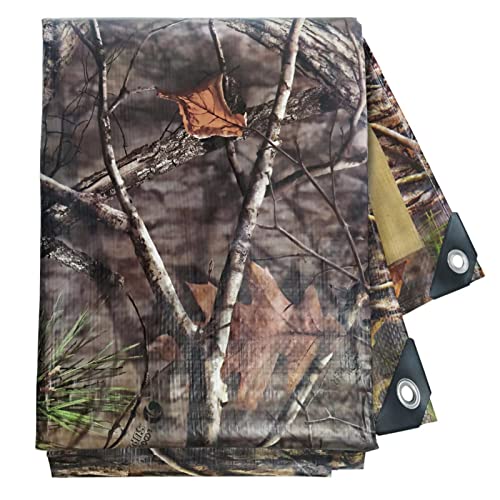
What to Look for in a Survival Tarp
Waterproof rating is usually measured in millimeters of hydrostatic pressure resistance, and it's worth checking closely rather than trusting the word "waterproof" alone. A rating of 3,000mm handles moderate rain well, while serious 10,000mm-plus ratings hold up through sustained, heavy downpours.
Material and construction determine how much abuse the tarp can take. Ripstop nylon and polyester resist tearing far better than basic polyethylene, and taped or heat-sealed seams prevent water from seeping through the stitching, which is often where cheaper tarps fail first.
Size and coverage should match your actual use case. A compact 8x10-foot tarp works well for a single person's shelter or gear cover, while larger 10x10 or bigger tarps accommodate multiple people or a full hammock rain fly setup with room to spare.
Tie-out points genuinely affect how versatile a tarp is in the field. More grommets or reinforced loop points around the edges and corners give you more configuration options for pitching the tarp as an A-frame, lean-to, or flat rain cover.
Weight and pack size matter most for backpackers and anyone carrying the tarp any real distance. Lightweight silnylon or ripstop options pack down small and add minimal weight, while heavier-duty poly tarps trade portability for raw toughness and lower cost.
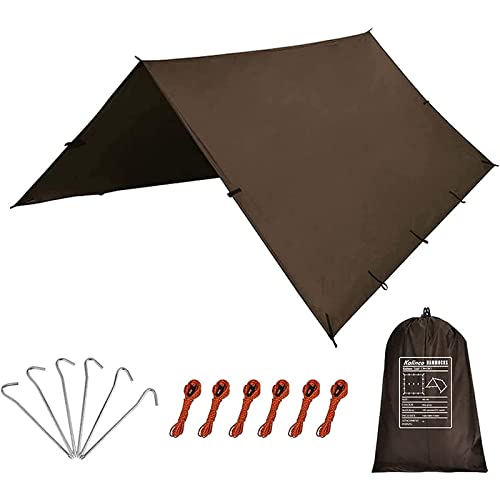
Included accessories like stakes, guy lines, and a stuff sack save you from having to source them separately. A tarp that comes ready to pitch out of the package is genuinely more convenient than one requiring a separate hardware purchase.
Color is a small but genuinely practical consideration. Bright colors like orange or yellow make a tarp easier to spot in an emergency signaling situation, while earth tones like olive drab or camo blend into the environment for campers who prefer a lower profile.
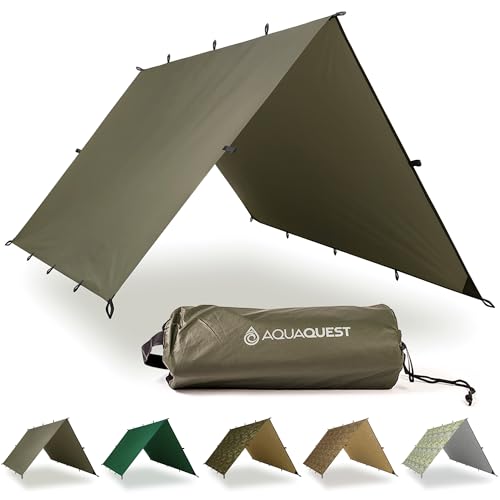
Best Overall: AquaQuest Defender Tarp
With the highest rating in this entire lineup, AquaQuest has built a genuine reputation with guides and rescue teams since 1994. This survival tarp carries a serious 20,000mm waterproof rating with heat-taped seams, and 19 tie-out points across a dense grid let you pitch it low and stable even when the wind shifts.
- Waterproof rating: 20,000mm with heat-taped seams
- Coverage: 9'7" x 9'7", 92 sq ft, 19 tie-outs
- Best for: Serious outdoor use where dependable weatherproofing matters most
Pros:
- Exceptional 20,000mm waterproof rating handles sustained heavy rain
- Dense tie-out grid allows fast, stable pitching in shifting wind
- Backed by a lifetime warranty from a trusted, decades-old brand
Cons:
- Higher price than basic utility tarps
- 3.3 lbs is heavier than ultralight backpacking-specific options
Best Budget: CARTMAN Multipurpose Waterproof Poly Tarp
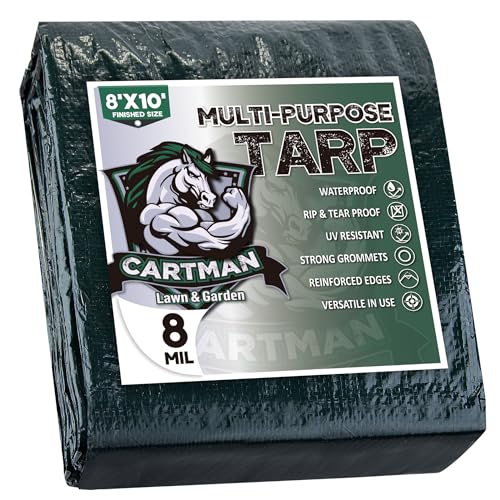
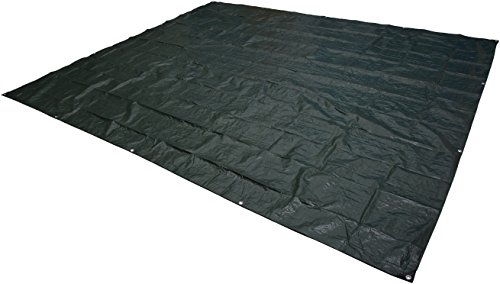
With over 7,000 reviews at a genuinely low price, this 8-mil poly tarp covers the essentials well: heat-sealed, reinforced edges with internal nylon rope for strength, and metal grommets spaced every 36 inches for secure staking. It's a practical choice for shelter backup, gear covering, or ground protection.
- Thickness: 8 mil
- Construction: Heat-sealed edges with internal nylon rope reinforcement
- Best for: Budget-conscious buyers who want reliable all-purpose coverage
Pros:
- Genuinely affordable for a tarp this size and thickness
- Reinforced grommets every 36 inches make staking secure
- Versatile enough for shelter, ground cover, or equipment protection
Cons:
- Heavier and bulkier than backpacking-specific silnylon tarps
- No included stakes, guy lines, or carry bag
Best for Hammock Camping: Wise Owl Outfitters Hammock Rain Fly
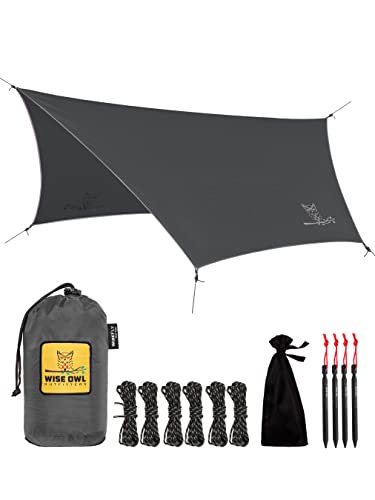
Built specifically with hammock campers in mind, this ripstop nylon tarp comes as a complete kit: six 10-foot guy lines, aluminum stakes, a stake pouch, and a waterproof carry bag, so there's nothing extra to buy before your first trip. At just 26 ounces, it packs down small without sacrificing real 3,000mm waterproof protection.
- Weight: 26 oz
- Coverage: 11 ft x 9 ft
- Best for: Hammock campers who want an all-in-one, ready-to-pitch kit
Pros:
- Complete kit includes guy lines, stakes, and a carry bag
- Lightweight at 26 oz, genuinely backpacking-friendly
- PU-coated ripstop nylon withstands 3,000mm of water pressure
Cons:
- Lower waterproof rating than premium heavy-duty tarps
- Coverage area is smaller than dedicated multi-person shelter tarps
Poly Tarps vs. Ripstop Nylon: Which Material Fits Your Use?
Poly tarps are the workhorse choice for general-purpose use, cheap enough to keep several on hand for gear covering, ground protection, or backup shelter, though they're bulkier and heavier per square foot of coverage than premium materials.
Ripstop nylon and silnylon tarps prioritize the weight-to-strength ratio that backpackers and hammock campers actually need, packing down to a fraction of the size of an equivalent poly tarp while still resisting tears from branches and rough handling.
For a dedicated emergency or backpacking shelter, the lighter nylon materials are worth the extra cost. For general utility around the house, yard, or campsite, an affordable poly tarp does the job just as well for a lot less money.
Many experienced outdoorspeople actually keep both on hand: a lightweight nylon tarp packed for backpacking trips, and a cheap poly tarp stashed in the garage or car for everyday jobs where weight and pack size don't matter.
Frequently Asked Questions
How do I pitch a tarp for emergency shelter?
The simplest setup is an A-frame: run a ridgeline between two anchor points (trees, poles, or trekking poles), drape the tarp over it, and stake out the corners and side tie-outs low to the ground to block wind. A lean-to configuration, with one edge staked to the ground and the opposite side raised, works well when you need one open side for a fire or view.
What size tarp do I actually need?
An 8x10-foot tarp comfortably shelters one person plus gear, while 10x10 or larger sizes accommodate two people or a hammock setup with room for guy line angles. For pure emergency backup or gear covering rather than shelter, even a smaller compact tarp is often enough.
Can a tarp replace a tent for camping?
A tarp can absolutely serve as shelter, especially for experienced campers in mild weather, but it lacks a tent's insect netting, full enclosure, and floor. Many backpackers use a tarp specifically to save weight in good conditions while still carrying a lightweight bivy or netting for bug protection.
Conclusion
The AquaQuest Defender is the best overall pick for anyone who wants serious, dependable weatherproofing backed by a lifetime warranty. If you're on a budget, the CARTMAN poly tarp delivers genuine reinforced durability at a fraction of the price. And for hammock campers specifically, the Wise Owl Outfitters kit's all-in-one setup is hard to beat. Whichever you choose, a good survival tarp is one of the most versatile pieces of gear you can pack.