
Best Steamer Pots for Home Cooking
Disclosure: We may earn a commission when you buy through links on this page, at no extra cost to you. As an Amazon Associate I earn from qualifying purchases. Learn more

If you've ever ended up with mushy broccoli or a pot boiling dry while you multitask dinner, the right equipment makes all the difference. The best steamer pots hold enough water to run for a full cooking cycle, seal in steam with a well-fitted lid, and distribute heat evenly across every tier. Whether you're steaming a quick batch of vegetables, softening dumplings, or cooking seafood without drying it out, a dedicated steamer pot saves you from balancing a colander over a saucepan. This guide walks through the materials, styles, and sizing decisions that matter most, plus the everyday mistakes that shorten a steamer pot's lifespan. By the end, you'll know exactly what to look for before you buy.


Steamer Pot Materials and Features That Actually Matter
Steamer pots come in a handful of materials, each with tradeoffs worth knowing before you shop. Stainless steel is the most common choice because it resists rust, handles high heat evenly, and works on every stovetop type, including induction. Bamboo steamers bring a mild, earthy aroma to food and stack neatly, but they need to sit inside a wok or pot with simmering water and can scorch if left dry too long. Silicone steamer inserts are budget-friendly and collapsible for storage, though they don't hold heat as well as metal.
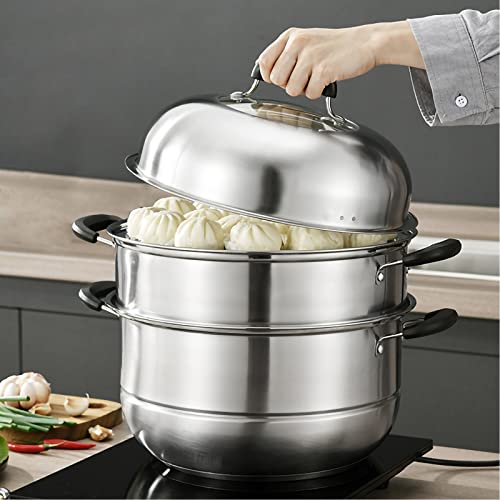
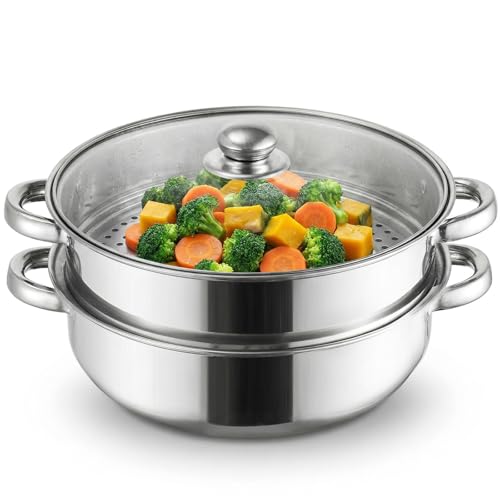
Beyond material, pay attention to how the lid fits. A loose lid lets steam escape, which extends cooking time and wastes energy, while a well-sealed, vented lid traps heat efficiently without building dangerous pressure. Look for a base pot with a thick, flat bottom that sits stable on your burner, and tiers with sturdy handles you can lift safely once they're full of hot food. If you plan to reheat leftovers or steam delicate items like fish, a tempered glass lid lets you check progress without lifting it and losing steam.
Stacked Tiers, Insert Baskets, or Stovetop Sets: Which Style Fits Your Kitchen
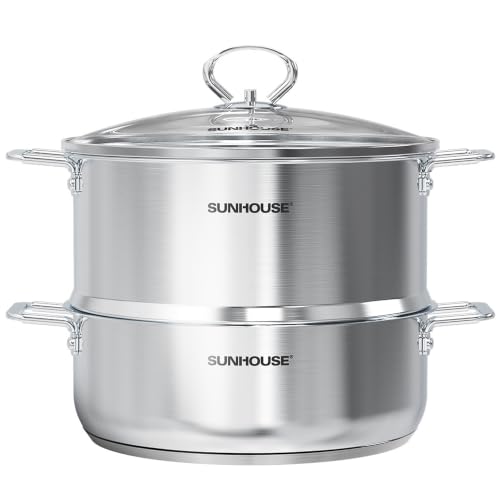
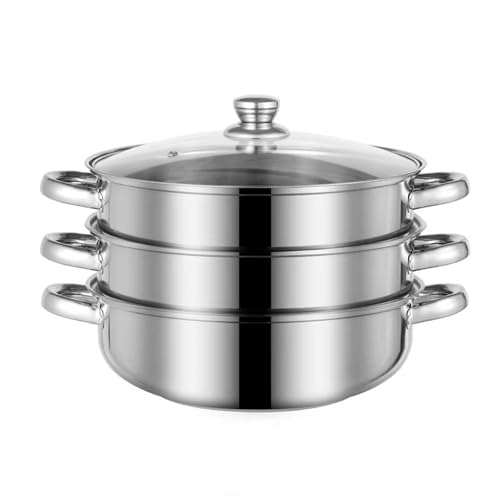
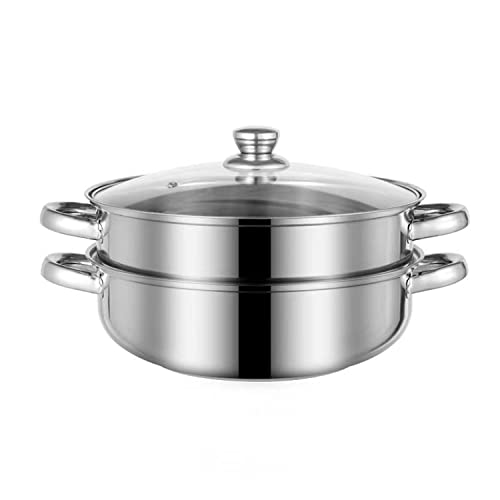
Multi-tier stacked steamers are the most versatile option for households that cook several dishes at once. A base pot holds boiling water while two or three perforated tiers stack on top, letting you steam vegetables on one level and dumplings on another at the same time. These sets work well for larger families or anyone who meal preps in batches.
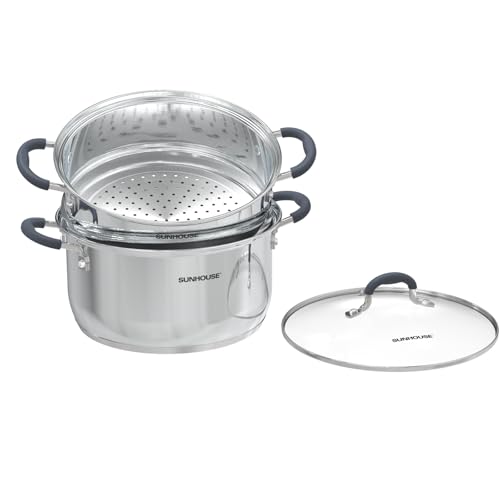
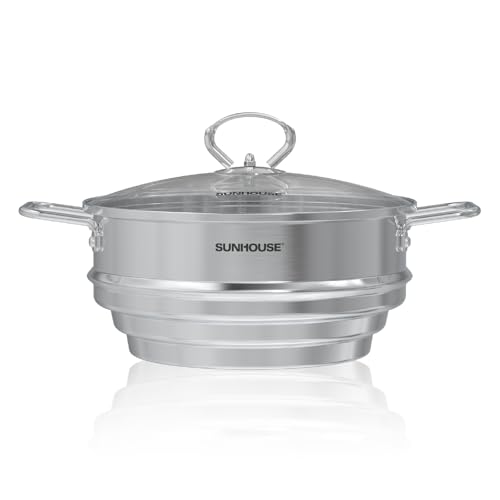
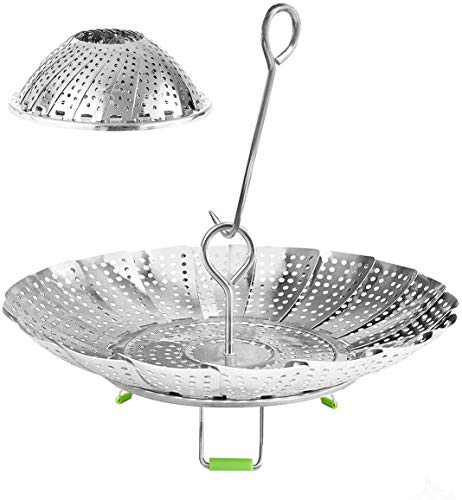
Insert-basket steamers are a simpler, more compact choice. A single perforated basket or plate sits inside a pot you already own, expanding to fit different pot diameters. This style is a good fit for smaller kitchens or occasional steamers who don't want another full cookware set taking up cabinet space.
Stovetop steamer sets, sold as a matched base pot, tier, and lid, sit in the middle. They're purpose-built, so the pieces fit together tightly and heat evenly, but they take up more storage room than a single insert. If you steam often and want consistent results, a matched set is usually worth the extra space. If steaming is occasional, an insert basket that adapts to pots you already have is the more practical pick.
Matching Pot Size to Your Burners and Batch Sizes
Steamer pots are sized by diameter and capacity, and getting this wrong is one of the most common regrets buyers report. A pot that's too large for your burner heats unevenly around the edges, while one that's too small won't hold enough water to steam for more than a few minutes without needing a refill.
For a household of one or two, a steamer pot in the eight to ten inch diameter range with a few quarts of capacity is usually enough for a side of vegetables or a small batch of dumplings. Families or anyone who cooks in bulk should look at eleven inches or wider, ideally with two or three tiers, so you can steam a full meal's worth of food in one session.
Also check your stovetop's burner size before buying. A steamer pot that overhangs a small burner by several inches wastes heat and cooks less evenly, while one sized closer to the burner diameter heats more efficiently and stays more stable while you're lifting tiers on and off.
Keeping Your Steamer Pot Clean and Warp-Free
Stainless steel steamer pots generally handle regular washing well, but hand washing with a soft sponge helps prevent scratches that dull the finish over time. If mineral deposits build up from hard water, a soak in warm water with a splash of vinegar loosens them without harsh scrubbing.
Bamboo steamers need different care. Rinse them with warm water and a soft brush rather than soap, which can soak into the wood and affect flavor later. Always let bamboo tiers air dry completely before stacking them away, since trapped moisture leads to mold.
Across every material, avoid letting a steamer pot boil dry. Running a pot without enough water is the fastest way to warp a thin base or scorch a bamboo tier, and a warped bottom no longer sits flat on your burner. Checking your water level partway through longer steaming sessions takes a few seconds and protects your cookware.
Steamer Pot Mistakes That Ruin Good Ingredients
Overcrowding tiers is one of the easiest mistakes to make. Piling food several layers deep blocks steam from circulating, so pieces on the bottom cook through while the top layer stays undercooked. Leaving space between pieces, even if it means running a second batch, gives you more even results.
Buying a steamer pot that isn't compatible with your stovetop is another frequent misstep. Induction cooktops need a pot with a magnetic base, and not every stainless steel steamer pot qualifies, so it's worth checking the product details rather than assuming.
Finally, resist the urge to peek constantly. Lifting the lid every few minutes lets heat and steam escape, which extends your total cooking time far more than the time you spend checking. The best steamer pots are designed with vented or glass lids specifically so you can monitor food without opening them.
Frequently Asked Questions
What's the difference between a steamer pot and a steamer basket?
A steamer pot is a complete cooking vessel, usually a base pot paired with one or more perforated tiers and a lid. A steamer basket or insert is a single accessory that fits inside a pot or wok you already own. Steamer pots are more purpose-built, while baskets are more flexible if you don't want another full pot in your cabinets.
Can I use a steamer pot on an induction stove?
Only if the base has a magnetic stainless steel or iron bottom, so check the product description before buying if you cook on induction. Many steamer pots are labeled induction compatible, but plenty of budget aluminum or thin stainless models are not. Using an incompatible pot on an induction cooktop simply won't heat.
How much water do I need to add to a steamer pot?
Most steamer pots need enough water to stay below the bottom tier without touching the food, generally an inch or two depending on the pot's depth. Check the water level periodically during longer cooking sessions, especially if you're steaming for more than fifteen or twenty minutes. Running low on water is the most common cause of scorched pots.
Is stainless steel or bamboo better for steaming?
Stainless steel is more durable, easier to clean, and works on any stovetop, making it the practical choice for everyday cooking. Bamboo adds a subtle aroma that many cooks prefer for dumplings and buns, but it requires more careful cleaning and drying. Neither is objectively better, it depends on how often you cook and what you're steaming.
How many tiers do I actually need?
A single tier is enough if you typically steam one dish at a time or cook for one or two people. Two or three tiers make sense if you regularly cook multiple items together, like vegetables and dumplings in the same meal. Buying more tiers than you'll realistically use just adds clutter to your cabinets.
Can steamer pots go in the dishwasher?
Most stainless steel steamer pots and tiers are dishwasher safe, though the finish tends to last longer with occasional hand washing. Bamboo steamers should never go in the dishwasher, since prolonged water exposure and heat can warp or crack the wood. Always check the manufacturer's care instructions if you're unsure.
Choosing a Steamer Pot You'll Actually Use
The right steamer pot comes down to how you actually cook, not which one has the most tiers or the flashiest lid. The best steamer pots match your stovetop, your household size, and the amount of care you're willing to put into cleaning them. Keep those basics in mind and you'll end up with a pot that earns a permanent spot on your stove rather than the back of a cabinet.