
Best Steamer Basket: How to Choose the Right One for Your Kitchen
Disclosure: We may earn a commission when you buy through links on this page, at no extra cost to you. As an Amazon Associate I earn from qualifying purchases. Learn more

Soggy vegetables and a basket that won't sit flat in the pot are two of the most common complaints home cooks have about steaming. The fix usually isn't more effort in the kitchen, it's the wrong tool. Finding the best steamer basket for your setup means matching the material and the size to how you actually cook, not just grabbing whatever is cheapest on the shelf. In this guide, you'll learn what separates a basket that lasts for years from one that rusts or falls apart, how stainless steel, silicone, and bamboo compare, and how to make sure whatever you buy actually fits your pot.



What Actually Matters When Choosing a Steamer Basket
Most steamer baskets look similar in photos, but the details that matter only show up once you're standing over a hot pot trying to lift one out. Before you look at materials or sizing, it helps to know which features separate a basket you'll reach for every week from one that ends up in the back of a drawer.
Handle and Lifting Design
A basket without a proper handle turns every use into a small hazard. Look for a center post you can grip, folding handles that lock into place, or side tabs positioned far enough from the steam to stay cool. Baskets that rely on tongs or a fork to lift out are frustrating once food starts sliding around.
Foot Height and Water Clearance
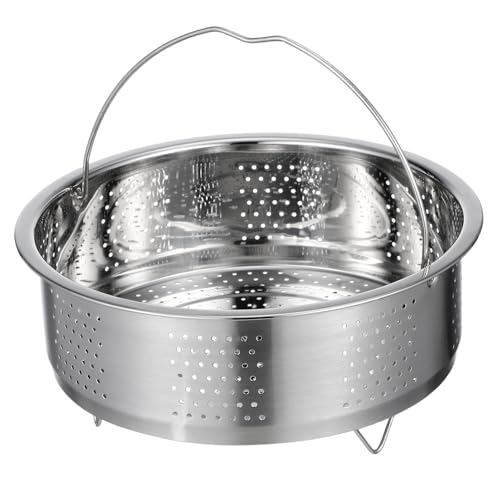
The feet on a steamer basket hold your food above the waterline, and that gap matters more than most buyers expect. Feet that are too short let simmering water splash up through the holes, leaving vegetables waterlogged instead of steamed. Taller, sturdier feet keep food dry and give steam room to circulate evenly around whatever you're cooking.
Capacity for What You Actually Cook
A basket that's perfect for a side of broccoli might be too small for a full batch of dumplings or a whole fish. Think about your typical portions before you buy. If you regularly cook for a family or batch-cook vegetables for the week, a shallow, narrow basket will leave you running multiple rounds instead of one. Depth matters just as much as width here. A basket that's wide but shallow works fine for thin vegetable slices, but it won't hold a whole artichoke or a stack of dumplings without crowding, which leads to uneven cooking where the middle stays undercooked while the edges turn mushy.
Steamer Basket Materials Compared: Stainless Steel, Silicone, and Bamboo
Material is where most of the real differences show up, and it's also where buyers get the most confused. Each of the three common options handles heat, cleaning, and storage differently, so the right pick depends on your priorities more than on any single "best" option.
Stainless Steel: Durable but Heat-Conductive
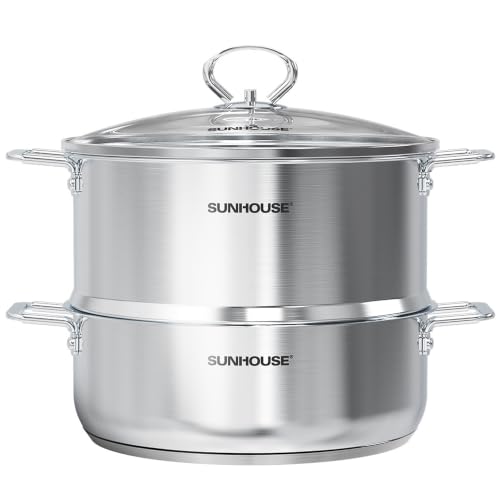
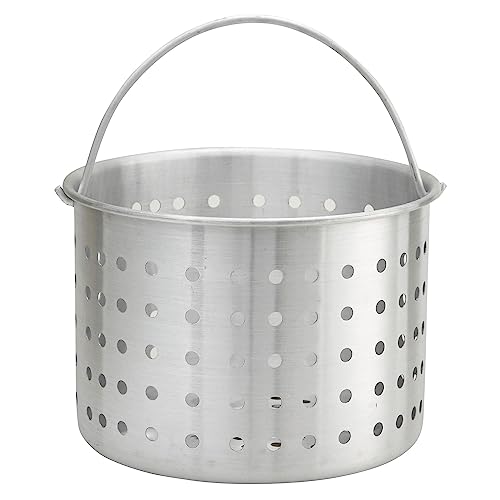
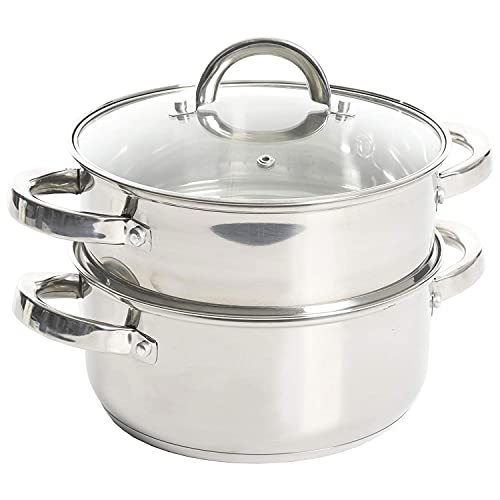
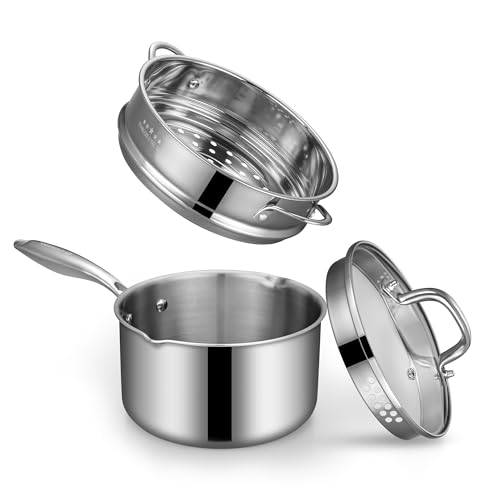
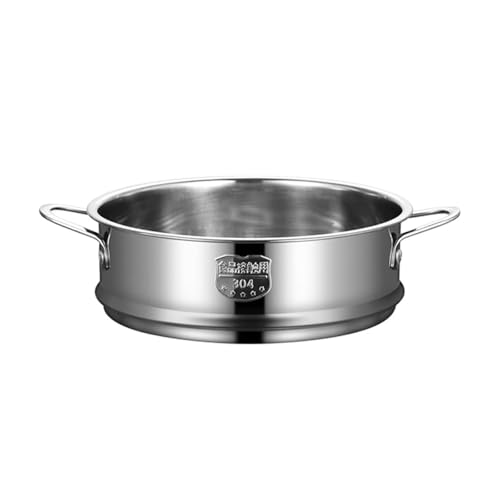
Stainless steel baskets are the most common choice for good reason. They're dishwasher-safe, resist rust when dried properly, and hold their shape even under a heavy load of dense vegetables. The tradeoff is that metal conducts heat readily, so the basket itself gets hot fast and can be tricky to grab without a towel or oven mitt. If you already lean toward metal cookware in your kitchen, a stainless steamer basket pairs naturally with a set like a stainless steel cookware set, since both clean up the same way and tolerate the same kind of everyday use.
Silicone: Flexible and Cool to the Touch
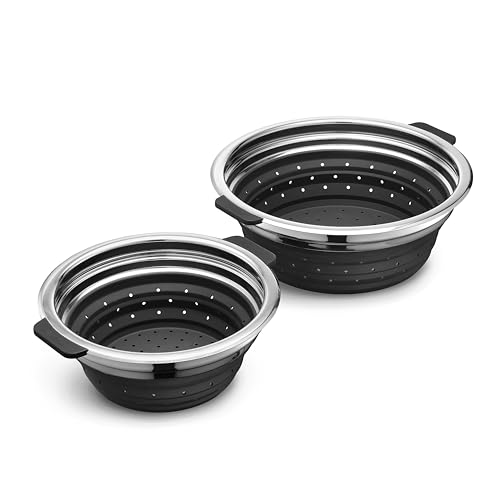
Silicone baskets collapse flat for storage and stay cool enough to touch straight out of the pot, which makes them appealing for anyone short on cabinet space. They're also gentle on nonstick surfaces, so they won't scratch a favorite pan the way a stiff metal edge can. The downside is stability. Under a full load of larger items like whole potatoes, a silicone basket can feel flimsy and lose its shape. If nonstick pans are a big part of your cooking routine, it's worth checking how a silicone basket fits alongside your existing nonstick cookware before committing to one.
Bamboo: Traditional but High-Maintenance
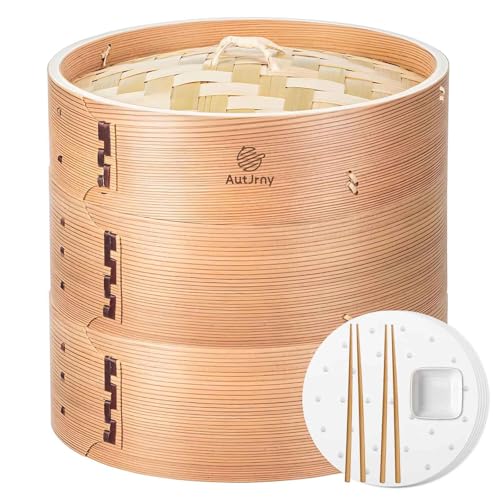
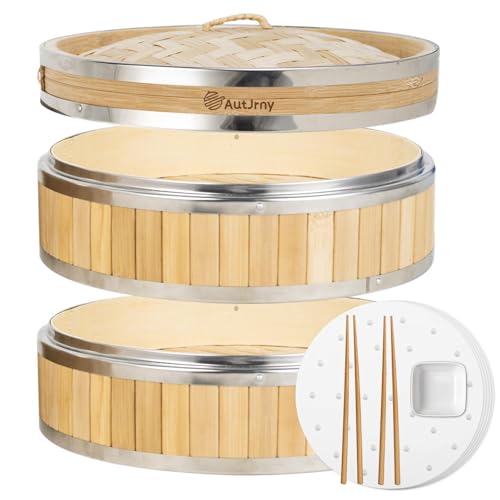
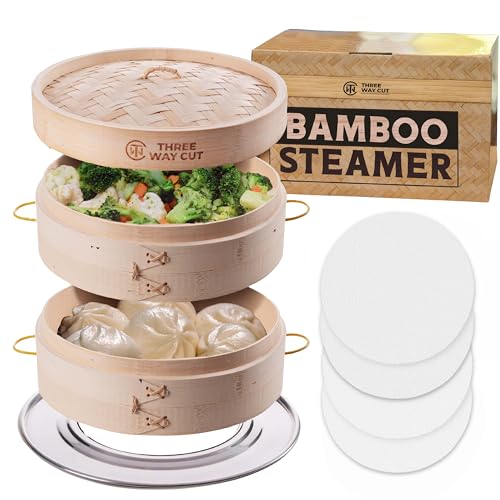
Bamboo steamers bring a traditional look and genuinely even heat distribution, which is why they're still the standard for dumplings and dim sum in many kitchens. They're also completely natural, appealing if you're trying to cut down on plastic in the kitchen. The catch is upkeep. Bamboo takes longer to dry than stainless steel or silicone, and if it stays damp it can develop mold or hold onto odors. New bamboo baskets sometimes need a light sanding to remove splinters before their first use as well.
Getting the Fit Right: Matching a Basket to Your Pot or Pressure Cooker
Even the best-built basket is useless if it doesn't sit properly in your cookware. Fit issues are one of the most common complaints buyers run into, usually because they didn't check compatibility before ordering.
Expandable vs Fixed-Size Baskets
Expandable, petal-style baskets open and close like a fan, letting them adjust to a range of pot diameters instead of locking you into one size. That flexibility is a major advantage if you cook with more than one pot size or move between a small saucepan and a large stockpot. Fixed-size baskets can offer a slightly more stable base for heavier loads, but only if you already know they'll fit. If you're shopping for cookware and a basket together, it's worth thinking about how they'll work as a set, especially with cookware built for induction cooktops, where pot shapes and bases can vary more than with standard gas ranges.
Steamer Baskets for Multicookers and Pressure Cookers
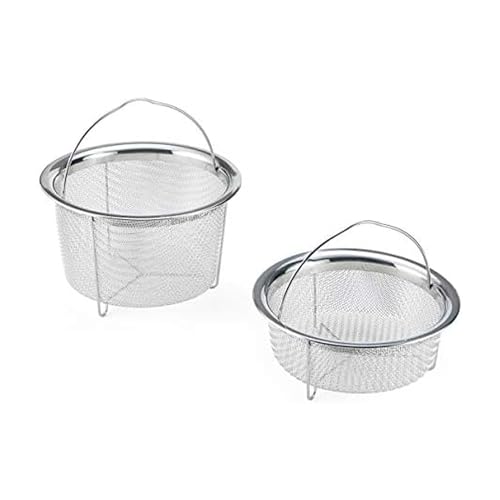
Not every basket is designed to sit inside a multicooker or pressure cooker liner. If you're buying specifically for one of these appliances, check the listed compatible sizes rather than assuming a standard stovetop basket will fit. Silicone options tend to have the most flexibility here since they can flex slightly to seat properly inside a round liner, and a few are sold with measurements for the most common six-quart and eight-quart electric pressure cookers on the market.
Keeping It Clean: Rust, Mold, and Odor Prevention by Material
How you care for a steamer basket depends heavily on what it's made of, and skipping this step is exactly what leads to the complaints people run into after a few months of regular use. Stainless steel needs to be dried thoroughly after washing since leftover moisture is what triggers rust, especially around welded seams and mesh openings. Bamboo should air dry fully between uses, ideally standing upright so air can move through it, to avoid mold and lingering odors. Silicone is the easiest to maintain and can usually go straight into the dishwasher, but it's worth checking the manufacturer's heat rating, since pushing well past it can leave a faint rubbery smell behind. A quick rinse with silicone kitchen utensils works well for scrubbing out corners that trap food without scratching the basket itself.
Frequently Asked Questions
What is the best material for a steamer basket?
There isn't one universal answer. Stainless steel is best if you want durability and don't mind hand-drying it. Silicone suits anyone who wants easy storage and cool-touch handling. Bamboo is worth it if you value traditional steaming and don't mind the extra drying care.
Is silicone or stainless steel better for a steamer basket?
Stainless steel holds up better under heavy loads and resists wear over time, while silicone is easier to store and gentler on nonstick cookware. Choose based on whether durability or convenience matters more in your kitchen.
What size steamer basket do I need?
Measure the diameter of the pot you'll use most often, then look for a basket rated for that size or an expandable one that covers a range including it. If you cook large batches regularly, size up rather than settling for the smallest option available.
Do collapsible steamer baskets work as well as fixed ones?
Yes, for most everyday steaming tasks. Collapsible baskets adjust to more pot sizes and store flat, though a fixed basket can feel more stable when it's packed full of dense vegetables.
Can you put a steamer basket in the dishwasher?
Most stainless steel and silicone baskets are dishwasher-safe, but check the specific product first. Bamboo should never go in the dishwasher and is best cleaned by hand with a quick rinse.
Can a steamer basket be used in a multicooker or pressure cooker?
Many baskets work fine in a multicooker as long as they're sized to fit inside the inner liner. Look for one specifically listed as compatible with electric pressure cookers rather than assuming a standard stovetop basket will seat correctly, since the liner depth and diameter can vary quite a bit between brands.
How much water do you put under a steamer basket?
Generally an inch or so of water is enough, just below where the basket's feet sit. The goal is steam, not direct contact with boiling water, so check the level partway through longer cooking times and top it off if it runs low.
Making Your Decision
The right steamer basket comes down to matching material and size to how you actually cook, not chasing the flashiest option. Stainless steel rewards durability, silicone rewards convenience, and bamboo rewards tradition, so let your kitchen habits decide. Think about the pots you already own, how much counter or drawer space you can spare for storage, and whether you're usually steaming a quick side dish or a full meal for the household. Once you know which tradeoffs you're willing to live with, narrowing down the right pick gets a lot easier, and it stops feeling like guesswork the next time you're standing in front of a shelf full of options.