Office Chairs Under $100: What to Expect Before You Buy
Disclosure: We may earn a commission when you buy through links on this page, at no extra cost to you. As an Amazon Associate I earn from qualifying purchases. Learn more
Working all day can be tough. However, you shouldn’t forget about your health and comfort. Sitting while doing your tasks doesn’t have to be a source of annoyance, headache, or in a worst-case scenario – unwelcome back problems. Please believe us when we tell you that you can push aside these...
Shopping for a new chair on a tight budget usually comes with one nagging question: will a cheap chair actually hold up, or will you be shopping again in six months? Office chairs under $100 can absolutely work for a home office or a spare bedroom setup, but they come with real trade-offs compared to pricier models. Knowing which features matter most, and which ones you can live without, makes the difference between a chair that serves you well for years and one that leaves your back sore by the end of the week. This guide breaks down what to expect from a budget office chair, the minimum ergonomic support worth insisting on, and how to judge durability before you click buy.
The Trade-Offs You're Making at This Price Point
Every budget office chair has to cut corners somewhere to land under $100, and understanding where those cuts happen helps you pick a chair that skips the right features instead of the wrong ones.
What Usually Gets Cut First
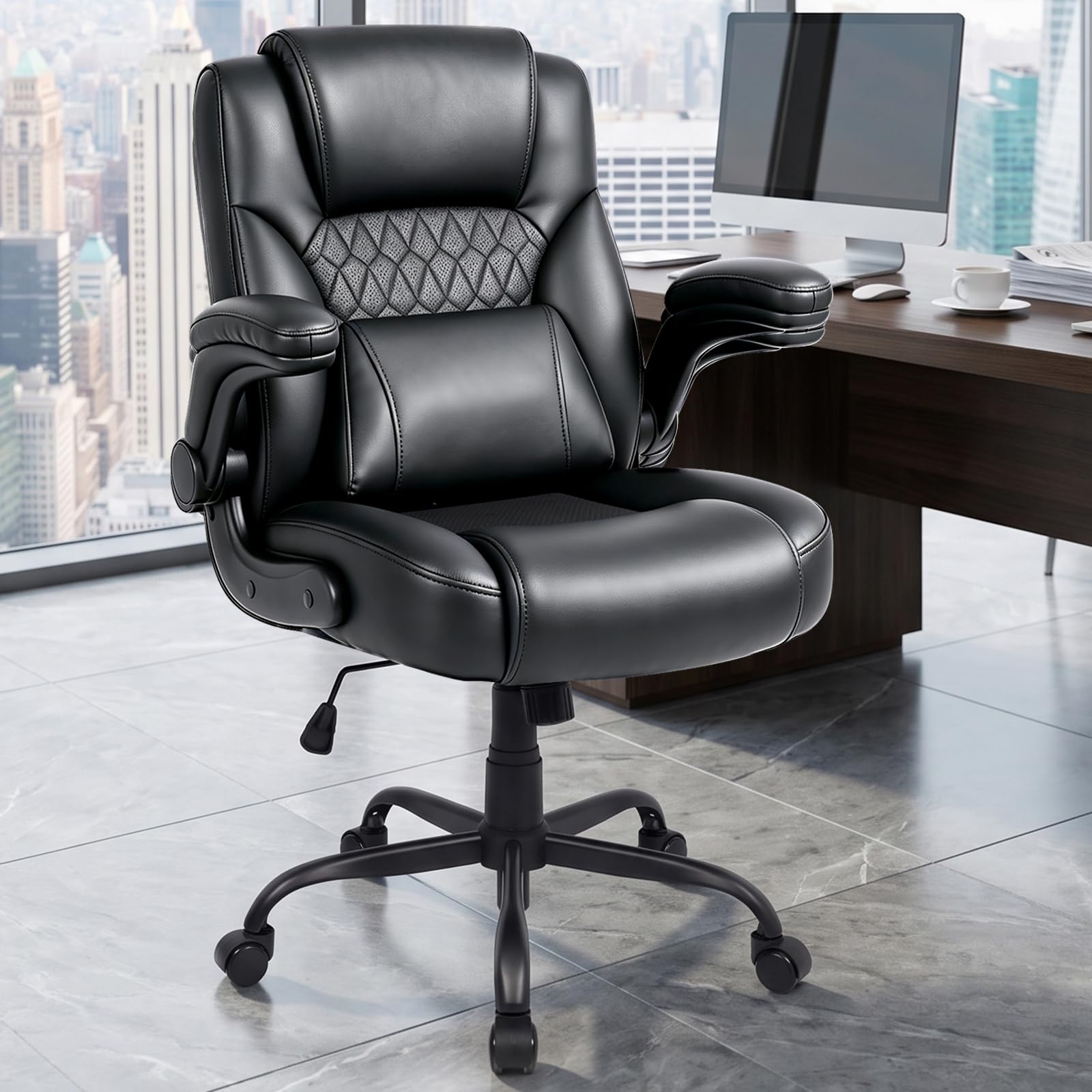
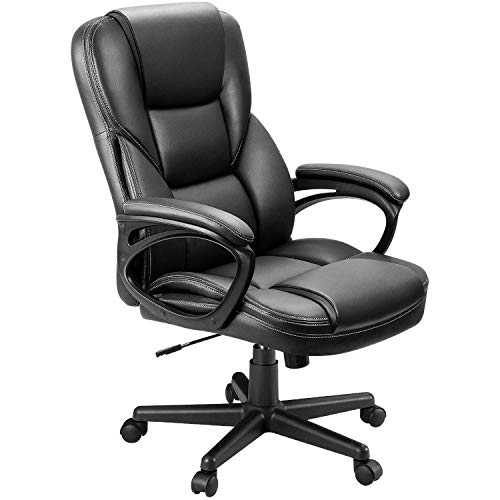
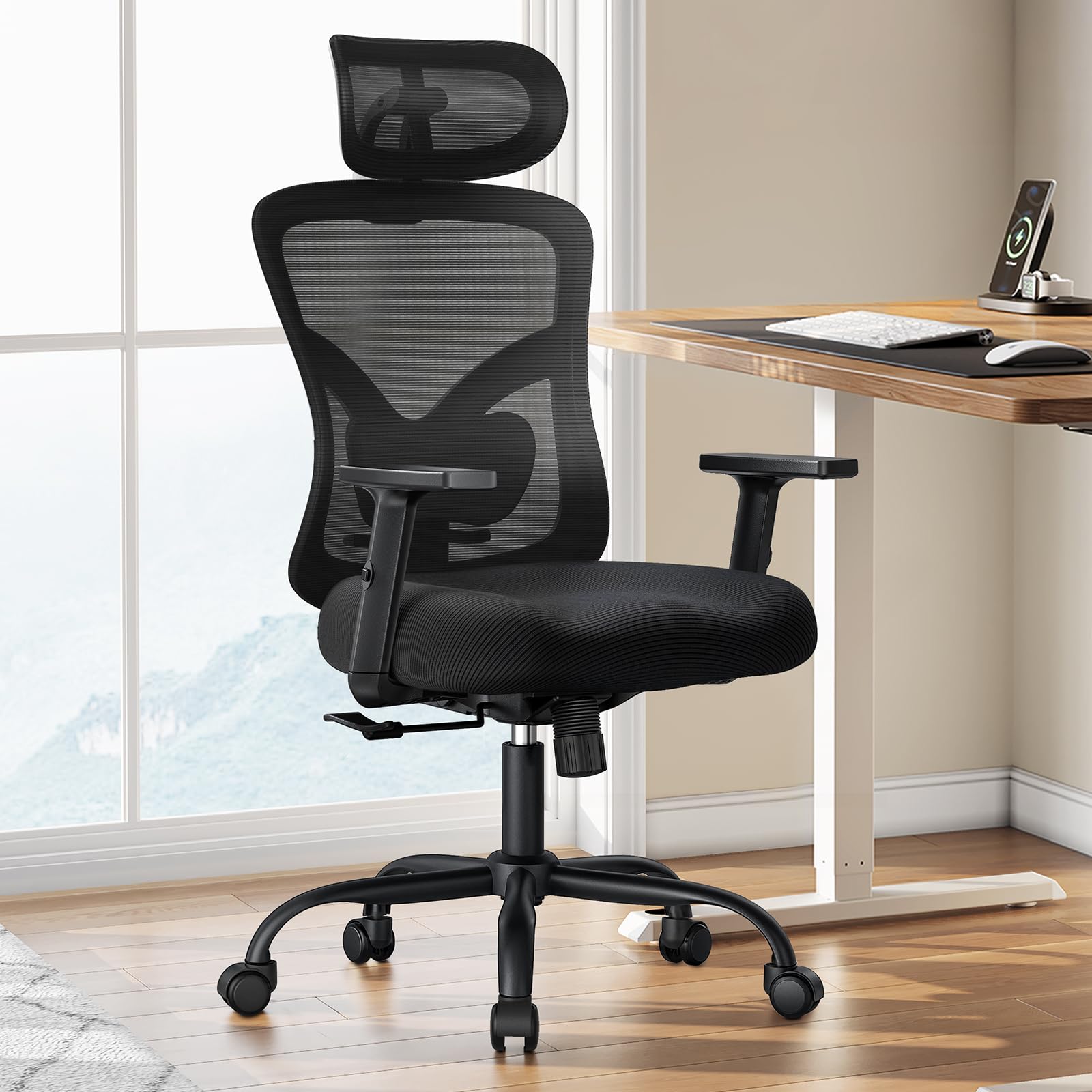
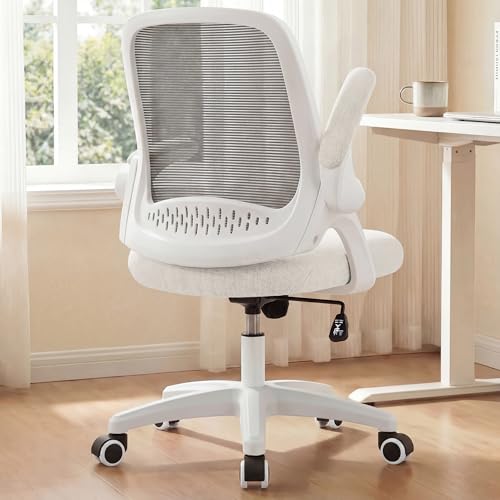
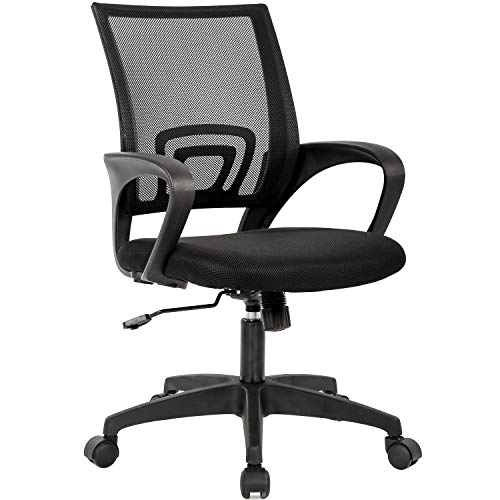
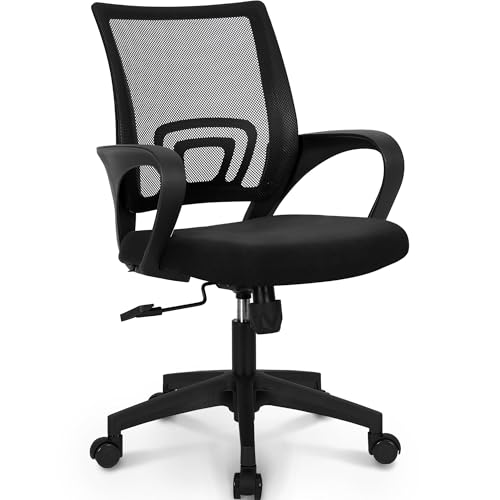
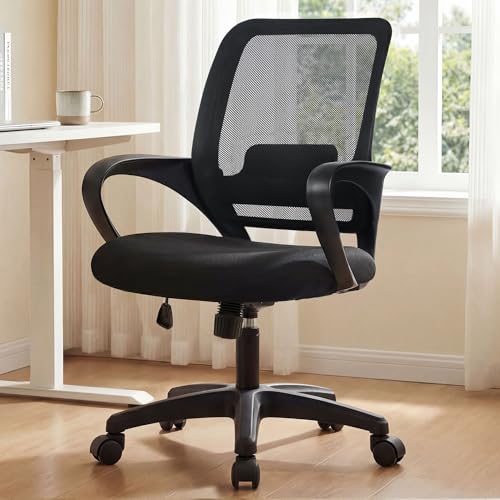
Armrests are almost always the first casualty. Instead of height and width adjustable arms, most chairs in this range use fixed or simple flip up arms that can loosen with repeated use. Lumbar support is often built into the shape of the backrest rather than offered as a separate adjustable pad, which means it works well for some body types and poorly for others. Padding also tends to be thinner and made from lower density foam, so it compresses faster than the foam used in higher priced ergonomic office chairs.
What You Can Still Expect
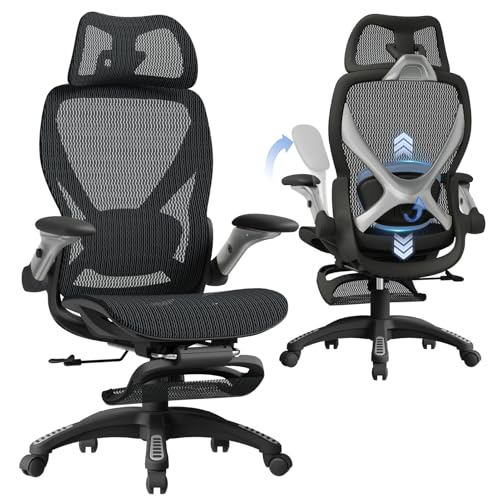
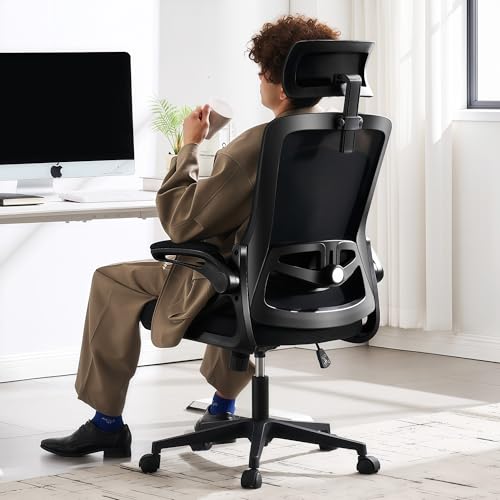
Despite those compromises, a well chosen chair in this range can still offer height adjustment, a swivel base, tilt tension control, and a mesh or fabric back that breathes reasonably well. Look for a chair that gets these basics right rather than one loaded with extra features but weak in the fundamentals, since a wobbly tilt mechanism or a seat that sinks under normal weight causes more daily frustration than a missing headrest ever will. If deeper recline range matters enough to shop above this budget, reclining office chairs add recline angles and footrests that most sub $100 models skip entirely.
Minimum Lumbar and Ergonomic Support to Look For
You do not need a fully adjustable, multi point lumbar system to sit comfortably, but you do need something more than a flat backrest. A contoured backrest that curves inward at your lower back does most of the work even without a separate adjustable pad, and it is the single feature worth prioritizing over cup holders, headrests, or extra recline range.
Signs a Chair Has Real Support, Not Just a Marketing Claim
Product listings often use the words ergonomic and lumbar support loosely, so check the actual shape of the backrest in photos rather than trusting the label alone. A chair that curves at the small of your back, sits at a reasonable seat height range, and lets you adjust tilt tension is doing more for your posture than one with a fixed recline and a flat pad glued on for show. If you already deal with lower back discomfort, pairing the chair with a small lumbar cushion is a cheap way to add support a budget frame does not build in.
Materials and Weight Capacity: What Holds Up in This Price Range
Material choice affects both comfort and how long office chairs under $100 actually last. Mesh backs breathe better and resist sagging longer than lower grade fabric, which tends to flatten and can start pilling within the first year of daily use. Fabric chairs are not automatically worse, but the padding underneath matters more than the fabric itself, since thin foam over a fabric seat compresses faster than the same foam under mesh. Chairs built for other use cases, like gaming chairs, often use similar mesh and foam construction but prioritize different support angles, so the same material lessons carry over even if you end up shopping in a different category.
Weight Capacity Is a Durability Signal, Not Just a Number
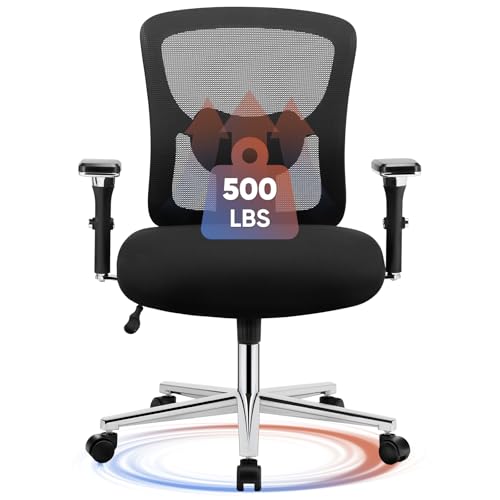
Most chairs in this range are rated between 250 and 300 pounds. Choosing a chair rated comfortably above your own body weight matters even if you are well under the limit, since a frame working near its rated capacity every day wears out faster than one with room to spare. Watch for the same handful of failure points across nearly every budget chair: armrests that loosen or crack, a gas lift that slowly sinks over months of use, and casters that start wobbling on hard floors. None of these are guaranteed to happen, but they are worth checking for in recent reviews before you buy.
Assembly and Warranty: What to Expect Before It Arrives
Most office chairs under $100 ship unassembled and take around fifteen to thirty minutes to put together with basic tools included in the box. The seat, back, and armrests usually attach with a handful of bolts, while the base and casters snap together without tools. Reading a handful of recent reviews before buying gives you a realistic sense of whether the instructions are clear or whether missing hardware is a recurring complaint for that specific chair.
What Warranty Coverage Actually Looks Like
Warranty length is a reasonable proxy for how confident a manufacturer is in its own product. Chairs under $100 commonly come with coverage ranging from one to a few years, and that coverage typically excludes normal wear items like foam compression, fabric fading, or caster wear. A short warranty is not automatically a dealbreaker, but pairing a short warranty with a low weight capacity and thin padding is a combination worth avoiding if you plan to use the chair daily for years rather than occasionally.
Frequently Asked Questions
Are office chairs under $100 worth it?
For most people using a chair for a standard workday, yes. A well chosen office chair under $100 with real lumbar shape, decent tilt control, and a supportive mesh or fabric back holds up fine for years of regular use. If you sit more than eight or nine hours a day or weigh well above the chair's rated capacity, moving up in price gets you a wider margin for comfort and durability.
What should I look for first in a budget office chair?
Start with the backrest shape rather than the feature list. A contoured lower back curve matters more than a headrest, cup holder, or extra recline range, since poor lumbar support is what causes discomfort during a normal workday.
Do budget office chairs have real lumbar support?
Some do, though it is usually built into the backrest's curve rather than offered as a separate adjustable pad. Check product photos for a visible inward curve at the lower back rather than relying on the word ergonomic in the listing title alone.
How long do office chairs under $100 typically last?
Expect one to three years of daily use from a well reviewed chair in this range, with armrests, gas lifts, and casters as the most common points of early wear. Chairs used occasionally rather than daily often last longer.
What weight capacity can I expect at this price?
Most chairs in this range are rated between 250 and 300 pounds. Choosing a chair rated comfortably above your own weight helps the frame and gas lift last longer under daily use.
Is mesh or fabric better for a budget office chair?
Mesh generally breathes better and resists sagging longer, while fabric can feel warmer and slightly more cushioned. The padding underneath matters as much as the surface material, so thin foam wears out at a similar rate under either fabric.
How long does assembly take?
Most budget chairs take fifteen to thirty minutes to assemble with the tools included in the box. Reading recent reviews ahead of time helps you spot chairs with a history of missing hardware or unclear instructions.
Setting Realistic Expectations Before You Buy
An office chair under $100 will not match the adjustability or longevity of a premium ergonomic model, and it does not need to in order to serve you well. What matters is matching the chair's real strengths, a supportive backrest shape, decent materials, and a weight capacity with room to spare, to how you actually plan to use it. Get those fundamentals right and a budget chair can comfortably carry you through years of regular workdays.