13 Best Neck Knives for 2026

A full-size fixed blade isn't always practical to carry, but going without any cutting tool at all leaves you without a genuinely useful piece of everyday gear. A good neck knife splits the difference, small and light enough to wear discreetly under a shirt yet sharp and sturdy enough for real utility and backup self-defense use.
Here's what actually separates a genuinely well-made neck knife from a flimsy novelty, followed by three standout picks and a full lineup of other strong options to compare.



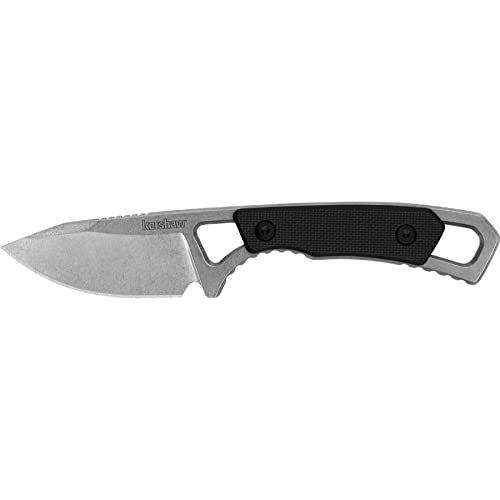
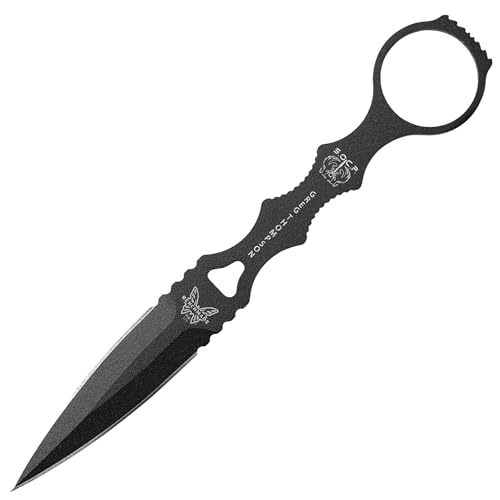
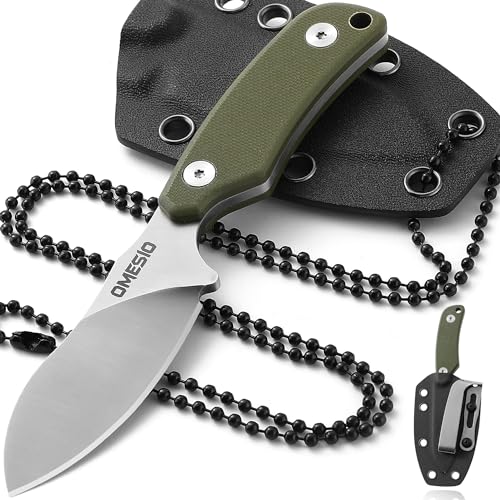
What to Look for in a Neck Knife
Blade steel determines both edge retention and how easy the knife is to maintain. High carbon steels like 1095 hold a sharp edge well and are easy to resharpen in the field, while stainless steel blends resist rust better, which matters for a knife worn against the skin and exposed to sweat.
Full tang construction means the steel extends the entire length of the handle in one solid piece, rather than being a separate blade attached to a handle. This makes a real difference in strength, since a full tang knife can handle harder use without the blade loosening or breaking at the handle.
Blade length and shape should match how you'll actually use it. Most neck knives run 2 to 3 inches, small enough for comfortable, concealed carry, and blade shapes range from drop point for general utility to tanto or spear point styles favored for piercing and self-defense scenarios.
Sheath quality is easy to overlook but genuinely important for a knife worn on a cord around your neck all day. A well-fitted kydex or molded thermoplastic sheath holds the blade securely with an audible click and allows for quick, one-handed retrieval.
Weight and comfort matter more for a neck knife than almost any other knife style, since you're wearing it against your body for extended periods. Look for something under a few ounces that won't feel like a burden by the end of the day.
Handle grip affects control, especially since neck knives are often drawn quickly in a specific grip style. Textured or cord-wrapped handles provide better traction than smooth handles, which matters if your hands are ever wet or cold.
Intended use should guide your choice as much as any spec sheet. A knife meant primarily as a backup EDC or utility tool can prioritize a comfortable, versatile blade shape, while one carried specifically for outdoor survival situations benefits more from a robust tip suited to harder tasks like batoning small kindling.
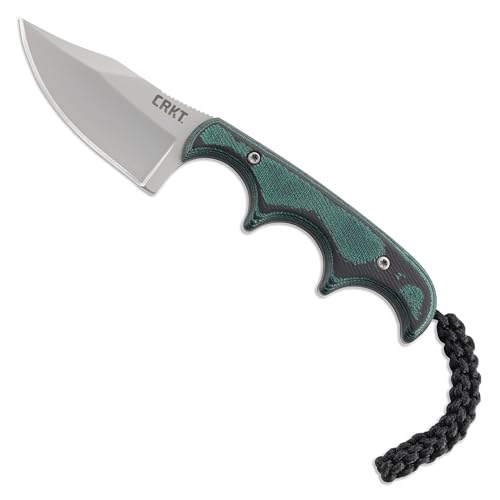
Best Overall: CRKT Minimalist Bowie
With one of the highest ratings of any neck knife in this category, CRKT's Minimalist Bowie earns its reputation through smart, practical design. The high carbon stainless steel blade sharpens easily, and the bead-blasted finish cuts down on reflective glare, a genuinely thoughtful detail for a knife meant to stay discreet.
- Blade steel: High carbon stainless steel
- Finish: Bead blast, low-reflectivity
- Best for: Everyday carry with a good balance of price and quality
Pros:
- High carbon steel takes and holds an edge well
- Resin-infused fiber handle balances strength with grip
- Durable thermoplastic sheath includes mounting options
Cons:
- Bowie-style blade is less ideal for pure piercing tasks
- Stainless blend needs occasional maintenance to prevent staining
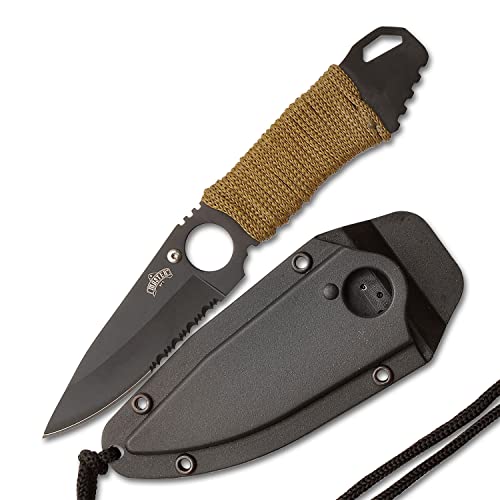
Best Budget: MASTER USA Fixed Blade Neck Knife
With nearly 8,000 reviews at a genuinely low price, this full tang knife proves budget doesn't have to mean flimsy. A half-serrated drop point blade switches easily between precision cuts and sawing through rope or webbing, and the neon green cordage handle doubles as emergency lashing material if you ever need it.
- Construction: Full tang, single-piece 3Cr13 stainless steel
- Weight: 0.80 lbs
- Best for: Budget-conscious buyers who still want full tang durability
Pros:
- Full tang construction at a genuinely budget-friendly price
- Half-serrated edge adds versatility for cutting rope or webbing
- High-visibility handle cord doubles as emergency lashing
Cons:
- Basic stainless steel doesn't hold an edge as long as premium blade steels
- Bright green handle isn't ideal if true discretion is the priority
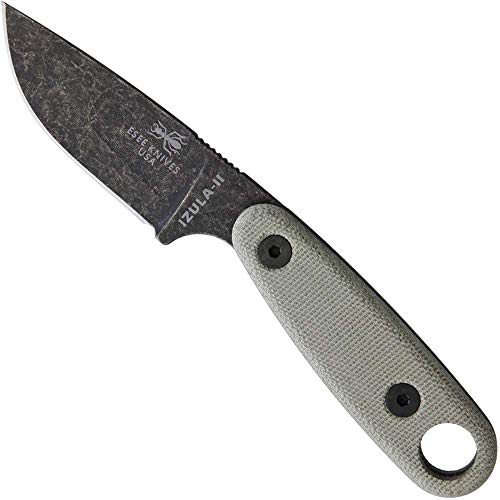
Best Premium: ESEE Izula-II Fixed Blade Knife
With the highest rating in this entire lineup, ESEE's reputation for genuinely tough, no-nonsense knives shows in every detail here. The 1095 high carbon steel, hardened to 55-57 Rockwell, delivers excellent edge retention, and at just 3.2 ounces without the sheath, it disappears comfortably around the neck all day.
- Blade steel: 1095 high carbon, 55-57 Rc hardness
- Weight: 3.2 oz without sheath
- Best for: Buyers who want premium steel and proven field reliability
Pros:
- Premium 1095 high carbon steel holds an excellent edge
- Exceptionally lightweight for genuinely all-day comfortable wear
- Molded sheath with clip plate offers flexible carry options
Cons:
- Higher price than most other neck knives in this category
- High carbon steel requires more diligent rust prevention than stainless
High Carbon vs. Stainless Steel: Which Is Right for a Neck Knife?
High carbon steel, like the 1095 found on premium models, sharpens to an exceptionally keen edge and holds it longer under hard use, making it the preferred choice among experienced knife users who don't mind a bit of extra maintenance.
Stainless steel resists rust and staining far better, which is a genuine advantage for a knife worn close to the skin and exposed to sweat and humidity daily. The tradeoff is typically a slightly softer edge that needs more frequent touch-ups.
For most everyday carry situations, a quality stainless blend offers the best balance of low maintenance and solid performance, while high carbon steel is worth the extra care for anyone who prioritizes edge performance above all else.
A light coating of oil after use, whether the blade is stainless or carbon steel, extends the life of either material considerably, since sweat and humidity are the main culprits behind rust on a knife worn close to the body every day.
Frequently Asked Questions
Is it legal to carry a neck knife?
Fixed blade knife laws vary significantly by state and even by city, so it's essential to check your local regulations before carrying one, especially concealed under clothing. Blade length restrictions are common, and some jurisdictions treat fixed blades differently than folding knives.
How do I keep a neck knife comfortable for all-day wear?
Choosing a lightweight model, ideally under 4 ounces, makes the biggest difference, along with a sheath that sits flat against the body rather than digging in. Adjusting the cord length so the knife rides at a comfortable spot on the chest, rather than bouncing around, also helps significantly.
What's the difference between a neck knife and a regular EDC knife?
A neck knife is specifically designed to be worn on a cord around the neck for discreet, always-on-body carry, typically as a fixed blade for reliability. A regular EDC knife, often a folder carried in a pocket, prioritizes different things like one-handed opening and pocket-friendly size rather than neck-wearable comfort.
Conclusion
The CRKT Minimalist Bowie is the best overall pick for most people, combining a sharp, easy-to-maintain blade with a genuinely comfortable, low-profile design. If you're on a budget, the MASTER USA proves full tang durability doesn't have to be expensive. And for buyers who want premium steel and field-proven reliability, the ESEE Izula-II is worth the higher price. Whichever you choose, a good neck knife is a small piece of gear that earns its place through genuine everyday usefulness.