
Best Nail Clippers: A Guide for Fingernails and Toenails
Disclosure: We may earn a commission when you buy through links on this page, at no extra cost to you. As an Amazon Associate I earn from qualifying purchases. Learn more

If a search for nail care tools led you here, it's worth clarifying up front: this guide covers clippers for human fingernails and toenails, not pet grooming tools. A drawer full of dull, cheap clippers is a common frustration, whether they crush a toenail instead of slicing through it or slip off a fingernail mid-cut. Finding the best nail clippers for your hands and feet comes down to a handful of practical factors, not brand hype. In this guide, you'll learn the different clipper styles on the market, what actually makes a blade cut cleanly, why fingernails and toenails often need separate tools, and how to choose well if thick nails or a weaker grip make standard clippers frustrating to use.
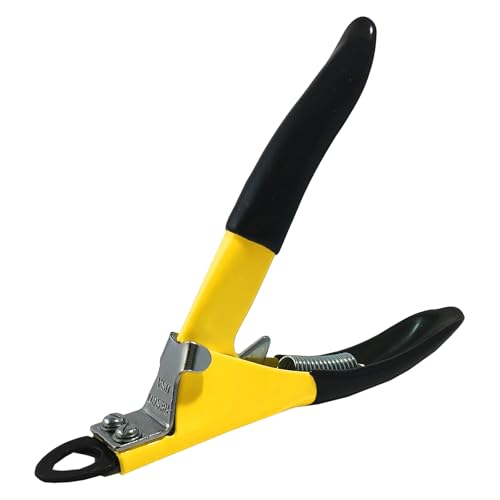
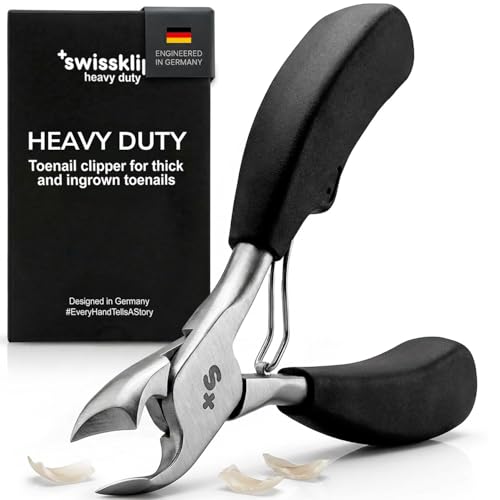

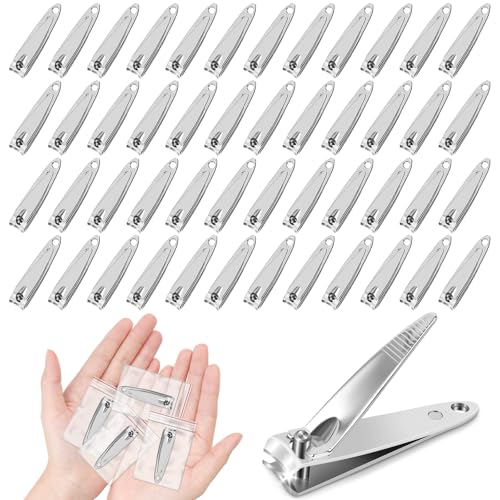

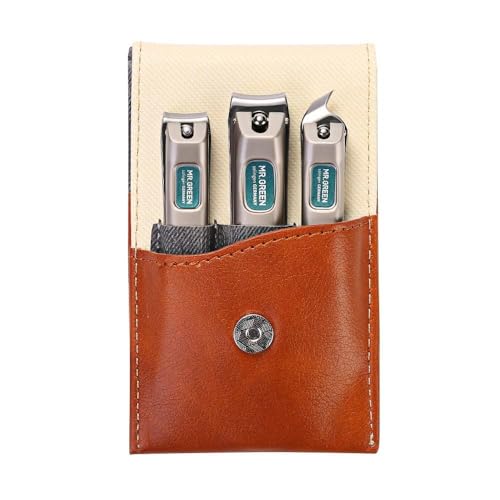
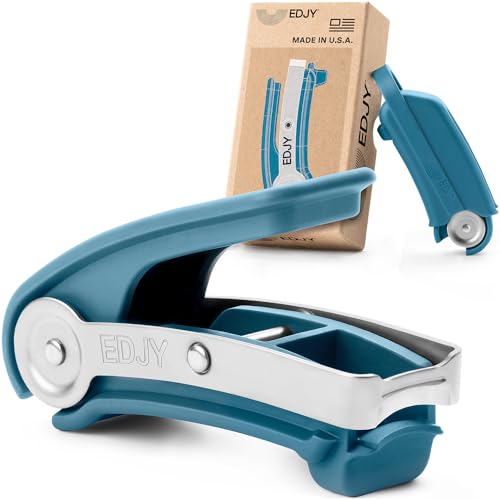
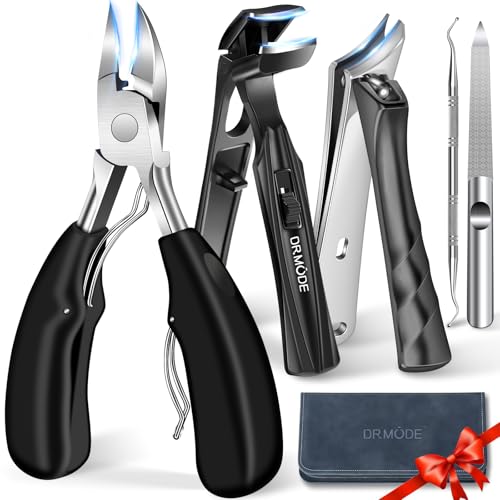

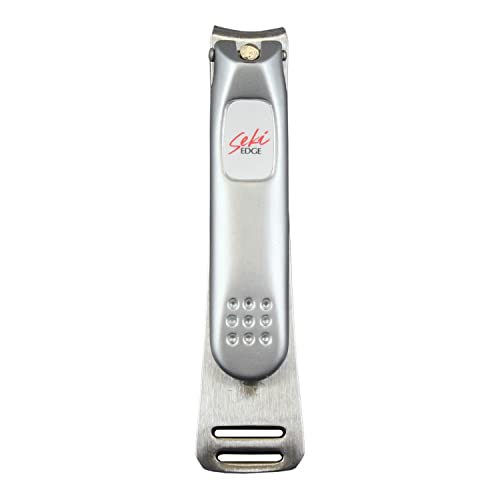
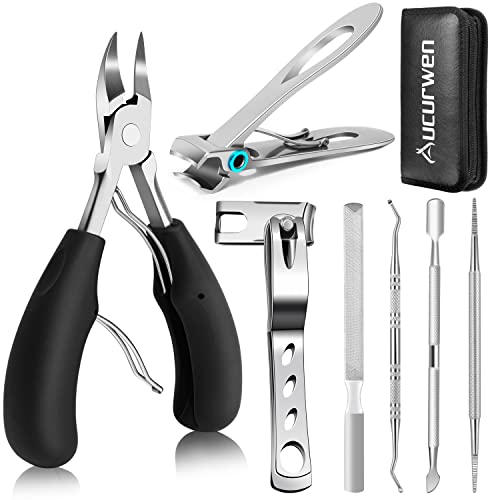
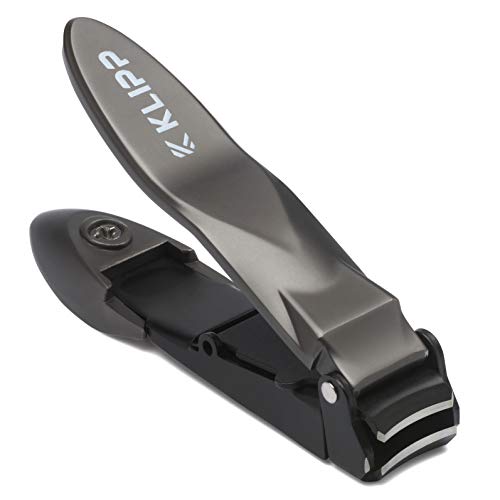

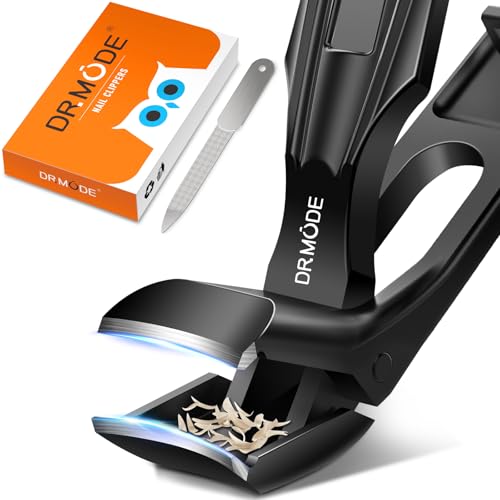
Lever, Guillotine, or Plier: The Nail Clipper Styles You'll Come Across
Nail clippers aren't a single design. Walk through any drugstore aisle and you'll find at least three distinct mechanisms, and each one handles nails a little differently. Knowing what separates them is the first step toward picking the best nail clippers for how you actually use them.
Lever (Compound Lever) Clippers
This is the shape most people picture: a small metal body with a hinged lever on top that presses the cutting jaws together when you squeeze. Lever clippers are compact, easy to carry, and work well for everyday fingernail trimming. Because the lever multiplies the force from your fingers, they can handle moderately tough nails without much effort.
Guillotine Clippers
Guillotine-style clippers have a small hole where you insert the nail, then a blade slides down to cut it in one motion. They're simple and inexpensive, but the single-pass cut gives you less control over angle and shape, and they can crack or split a nail that's thicker or already brittle.
Plier and Scissor Styles
Plier-style nippers work like a pair of pliers, with two handles that bring the blades together in a scissor-like motion. Scissor clippers use a similar hinge but with finger loops instead of squeeze handles. Both give more precise, controlled cuts than a guillotine, which is why they're often recommended for thick or brittle nails where a clean edge matters.
What Actually Makes a Nail Clipper Cut Cleanly
Once you know the basic styles, the next question is what separates a clipper that glides through a nail from one that pinches, tears, or leaves a jagged edge.
Blade Material and Sharpness
Stainless steel blades hold an edge longer and resist rust better than cheaper metal alloys, which matters since clippers live in humid bathroom drawers. A dull blade doesn't cut so much as crush, and that crushing is what causes nails to split, peel, or feel rough right after trimming. If a clipper starts requiring extra force to close, that's usually the blade telling you it's lost its edge rather than a sign to press harder. Blade quality like this is really what separates the best nail clippers from ones you'll toss in a drawer after two uses.
Curved vs Straight Cutting Edge
Clippers with a gently curved blade follow the natural arc of a fingernail, which is why most fingernail clippers are shaped this way. A flatter, straighter edge is generally better for toenails, since cutting toenails straight across (rather than rounding the corners) helps prevent ingrown nails. This single detail explains why a clipper that feels great on your hands can feel wrong on your feet.
Why Your Fingernail and Toenail Clippers Shouldn't Be the Same Tool
It's tempting to use one clipper for everything, but fingernails and toenails aren't really the same job. Fingernail clippers are built small and curved, since fingernails are thinner and grow in a rounded shape. Toenails, especially on the big toe, are thicker, flatter, and need a wider jaw opening to get a clean, straight cut in one pass instead of several nibbling attempts. Using an undersized fingernail clipper on a toenail often means repeated partial cuts that leave jagged edges and sharp corners, a common setup for an ingrown nail. If you're only going to own one pair, prioritize whichever job you do more often, but a dedicated toenail clipper with a larger, flatter jaw is worth adding once you notice your fingernail clipper struggling on your feet. A lot of people who think they already own the best nail clippers are simply using the wrong size tool for the job.
Nail Clippers for Thick Nails, Arthritis, or Limited Grip Strength
Standard clippers assume average nail thickness and a firm, steady grip, and that assumption doesn't hold for everyone. Thick toenails, which become more common with age or after fungal nail issues, need a wider jaw opening and sturdy leverage to cut through without repeated squeezing. Look for clippers with a noticeably wider gap between the jaws and a plier or scissor mechanism, since the longer handles provide more cutting force with less hand effort than a compact lever clipper. For this use case, the best nail clippers are usually the plier-style ones built specifically for thick nails, not a standard drugstore pair.
For anyone dealing with arthritis, tremors, or reduced grip strength, handle design matters as much as the blade. Wider, textured, non-slip handles are easier to hold steady than small metal levers, and spring-loaded designs that reopen automatically reduce how much repetitive squeezing your hand has to do. If cutting your own nails safely feels difficult, it's also reasonable to ask a caregiver, family member, or podiatrist for help rather than forcing an underpowered tool to do a job it isn't suited for.
Frequently Asked Questions
What's the difference between fingernail clippers and toenail clippers?
Fingernail clippers are smaller with a curved blade that follows the natural shape of a fingernail. Toenail clippers are larger, flatter, and have a wider jaw opening to handle thicker nails and allow a straight cut. That's why the best nail clippers for your feet often look different from the ones sitting in your bathroom cabinet for your hands.
Are straight edge or curved edge nail clippers better?
It depends on what you're cutting. Curved edges suit fingernails, while a straighter edge works better for toenails, since cutting toenails straight across helps avoid ingrown nails.
What should I look for in nail clippers for thick toenails?
Prioritize a wide jaw opening, a sturdy stainless steel blade, and a plier or scissor-style mechanism that gives more leverage than a small lever clipper. These features let you cut through a thick nail in one clean pass instead of several partial nibbles.
What's the best nail clipper option for arthritis or a weak grip?
Look for wider, textured handles that are easier to hold than small metal levers, along with a spring-loaded design that reopens on its own so you're not fighting the tool between cuts.
How often should you replace nail clippers?
Most clippers stay sharp for roughly six months to a couple of years with regular use, though this varies with blade quality and how often they're used. If cuts start feeling jagged or require extra force, it's time for a new pair rather than pushing a dull blade further.
Is it safe to share nail clippers with other people?
It's generally better not to, especially if anyone has a nail infection, fungus, or open skin near the nail. Clippers can carry bacteria and fungal spores between uses, so keeping a personal pair and cleaning it after each use is the safer habit.
What's the right way to cut nails to avoid ingrown nails?
Cut toenails straight across rather than rounding the corners, and avoid cutting them too short. Fingernails can be trimmed with a slight curve, but the same rule about not cutting too close to the skin still applies.
Finding the Right Fit for Your Routine
There's no single pair of clippers that's right for every hand, every nail thickness, or every grip strength. The most useful approach is to match the tool to the job: a compact lever clipper for routine fingernail trims, and a wider, sturdier clipper for toenails or thicker nails. In the end, the best nail clippers for your routine come down to matching blade sharpness and handle comfort to how you actually use them, not the fanciest option on the shelf.