
Best Multitool Sheath: How to Choose the Right One
Disclosure: We may earn a commission when you buy through links on this page, at no extra cost to you. As an Amazon Associate I earn from qualifying purchases. Learn more

Your multitool is only as reliable as the way you carry it. Toss it loose in a pocket and it collects lint, wears through fabric, and takes twice as long to find when you actually need it. A dedicated sheath solves all three problems, but only if you pick the right one. Finding the best multitool sheath for your setup means matching material, fit, and carry style to how you actually use your tool, not just grabbing whatever looks rugged in a product photo. This guide walks through what actually matters, from retention to belt attachment, so you can choose a sheath that keeps your multitool secure, protected, and within reach.
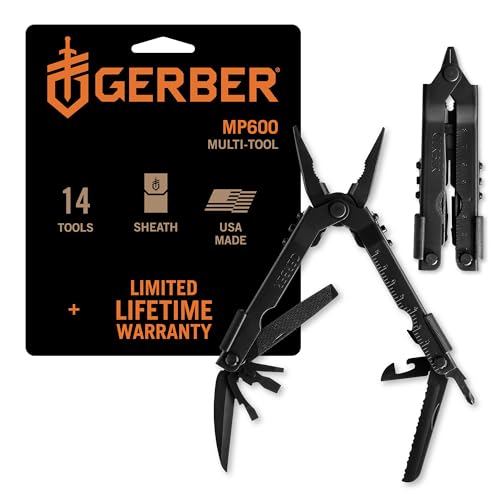
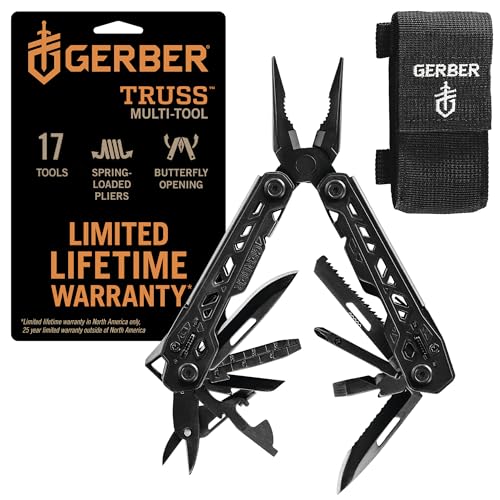
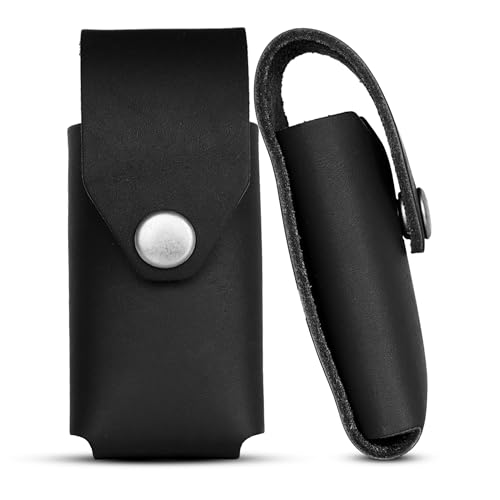
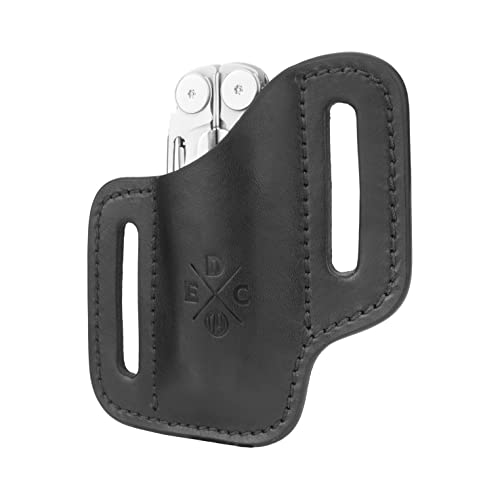
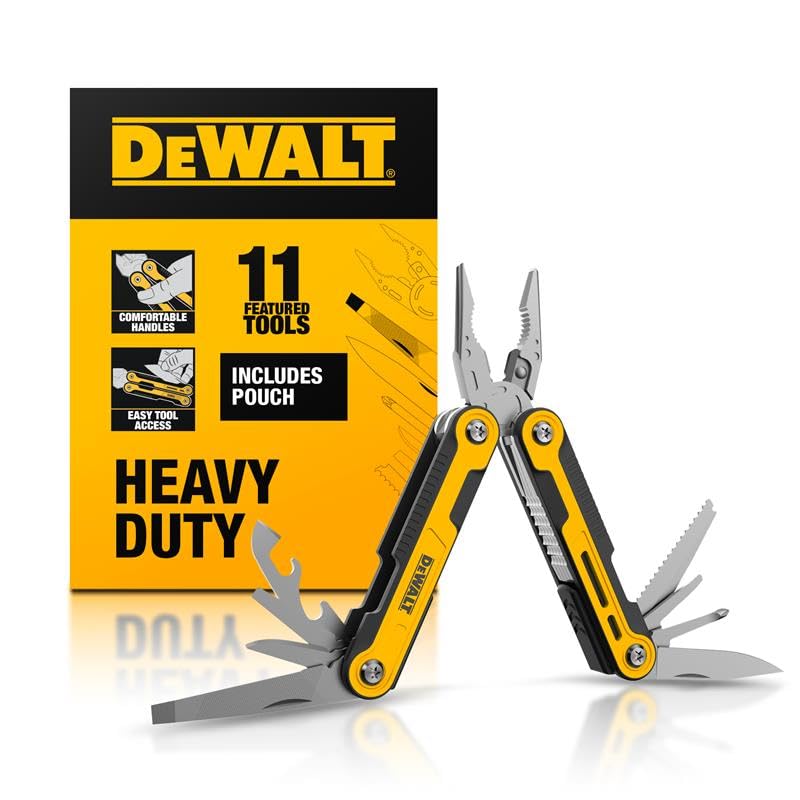
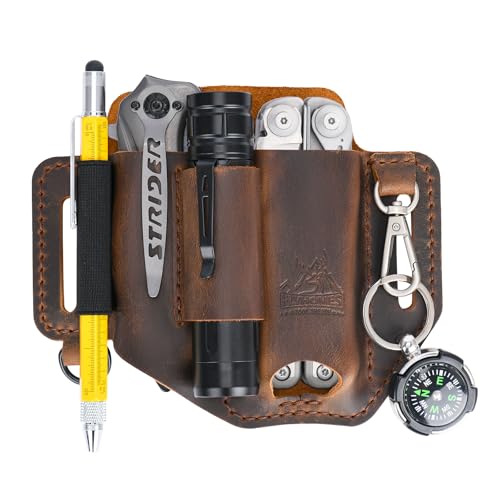
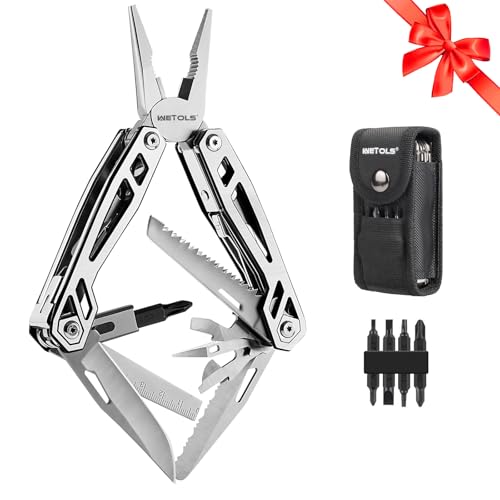
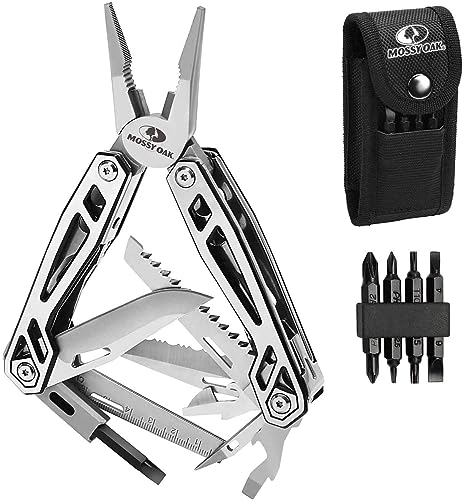
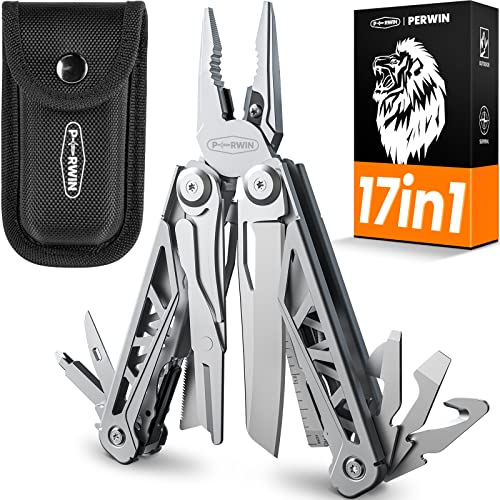

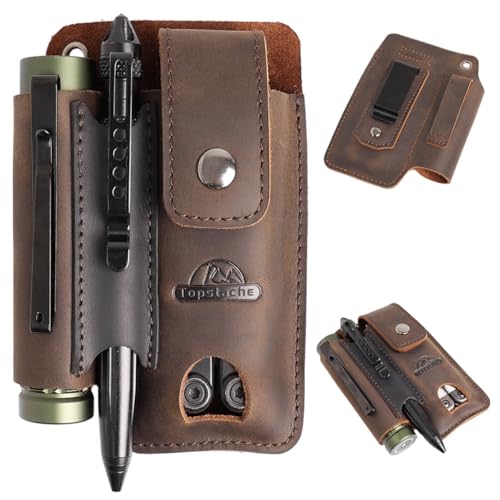
What Actually Matters When Choosing a Multitool Sheath
Picking the right sheath comes down to three practical things: fit, retention, and belt compatibility. Get those right and everything else, material, color, extra pockets, is just a matter of preference.
Fit and Tool Compatibility
Not every multitool fits into every sheath. Full-size tools need noticeably more room than a slim keychain multitool, and a sheath cut for one shape will not securely hold another. Before buying, check the listed dimensions or compatible models against your own tool rather than assuming a "one size fits most" claim. A sheath that is too loose lets the tool rattle and shift with every step, while one that is too tight makes it awkward to draw with one hand.
Retention: What Keeps the Tool From Falling Out
Retention is the mechanism that actually keeps your multitool in the sheath when you bend over, climb, or move quickly. Common options include a friction fit built into the material itself, a snap closure over the top, or a magnetic clasp. Friction fit is fast to draw from but depends on a tight, well-molded shape. Snap and magnetic closures add a second layer of security, which matters more if you climb, crawl, or work at odd angles during the day.
Belt Loop Width and Attachment Style
Check the belt loop or clip before you buy, not after. A narrow loop built for a casual belt will not slide onto a wider duty or work belt, and an oversized loop can feel bulky on a thin everyday belt. Some sheaths use a fixed loop, others use a rotating clip or paddle attachment that lets you angle the tool for a faster draw. If you plan to carry on a backpack strap or load-bearing vest instead of a belt, look specifically for MOLLE-compatible attachment.
Kydex, Leather, or Nylon: Picking the Right Material
Material is the single biggest factor separating one multitool sheath from another, and each option makes a real tradeoff between protection, comfort, and upkeep.
Kydex
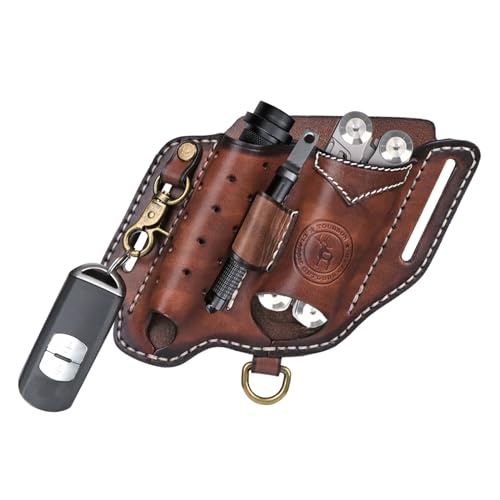
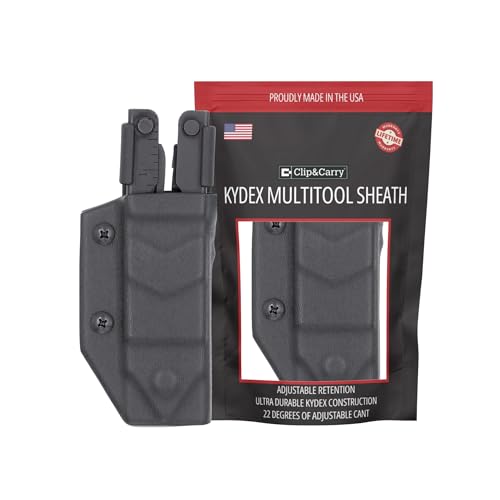
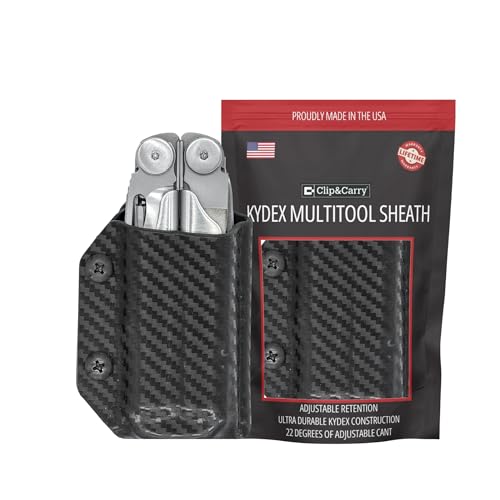
A kydex multitool sheath is molded hard plastic that holds its shape permanently, which makes for a precise, snug fit and a fast, consistent draw. It shrugs off rain, mud, and dirt better than fabric or hide, and it will not stretch or sag over time. The tradeoffs are noise, kydex can click or rattle against other gear, and it is more prone to cracking than bending if it takes a hard impact.
Leather
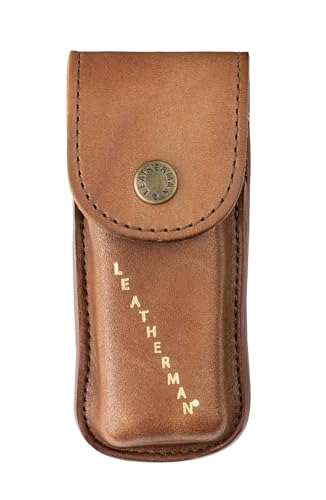
A leather multitool sheath ages instead of just wearing out. It develops a patina from body oil and daily use, stays quiet against other gear, and feels comfortable pressed against your side all day. The downside shows up in wet or humid climates: leather absorbs moisture, can loosen out of shape, and needs occasional conditioning to avoid cracking or mildew.
Nylon
A nylon multitool sheath is usually the lightest and most affordable option, and most versions dry quickly after getting wet. It typically relies on stitched seams and a hook-and-loop or snap closure rather than a molded fit, which means the fit is looser than kydex or leather. Over years of daily use, stitching and webbing are usually the first points to fray or wear through.
Matching Carry Style to How You Actually Work
Vertical vs Horizontal Carry
Vertical carry rides the tool up and down along your belt line, keeping the profile narrow and out of the way when you sit or bend. Horizontal carry positions the tool across your waistline instead, which many people find faster to draw one-handed and easier to reach while seated in a vehicle. If you spend most of the day standing and moving, vertical tends to stay out of the way better. If you are in and out of a truck or seated at a desk, horizontal is usually more comfortable.
MOLLE and Backpack Attachment
If your multitool travels on a backpack, tool bag, or tactical vest rather than a belt, look for a sheath built with MOLLE-compatible webbing or a hook-and-loop backing instead of a simple belt loop. This lets you reposition the tool as your load changes and keeps it accessible without digging through a bag. A sheath with only a fixed belt loop will not attach securely to MOLLE webbing, so check the attachment type before buying if this matters to you.
Mistakes That Leave Your Multitool Loose or Unprotected
The most common mistake when shopping for the best multitool sheath is picking one based on looks alone, without checking it against your tool's actual dimensions, which leads to a loose fit that lets the tool shift or fall out. A close second is choosing leather for a wet or humid climate and then leaving it damp after use, which speeds up mildew and stretching. People also underestimate belt width, ending up with a loop that is too tight to slide onto a work belt or too loose to sit securely on a thin one. Finally, skipping retention entirely and relying on a snug pocket alone is a fast way to lose a multitool during physical work.
Frequently Asked Questions
Can I use any sheath with any multitool, or does it have to match my exact model?
Some sheaths are cut for one specific multitool model, while others are built with enough room to fit several similarly sized tools. Always check the listed compatible dimensions or model list before buying, since a mismatched sheath will either be too loose or will not close properly.
Is kydex or leather better for a multitool sheath?
Neither is universally better; they serve different priorities. Kydex holds a precise molded shape and handles rain and mud better, while leather is quieter, more comfortable against your body, and develops a patina over time. Choose kydex for wet or rugged conditions and leather for everyday comfort in a drier climate.
Should I carry my multitool sheath horizontally or vertically?
It depends on your daily movement. Vertical carry keeps a narrower profile and stays out of the way when you are standing or bending, while horizontal carry is often easier to draw one-handed and more comfortable when you are seated for long stretches, like driving.
What belt width do multitool sheaths typically fit?
Most multitool sheaths are built for belts between 1.5 and 2.25 inches wide, but this varies by brand and style. Check the specific belt loop measurement listed for the sheath, especially if you wear a wider duty or tactical belt.
Will a multitool sheath keep my tool protected from rain and dirt?
A kydex or heavier nylon sheath with a closed design will keep out most rain and dirt, while an open-top leather sheath offers less protection from the elements. If you work outdoors regularly, prioritize a closed, weather-resistant design over an open-pouch style.
Can I attach a multitool sheath to MOLLE gear or a backpack strap?
Yes, as long as the sheath is built with MOLLE-compatible webbing or straps rather than only a fixed belt loop. Check the attachment style before buying if you plan to carry on a bag, vest, or backpack strap instead of a belt.
What's the difference between a sheath and a holster for a multitool?
The terms are often used interchangeably, but a holster typically refers to a rigid, molded case, usually kydex, built for a fast one-handed draw, while a sheath more often describes a softer pouch made from leather or nylon. Function matters more than the label, so compare fit and retention rather than which word is used.
Making Your Decision
There is no single best multitool sheath that works for everyone, only the one that matches your tool's dimensions, your climate, and how you carry gear day to day. Start with fit and retention, since those two factors determine whether the sheath actually does its job. From there, let material and carry style follow your daily routine rather than the other way around.