
Best Kids Smartwatch With GPS: What Parents Should Know
Disclosure: We may earn a commission when you buy through links on this page, at no extra cost to you. As an Amazon Associate I earn from qualifying purchases. Learn more

What actually separates a reliable kids GPS smartwatch from one that falls short: cellular tracking, geofencing, privacy, battery life, and data plan costs explained.
Handing your child their first phone can feel like a big leap, especially if you're not ready for the internet, social media, and app stores that come with it. That's why so many parents start looking for the best kids smartwatch with gps instead. A good one lets your child call you, send an SOS, and gives you a real sense of where they are, without opening the door to everything a smartphone brings. Before you start comparing models, it helps to understand what actually separates a reliable kids GPS smartwatch from one that looks good in the box but falls short in daily use. This guide walks through the criteria that matter most, from tracking technology to battery life to privacy, so you know exactly what to look for.
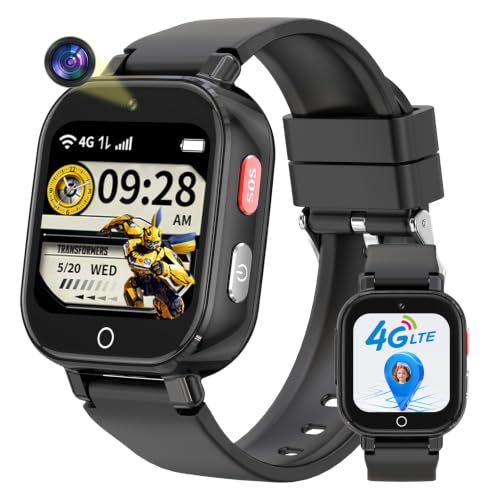
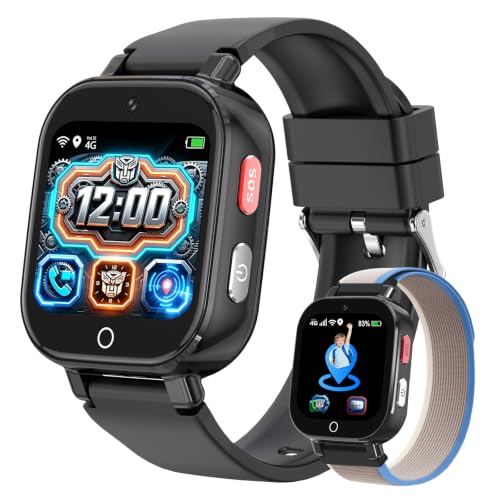
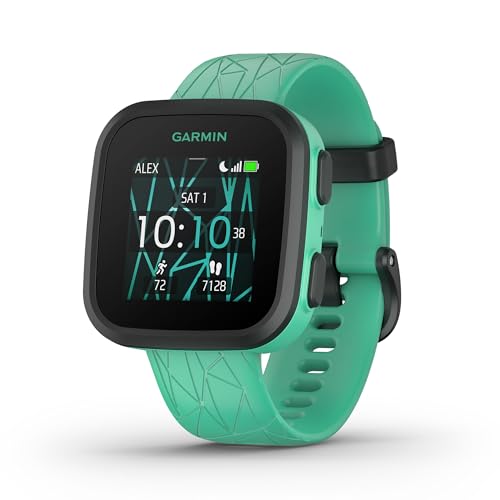
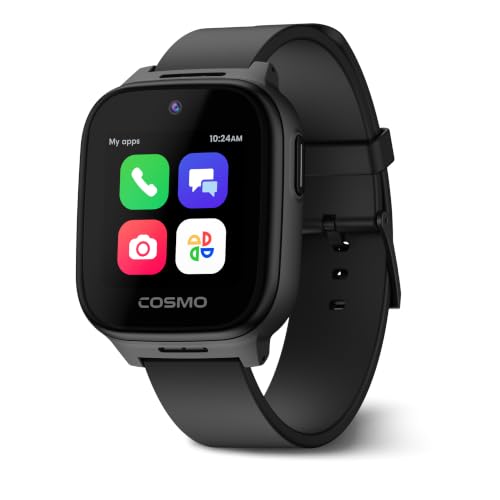


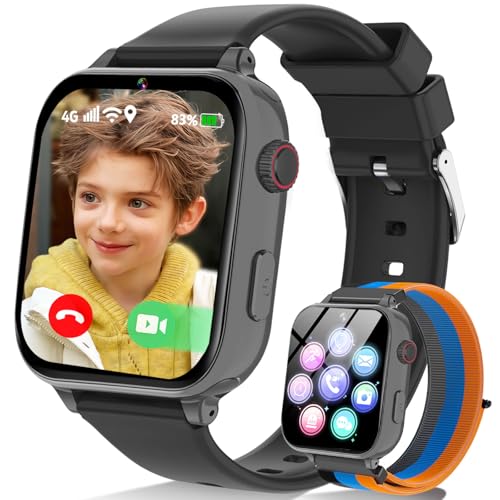
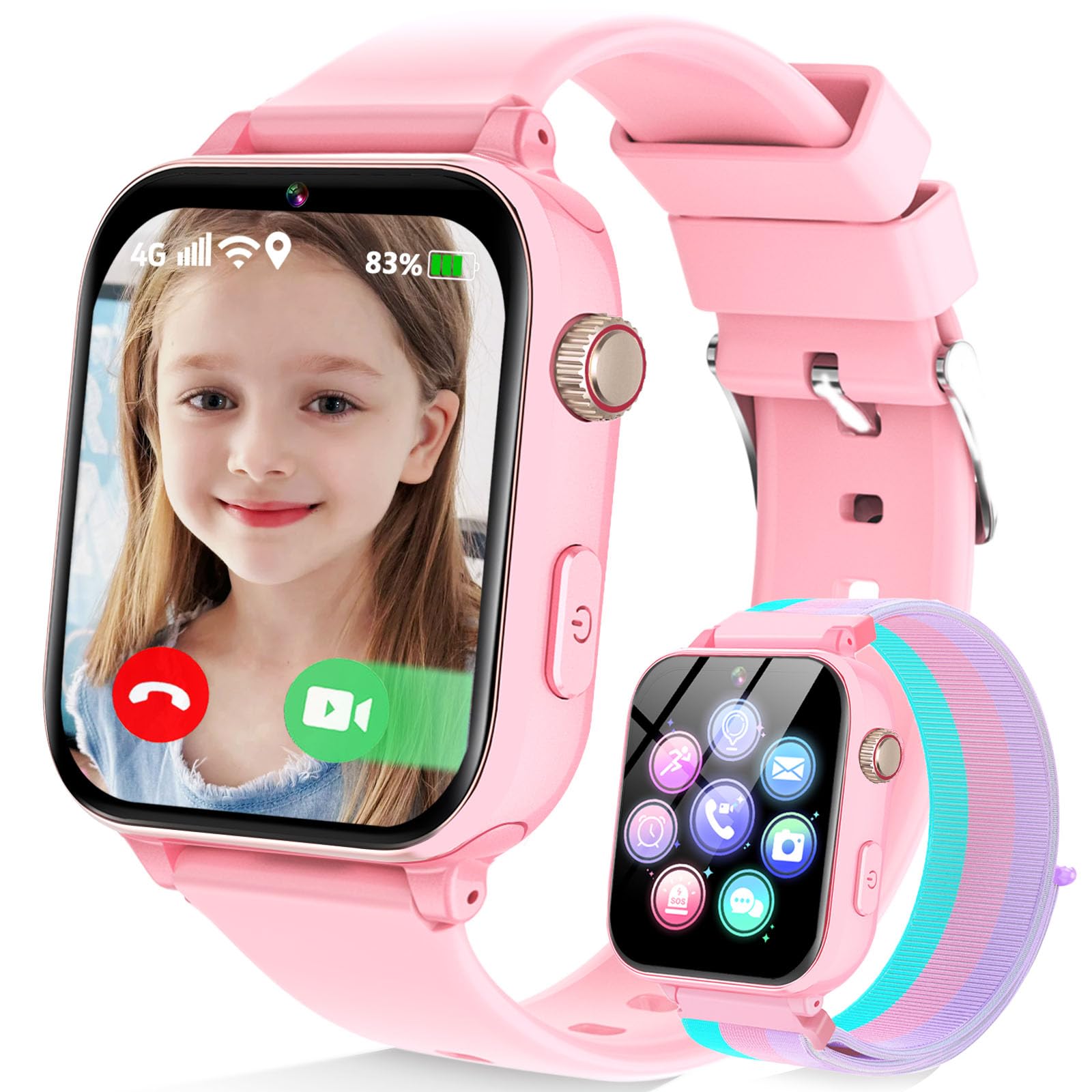
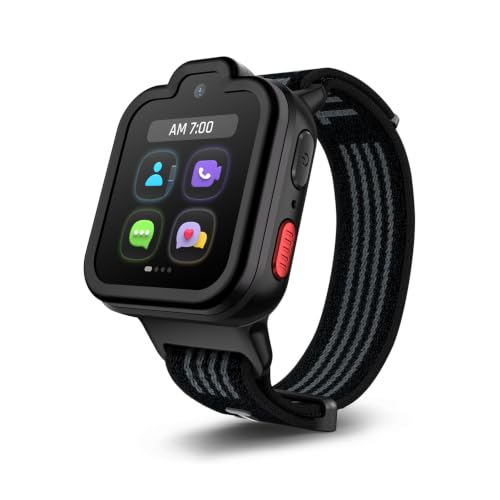

What Actually Matters When Choosing a GPS Smartwatch for Your Child
Not every "GPS watch" on the market actually offers real, wide-area location tracking. Some rely on short-range signals that only work near your home. Before you compare features like calling or activity tracking, get clear on how the watch actually finds your kid, and how it lets them reach you. These four factors are what separate the best kids smartwatch with gps from one that looks good in an ad but disappoints once your child is actually wearing it.
Cellular (LTE) vs. Bluetooth/Wi-Fi-Only Tracking
This is the single biggest distinction in this category. A cellular smartwatch for kids uses its own LTE connection to share location almost anywhere there's cell coverage, along with two-way calling, texting, and alerts that work whether your child is at school, at a friend's house, or on a bus. A Bluetooth or Wi-Fi-only watch, on the other hand, only works within range of a paired phone or home network. That's fine for tracking a backpack around the house, but it won't tell you where your child actually is once they leave that range. If independent, real-world tracking is the point, a cellular model is worth the extra cost and setup.
Geofencing and Safe Zone Alerts
A geofencing watch for kids lets you draw a virtual boundary around places like home or school and get an alert the moment your child arrives or leaves. This is one of the most useful safety features on any kids GPS smartwatch, because it means you don't have to keep checking the app all day. The same underlying geofencing technology shows up in other tracking devices too. It's built into products like GPS trackers designed for pets, just adapted here for a child's daily schedule instead of a dog's yard.
SOS Button and a Closed Contact List
Look for a dedicated SOS or panic button that dials or messages a preset list of trusted contacts the moment it's pressed. Just as important is how the watch handles everyday communication. The best setups only allow calls and texts to and from numbers you've approved, so your child isn't reachable by strangers and can't add new contacts on their own.
How a Watch Compares to a Basic Tracker or a First Phone
Think of a kids smartwatch as sitting between a simple tracker and a full smartphone. A basic tracker only shows location, with no calling. A smartphone gives your child internet access, an app store, and social media, which is exactly what most parents are trying to delay. A GPS watch fills the middle ground: real communication and location awareness, without the open access of a phone.
Keeping Your Child's Location Data Private and Secure
Location and communication data from a child's watch is sensitive by nature, and not every manufacturer handles it the same way. Independent testing has found real differences between brands in how carefully they protect this information, and in a few cases, serious security flaws that let outsiders view a child's location or contact them directly. This is a topic worth researching before you buy, not after.
What to Ask About Data Storage and Access
Before buying, check whether the company publishes a clear privacy policy explaining what data it collects, how long it's stored, and who can access it. The same questions you'd ask about a connected home security system, namely who sees your data and how it's protected, apply just as much to a device your child wears every day.
Red Flags That Signal Weak Privacy Practices
Be cautious of watches with vague or missing privacy documentation, apps that request far more access than they need, or companies with a history of unpatched security issues. A watch that's transparent about its data practices, and lets you delete stored location history, is generally a safer long-term choice.
Battery Life and Durability for Everyday Wear
A kids GPS smartwatch only works when it actually has power, and it needs to survive being worn by an active kid every single day. Two practical factors matter more here than almost any spec sheet number.
Real-World Battery Life vs. Standby Time
Manufacturer battery estimates are usually based on standby mode, not active use. Running GPS tracking, calling, and messaging all at once drains a battery much faster than sitting idle, and this is one of the most common complaints parents run into. Look for watches with battery estimates based on typical daily use, including several check-ins and some messaging, not just idle time on a shelf. If it can't comfortably last a school day with normal use, it's going to be a source of frustration.
Water Resistance and Build Quality for Active Kids
Kids don't treat watches gently. Look for a solid water resistance rating that can handle hand washing, rain, and the occasional splash at recess, plus a band and casing that can survive being knocked around on the playground. A watch that needs to come off for every activity defeats the purpose of wearing one in the first place.
What a Monthly Data Plan Actually Costs
One detail that catches a lot of parents off guard is that a true cellular GPS watch usually needs an active data plan to work, similar to a phone line. This is separate from the cost of the watch itself, and it's worth budgeting for before you commit to a particular type of device.
Cellular Plans vs. No Ongoing Cost
A cellular smartwatch for kids typically requires a monthly or annual data plan through a compatible carrier, which covers the calling, texting, and real-time location features. Bluetooth or Wi-Fi-only watches skip this cost entirely, but in exchange, they lose the ability to track your child outside a limited range. When comparing options, factor in that ongoing plan cost alongside the upfront price, since it's often the bigger expense over a year or two of use. Budgeting for that recurring cost upfront is part of finding the best kids smartwatch with gps that your family will actually stick with long term.
Frequently Asked Questions
What age is a GPS smartwatch appropriate for a kid?
Most kids GPS smartwatches are designed for children roughly ages 5 to 12, the stretch between needing full-time supervision and being ready for their own phone. The right age depends more on your child's maturity and your family's routine than on a fixed number.
What's the difference between a GPS watch and a Bluetooth tracker for kids?
A cellular GPS watch can share location and support calling almost anywhere there's cell coverage. A Bluetooth tracker only works within a short range of a paired phone or router, so it's better suited to finding something nearby than tracking a child throughout the day.
Do kids smartwatches need a data plan?
Cellular models do, typically through a monthly or annual plan with a compatible carrier. Bluetooth or Wi-Fi-only watches don't require a data plan, but they also can't provide real-time tracking once your child is out of range.
How accurate is GPS tracking on a kids smartwatch?
Accuracy varies by watch and by environment. Open outdoor areas typically give a precise location, while dense buildings, buses, or crowded areas can cause the shown location to lag or drift by a noticeable distance.
Are kids GPS smartwatches safe and private?
It depends heavily on the manufacturer's data practices. Look for a company with a clear privacy policy, a strong track record on security, and options to control or delete stored location data.
Can a kids smartwatch call 911 or emergency services?
Most kids smartwatches are built around a closed contact list of parent-approved numbers rather than open dialing to any number, including 911. Check a specific watch's emergency-calling capabilities directly, since this varies by device and carrier.
How long does the battery last on a kids GPS watch?
It depends on usage. Standby time can stretch for days, but active GPS tracking combined with calling and messaging typically brings that down to closer to a single school day, sometimes less.
Can kids access the internet or apps on a GPS smartwatch?
Watches built specifically for kids are generally closed systems, with no app store, open internet browsing, or social media access. That distraction-free design is one of the main reasons parents choose a watch over a full smartphone in the first place.
Making the Right Choice for Your Family
There's no single answer for every family, but the questions to ask stay the same. Decide whether your child needs real, wide-area tracking or just a short-range option, dig into how a company handles data privacy, and be honest about battery life and durability for how your kid actually spends their day. Weighing those factors, rather than chasing the flashiest feature list, is how you land on the best kids smartwatch with gps for your own household.