
Best Hanging Wine Glass Rack: A Complete Buying Guide
Disclosure: We may earn a commission when you buy through links on this page, at no extra cost to you. As an Amazon Associate I earn from qualifying purchases. Learn more

If your stemware collection lives in a precarious stack at the back of a cabinet, or your countertop is permanently cluttered with glasses that never quite fit anywhere, a hanging rack solves a specific problem: it gets glasses off flat surfaces and into unused space under a cabinet or shelf. Finding the best hanging wine glass rack for your kitchen comes down to three things that have nothing to do with looks: how sturdy it actually is once loaded, whether the slots fit your glasses, and how well it mounts to what you already have. This guide walks through each of those, plus how a hanging rack stacks up against other storage options if you are still deciding whether hanging is the right move at all.







What Makes a Hanging Rack Sturdy Enough to Trust
A hanging rack holds every glass upside down by its stem, which means the entire weight of a full load rests on a thin strip of material screwed or stuck to the underside of your cabinet. That is a different job than a shelf or a cabinet does, and it is worth understanding before you buy.
Metal, Wood, or Acrylic: How Each Holds Up Under Weight
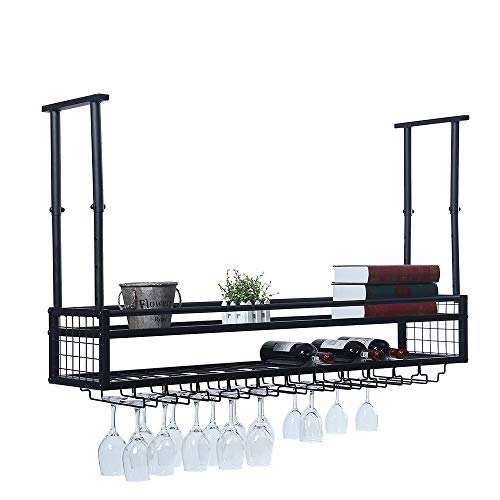
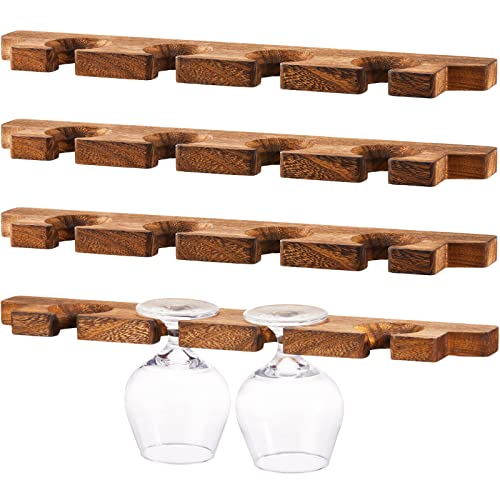
A hanging stemware rack made from heavier gauge metal, usually stainless steel or powder-coated steel, tends to resist bowing better than thin wood strips over time, especially once you load six or more glasses on a single run. Wood racks can look warmer and blend into cabinetry more naturally, but they need to be thick enough that the slots do not widen or crack under repeated stress. Acrylic shows up less often in hanging designs since it flexes more than metal, though it can work fine for lighter loads of four glasses or fewer.
Single Row vs Double Row Capacity
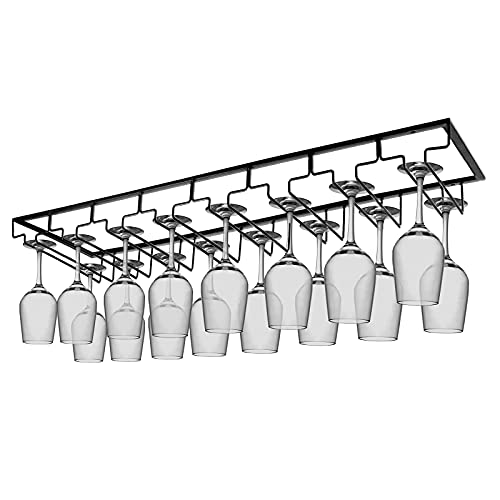
Single-row racks hold fewer glasses but sit closer to the cabinet, which matters if your under-cabinet clearance is tight. Double-row racks roughly double your capacity in the same length of cabinet, but they also add weight and depth, so check that your glasses have enough room to hang without the two rows knocking into each other.
Why Crystal Stemware Needs a Closer Look
Real crystal is heavier and often has a thinner stem than everyday glassware, which puts more concentrated pressure right where the rack grips it. If most of your collection is crystal, look for a rack with a wider gripping channel and confirm the manufacturer rates it for heavier stemware rather than assuming a generic rack will handle the extra weight the same way.
Getting the Slot Spacing Right for Your Glass Collection
This is the detail that trips up more buyers than anything else with a hanging rack, and it is specific to this style of storage. A rack built for slender flutes will not hold a wide-bowled red wine glass securely, and the reverse is just as true.
Measuring Stem and Bowl Diameter Before You Shop
Measure the base of the stem, right where it meets the bowl, on your widest and narrowest glasses. Most stemware falls somewhere between roughly three and four and a half inches at that point, but mixed collections of flutes, reds, and stemless glasses can span that entire range. If your glasses vary a lot, look for a rack with adjustable or generously sized slots rather than one built for a single glass style.
What Happens When Slots Are Too Wide or Too Narrow
Slots that are too narrow will not let the stem seat fully, so the glass hangs at an angle or refuses to sit level. Slots cut too wide let slender stems slip through entirely, which is how glasses end up crashing down without warning. Neither problem shows up until you actually load your own glasses, which is why checking the listed diameter range against your own measurements matters more than trusting a "universal fit" label.
Mounting a Rack Under Your Cabinet or Shelf
Every hanging rack eventually comes down to how well it attaches to your cabinet, and this is where most of the buyer complaints actually originate, not with the rack itself. Getting this part right is often what separates the best hanging wine glass rack from one that ends up back in a drawer within a week.
Tools and Measurements to Get Right First
Before you buy anything, measure the length of usable space under your cabinet and the thickness of the cabinet bottom, since some racks only fit shelves under a certain thickness. A tape measure, level, pencil, and stud finder are the basic tools, and measuring twice really does save you a second trip to return the wrong size rack.
Screw-In vs Drill-Free Mounting
Screw-in racks are generally the sturdier long-term choice, but the screws included are not always right for every cabinet material. Solid wood holds a standard wood screw well, while particleboard and laminate, common in rental kitchens and flat-pack cabinetry, need a coarser thread or they strip out after a few uses. Drill-free or adhesive-mounted racks avoid that problem entirely and suit renters, but they typically carry a lower weight rating, so check the maximum load before hanging a full set of heavy glasses.
Clearance, Height, and Door Swing
Mount the rack roughly 18 to 24 inches above the counter so glasses hang freely without touching countertop appliances, and confirm that nearby cabinet doors or drawers still open fully once the rack and hanging glasses are in place. It also helps to install in a lower-traffic stretch of cabinet, away from where kids or pets regularly reach, since a bumped rack full of glasses comes down all at once. If you are already planning other under-cabinet additions, such as under-cabinet lighting, map out the space for both at once so the stud finder work and clearance measurements only need to happen one time.
Hanging Racks vs Other Wine Glass Storage
A hanging rack is not the only way to store stemware, and it is not always the right one. Compared with a cabinet or hutch, a hanging rack uses space that would otherwise sit empty above your counter, so it does not cost you any usable cabinet or floor footprint the way a dedicated cabinet does. It is also one of the more budget-friendly options on the market. The trade-off is that it only works well for glasses with a proper stem. Stemless glasses will not hang securely, so if your collection leans stemless, a shelf or drawer insert is the better fit. A hanging rack also means a permanent hole or adhesive mount on your cabinet, while a freestanding option can move with you. For anyone weighing the full lineup of options side by side, from cabinets and wall racks to padded storage boxes, our broader wine glass storage guide covers each type in more depth.
Frequently Asked Questions
How high should a hanging wine glass rack be mounted?
Most installers aim for 18 to 24 inches above the counter. That gives tall glasses room to hang freely without hitting the countertop, while still keeping them within easy reach.
Do hanging wine glass racks work with stemless glasses?
No. Hanging racks grip glasses by the stem, so stemless glasses have nothing to hold onto. If your collection includes stemless glasses, pair the rack with a shelf or drawer insert for those pieces.
Can you install a wine glass rack without drilling?
Yes, several racks use adhesive mounting or clip onto an existing shelf edge instead of screws. These are a good fit for renters, though they usually hold less weight than a screwed-in rack, so check the load rating first.
How many wine glasses can a hanging rack hold?
It depends on length and row count. Single-row racks typically hold somewhere between four and eight glasses, while double-row designs can roughly double that in the same cabinet space.
What material is best for a hanging wine glass rack?
Heavier gauge metal tends to hold up best under a full load without bending. Wood works well for lighter collections and a warmer look, while acrylic suits smaller, lighter loads better than heavy daily use.
Will a hanging rack damage or chip my wine glasses?
Not if the slot width matches your glass's stem diameter. Problems usually start when slots are too narrow or too wide for the glass, letting it sit at an angle or slip, which is what leads to chips over time.
How do you measure your cabinet for a wine glass rack?
Measure the usable length under the cabinet, the thickness of the cabinet bottom, and the height from the counter to where you plan to mount it. Compare those numbers against the rack's listed dimensions before you buy.
Making the Call
A hanging rack earns its keep by turning wasted space under a cabinet into usable glass storage, but only when the material can handle a full load, the slots actually fit your glasses, and it is mounted with the right hardware for your cabinet. The best hanging wine glass rack for your kitchen is simply the one that matches your glass sizes and your cabinet material, not necessarily the one with the most reviews. Get those three details right and it is one of the simplest upgrades you can make to a crowded kitchen.