
Best Hacksaw Blades: A Complete Buying Guide for Metal
Disclosure: We may earn a commission when you buy through links on this page, at no extra cost to you. As an Amazon Associate I earn from qualifying purchases. Learn more

If you've ever snapped a blade halfway through a bolt or watched teeth strip off a thin pipe wall, you already know that not every blade in the rack is built the same. Finding the best hacksaw blades for your project comes down to a handful of specs that most people never think about until a blade fails on them. This guide walks through blade material, tooth count, sizing, and the reasons blades snap in the first place, so you can walk into a hardware store and pick with confidence instead of guessing.
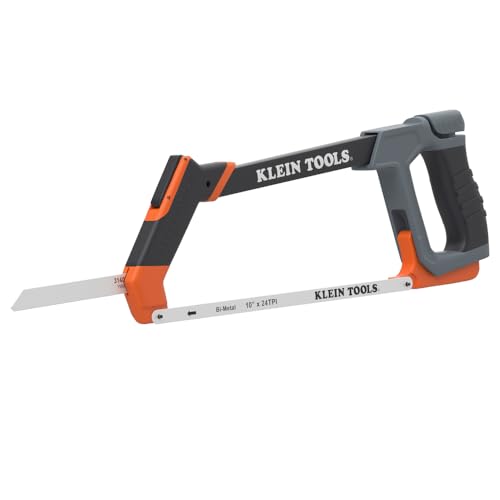
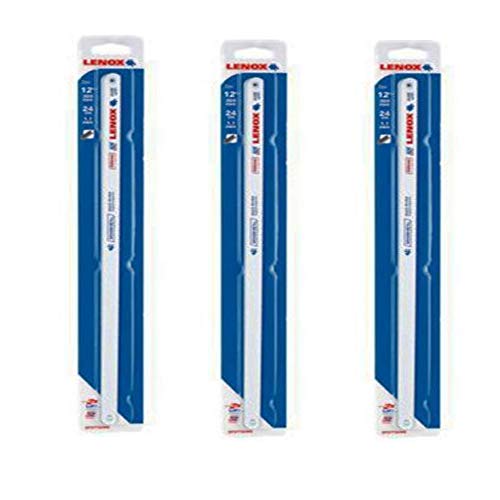
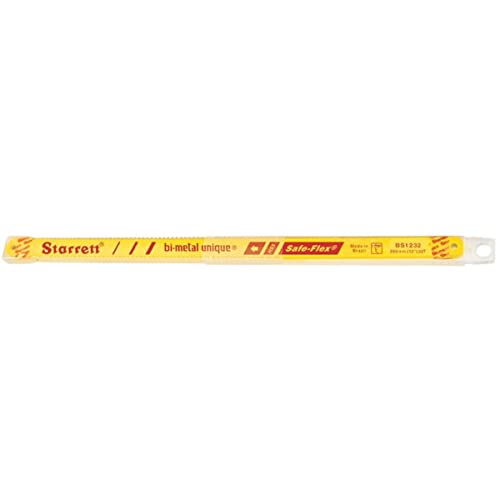
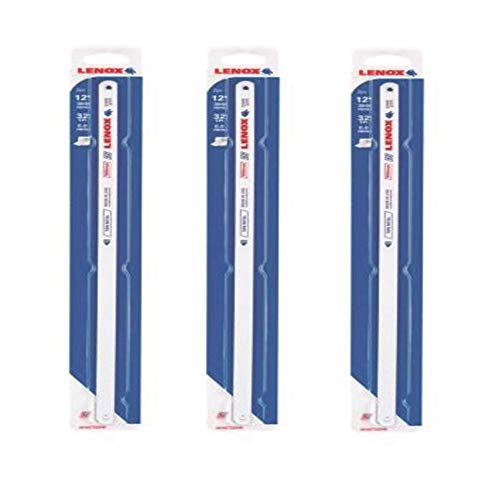
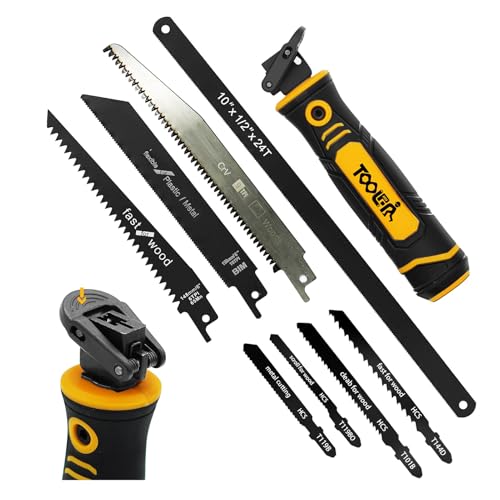
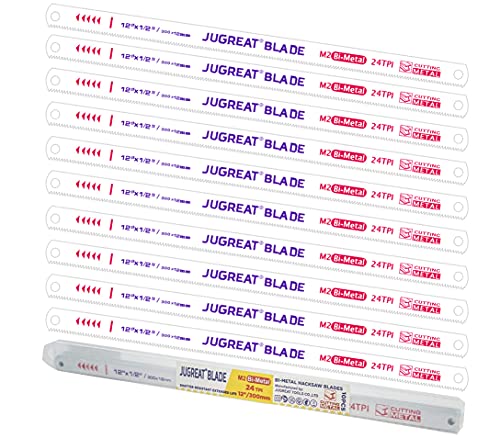
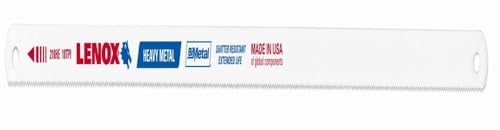

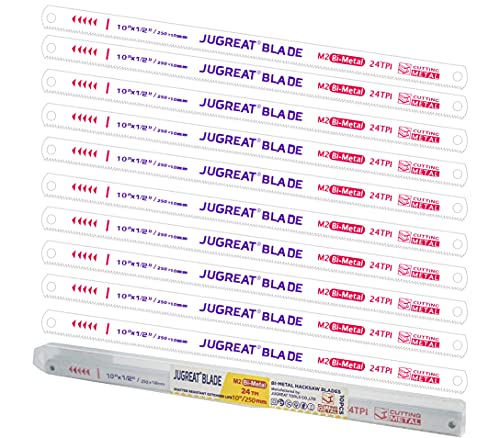
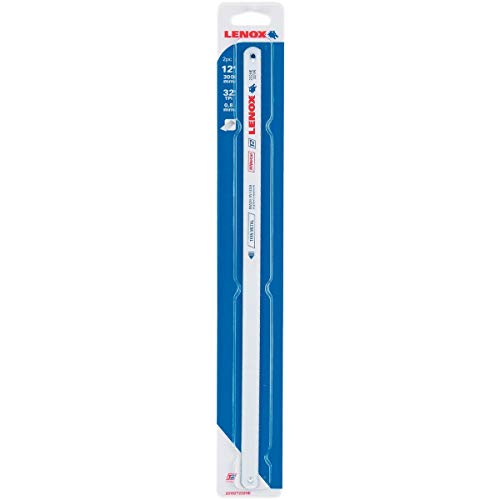
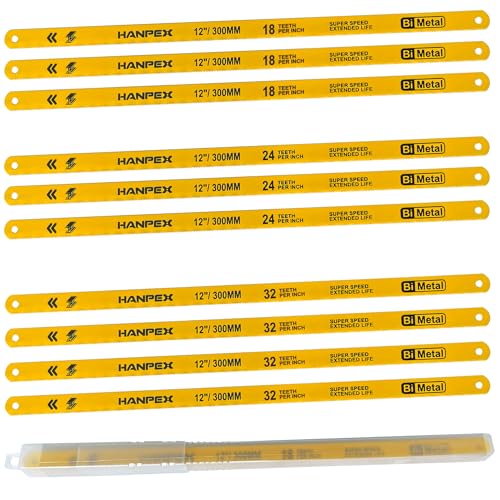
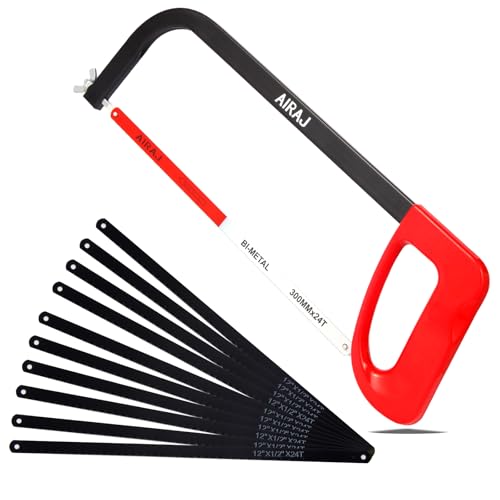
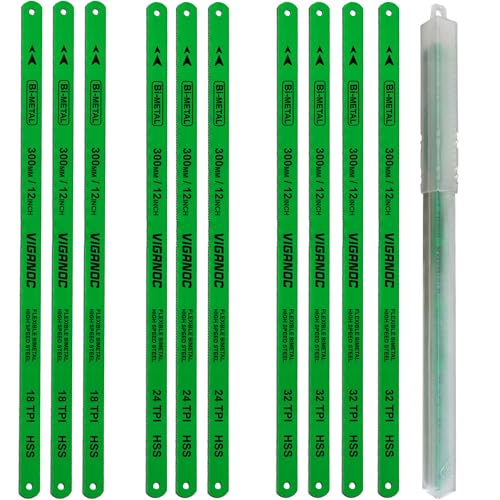
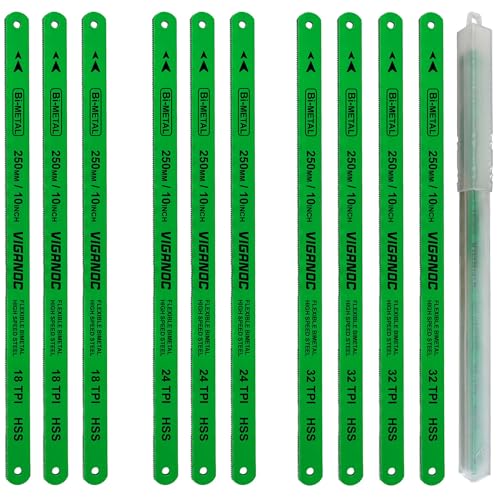
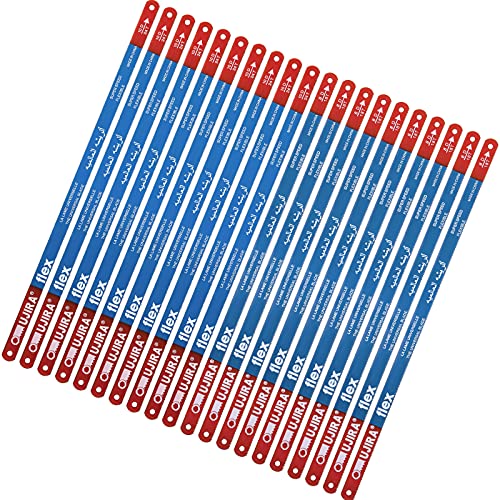
Blade Material: Carbon Steel, Bi-Metal, or Carbide
Material is the single biggest factor separating a blade that lasts a weekend from one that lasts a year of regular use. It also drives price, so it's worth understanding what you're actually paying for. Since lifespan and cutting ability both trace back to this one spec, comparing material is the fastest way to spot the best hacksaw blades on a crowded store shelf.
Carbon Steel
Carbon steel blades are the cheapest option and the most brittle. They flex easily and dull quickly, which makes them a reasonable pick for softwood, plastic, and non-ferrous metals like aluminum or copper, but a poor choice for anything hardened or high-carbon. If you only need a blade for one quick job, carbon steel gets it done without spending much.
Bi-Metal
Bi-metal blades pair a hardened high-speed steel edge with a flexible spring steel back, fused together so the teeth resist heat and wear while the body stays springy instead of snapping outright. For most home workshops and general repair work, a bi-metal blade is the practical middle ground: it costs more than carbon steel but typically lasts several times longer, especially on steel, stainless, and mixed-material cutting.
Carbide-Tipped
Carbide-tipped and carbide-grit blades sit at the top of the price range, and for good reason. They hold an edge through hardened steel, cast iron, and abrasive materials far longer than bi-metal, sometimes by a wide margin. Unless you're cutting hard or abrasive stock on a regular basis, though, the extra cost is hard to justify for occasional use.
Teeth Per Inch: Matching TPI to the Material You're Cutting
TPI, or teeth per inch, tells you how fine or coarse the cutting edge is. Get this wrong and you'll either fight the blade or wreck it, so it deserves as much attention as material choice. When people ask what separates the best hacksaw blades from the ones that fail after a few cuts, TPI mismatch is usually the answer more often than blade quality itself.
Set Pattern: Why the Teeth Angle Outward
Look closely at a blade and you'll notice the teeth aren't all lined up straight. Most blades use a wave or alternating set, where teeth angle slightly left and right in a repeating pattern. That offset cuts a channel, or kerf, slightly wider than the blade's body, which keeps the blade from binding as it travels deeper into the cut. A blade with a worn or damaged set tends to bind and overheat even if the teeth themselves still look sharp, which is worth checking if a blade suddenly starts cutting poorly for no obvious reason.
Coarse Blades (14 TPI)
Fewer, larger teeth clear material fast and resist clogging, making coarse blades a good fit for thick, soft stock like rebar, large bolts, or heavier pipe. They cut aggressively but leave a rougher edge behind.
Medium Blades (18 to 24 TPI)
This range covers most general workshop steel and is where a lot of all-purpose blades land. It balances cutting speed with a cleaner finish, which is why it's the default recommendation when you're not cutting anything unusual.
Fine Blades (24 to 32 TPI)
Thin sheet metal, small-diameter tubing, and thin-wall conduit need a finer tooth pattern. A coarse blade on thin material will catch and strip teeth almost immediately, which brings up the golden rule of blade selection.
The Three-Tooth Rule
At least three teeth should be in contact with the material at any point during the cut. If your stock is thin enough that only one or two teeth are engaged, the teeth have nothing to bite into evenly and tend to snap off. This one rule explains most of the "why did my blade fail" complaints from people who otherwise bought a decent blade but picked the wrong TPI for the job.
Blade Length, Width, and Frame Compatibility
Even the best hacksaw blades on paper are useless if they don't physically fit your saw. Hacksaw blades commonly come in 10-inch and 12-inch lengths, and the pin spacing on your frame determines which one you need. Most adjustable frames handle both lengths, but fixed frames are usually built around one size only, so it pays to check before buying a multi-pack.
Width and thickness matter too, particularly for flush or close-quarters cuts where a thinner blade can reach into tighter spots a standard blade can't. If you're working on plumbing where the cut needs to sit flush against a wall or fitting, once the pipe is cut cleanly you'll typically reach for a set of adjustable wrenches to thread on the new fitting, so it's worth having both tools sized correctly before you start.
Tooth direction matters as a fit issue as well, not just a cutting one. Blades are meant to be installed with teeth pointing forward on the push stroke for most frames, and installing one backward makes cutting far harder even if the blade itself is perfectly fine.
Why Hacksaw Blades Snap (and How to Stop It)
Even the best hacksaw blades will snap under the wrong conditions. Blade breakage is one of the most common complaints in home workshops and metalworking forums, and it almost always traces back to one of a few habits rather than a defective blade.
Wrong TPI for the Material
As covered above, using a coarse blade on thin stock is the number one cause of snapped or stripped teeth. If you're cutting a mix of thick and thin material regularly, it's worth keeping more than one TPI on hand rather than forcing one blade to do everything.
Forcing the Stroke
Pushing too hard, especially at the start of a cut before a groove is established, flexes the blade sideways and puts stress on the teeth that they weren't designed to handle. Letting the teeth do the work with steady, even strokes preserves both the blade and the edge quality of the cut.
Loose Blade Tension
A blade that isn't tightened properly in the frame flexes and wobbles mid-stroke, which leads to binding and eventually snapping. Most frames use a wing nut or tensioning lever, and it should be snug enough that the blade doesn't visibly flex when you press a finger against the flat side.
If your shop also handles wood-based cuts alongside metal work, it's worth remembering a hacksaw isn't the right tool for angled trim or repeated precision cuts. A compound miter saw handles that kind of work far more reliably and saves your hacksaw blades for the jobs they're actually meant for.
Frequently Asked Questions
What TPI hacksaw blade works best for cutting metal pipe?
For standard metal pipe, the best hacksaw blades for the job use an 18 to 24 TPI bi-metal design. Switch to a finer blade, closer to 32 TPI, if the pipe has thin walls.
Can hacksaw blades cut wood?
Yes, a coarse blade can cut through wood and plastic, though it's not the ideal tool for the job. A dedicated wood saw will cut faster and leave a cleaner edge.
How do I stop my hacksaw blade from snapping?
Match the TPI to your material thickness, keep the blade properly tensioned in the frame, and let the teeth cut without forcing the stroke. Most breakage comes from one of these three issues.
Are bi-metal hacksaw blades worth the extra cost?
For most regular use, yes. Bi-metal blades last significantly longer than carbon steel and handle a wider range of materials, which usually makes up for the higher upfront price.
What is the three-tooth rule for hacksaw blades?
It's a guideline stating that at least three teeth should be engaged in the material at once. Fewer than that and the teeth are prone to catching and breaking off, especially on thin stock.
Do all hacksaw blades fit any hacksaw frame?
No. Blades are made in standard 10-inch and 12-inch lengths, and your frame's pin spacing determines which size fits. Always check your frame before buying replacement blades in bulk.
How often should a hacksaw blade be replaced?
Replace it once cutting speed drops noticeably or teeth visibly dull or chip, rather than waiting until it snaps. A dull blade also increases the risk of binding and breaking mid-cut.
Choosing the Blade That Fits Your Job
Picking the right hacksaw blade really comes down to matching three things: material to the hardness of what you're cutting, TPI to the thickness of your stock, and length to your frame. Get those three right and most of the frustration people associate with hacksaws, snapped blades, stripped teeth, slow cuts, simply disappears.
There's no single blade that works perfectly for every task, which is exactly why the best hacksaw blades for one project might be the wrong pick for the next. A bi-metal blade in the 18 to 24 TPI range covers the majority of household repairs, but it's worth keeping a coarse blade for thick stock and a fine one for thin sheet or tubing on hand as well. Buying a small assortment costs very little compared to the time lost fighting a blade that was never suited to the job in the first place, and you'll rarely be caught without the right option once your project changes direction.