
Best Door Viewers: A Complete Buying Guide for Your Home
Disclosure: We may earn a commission when you buy through links on this page, at no extra cost to you. As an Amazon Associate I earn from qualifying purchases. Learn more

You hear a knock, glance at the door, and have no idea who is standing on the other side. That's the exact problem a door viewer solves, and it's why so many homeowners and renters start shopping the same day something feels off outside. Finding the best door viewers for your home comes down to a handful of practical factors: viewing angle, body material, and whether your door can even fit the one you're eyeing. This guide walks through what actually matters before you buy, how to match a viewer to your door, and when a digital model earns its higher price tag over a simple optical one.


What Actually Matters When You're Choosing a Door Viewer
Most door viewers look nearly identical in a product photo, but the differences show up the moment you use one. When you compare the best door viewers on the market, three factors drive almost every buying decision: how wide you can see, what the housing is made of, and whether the viewer protects your privacy from the outside in.
Viewing Angle and Distortion Trade-Offs
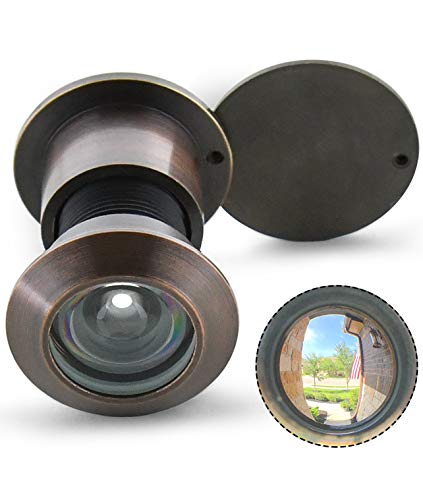
A viewing angle between 160 and 200 degrees is the standard range for a wide angle door viewer, and it's wide enough to catch someone standing off to the side of your door rather than only directly in front of it. The tradeoff is distortion. The wider the angle, the more fisheye curvature you get at the edges of the image, which can make faces look stretched or make it harder to judge how far away someone is standing. A viewer around 160 to 180 degrees usually strikes a reasonable balance between coverage and a usable, recognizable image, while anything closer to 200 degrees is better suited for long hallways or shared entryways where you need to see further down either side.
Body Material and Weather Resistance
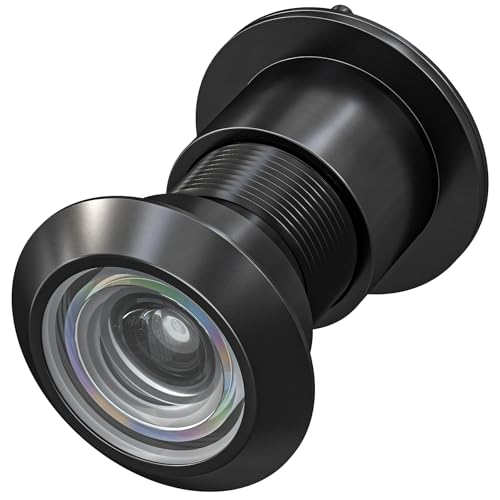
Door viewers are typically made from brass, zinc alloy, or stainless steel, and the material affects both durability and how well it holds up to weather. Brass resists corrosion well and tends to be the more premium option, zinc alloy is the most common choice because it balances cost and durability for interior-facing hardware, and stainless steel is worth prioritizing on an exterior-facing front door that takes direct rain or humidity. Avoid anything with a mostly plastic housing if the viewer will sit on an exposed entry door, since plastic lenses fog, scratch, and degrade faster in direct sun.
Privacy Cover to Block Reverse Viewing
A small but important feature to look for is a privacy cover or shutter on the interior side of the viewer. Without one, certain lens designs can theoretically allow someone outside to see a dim reflection into your home if the interior is well lit at night, an issue sometimes called reverse viewing. A cover you can flip closed when you're not using the viewer removes that risk entirely and adds almost nothing to the price. It's a detail worth checking for on any listing before you buy, and it's also one of the only "maintenance" items involved. Beyond wiping the lens occasionally, there's nothing else to upkeep on a standard optical viewer.
Matching a Door Viewer to Your Door
The single most common purchase mistake is buying a viewer that doesn't fit the actual door it's going into. Viewers thread together from both sides of the door, so if the barrel is too short or too long for your door's thickness, the two halves either won't meet in the middle or will sit loose and wobble.
Door Thickness Range
Most standard door viewers adjust to fit doors between roughly 35mm and 55mm thick, which covers the vast majority of residential interior and exterior doors. Measure your door's actual thickness with a tape measure before ordering, since older solid-wood doors and reinforced security doors can run thicker than that range, and some hollow interior doors run thinner. If your door falls outside the common range, look specifically for a listing that states an extended adjustment range rather than assuming a standard viewer will stretch to fit.
Bore Hole Size and Drilling
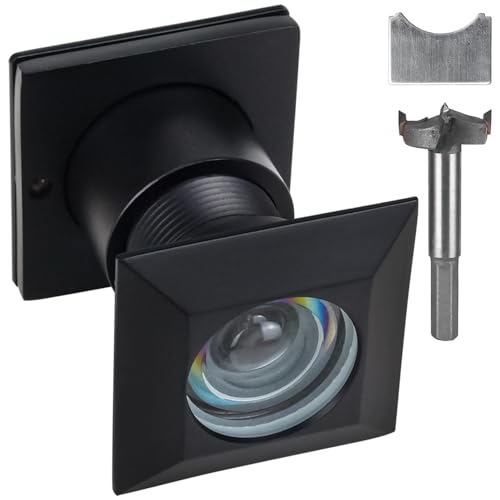
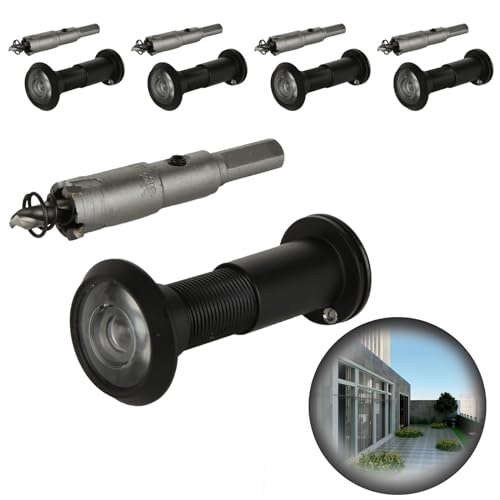
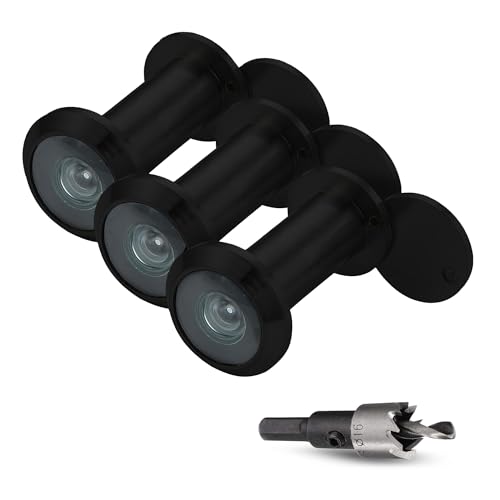
Installation almost always requires drilling a hole through the door, and bore sizes for door viewers commonly run between about 1/2 inch and 5/8 inch (roughly 12mm to 16mm). Many viewers include the correct drill bit in the box, which removes the guesswork, but if yours doesn't, check the listing or manual for the exact bore size before you drill. Getting this wrong means either a hole that's too tight for the viewer's barrel or one that's too loose to hold it securely, so double-check the spec rather than estimating.
Optical vs. Digital Door Viewers: Which Type Fits Your Home
Beyond size and material, the biggest decision is whether to go with a traditional optical viewer or a digital one, and the two solve slightly different problems.
Optical (Traditional) Viewers
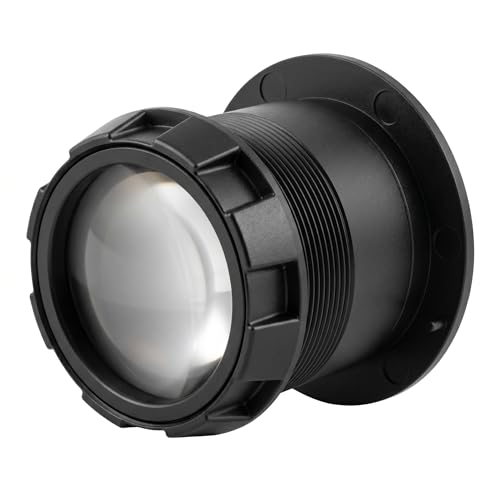
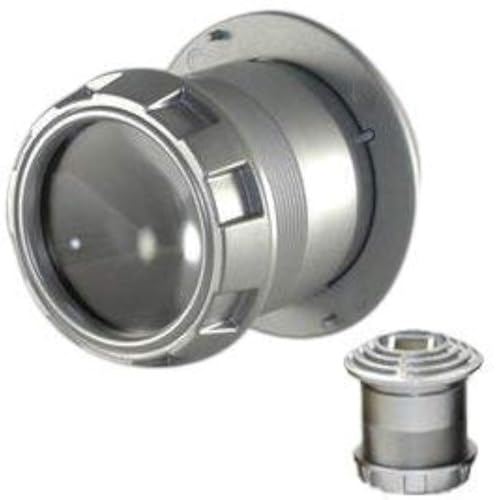
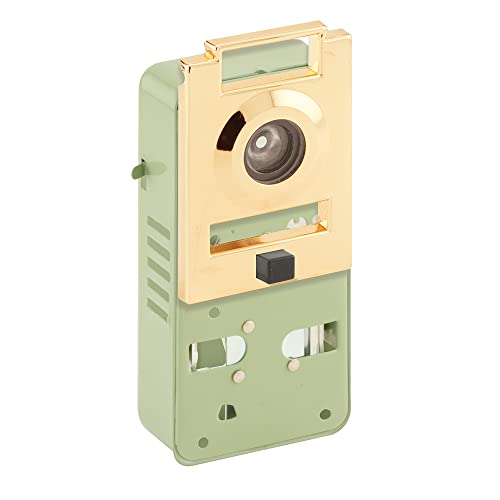
A standard optical door peephole uses a simple glass or plastic lens system with no batteries or wiring involved. It's inexpensive, takes minutes to install, and has nothing to charge or update, which is part of why it remains the default choice for most front doors. The tradeoff is that you have to walk up and look through it yourself, it won't capture footage of anyone, and visibility drops off in low outdoor light since there's no illumination built in.
Digital Door Viewers
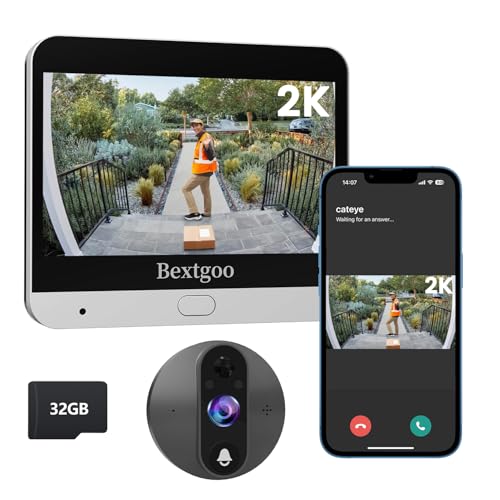
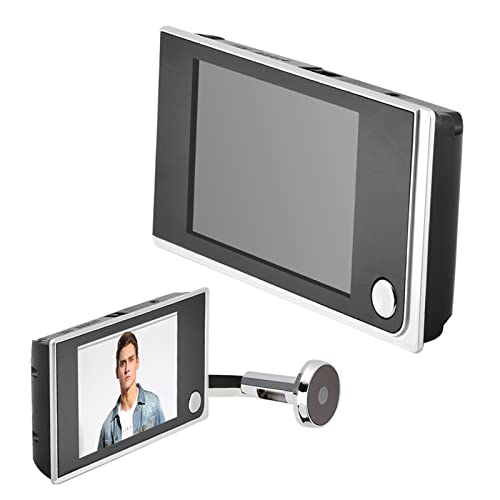
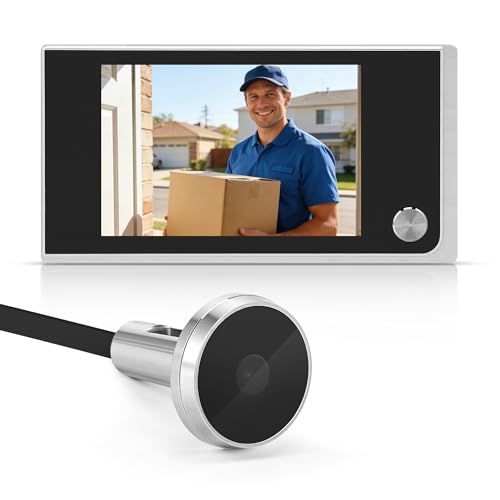
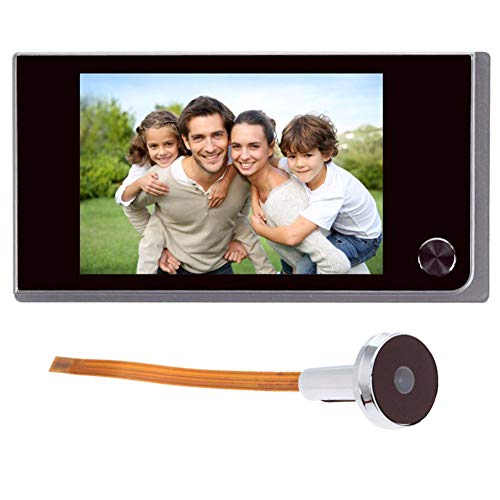
A digital door viewer replaces the lens with a small camera and an interior LCD screen, often adding features like motion-triggered recording, night vision, and in some cases a live feed to your phone. That's genuinely useful if you want a record of who's been at your door or you want to check without walking over, but it comes at a real cost premium over an optical viewer and requires batteries or charging to keep running. If you're weighing a fully connected option with phone alerts and cloud footage rather than a simple viewer upgrade, a video doorbell camera covers similar ground from outside the door instead of through it, which some households prefer since it doesn't require modifying the peephole hole at all.
Choosing a Viewer for Renters, Kids, or Limited Mobility
Standard installation height assumes an adult of average height looking straight through at eye level, which leaves out a lot of real households.
Renters and No-Drill Options
If you're renting, check your lease before drilling any new hole, since some agreements restrict permanent alterations to doors. Several digital door viewers and peephole cameras are designed to sit over or replace an existing hole without requiring a new one, which sidesteps the issue if your unit already has a standard peephole in place. If your building doesn't allow hardware changes at all, pairing what you already have with an interior smart home security system that includes door sensors can add a layer of awareness without touching the door itself.
Accessibility for Children and Wheelchair Users
A peephole mounted at standard adult eye level is effectively useless for a child, a wheelchair user, or anyone shorter than average, and this is a real gap that a lot of buying advice skips over. A second, lower viewer installed at a reachable height is one straightforward fix and doesn't require removing the existing one. A digital viewer with a screen that can be viewed from an angle, rather than requiring your eye pressed directly against the lens, is another practical option, since it doesn't demand a specific standing height or position to use effectively.
Frequently Asked Questions
Do I need a peephole if I already have a video doorbell?
They serve overlapping but different purposes. A video doorbell covers the area outside your door and often includes two-way audio, while a peephole gives an instant, private look without alerting anyone outside or relying on an app or Wi-Fi connection working at that moment.
What size hole do I need to drill for a door viewer?
Most door viewers require a bore hole between about 1/2 inch and 5/8 inch (roughly 12mm to 16mm). Check your specific viewer's packaging or manual, since sizes vary slightly between models and manufacturers.
Is a digital door viewer worth the extra cost?
It depends on what you value. If recording footage, night vision, or checking your door from your phone matters to you, the added cost is often worthwhile. If you just want a reliable, no-maintenance way to see who's outside, an optical viewer does that job at a fraction of the price.
Can someone see into my home through a peephole from outside?
It's a low but real risk with certain lens designs, especially if your interior is brightly lit at night. A viewer with a built-in privacy cover or shutter closes off that possibility entirely and costs little to nothing extra.
What viewing angle should I look for?
Somewhere between 160 and 200 degrees covers most situations well. Angles closer to 160-180 degrees tend to offer a clearer, less distorted image, while wider angles near 200 degrees are better for hallways or entryways where you need to see further to each side.
Will a door viewer fit any door thickness?
Not automatically. Standard viewers usually adjust for doors roughly 35mm to 55mm thick, so measure your door first. Thicker security doors or older solid-wood doors may need a viewer rated for an extended thickness range.
Do door viewers work on metal and fiberglass doors, not just wood?
Yes, as long as the door can be safely drilled to the required bore size and the viewer's adjustable range matches the door's thickness. Metal and fiberglass doors are common surfaces for both optical and digital viewers.
Making Your Decision
Choosing among the best door viewers for your situation really comes down to measuring your door first, then deciding whether the added features of a digital model are worth the cost over a simple, reliable optical one. Get the viewing angle, material, and bore size right, and either option will do its one job well: letting you know exactly who's on the other side before you open the door.