
Best Door Knockers: How to Choose the Right One for Your Front Door
Disclosure: We may earn a commission when you buy through links on this page, at no extra cost to you. As an Amazon Associate I earn from qualifying purchases. Learn more

Your front door says a lot about your home before anyone even steps inside, and a knocker is one of the few pieces of hardware people actually touch. Choosing among the best door knockers isn't just about picking a shape you like at the hardware store. Size, material, mounting method, and your door's construction all affect whether the one you buy fits properly and holds up for years. In this guide, you'll learn how to size a knocker correctly, which materials age well, how installation differs by door type, and how to keep the finish looking sharp.

Getting the Size and Placement Right
A knocker that's too small looks like an afterthought on a large door, and an oversized one can overwhelm a narrow one. Getting the proportions right is the first step toward picking the best door knockers for your specific entryway, and it's also the easiest thing to get wrong when shopping online without your door dimensions handy.
How Big Should Your Knocker Be
A common rule of thumb is to choose a knocker that spans roughly a quarter of your door's width at its widest point. Most residential knockers run between 5 and 8 inches long, with the center-to-center distance between mounting screws typically falling between 2.5 and 5 inches. Measure your door before you shop rather than guessing from a product photo, since online listings can be deceptively hard to judge for scale.
Where to Mount It
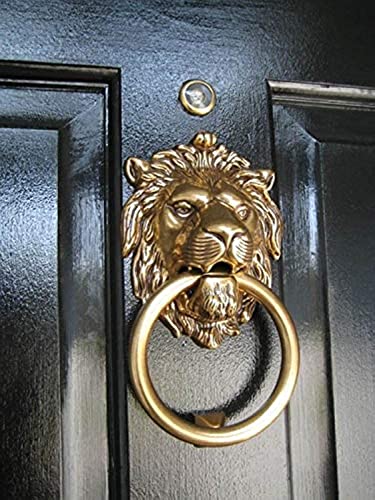
Center the knocker horizontally on the door, then set the height somewhere between eye and shoulder level for an average adult, generally two-thirds of the way up from the bottom. If your door already has a peephole or sidelight glass, adjust slightly so the knocker doesn't crowd either feature. Most of the best door knockers on the market are designed with standard placement in mind, but your door's specific layout should always take priority over a generic rule.
Choosing a Material That Ages Well
Material affects more than looks. It determines how loud the knock sounds, how the finish holds up outdoors, and how much upkeep you'll be signing up for. This is where a lot of the difference between a knocker that still looks great in a decade and one that looks tired within a year or two comes down to, and it's a big reason material is often the deciding factor between the best door knockers and ones people replace within a few seasons.
Traditional Metals: Brass, Iron, and Bronze
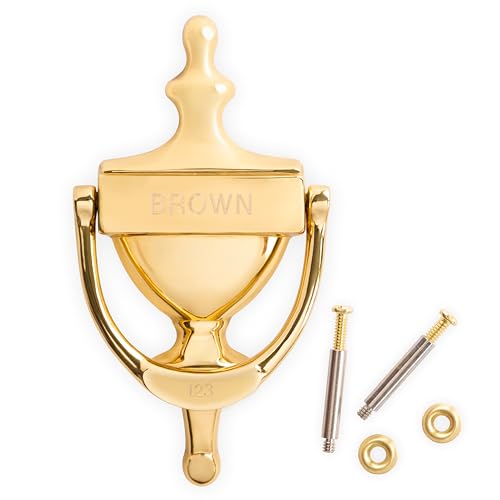
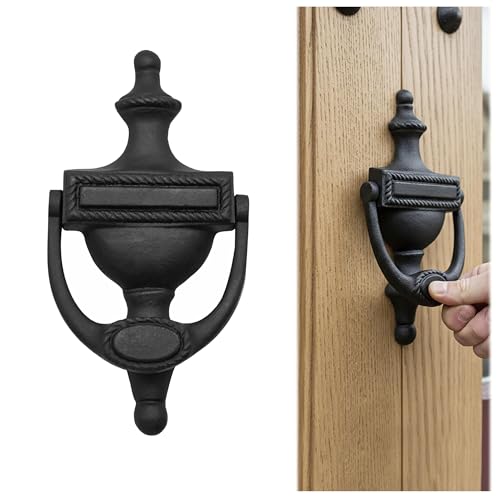
Solid brass is a longtime favorite because it develops a rich patina over time and holds up well against corrosion, though lacquered brass can crack and blotch in extreme sun or humidity once the protective coating wears thin. Cast iron is heavier and produces a more resonant knock, which many people like, but it's prone to faint surface rust even with regular cleaning, especially in coastal or humid climates. Bronze sits in between: it's durable, ages gracefully, and tends to tolerate weather swings better than lacquered brass.
Low-Maintenance Modern Finishes
If upkeep matters more to you than a vintage look, stainless steel and PVD-coated knockers are worth a look. PVD coating is bonded at a molecular level, so it resists tarnishing and generally only needs an occasional wipe with a damp cloth. These finishes tend to be a better fit for humid climates or anyone who'd rather not polish metal every season.
Matching Style to Your Door and Hardware
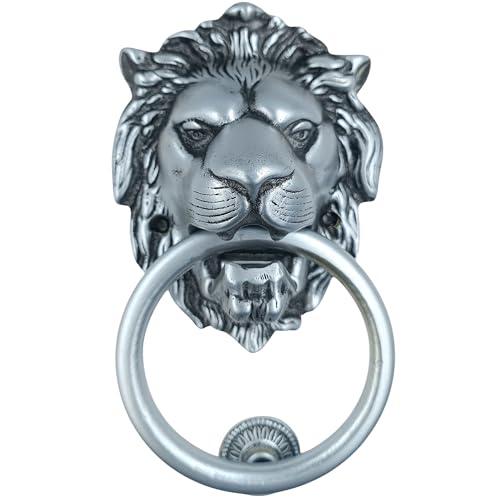
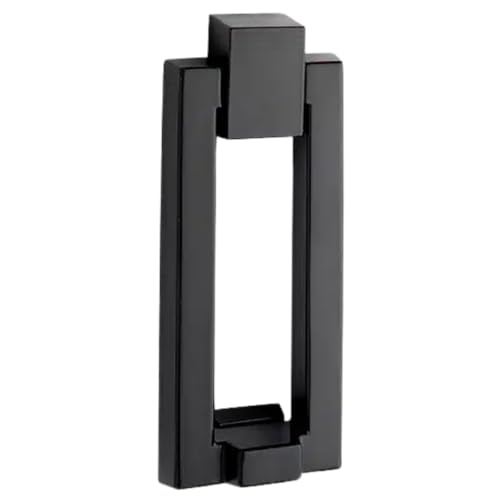
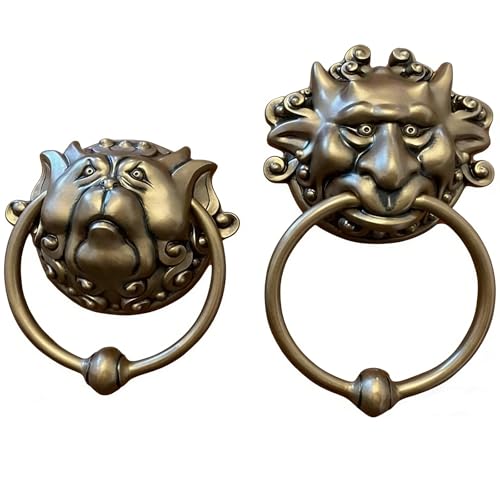
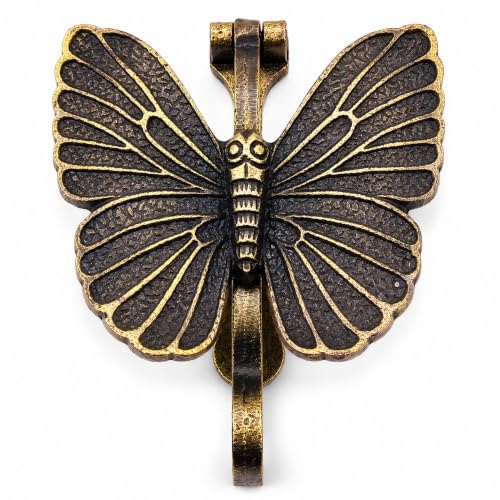
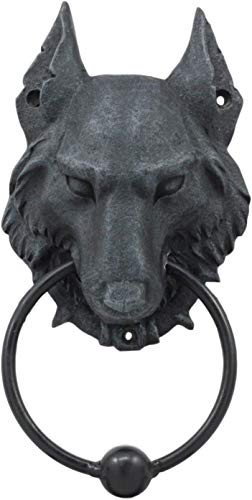
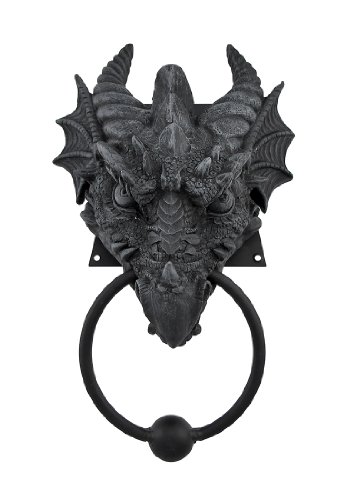
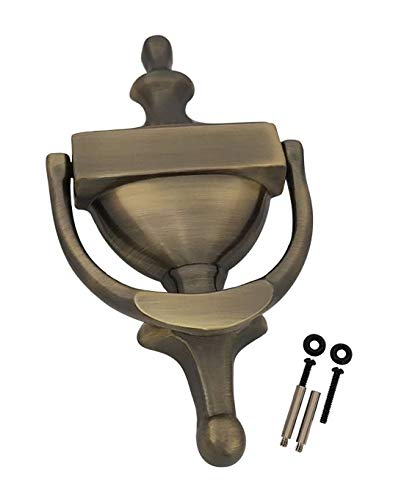
The best door knockers work with your home's existing look instead of fighting it. A period or traditional home generally suits a classic ring, lion head, or fleur-de-lis design, while a modern build often looks better with a clean geometric bar or minimalist knob. Beyond the door itself, look at your other hardware. A knocker in a wildly different finish than your handle set can look like an odd add-on rather than a deliberate choice.
Coordinating finishes across your entry hardware, including your mail slot and handle set, tends to read as more intentional than treating each piece as a separate purchase. If your door already has a kick plate in a specific metal tone, matching or complementing that finish with your knocker helps the whole entry feel cohesive rather than mismatched.
Installation: Surface Mount vs Through-Bolt
How a knocker attaches to your door depends heavily on what the door is made of, and this trips up more buyers than almost anything else on this list. Getting the mounting method wrong is one of the most common reasons people end up returning even the best door knockers, so checking your door's construction before ordering is worth the extra few minutes.
Which Mounting Style Fits Your Door
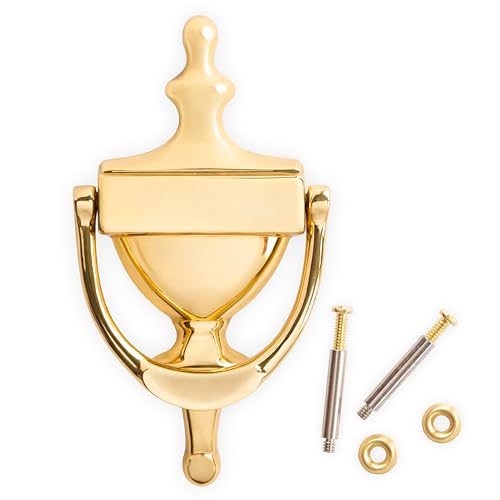
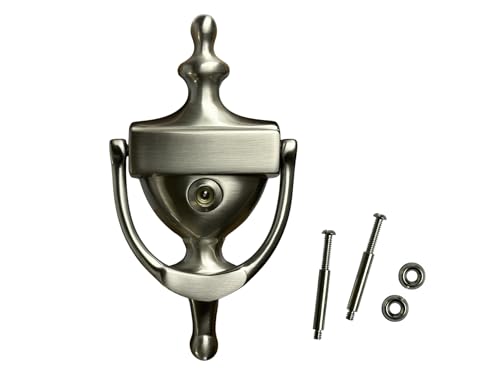
Surface-mount knockers use screws driven from the front into the door itself, with no visible hardware on the interior side. This works well on solid wood doors but struggles on doors with nothing solid for the screws to grip. Through-bolt (or bolt-through) knockers use screws or bolts that pass completely through the door and are secured with nuts on the interior side, which makes them the more reliable choice for doors that aren't solid all the way through.
Mounting on Hollow Metal, uPVC, or Glass Doors
Hollow metal and many uPVC doors have air rather than solid material behind the surface, so a through-bolt design is usually necessary since surface screws have nothing to bite into. Drilling straight matters even more here, since a crooked hole is harder to correct once it's through both faces of a hollow door. For glass or full-view storm doors, a dedicated glass-mount kit with a backing plate is typically required rather than a standard wood-door knocker, since screws can't grip glass at all.
Keeping Your Door Knocker Looking Its Best
Routine cleaning is the biggest factor in how long a finish stays attractive. For unlacquered brass or bronze, a soft cloth with mild soap and water handles regular dust and grime, and a paste of lemon juice and baking soda can lift light tarnish without harsh chemicals. Lacquered brass is different: skip abrasive cleaners or polish, since scrubbing through the lacquer layer is what causes the blotchy, uneven look people usually complain about. PVD-coated and stainless finishes are the least fussy of the bunch, needing little more than a damp cloth wipe every so often to stay clean. Whatever the material, tightening loose mounting screws periodically keeps the knocker from rattling or wearing unevenly against the strike plate, and it's a habit that keeps even budget picks looking like some of the best door knockers on the block for years.
Frequently Asked Questions
Are door knockers a standard size?
No. There's no single industry standard, but most residential knockers run 5 to 8 inches long with a mounting screw spread of 2.5 to 5 inches. Matching the size to your door's proportions matters more than hitting an exact measurement.
Do door knockers work on hollow or metal doors?
Yes, as long as you use a through-bolt design rather than surface-mount screws. Hollow doors don't have solid material behind the surface, so bolts need to pass all the way through and secure with nuts on the interior side.
What is the best material for a door knocker?
It depends on your priorities. Solid brass and bronze age gracefully and suit traditional homes, cast iron delivers the loudest knock, and PVD-coated or stainless options need the least upkeep if you want something closer to maintenance-free.
How do you clean a door knocker without damaging the finish?
Use mild soap and water for routine cleaning, and avoid abrasive polish on lacquered brass since it can strip the protective coating. For light tarnish on unlacquered metal, a gentle lemon juice and baking soda paste usually does the trick.
Can you put a door knocker on a glass or storm door?
Standard wood-door knockers generally aren't designed for glass, since there's nothing for screws to grip. Look for a knocker kit made specifically for glass or full-view storm doors, which uses a backing plate to clamp the hardware in place instead.
Are door knockers still useful with video doorbells around?
Plenty of homeowners use both. A knocker never needs batteries or a firmware update, works during a power outage, and adds a design element that a doorbell camera alone doesn't provide, which is part of why they've stayed popular even as smart entry tech has grown.
Making Your Final Decision
Narrowing down the best door knockers for your home really comes down to three questions: does the size suit your door, will the material hold up in your climate with the upkeep you're willing to do, and does your door's construction support the mounting hardware the knocker requires. Get those three right and the style choice becomes the easy, fun part.